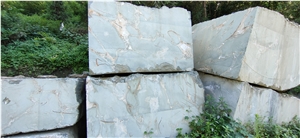
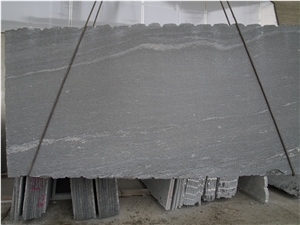
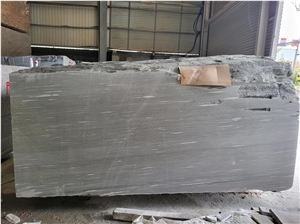
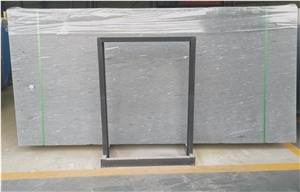
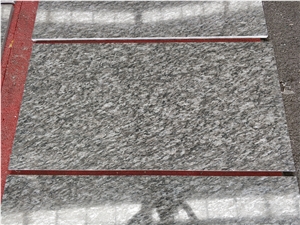
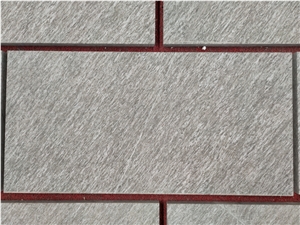
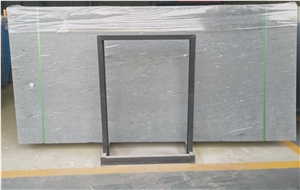
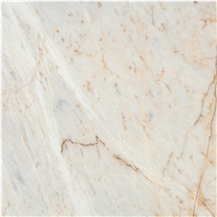
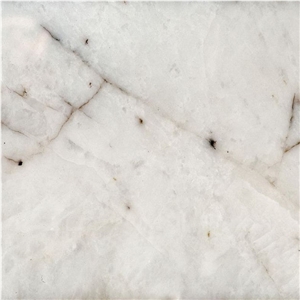
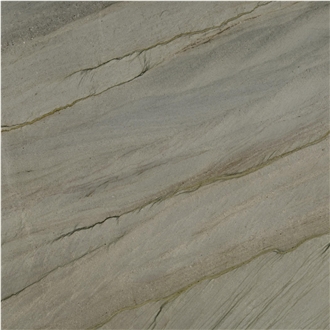
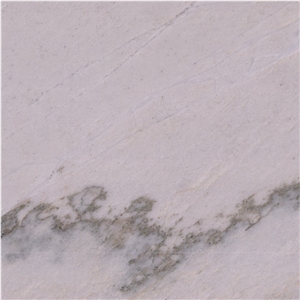
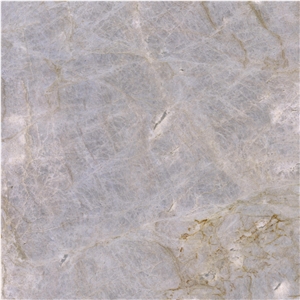
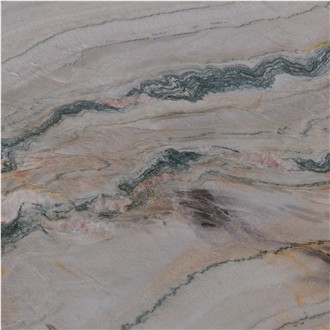
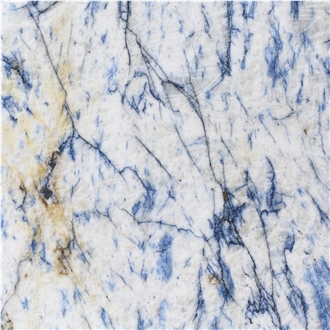
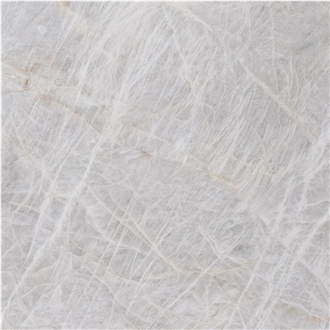
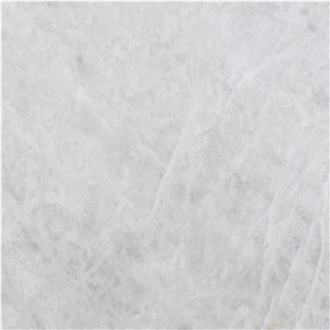
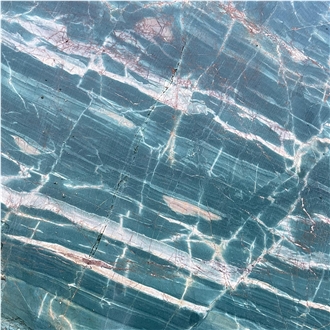
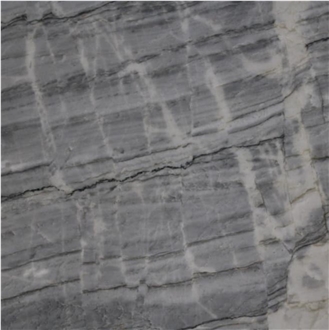
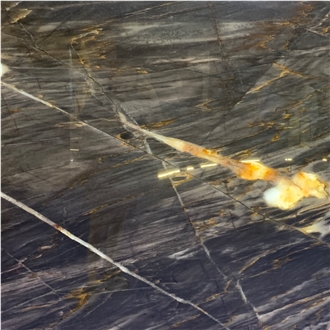
Vals Quartzite, also known as mica quartzite, is a distinctive natural stone renowned for its unique characteristics. Quarried in Vals Platz, Graubünden, Switzerland, this stone is a testament to the geological wonders found in the region.
Key Features:
- Composition: Vals Quartzite is composed of mica and schist, resulting in dense and tight grains. The inclusion of mica adds a reflective quality to the stone, creating a dazzling effect when exposed to light.
- Texture: The stone possesses a distinct fine-veined texture, contributing to its overall elegance. The veining is directional, creating patterns that add visual interest to its surface.
- Strength and Compactness: Vals Quartzite is very solid and compact, showcasing its durability and robust nature. This makes it a suitable choice for various applications, including flooring, countertops, and other interior and exterior uses.
- Frost-Resistance: Its inherent frost-resistant properties make Vals Quartzite well-suited for outdoor applications, ensuring its resilience in different climates.
- Color Palette: The primary shades of Vals Quartzite are gray, but it may also feature tones of blues, greens, whites, and even ion red. The stone's palette is versatile, allowing for diverse design possibilities.
- Veining Pattern: Reflective silver mica and white quartz create a directional veining pattern, adding a sense of movement and sophistication to the stone's appearance.
Usage:Vals Quartzite is a versatile stone suitable for a range of applications. Its durability and aesthetic appeal make it ideal for flooring, kitchen countertops, wall cladding, and other interior and exterior design elements. The reflective qualities of the mica add a touch of glamour to any space.
Durability:Known for its hardness, Vals Quartzite is an extremely durable stone, making it resistant to wear and tear. Its compact and tight grain structure contributes to its strength, ensuring a long lifespan in various applications.
Considerations:
- As a natural stone, Vals Quartzite may exhibit variations in color, veining, and pattern.
- Professional installation is recommended to showcase the stone's unique characteristics effectively.
In summary, Vals Quartzite, or mica quartzite, from Switzerland stands out for its fine-veined texture, reflective mica, and versatile color palette. Its durability and aesthetic qualities make it a sought-after material for those seeking an elegant and enduring stone for their architectural and design projects.
Test results
Vals Quartzite and its mineralogical characteristics.
Bulk density kg/m3 2730
Flexural and tensile strength N/mm2 18.3
Compressive strength N/mm2 281
Capillary and overall porosity Vol-% 0.8
Abrasion characteristics SIA 162/1 0.56 – 0.73
Anchor rupture (Norm EN 13364)
Strength 40 mm N 3430
Strength 30 mm N 2058
Frost resistance nach Dobrolubov-Romer
(400 Frostzyklen) very high
USA Normen ( ASTM C 615)
Absorption by weight, mas % 0.40 Test Method: C97
Density, min Ib/ft^3 160 Test Method: C97
Compressive strength, min psi 19.000 Test Method: C170
Modulus of Rupture, min psi 1.500 Test Method: C99
Abrasion resistance, min H 25 Test Method: C241/C1353
Flexural strength, min psi 1.200 Test Method: C880


 Switzerland