Post Your Needs

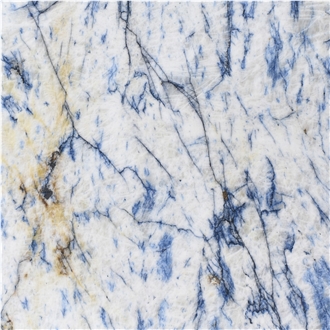
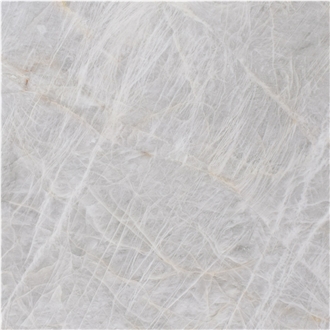
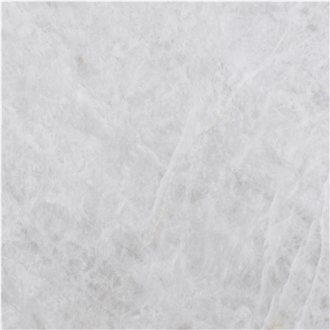
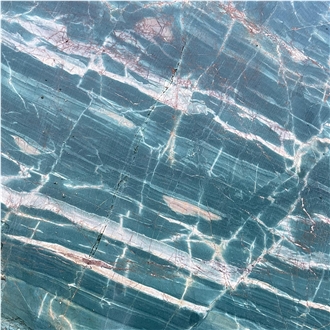
White Macaubas Quartzite

About

Material Type:
Quartzite
Origin:
Brazil (Diamantina, Minas Gerais)
Primary Color(s):
White
Recommended Usage:
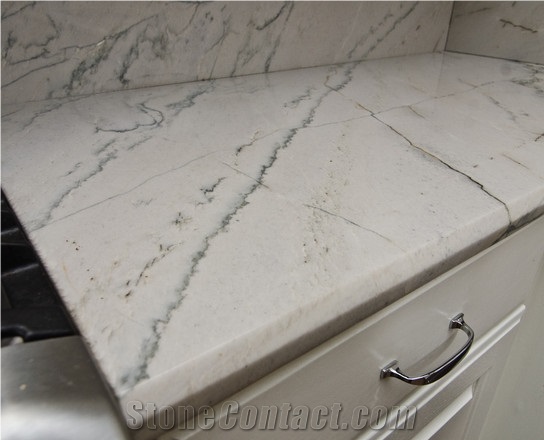
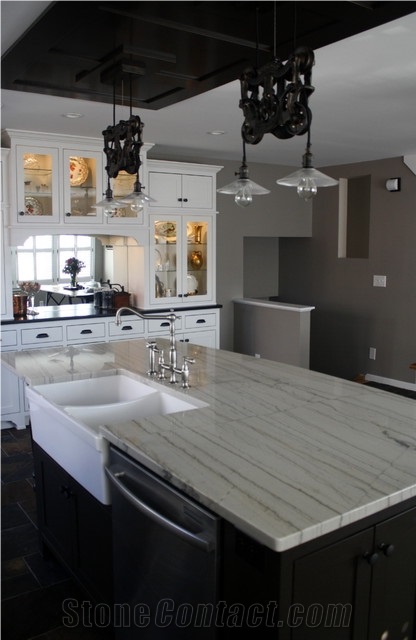
Kitchen and bathroom countertops, commercial tops, gravestones, bathroom countertops, building stone, ornamental stone, interior, exterior wall applications, wash basins, stairs, mosaic, waterjet pattern
Additional Names:
Macaubas White, Branco Macaubas Quartzite, Bianco Macaubas Quartzite, Macaubas White Quartzite, White Macaúbas Quartzite, Luce di Luna Quartzite, in China stone market: 淡水河谷(Dànshuǐ hégǔ), White Macaubas Quartzite
Finished Surface:
Polished,Bush Hammered,Tumbled,Brushed,Honed,Split,Machine Cut,Natural Surface,Sandblasted,Acid Washing,Combed,Leathered,Water Jet,Filled,Chiseled,Pickling

Description

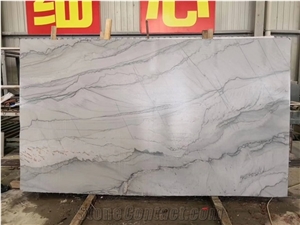
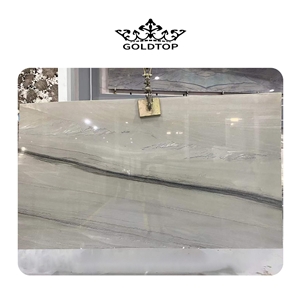
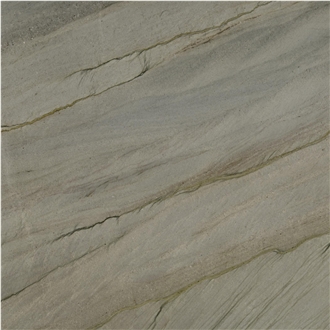
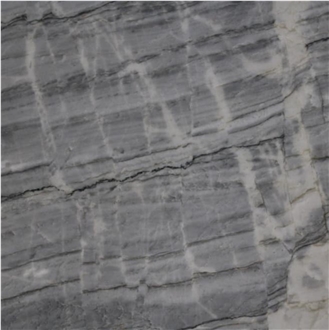
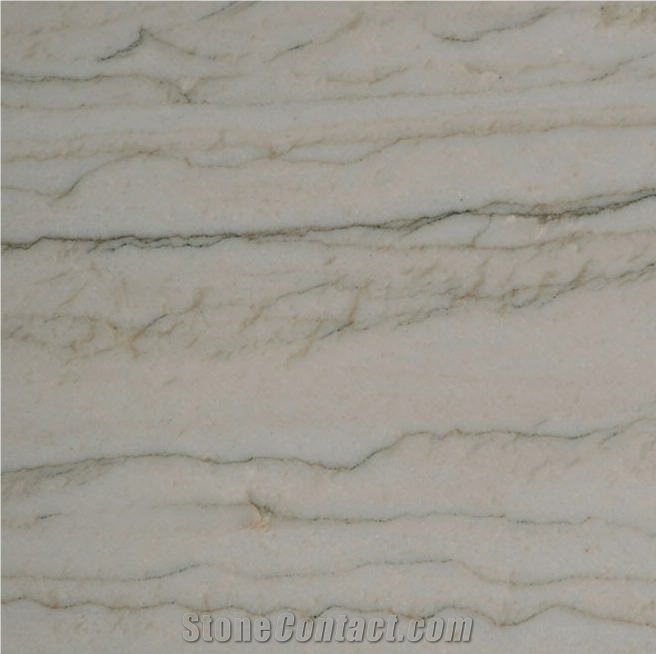
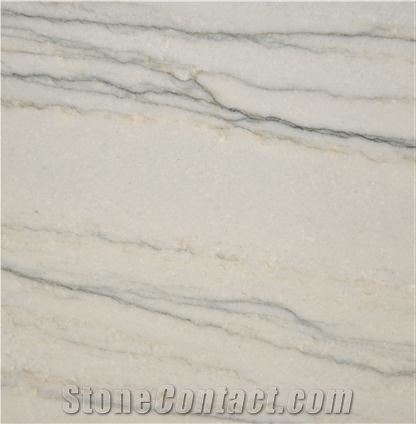
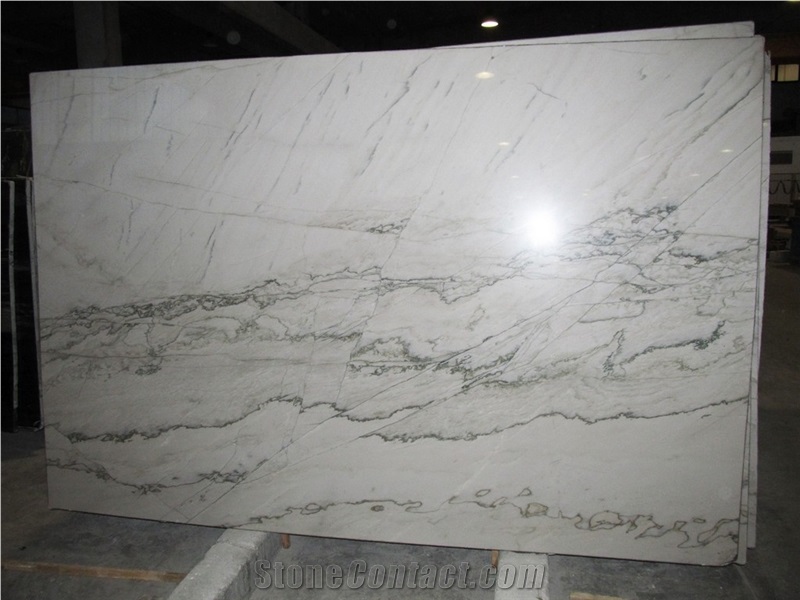
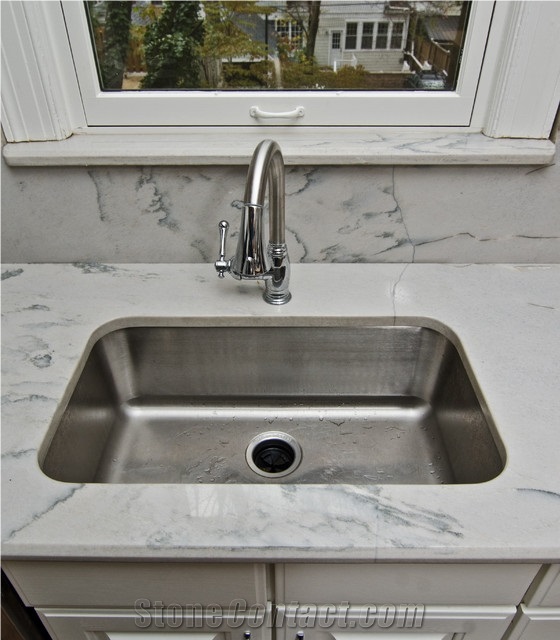
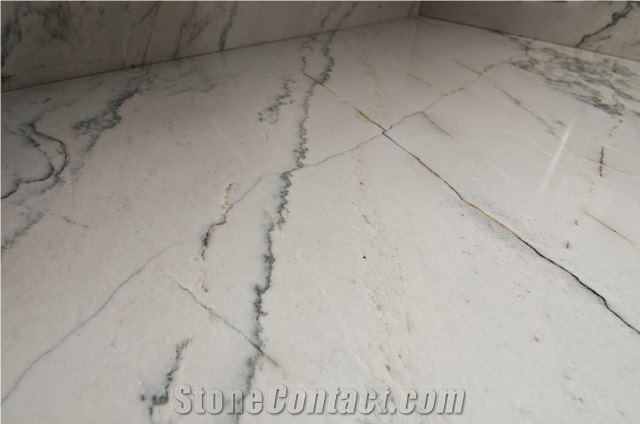
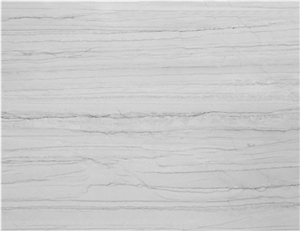
Far from ordinary, this particular slab of Macaubas White quartzite features a striking, and desirable, pattern of horizontal veining. 

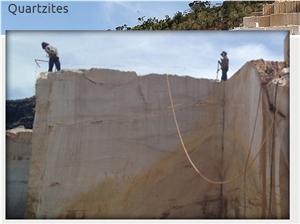
White Macaubas Quartzite is a luxurious and visually striking natural stone that is highly regarded for its stunning white and grey coloration. It is a type of quartzite, a metamorphic rock formed from sandstone that has undergone intense heat and pressure over millions of years. White Macaubas Quartzite is sourced primarily from quarries in Brazil.

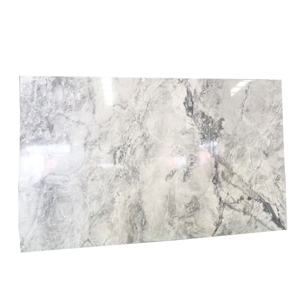
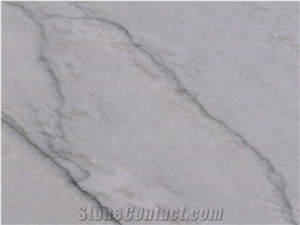
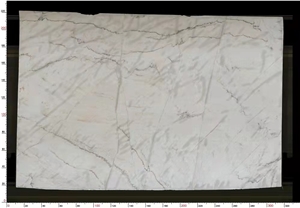
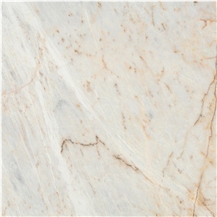
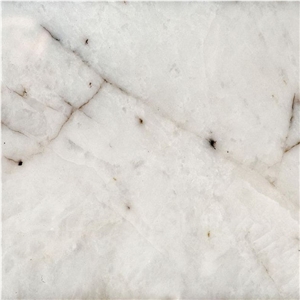
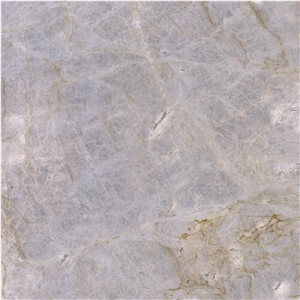
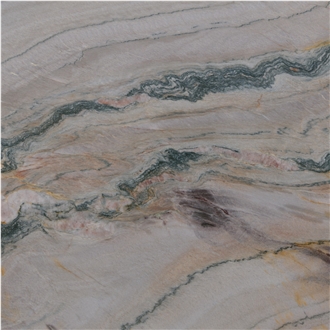
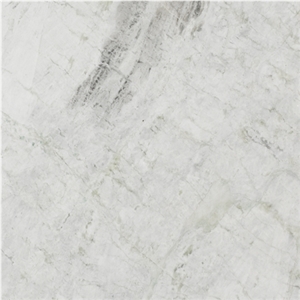
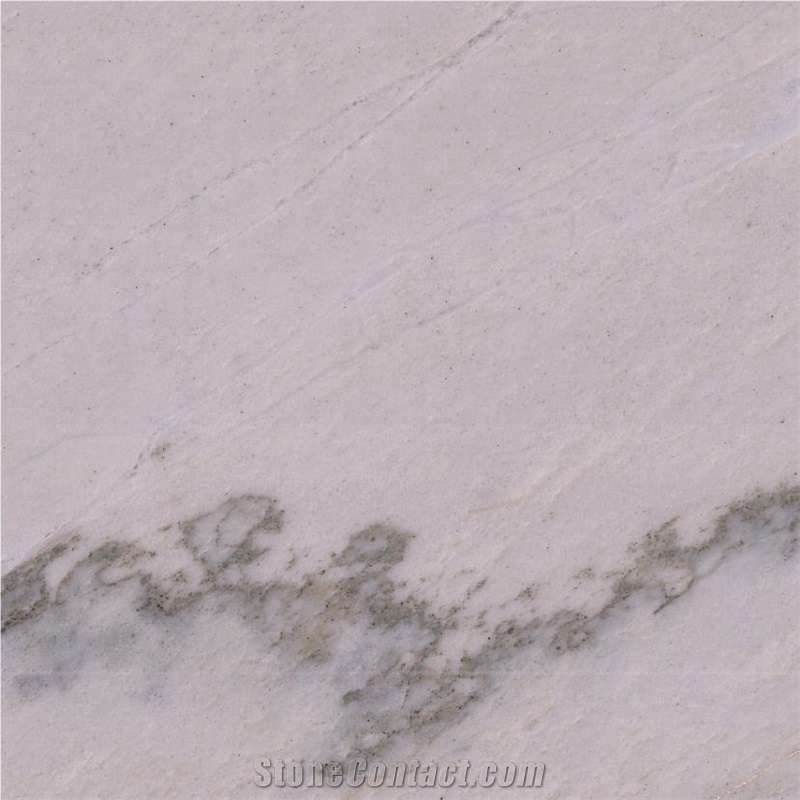
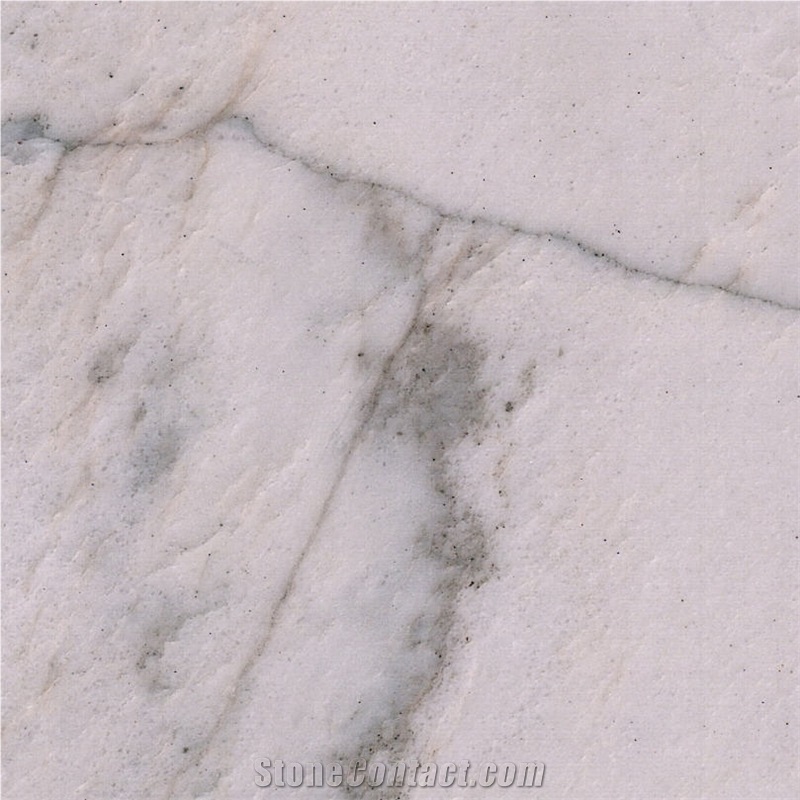
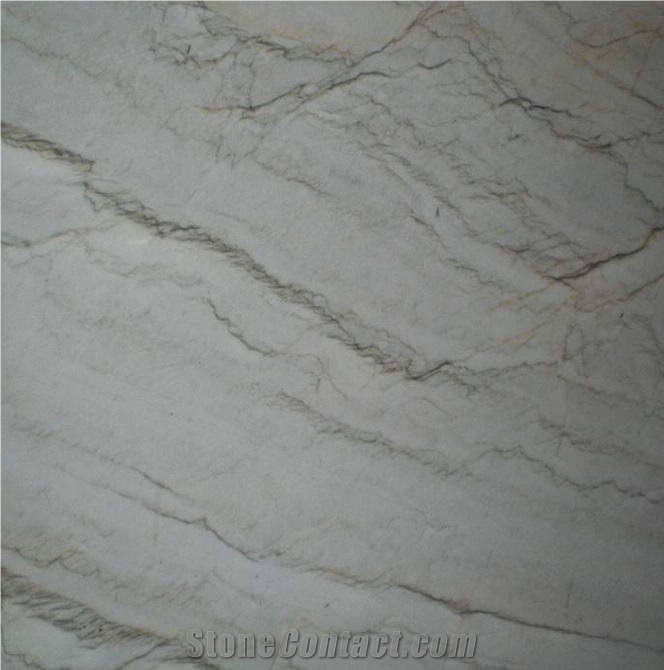
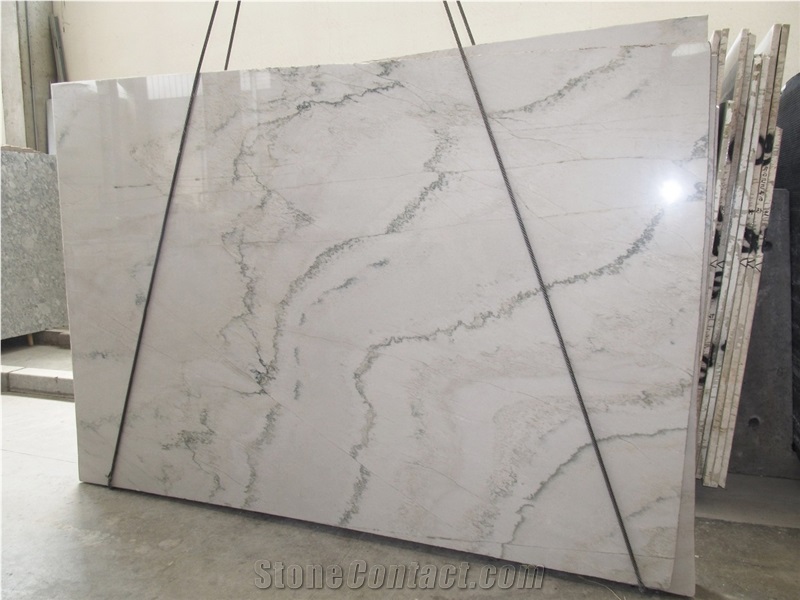
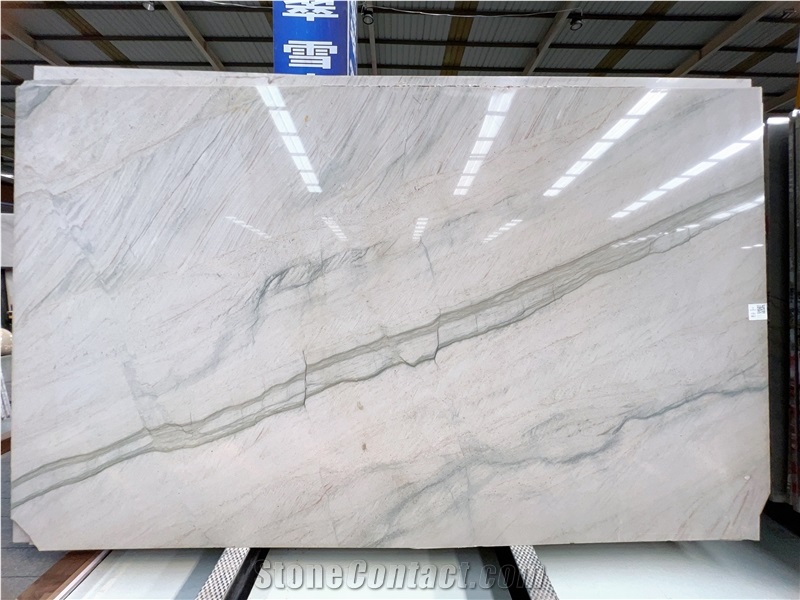
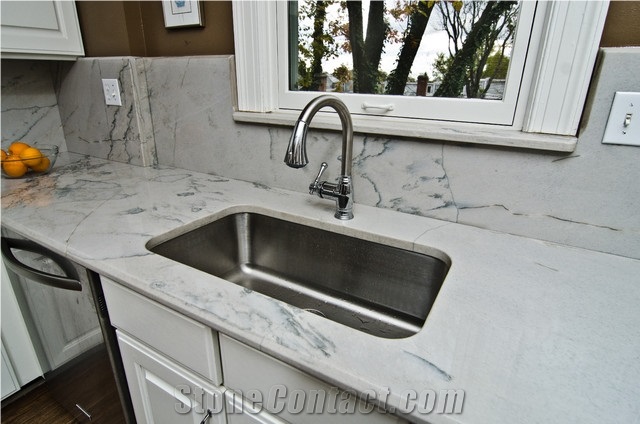
The dominant color of White Macaubas Quartzite is a crisp and clean white, which serves as the backdrop for intricate and delicate grey veining and patterns. The veins can vary in intensity, ranging from subtle wisps to bold and dramatic streaks, giving each slab a unique and captivating appearance. These natural patterns create a sense of movement and depth, adding visual interest to any space.

One of the notable characteristics of White Macaubas Quartzite is its polished and reflective surface. The stone is often finished to a high shine, enhancing its natural beauty and creating a luminous effect when light interacts with its surface. The polished finish also provides a smooth and sleek texture, contributing to the stone's overall elegance and sophistication.

White Macaubas Quartzite is highly valued for its durability and resistance to heat, scratches, and stains. It is a robust material suitable for a variety of applications, including countertops, flooring, wall cladding, and other decorative elements. Its durability makes it particularly well-suited for high-traffic areas or spaces where longevity is a priority.

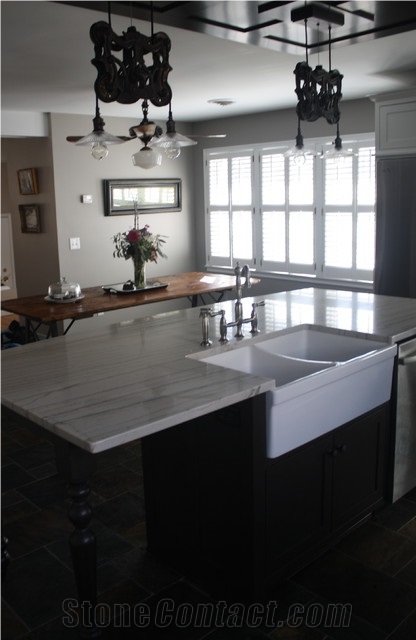
The versatility of White Macaubas Quartzite allows it to complement a range of design styles, from contemporary to traditional. Its timeless and luxurious appearance makes it a favored choice for those seeking a sophisticated and refined aesthetic in their interior design projects.

In terms of maintenance, White Macaubas Quartzite is relatively easy to care for. Regular cleaning with mild soap and water is usually sufficient to keep the surface clean and in good condition. As with any natural stone, it is recommended to avoid using abrasive or acidic cleaners that could potentially damage the surface.

In summary, White Macaubas Quartzite is a striking natural stone renowned for its white and grey coloration, intricate veining, and polished finish. Its durability, versatility, and timeless beauty make it a desirable choice for various applications, bringing an element of luxury and elegance to any space.

FAQ

How do I waterproof White Macaubas Quartzite terrace floors?

To waterproof White Macaubas Quartzite terrace floors, you can follow these steps: 1. Clean the surface: Start by thoroughly cleaning the quartzite terrace floors to remove any dirt, dust, or grime using a mild soap or stone-specific cleaner. Rinse it well and allow it to dry completely. 2. Test the sealer: Before applying the sealer to the entire terrace floor, its important to do a small test on a small, inconspicuous area of the quartzite. Follow the sealer manufacturers instructions for application and check for any discoloration or negative effects on the quartzite. 3. Choose the right sealer: Select a high-quality natural stone sealer specifically designed for quartzite surfaces. Make sure the sealer is meant for exterior use and provides water repellency and stain resistance. 4. Apply the sealer: Apply the sealer according to the manufacturers instructions. This typically involves using a paintbrush, sponge, or sprayer to evenly distribute the sealer on the surface of the quartzite. Work in small sections and avoid pooling or overlapping. 5. Allow time to cure: Allow the sealer to fully penetrate and cure on the quartzite surface. This may take several hours to a day, depending on the specific sealer. Keep the terrace floor protected from moisture and traffic during this curing period. 6. Apply additional coats (if needed): Some sealers may require multiple coats for optimal waterproofing. Follow the sealer manufacturers instructions to determine if multiple coats are necessary, and repeat the application process as directed. 7. Regular maintenance: Maintain the waterproofed quartzite terrace floors by regularly cleaning them with a gentle stone cleaner and avoiding harsh chemicals or abrasive cleaners that can erode the sealer. Inspect the floor periodically and reapply the sealer as needed to ensure continued waterproofing. Its important to note that while proper sealing can help waterproof the quartzite terrace floors, it does not make them completely impervious to water. Its still advisable to promptly clean up any spills and avoid standing water on the surface to prevent potential damage.
Read question details

How can I drill a hole in place for the faucet outlet in the White Macaubas Quartzite kitchen countertop?

Drilling a hole for a faucet outlet in a White Macaubas Quartzite kitchen countertop requires careful planning and the use of the appropriate tools. Here is a step-by-step guide to help you: 1. Gather the necessary tools and materials: You will need a drill with a diamond hole saw attachment (sized according to your faucet outlet diameter), a plumbers putty, masking tape, a spray bottle filled with water, and safety equipment (safety glasses, gloves, and a dust mask). 2. Measure and mark the hole location: Use a tape measure and a pencil to mark the center of the hole on the countertop. Make sure to double-check the marking for accuracy. 3. Secure the countertop: To prevent any accidental movement or cracking, place the quartzite countertop on a stable surface or secure it firmly with clamps. 4. Apply masking tape: Create a border around the marked hole area using masking tape. This will help protect the countertop from chipping or cracking during the drilling process. 5. Prepare the hole saw: Attach the diamond hole saw to the drill securely, following the manufacturers instructions. Make sure the hole saw size matches your faucet outlet diameter. 6. Lubricate the hole saw: Apply a small amount of plumbers putty or water-based lubricant on the hole saw. This will help reduce friction and heat buildup during drilling. 7. Start drilling: Position the hole saw over the marked hole location, ensuring that it is centered. Start the drill at a low speed and apply gentle pressure. Keep the drill perpendicular to the countertop to achieve a clean and straight hole. 8. Maintain a steady drilling pace: Drilling through quartzite may take some time. It is important to maintain a consistent drilling speed, applying even pressure. Do not rush the process or apply excessive force, as it may lead to cracking or chipping. 9. Cool the drill bit: Regularly spray water onto the hole saw while drilling to keep it cool and prevent overheating. This will also help remove debris and keep the drill bit sharp. 10. Check the progress: Pause drilling periodically to check the depth and adjust your technique if necessary. Take your time, as precision is crucial. 11. Finish the hole: Once the desired depth is reached, slowly release the pressure and remove the drill. Clean any debris from the hole and wipe the countertop surface with a damp cloth. 12. Install the faucet: Follow the manufacturers instructions to install your faucet into the newly drilled hole on the White Macaubas Quartzite countertop. Remember, drilling through natural stone countertops requires patience and caution. If you are uncertain or uncomfortable with the process, it is always best to consult a professional to avoid damaging your countertop.
Read question details

What type of abrasive should I use to polish the White Macaubas Quartzite surface?

To polish the White Macaubas Quartzite surface, you can use diamond polishing pads or sanding discs. Diamond abrasives are recommended because they are specifically designed for polishing hard stone surfaces like Quartzite. They come in various grit sizes, so you can start with a coarser grit to remove any scratches or blemishes and gradually move to finer grits for a smoother, polished finish. Always follow the manufacturers instructions and use proper safety precautions when using abrasives.
Read question details

What is the percentage of water absorption in White Macaubas Quartzite?

The water absorption of White Macaubas Quartzite is very low, typically less than 0.5%.
Read question details

Is White Macaubas Quartzite heat resistant for fireplace?

Yes, White Macaubas Quartzite is heat resistant and suitable for use as a fireplace surround or as a material for the fireplace hearth. Quartzite is a natural stone that is formed under heat and pressure, making it highly resistant to heat. It can withstand high temperatures without being damaged or cracking, making it a popular choice for fireplaces. However, it is always recommended to consult with a professional before installing any material near a fireplace to ensure proper safety measures are taken.
Read question details

Is White Macaubas Quartzite good for a fireplace?

White Macaubas Quartzite can be a good choice for a fireplace due to its durability and heat resistance. Quartzite is a natural stone that is formed from sandstone that undergoes intense heat and pressure, which results in a very hard and dense material. This makes it highly resistant to heat and therefore suitable for use around a fireplace. Additionally, White Macaubas Quartzite has a beautiful white color with grey veining, which can create an elegant and timeless look for a fireplace. It is also relatively easy to clean and maintain, making it a practical option for a high-traffic area like a fireplace. However, it is important to note that Quartzite is not completely heatproof and can still be damaged if exposed to extreme temperatures or rapid temperature changes. Therefore, it is always recommended to use fireplace-specific materials, like fire bricks or refractory tiles, in direct contact with fire to provide an added layer of protection to the White Macaubas Quartzite surface.
Read question details

Is it normal for White Macaubas Quartzite to crack?

It is not normal for White Macaubas Quartzite to crack under normal circumstances. Quartzite is a natural stone and is known for its durability and strength. However, like any natural stone, it can crack if it is subjected to excessive force or if there are pre-existing flaws or weaknesses in the stone. It is important to handle and install quartzite slabs properly to minimize the risk of cracking. Additionally, regular maintenance and care, such as avoiding extreme temperature changes and using proper cleaning products, can help prevent cracking or other damage to the stone.
Read question details

Does white White Macaubas Quartzite stain easily?

White Macaubas Quartzite is known for being a durable and stain-resistant material. However, no stone is completely immune to staining, especially if exposed to highly acidic or liquid substances for an extended period. To maintain its pristine appearance and ensure it doesnt stain easily, it is recommended to promptly clean up any spills and avoid placing hot objects directly on the surface. Additionally, properly sealing the quartzite can help protect it from potential stains.
Read question details

What causes discoloration in White Macaubas Quartzite?

There are a few factors that can cause discoloration in White Macaubas Quartzite: 1. Oxidation: Quartzite is primarily composed of quartz, which is a mineral known for its resistance to staining. However, if the quartzite contains iron particles, they can oxidize over time and lead to discoloration. The presence of iron can result in reddish-brown or yellowish stains on the surface of the quartzite. 2. Organic stains: White Macaubas Quartzite is a natural stone and can be porous. If the stone is not properly sealed, it can absorb liquids such as oils, wine, or food spills, leading to discoloration. Organic materials like food, wine, or even plants can create stains that are difficult to remove. 3. Water and mineral deposits: Water can contain minerals that, when left on the surface of the quartzite, can cause stains. These stains can be white, brown, or greenish, depending on the minerals present in the water. 4. Improper cleaning methods: Using harsh or abrasive cleaners on the surface of the quartzite can scratch or damage the stone, potentially leading to discoloration. To prevent discoloration, its important to properly seal White Macaubas Quartzite upon installation and reseal it periodically. Regular cleaning using a mild, non-abrasive cleaner is recommended, as well as promptly cleaning up any spills. Using coasters, placemats, and cutting boards can also help protect the surface.
Read question details

What edge is best for White Macaubas Quartzite countertop?

There are several options for edging a White Macaubas Quartzite countertop, and the choice ultimately depends on personal preference and the overall style of the kitchen or bathroom. However, some popular edge options for Quartzite countertops include: 1. Straight Edge: A straight edge provides a clean and contemporary look, with a straight, sharp edge. 2. Beveled Edge: This edge features a slight angled cut on the top edge of the countertop, creating an elegant and sophisticated look. 3. Eased Edge: An eased edge features a slightly rounded edge, providing a smooth and gentle appearance. 4. Bullnose Edge: This edge has a fully rounded top edge, offering a classic and timeless look. 5. Ogee Edge: An ogee edge features an S-shaped curve, providing a more intricate and decorative look. Ultimately, it is recommended to consult with a professional or visit a showroom to see samples of each edging option and determine which one complements your design vision the best.
Read question details

Products & Prices

Hot Quartzite

New Quartzite

Post Your Request

The request includes:
  1. surface finished, size
  2. quantity required