Post Your Needs

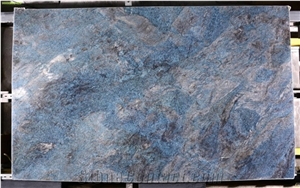
Azur Quartzite

About

Material Type:
Quartzite
Origin:
Iran (Khorasan, Mashhad)
Recommended Usage:
Kitchen and bathroom countertops, wash basins, building stone, ornamental stone, stairs, interior, exterior wall and floor applications, mosaic, waterjet pattern, wall panels, table tops, balustrades, columns, wall and pool copings, pool pavers, sculptures, fireplaces
Additional Names:
Azure Quartzite, Turquoise Blue Quartzite
Finished Surface:
Polished,Bush Hammered,Tumbled,Honed,Split,Machine Cut,Natural Surface,Combed,Leathered,Water Jet,Chiseled,Pickling

Testing

Water Absorption:
0.2–0.4% by weight (low)
Density:
2650–2700 Kg/m³
Flexural Strength:
12�C17 MPa
Compressive Strength:
150�C220 MPa

Description

Quarries: Khorasan Province, Mashhad region, northeastern Iran. Locally extracted and processed, then exported under trade names like Azur Quartzite or sometimes Turquoise Granite due to its vivid gemstone-like color.

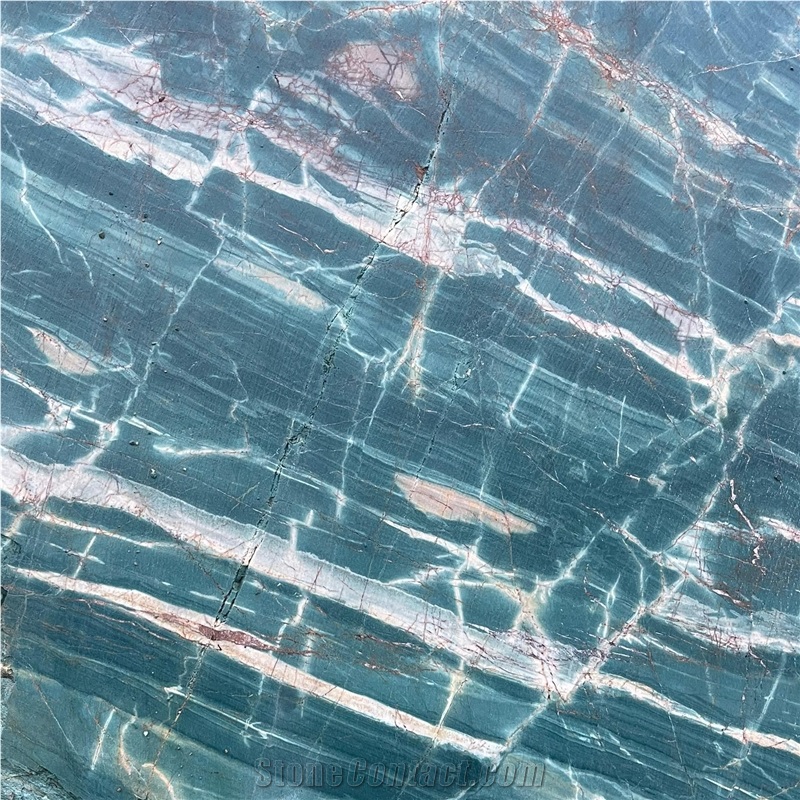
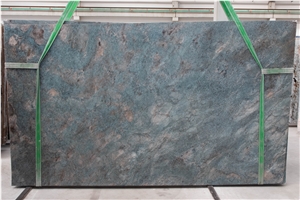
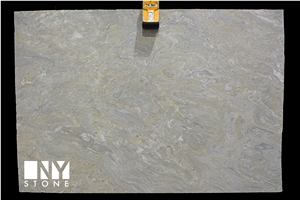
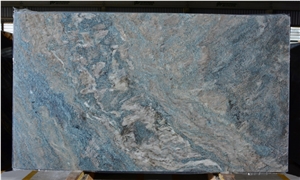
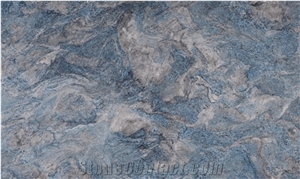
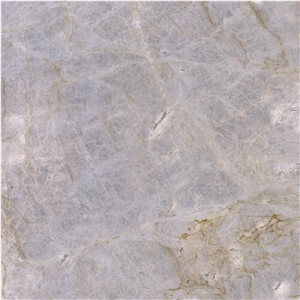
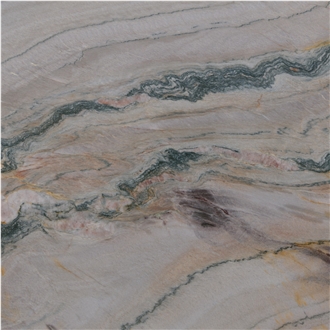
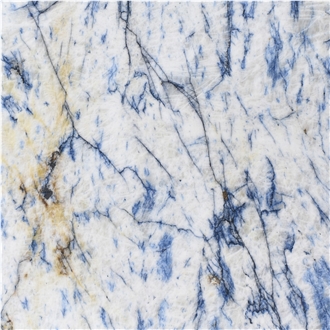
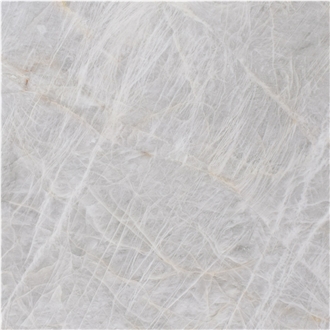
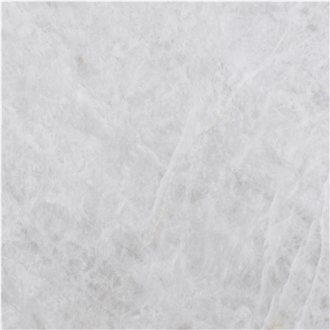
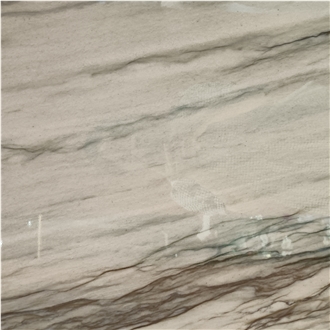
Appearance Color: Rich, vibrant blue-green tones, reminiscent of natural turquoise gemstones.

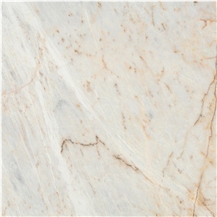
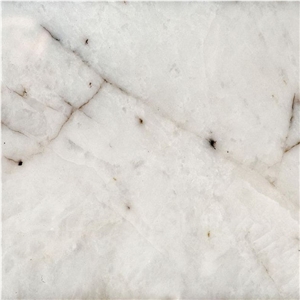
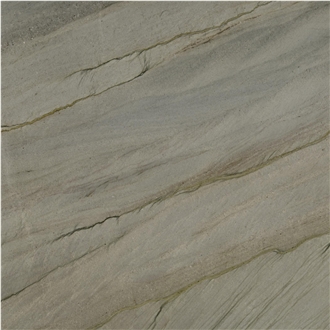
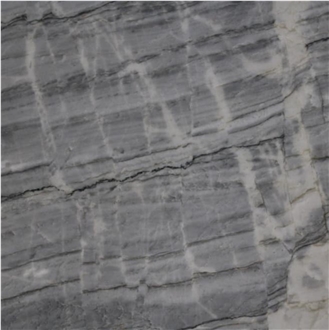
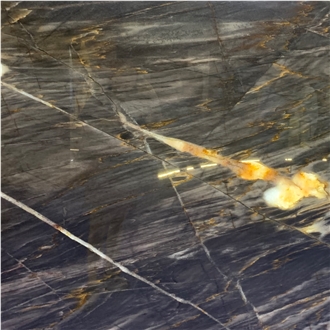
Veining & Pattern: Accented by white and cream veins, sometimes interspersed with lighter blue swirls or subtle quartz crystallizations, giving a dramatic, flowing aesthetic.

Texture: Fine- to medium-grained crystalline structure. When polished, it exhibits a glassy, reflective luster; honed surfaces show a smooth, matte elegance.

Technical Characteristics

Mechanical Properties

  • Mohs Hardness : ~7 (high scratch resistance)
  • Compressive Strength : ~150–220 MPa (dry) 
  • Flexural Strength : ~12–17 MPa
  • Water Absorption : ~0.2–0.4% by weight (low)
  • Density / Specific Gravity : ~2.65–2.7 g/cm³

Chemical & Mineral Composition (% by weight)

  • SiO₂ (Quartz) : ~93–97%
  • Al₂O₃ : ~1–2%
  • Fe₂O₃ : ~0.8–1.5%
  • CaO : ~0.5–1%
  • MgO, Na₂O, K₂O : trace to ~0.5%
  • Others (mica, feldspar, trace chlorite, tourmaline) : <1–2%

Mineralogy: Dominantly quartz interlocked with minor feldspar and occasional mica or accessory minerals. This dense interlocking gives it a granite-like toughness, despite technically being a quartzite.

Typical Sizes & Surface Finishes

Cutting Sizes

Slabs: 2 cm and 3 cm thick

Typical dimensions: ~280×160 cm to ~320×200 cm (depends on block quality)

Tiles & Cut-to-size: 30×30 cm, 60×60 cm, 60×120 cm, 80×80 cm, or custom panels

Finishes

Polished: High-gloss, brings out the vivid blue-green and crystal reflections.

Honed: Smooth, matte surface, softens color intensity.

Leathered / Satin: Lightly textured, reduces glare, tactile feel.

Brushed / Flamed: For exterior paving or anti-slip surfaces.

Usage & Applications

Interior:

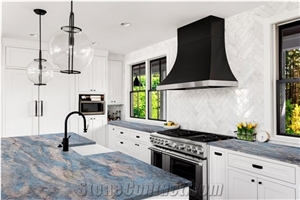
  • Luxury countertops, vanity tops, kitchen islands
  • Wall cladding, feature walls, fireplaces
  • Bathroom panels & shower walls

Exterior:

  • Facades, columns, landscaping features
  • Pool coping & surrounds (due to low water absorption)
  • Other: Tabletops, bespoke furniture, stair treads & risers

Maintenance

Sealing: Though quartzite is generally non-porous, sealing is recommended annually to protect against stains (especially oils & wine).

Cleaning: Use pH-neutral stone cleaners. Avoid acidic or harsh cleaners that might dull the polish over time.

Durability: Excellent scratch & heat resistance; better than marble and many granites. Still recommend trivets for very hot pots.

Highlights

  • Turquoise gemstone look: stunning focal point for luxury interiors.
  • Hardness ~7 Mohs: more durable than many granites & marbles.
  • Low absorption: suitable for kitchens, baths, and exteriors.
  • Versatile finishes & sizes: easily customized for both modern & classic designs.

Azur Quartzite (Turquoise Granite) from Mashhad, Iran, is prized for its striking blue-green coloration with white veining, offering a unique, high-end alternative to both marble and traditional granites. It combines the best of beauty (like onyx or turquoise) with exceptional durability, making it ideal for upscale residential & commercial applications.

FAQ

Can Azur Quartzite be used for stair steps?

Yes, Azur Quartzite can be used for stair steps. Quartzite is a durable and hard natural stone that is resistant to abrasion, making it suitable for high-traffic areas such as stair steps. Azur Quartzite, with its attractive blue and gray tones, can also add aesthetic appeal and elegance to staircases. When using quartzite for stairs, it is important to ensure that the surface is finished to prevent slipping, especially in areas that might get wet. Sealing the stone periodically can help protect it from stains and wear. Always consult with a professional to ensure proper installation and maintenance.
Read question details

Do fruit juices stain the surface of Azur Quartzite kitchen countertop?

Azur Quartzite is a durable and hard natural stone that is typically more resistant to staining and scratching than many other types of countertops, such as marble. However, it is still a natural stone, and like most natural stones, it can be susceptible to some staining, particularly from acidic substances. Fruit juices, especially those that are acidic like lemon, orange, or tomato, might have the potential to cause stains or etching if left on the surface for an extended period. Heres what you can do to maintain your Azur Quartzite countertop: 1. **Seal the Surface:** Ensure your quartzite countertop is properly sealed. A good sealant can help protect the stone from absorbing liquids and can significantly reduce the risk of staining. 2. **Clean Spills Promptly:** Wipe up spills as soon as they occur to prevent the juice from sitting on the surface for long periods. 3. **Use Cleaning Products for Natural Stone:** Opt for pH-neutral cleaners specifically designed for natural stone. 4. **Regular Maintenance:** Regularly clean and reseal your countertop according to the manufacturers instructions to maintain its resistance to stains. Even though Azur Quartzite is relatively resistant, taking preventative measures is important to preserve the look and durability of your countertop.
Read question details

What type of abrasive should be used to polish the Azur Quartzite surface?

Polishing Azur Quartzite, like other natural stones, requires a careful approach to preserve its beauty and integrity. Typically, a series of diamond abrasives are used for polishing quartzite surfaces. Here��s a general guideline: 1. **Diamond Pads**: Start with coarser grit diamond pads (e.g., 100 or 200 grit) to remove any deep scratches or surface imperfections. Progressively move to finer grits (e.g., 400, 800, 1500, and 3000 grit) for a smooth and polished finish. 2. **Polishing Powder or Paste**: After using diamond pads, a polishing compound specifically designed for natural stones can be applied. These compounds often contain fine abrasives like tin oxide or aluminum oxide and work well to enhance the natural sheen of quartzite. 3. **Buffing Pads**: Finally, using a white buffing pad can help achieve the high-gloss finish. It is crucial to ensure that the materials and equipment used are suitable for quartzite to avoid scratching or damaging the surface. If you are unsure, consulting with a professional stone care specialist is highly recommended.
Read question details

Is 3cm thick Azur Quartzite durable enough for use as walkway pavers?

Using 3 cm thick Azur Quartzite for walkway pavers can be a good choice due to quartzites general characteristics. Quartzite is known for being a hard and durable natural stone, which makes it well-suited for outdoor applications such as walkways. Its hardness helps it resist scratching, and it is also resistant to weathering and erosion, making it a popular material for outdoor use. However, several factors should be considered to ensure its suitability: 1. **Substrate and Installation**: Proper installation is crucial for durability. The underlying substrate should be well-prepared, stable, and capable of supporting the stone. A professional installer can ensure the stone is properly anchored to avoid shifting and cracking. 2. **Traffic Load**: Consider the expected traffic on the walkway. Quartzite can typically handle pedestrian traffic well, but if you anticipate heavier loads (such as vehicles), thicker stones or additional structural support may be necessary. 3. **Finish and Slip Resistance**: Ensure that the finish of the quartzite provides adequate slip resistance, especially when used in outdoor or wet environments. 4. **Sealing and Maintenance**: To help protect the stone from stains and environmental damage, consider applying a high-quality sealant. Regular maintenance will also help preserve its appearance and longevity. Overall, 3 cm thick Azur Quartzite can be suitable for walkway pavers if installed and maintained appropriately. Always consult with a professional to assess your specific needs and local conditions.
Read question details

Does the surface of Azur Quartzite scratch easily?

Azur Quartzite, like other types of quartzite, is generally known for its hardness and durability. Quartzite is actually one of the harder natural stones, ranking around a 7 on the Mohs scale of mineral hardness, where diamond ranks at 10. This means that quartzite is more resistant to scratching compared to softer stones like marble, which typically ranks around 3-5 on the Mohs scale. However, while quartzite is quite resistant to scratches, it is not entirely scratch-proof. It can still be scratched by substances with equal or higher hardness, such as certain ceramics or metals. Additionally, as with any natural stone surface, the finish and sealant can also play a role in its susceptibility to scratching and staining. To maintain the surface of Azur Quartzite, it��s a good idea to use cutting boards, trivets, and appropriate cleaners to minimize the risk of damage. Regular maintenance and sealing can also help protect the surface.
Read question details

Can glossy polished Azur Quartzite be used for pool coping?

Glossy polished Azur Quartzite can technically be used for pool coping, but there are a few important considerations to keep in mind: 1. **Slip Resistance**: Polished surfaces are generally more slippery when wet, which can be a safety hazard around a pool. It might be better to opt for a honed or brushed finish to increase slip resistance. 2. **Durability**: Quartzite is a very hard and durable natural stone, making it suitable for exterior use, including pool areas, as it can withstand harsh weather conditions. 3. **Maintenance**: Polished surfaces may show water spots, etches, and other wear more readily than honed or textured finishes. Regular sealing and maintenance may be necessary to keep it looking its best. 4. **Aesthetics**: The glossy finish can enhance the stones natural colors and veining, providing a luxurious look. However, verify that the style matches the overall design of the pool and surrounding area. 5. **Installation**: Ensure proper installation to avoid issues like water seepage, which could affect the stones longevity and appearance. Overall, while polished Azur Quartzite can be used for pool coping, ensuring adequate slip resistance and considering maintenance needs are key factors.
Read question details

Can Azur Quartzite be used as a kitchen countertop?

Yes, Azur Quartzite can be used as a kitchen countertop. Quartzite is a natural stone known for its durability and resistance to heat and scratches, making it a suitable material for kitchen countertops. Azur Quartzite, specifically, offers a unique and attractive appearance with its striking patterns and colors, which can enhance the aesthetic of your kitchen. However, like all natural stones, it requires regular sealing to prevent staining and should be maintained properly to keep it looking its best. Its also important to select a high-quality quartzite and work with a reputable supplier and installer to ensure the best results.
Read question details

How can I maintain Azur Quartzite flooring?

Maintaining Azur Quartzite flooring involves several steps to ensure its longevity and beauty. Quartzite is a natural stone, similar in appearance to marble, but more durable and scratch-resistant. Heres how you can care for it: 1. **Regular Cleaning:** - **Sweeping/Dusting:** Use a soft-bristle broom or a dust mop to remove dust and debris regularly. This helps prevent scratches from dirt particles. - **Mopping:** Use a damp mop with warm water for routine cleaning. Ensure the mop is well wrung out to avoid excess water, as standing water should be minimized. - **pH-Neutral Cleaner:** For deeper cleaning, use a pH-neutral cleaner specifically designed for natural stone. Avoid acidic or alkaline cleaners, which can damage the surface. 2. **Stain Prevention:** - **Sealant:** Ensure your quartzite flooring is properly sealed. Quartzite is more porous than some other stones, and sealing provides a barrier against stains. Reseal every 1-2 years or as recommended by the manufacturer. - **Immediate Wipe-Up:** Blot spills immediately with a soft cloth or paper towel to prevent potential staining, especially if the spill is acidic (e.g., wine, lemon juice). 3. **Avoid Abrasive Materials:** - **Non-Abrasive Cloths:** Always use non-abrasive cloths or sponges for cleaning to prevent scratching. - **Rugs/Mats:** Place rugs or mats in high-traffic areas or entryways to minimize dirt and movement. Make sure they have non-slip backings that dont scratch the surface. 4. **Professional Care:** - **Polishing:** Over time, the sheen of quartzite flooring may dull. Consider periodic professional polishing to restore its natural shine. - **Repairs and Restoration:** If you face stubborn stains or significant damage, consult a professional stone care expert. 5. **Regular Inspection:** - Examine the flooring periodically for chips, cracks, or grout issues and address them promptly to prevent further damage. By following these guidelines, you should be able to maintain the beauty and durability of your Azur Quartzite flooring for many years.
Read question details

Is Azur Quartzite a suitable choice for facades in cold winter climates?

Azur Quartzite can be a suitable choice for facades in cold winter climates, but several factors need to be considered to ensure its suitability and longevity. Quartzite is a natural stone known for its durability and resistance to weathering, making it generally a good choice for exterior applications. However, specific considerations for using Azur Quartzite or any natural stone in cold climates include: 1. **Frost Resistance**: Ensure that the stone is frost-resistant. Quartzite typically has low water absorption rates, reducing the risk of freeze-thaw damage, but it is essential to verify this characteristic for the specific variety and sourcing of Azur Quartzite. 2. **Surface Finish**: The surface finish can impact the stones performance. A honed or textured finish may be better suited for exterior use as it can provide better traction and minimize the risk of slipping when wet or icy. 3. **Sealant Application**: Applying a high-quality sealant can help protect the stone from moisture penetration and stains, which is especially important in climates with frequent freeze-thaw cycles. 4. **Installation Method**: Proper installation is crucial. Using appropriate anchors, brackets, and joint sealants designed for cold weather conditions can help accommodate any expansion or contraction due to temperature changes. 5. **Maintenance**: Regular maintenance, including cleaning and resealing as needed, can help preserve the stones appearance and structural integrity over time. 6. **Local Climate Considerations**: Consult with a local architect or engineer who has experience with building materials in cold climates to ensure that the specific conditions of your location are taken into account. By addressing these factors, Azur Quartzite can be a beautiful and durable choice for facades in regions with cold winters.
Read question details

Products & Prices

Hot Quartzite

New Quartzite

Post Your Request

The request includes:
  1. surface finished, size
  2. quantity required