Post Your Needs

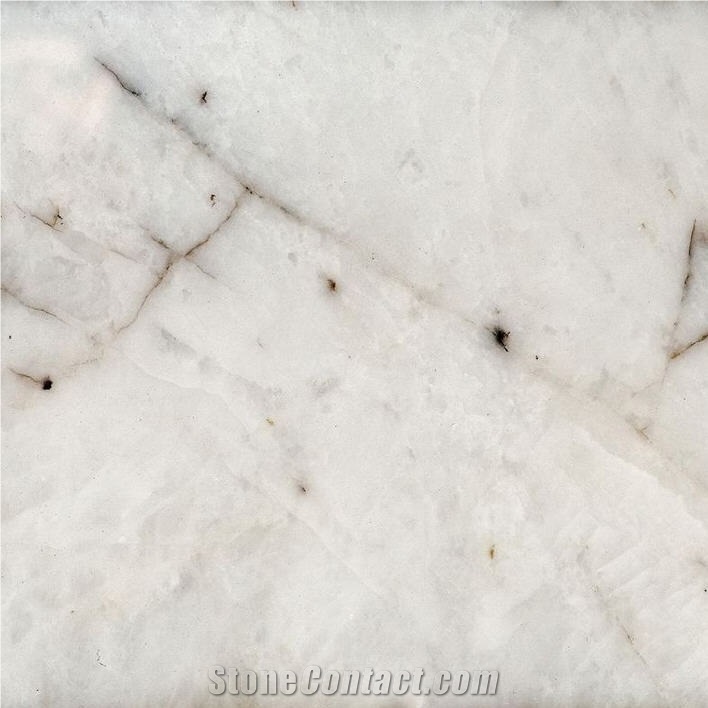
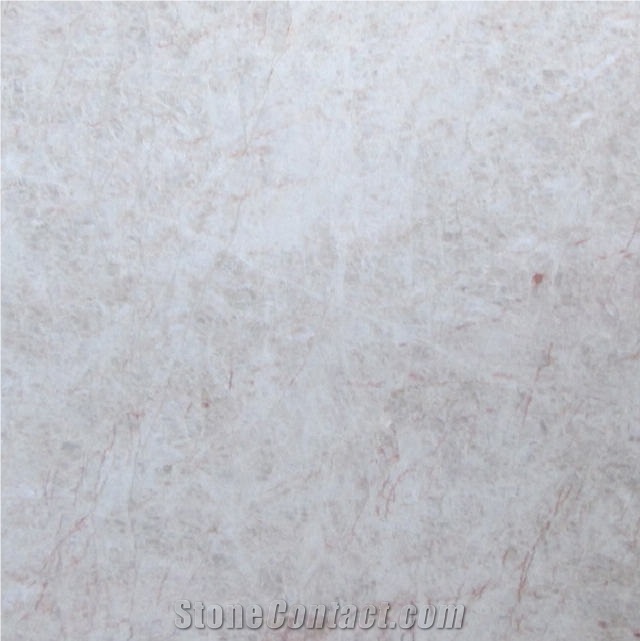
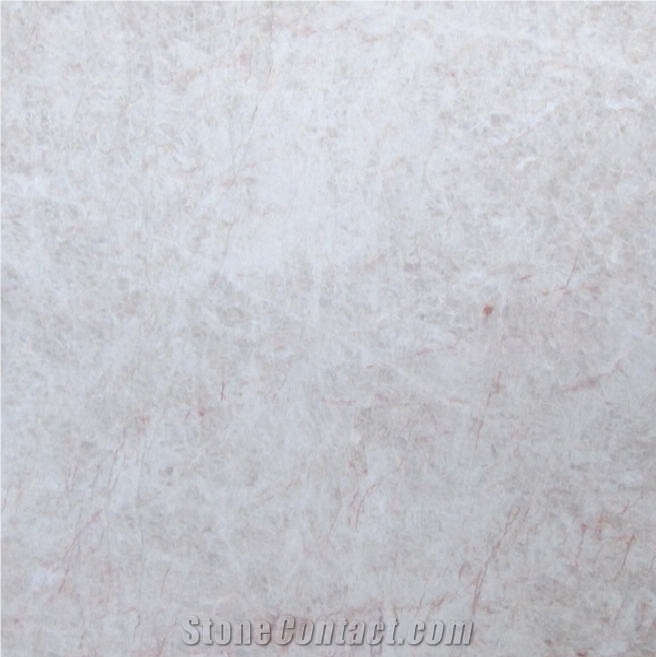
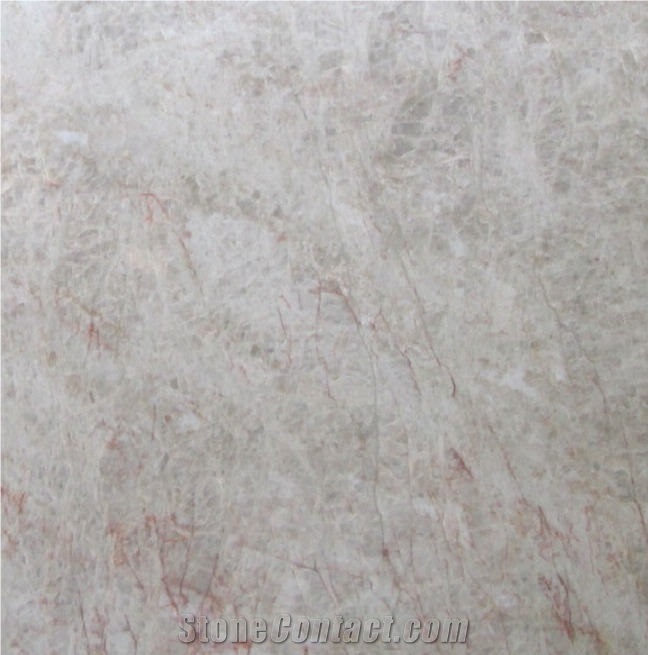
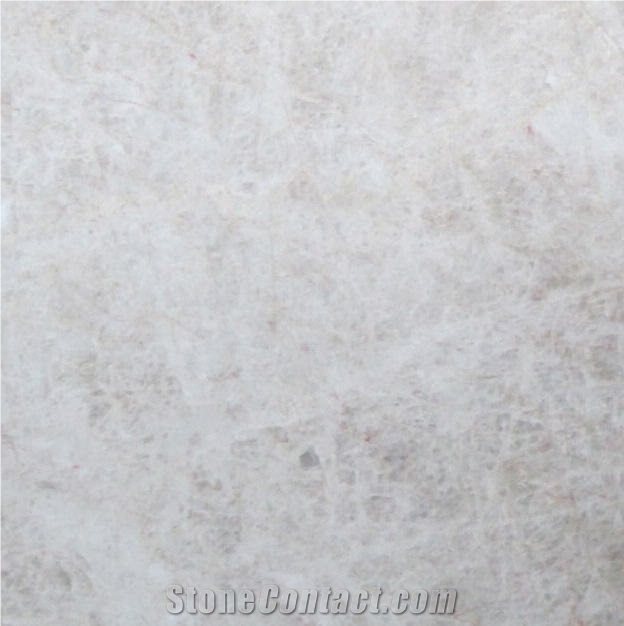
Iceberg Quartzite

About

Material Type:
Quartzite
Origin:
Brazil
Primary Color(s):
White
Recommended Usage:
kitchen and bathroom countertops, monuments, building stone, ornamental stone, stairs, interior, exterior wall and floor applications, mosaic, waterjet pattern, balustrades, fireplaces, columns
Additional Names:
Iceberg White Quartzite, Ice Flake Quartzite, Cristallo Iceberg Quartzite, Iceberg Quartzite
Finished Surface:
Polished,Bush Hammered,Tumbled,Brushed,Honed,Split,Machine Cut,Natural Surface,Sandblasted,Acid Washing,Combed,Leathered,Water Jet,Filled,Chiseled,Pickling

Description

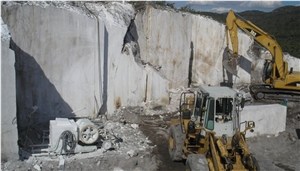
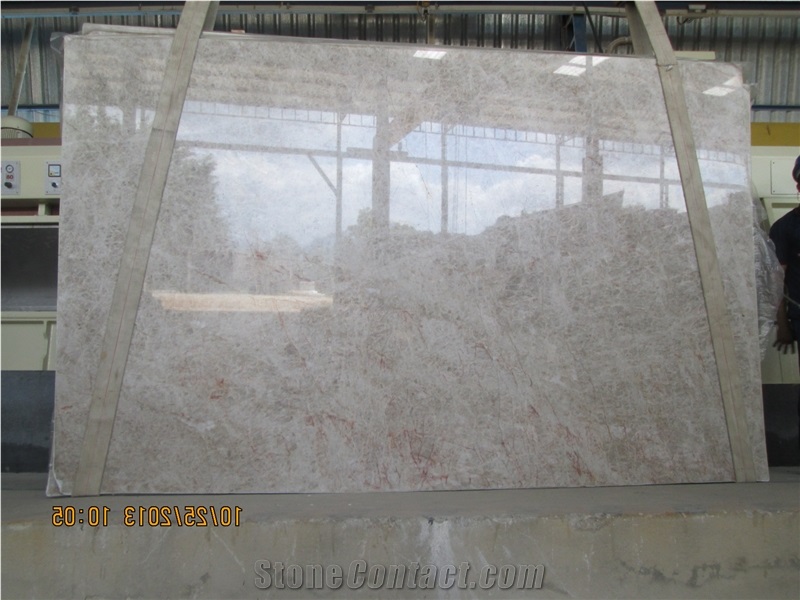
Iceberg Quartzite is a beautiful and durable natural stone known for its striking appearance and versatility. It is a type of quartzite, which is a metamorphic rock formed from sandstone under high heat and pressure. Iceberg Quartzite is quarried in various locations around the world, including Brazil and India.

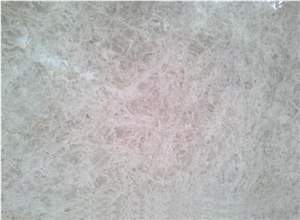
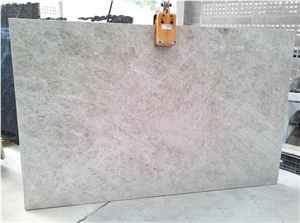
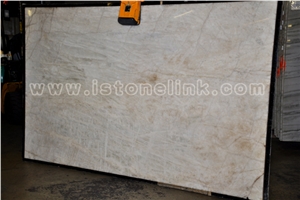
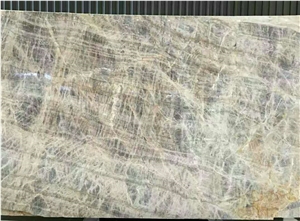
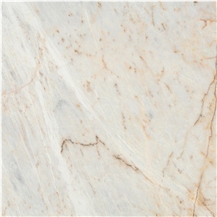
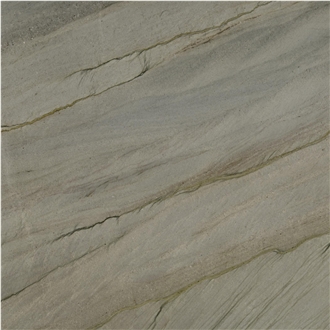
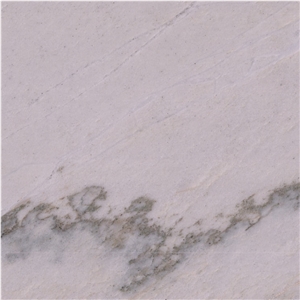
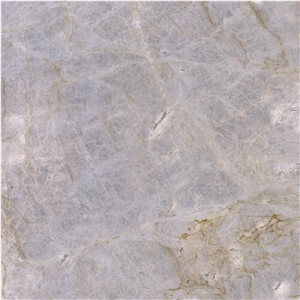
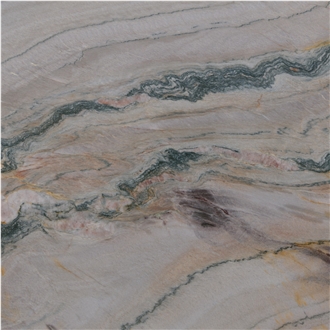
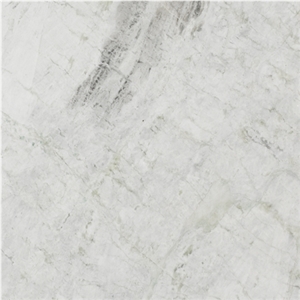
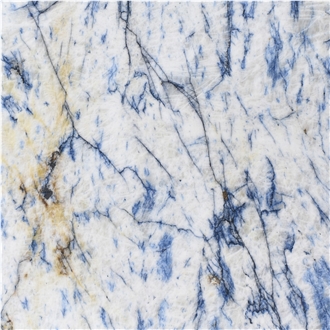
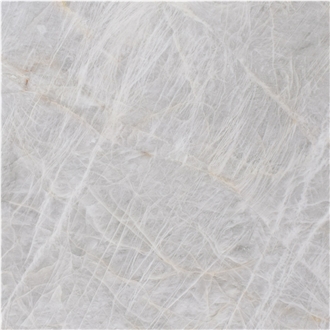
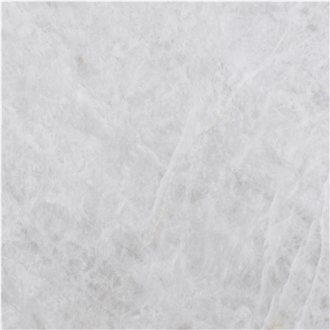
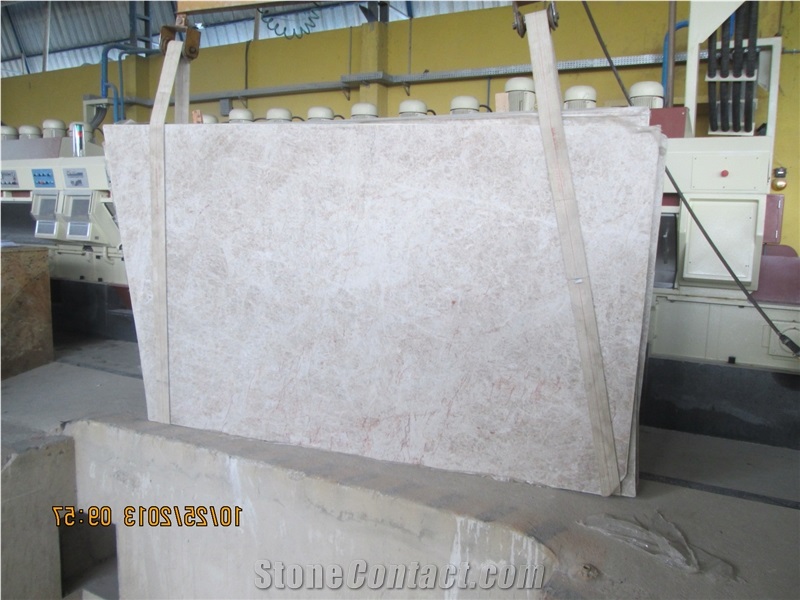
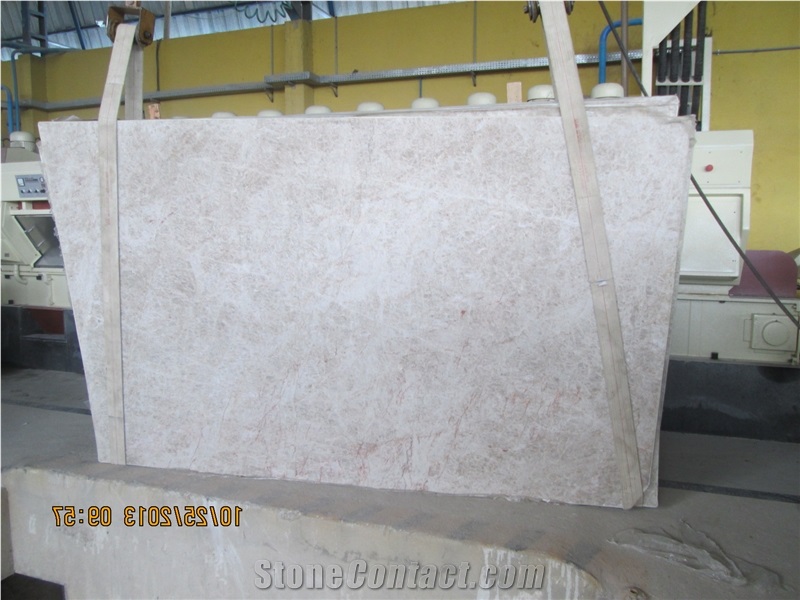
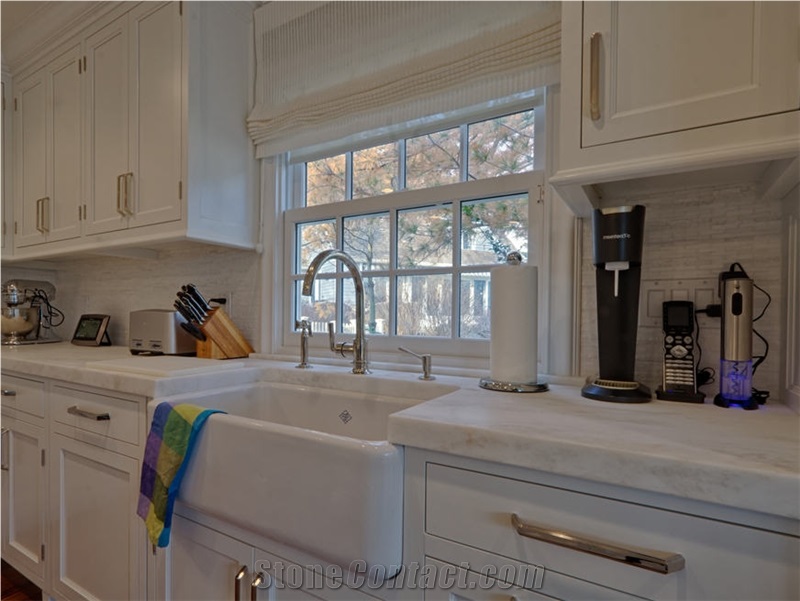
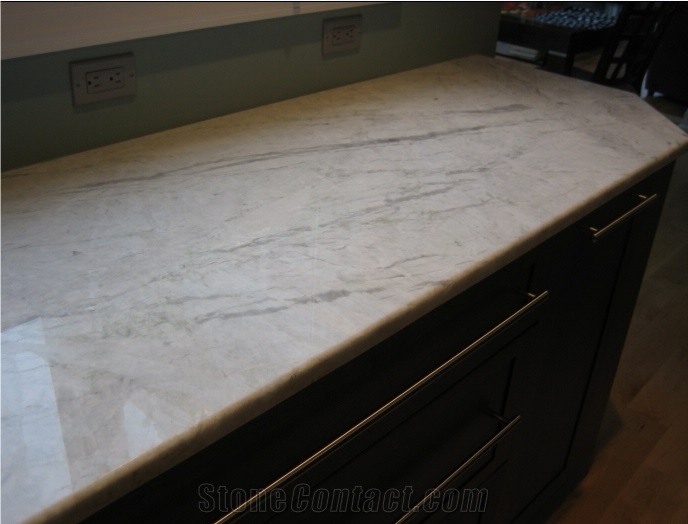
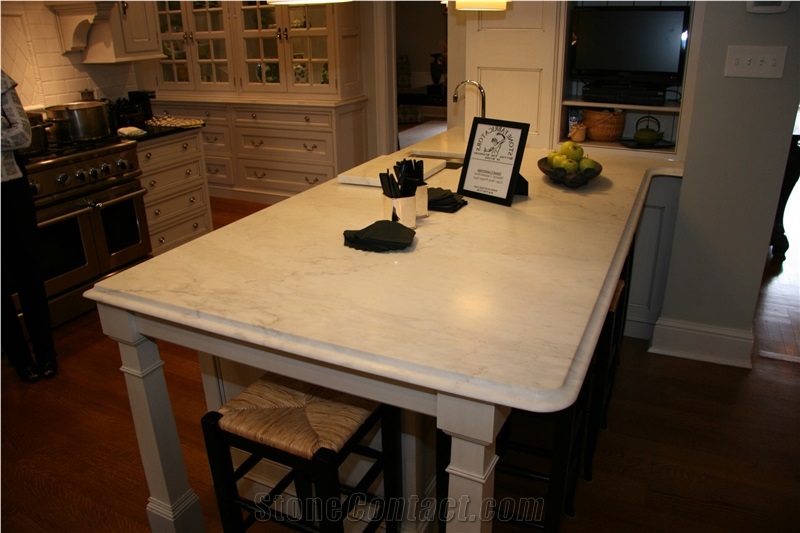
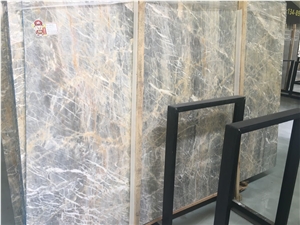
Iceberg Quartzite features a predominantly white or off-white color with delicate veins and subtle patterns. Its appearance is reminiscent of frozen ice, hence the name. The stone often displays a soft, translucent quality, creating a sense of depth and dimension. The veining can vary in color, ranging from gray and beige to subtle hints of blue or green, further enhancing its visual appeal.

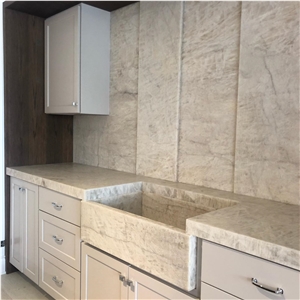
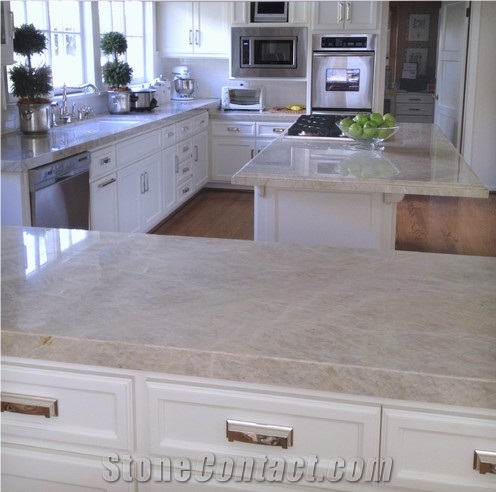
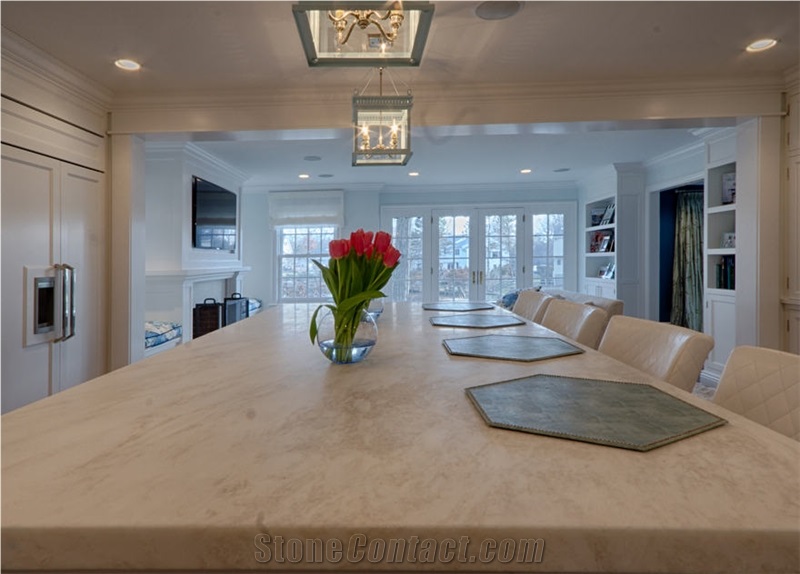
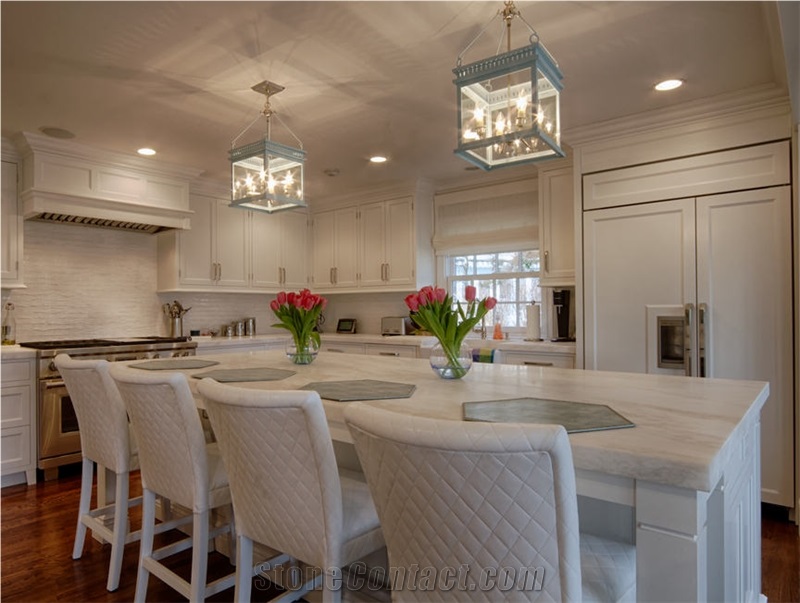
The unique beauty of Iceberg Quartzite makes it a popular choice for a wide range of applications. It is commonly used for countertops, backsplashes, wall cladding, flooring, and other interior and exterior surfaces. Its neutral color and elegant veining allow it to blend seamlessly with various design styles, from contemporary to traditional.

Iceberg Quartzite is highly regarded for its durability and hardness. It is a dense and strong stone that can withstand heavy use and is resistant to heat, scratches, and stains. This makes it suitable for both residential and commercial installations, ensuring its longevity and performance over time.

When it comes to maintenance, Iceberg Quartzite is relatively low-maintenance. It is resistant to etching and does not require sealing like some other natural stones. Regular cleaning with mild soap and water is usually sufficient to keep the surface clean and free from debris. However, it is always recommended to follow the specific care instructions provided by the manufacturer or supplier.

Iceberg Quartzite offers a stunning and timeless option for those seeking a natural stone with a pristine and icy appearance. Its white color, delicate veining, and durability make it a popular choice for enhancing the beauty of any space. Whether used as countertops or in other applications, Iceberg Quartzite adds an element of elegance and sophistication that elevates the overall aesthetic of the environment.

FAQ

What are the physical properties of Iceberg Quartzite?

Iceberg Quartzite is a type of metamorphic rock that has several distinct physical properties. Some of the key physical properties of Iceberg Quartzite include: 1. Hardness: Iceberg Quartzite is a very hard rock and has a high rating on the Mohs scale of hardness. It typically ranges from 7 to 8 on the scale, making it quite durable and resistant to scratch and abrasion. 2. Texture: Iceberg Quartzite has a smooth and granular texture. It is composed mainly of quartz grains that are tightly interlocked, giving it a fine-grained appearance. The stone may also display some veining or banding patterns due to the presence of other minerals. 3. Color: Iceberg Quartzite is predominantly white or off-white in color, with varying shades of grey and sometimes hints of blue or green. The color is typically uniform throughout the rock, although some variations in tone and intensity can occur. 4. Luster: Iceberg Quartzite has a moderate to high luster. When polished, it can exhibit a glossy and reflective surface that adds to its aesthetic appeal. 5. Density: Iceberg Quartzite is a relatively dense rock with a higher density than many other types of stone. This density makes it heavy and strong, making it suitable for various construction and architectural applications. 6. Porosity: Iceberg Quartzite is a low-porosity rock, meaning it has very low water absorption capacity. This characteristic makes it highly resistant to water damage and staining, making it suitable for use in wet environments such as kitchens and bathrooms. 7. Heat Resistance: Iceberg Quartzite has excellent heat resistance properties. It can withstand high temperatures without significant damage, making it suitable for use as a countertop material near stovetops or hot surfaces. 8. Durability: Iceberg Quartzite is well-known for its durability, strength, and resistance to weathering. It can withstand the forces of nature and endure exposure to the elements, making it suitable for both indoor and outdoor applications. Overall, Iceberg Quartzite possesses a unique combination of physical properties that make it a sought-after material for various applications, including countertops, flooring, wall cladding, and decorative purposes.
Read question details

What type of edge profile should I select for an Iceberg Quartzite kitchen countertop?

There are several edge profiles you can choose for an Iceberg Quartzite kitchen countertop, depending on your personal preference and the overall style of your kitchen. Here are a few popular options: 1. Straight Edge: A straight edge profile offers a clean and modern look, with sharp, straight lines that create a sleek appearance. 2. Beveled Edge: A beveled edge adds an angled cut to the top and bottom edges of the countertop, creating a subtle and stylish detail. 3. Eased Edge: An eased edge profile features slightly rounded edges, providing a smooth and comfortable feel while maintaining a contemporary look. 4. Bullnose Edge: A bullnose edge profile has a fully rounded top and bottom edge, giving a soft and classic look to the countertop. 5. Ogee Edge: An ogee edge profile is an ornate option that adds a decorative S-shaped curve to the edge, creating an elegant and sophisticated appearance. Ultimately, the choice of edge profile depends on your personal aesthetic preferences and the desired style of your kitchen. Consider the overall design and feel you want to achieve, and select an edge profile that complements your Iceberg Quartzite countertop and the rest of your kitchen decor.
Read question details

If I place a hot pan on Iceberg Quartzite, will it leave a mark?

Iceberg Quartzite is a natural stone with good heat resistance, but it is not completely immune to the effects of extreme heat. Placing a hot pan directly on the surface of the quartzite could potentially cause a thermal shock, which may lead to the stone cracking or being damaged. It is always recommended to use trivets or hot pads to protect the quartzite surface from direct heat exposure.
Read question details

Does Iceberg Quartzite scratch easily and break?

Iceberg Quartzite is a natural stone that is known for its durability. It is much harder than materials like marble and is less prone to scratches and breakage. However, it is important to note that no material is completely scratch or break-proof. While Iceberg Quartzite is resilient, it can still develop scratches and chips if subjected to significant force or sharp objects. As with any natural stone, it is essential to practice proper maintenance and care to preserve its appearance and longevity.
Read question details

How can I clean an Iceberg Quartzite kitchen countertop?

To clean an Iceberg Quartzite kitchen countertop, follow these steps: 1. Remove all items and debris from the countertop surface. 2. Wipe the surface with a soft, damp cloth or sponge to remove any loose dirt or dust. 3. Create a cleaning solution by mixing a mild, non-abrasive dish soap with warm water in a bucket or sink. Avoid using harsh chemical cleaners or abrasive cleaning products that can damage the quartzite. 4. Dip a soft cloth or non-abrasive sponge into the cleaning solution and wring out any excess liquid. 5. Gently wipe the countertop surface using small, circular motions. Pay attention to any stained or dirty areas, applying a bit more pressure if necessary. 6. Rinse the cloth or sponge frequently in clean water and continue wiping until the entire countertop is cleaned. 7. After cleaning, thoroughly rinse the countertop with clean water to remove any soap residue. 8. Dry the countertop with a soft, clean cloth or towel to prevent water spots or streaks. 9. For deeper stains or stubborn dirt, you can use a non-abrasive stone cleaner specifically designed for quartzite. Follow the instructions on the cleaner and test it on a small, inconspicuous area first to ensure it does not damage or discolor the stone. 10. To maintain the luster and shine of the quartzite countertop, you can use a stone polish specifically formulated for quartzite. Follow the instructions on the polish and apply it periodically to keep the countertop looking its best. Remember to wipe up spills immediately and avoid using abrasive scrubbers or cleaning tools that can scratch the surface. By following these steps and regular maintenance, you can keep your Iceberg Quartzite kitchen countertop clean and beautiful.
Read question details

Is Iceberg Quartzite good for commercial countertops?

Yes, Iceberg Quartzite is a durable and high-quality natural stone that is often used for commercial countertops. It has a beautiful appearance, with a white background and streaks of gray and blue, making it an attractive choice for many commercial spaces. Additionally, Iceberg Quartzite is highly resistant to heat, scratches, and stains, making it a practical and low-maintenance option for busy commercial environments.
Read question details

Is Iceberg Quartzite durable for use as garden steps?

Yes, Iceberg Quartzite is durable and can be used for garden steps. Quartzite is a dense and hard natural stone that is known for its durability and resistance to wear and tear. It is also resistant to weathering, making it suitable for outdoor applications. When choosing the right material for garden steps, its important to consider the hardness, durability, and slip resistance of the stone, and Iceberg Quartzite meets these requirements. However, its always recommended to consult with a professional stonemason or supplier to ensure proper installation and maintenance of garden steps.
Read question details

Which is most expensive quartz or Iceberg Quartzite?

Iceberg Quartzite tends to be more expensive than regular quartz. Quartzite is a natural stone that is harder and more durable than quartz, which is an engineered stone made from quartz particles and resin. The rarity and unique beauty of Iceberg Quartzite result in higher prices compared to quartz.
Read question details

How much is a slab of Iceberg Quartzite?

The price of a slab of Iceberg Quartzite can vary depending on its size, quality, and supplier. On average, you can expect to pay anywhere between $60 to $100 per square foot for Iceberg Quartzite slabs. However, its always recommended to contact local suppliers or visit their websites to get precise pricing information as it may vary in different locations.
Read question details

Can Brazil's Iceberg Quartzite be used in landscaping?

Yes, Brazils Iceberg Quartzite can be used in landscaping. Quartzite is a durable and hard natural stone that is known for its beautiful appearance and various uses in construction and decoration. Its unique grain patterns and colors make it a popular choice for landscaping projects such as pathways, patios, pool decks, retaining walls, and garden features. Iceberg Quartzite, specifically, has a predominantly white color with veins of gray and blue, resembling the look of an iceberg, which can add an elegant and modern touch to outdoor spaces.
Read question details

Products & Prices

Hot Quartzite

New Quartzite

Post Your Request

The request includes:
  1. surface finished, size
  2. quantity required