


Stone Reliefs, Etching
(1,245)Have PricesCategories:
Material:
Color:
Suppliers: China(1006)
 India(44)
 Indonesia(27)
 Turkey(27)
 United States(22)
 Greece(15)
 Egypt(12)
 Italy(12)
 Portugal(8)
 United Kingdom(7)
 France(6)
 Spain(5)
 Viet Nam(5)
 Iran(4)
 Lebanon(4)
 Poland(4)
 Romania(4)
 Montenegro(3)
 Australia(2)
 Canada(2)
 Latvia(2)
 Malaysia(2)
 Palestine(2)
 United Arab Emirates(2)
 Armenia(1)
 Azerbaijan(1)
 Belgium(1)
 Germany(1)
 Hong Kong(1)
 Israel(1)
 Malta(1)
 Netherlands(1)
 North Macedonia(1)
 Pakistan(1)
 Qatar(1)
 Saudi Arabia(1)
 Serbia(1)
 Slovenia(1)
 Sri Lanka(1)
 Switzerland(1)
 Taiwan(1)
 Thailand(1)
China(1006)India(44)Indonesia(27)Turkey(27)United States(22)Greece(15)Egypt(12)Italy(12)Portugal(8)United Kingdom(7)France(6)Spain(5)Viet Nam(5)Iran(4)Lebanon(4)Poland(4)Romania(4)Montenegro(3)Australia(2)Canada(2)Latvia(2)Malaysia(2)Palestine(2)United Arab Emirates(2)Armenia(1)Azerbaijan(1)Belgium(1)Germany(1)Hong Kong(1)Israel(1)Malta(1)Netherlands(1)North Macedonia(1)Pakistan(1)Qatar(1)Saudi Arabia(1)Serbia(1)Slovenia(1)Sri Lanka(1)Switzerland(1)Taiwan(1)Thailand(1)




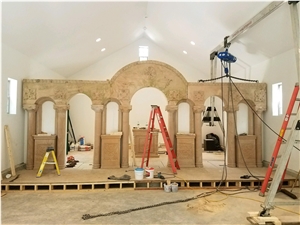
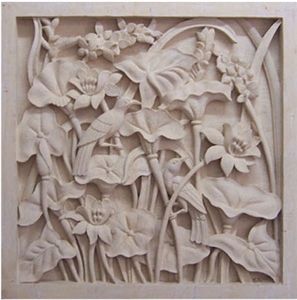
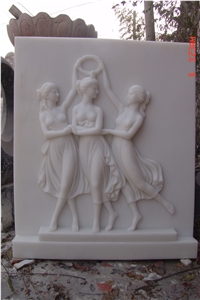
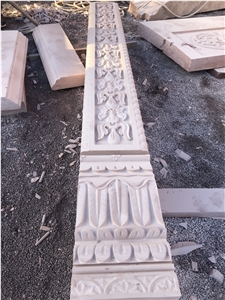

About Stone Reliefs, Etching:
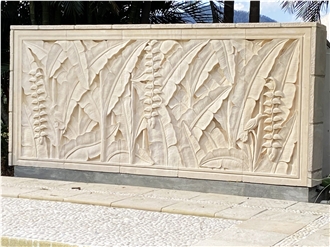
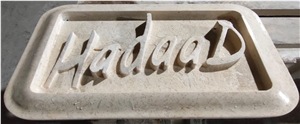
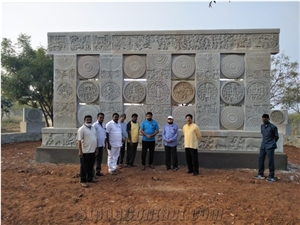
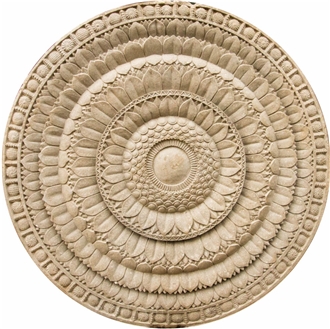
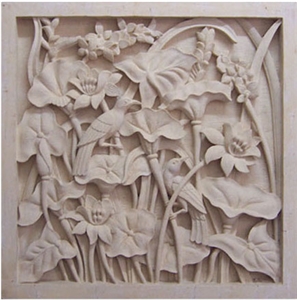
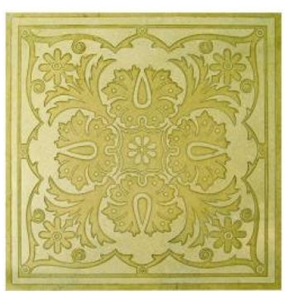
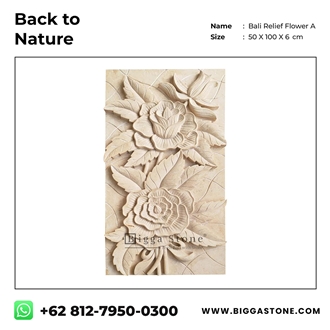
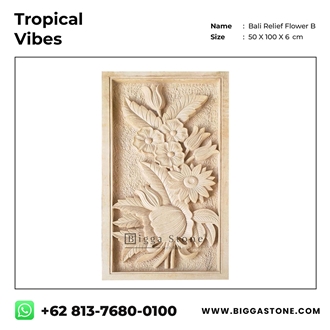
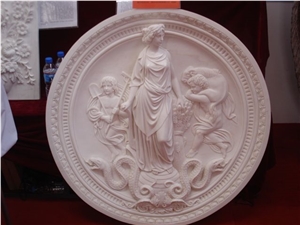
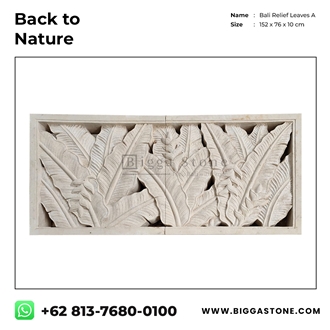
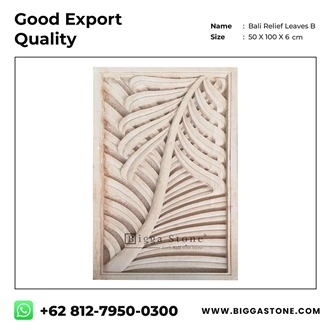
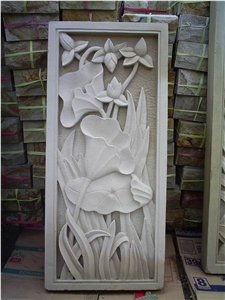
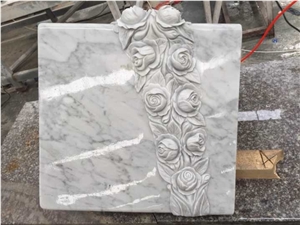
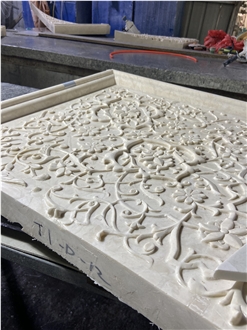
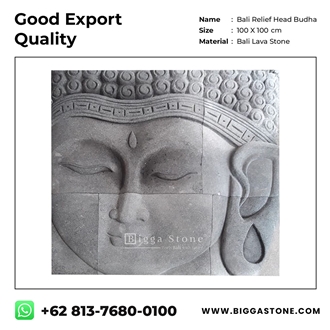
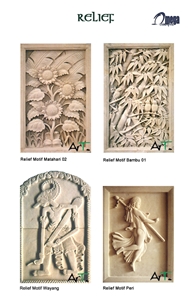
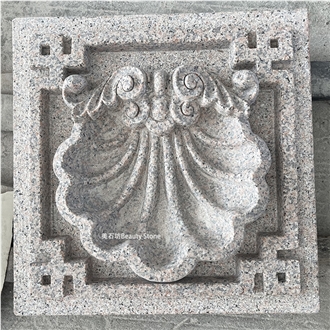
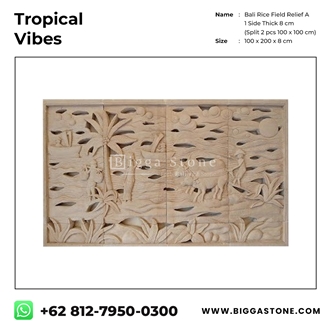
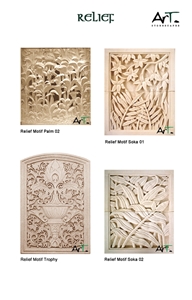
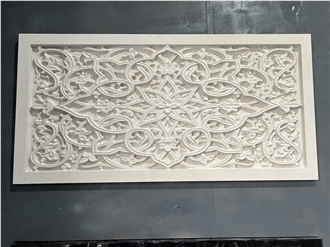
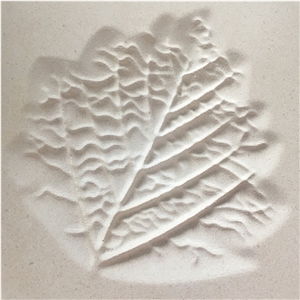
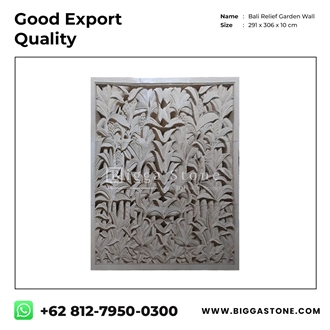
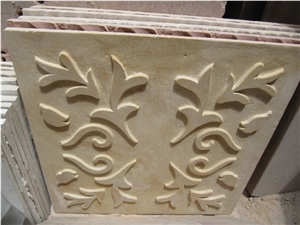
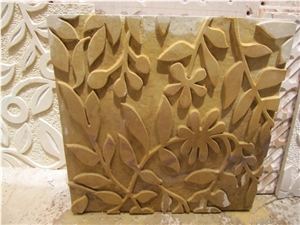
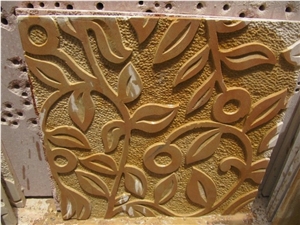
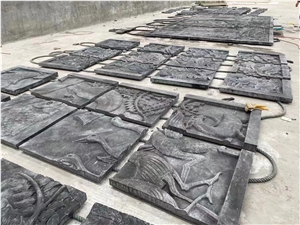
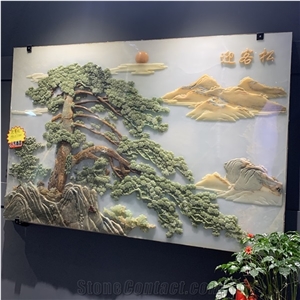
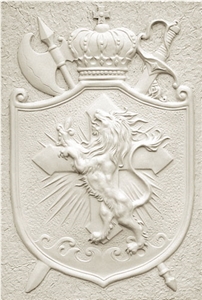
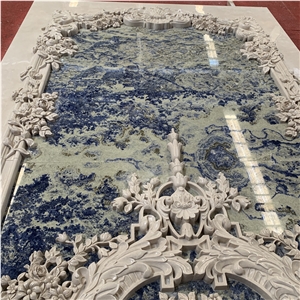
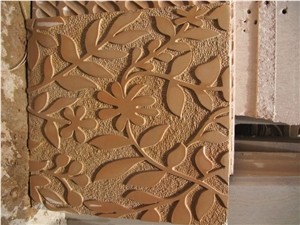
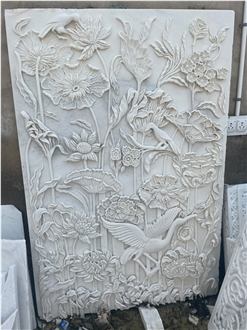
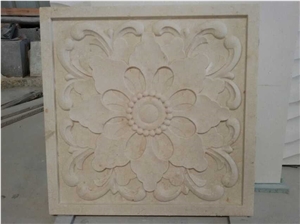
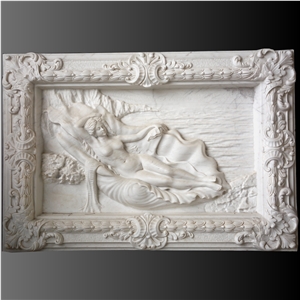
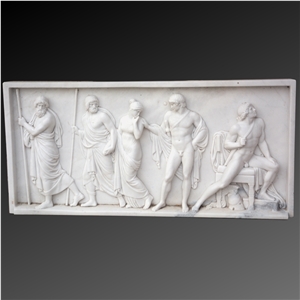
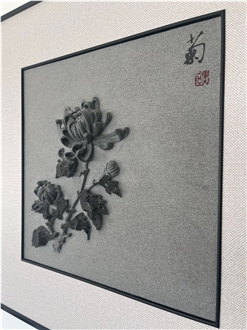
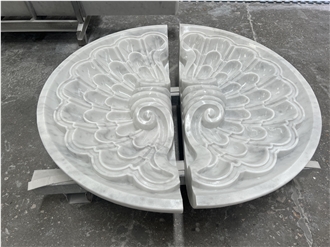
Relief is a sculptural technique in which sculpted natural stone remains attached to a solid background made of the same stone material. To make a sculpture in relief is to give the feeling that the carved stone material rises above the background plane. CNC machines can do great engraving wall relief work in a very short time. In addition, using the latest advanced laser technology, the machines create unique personalized and photo-engraved gifts, plaques and memorial stones.
Ask a Question
Could not find the answer you need? Ask about Stone Reliefs, Etching.
Questions & Answers on Stone Reliefs, Etching
What material is used in wall relief?View answer
Wall relief can be created by using granite, basalt, sandstone, marble, limestone, onyx, travertine or plaster, hand-carved wood or even terracotta. In recent years, however, plaster has been the most popular material for its malleability and versatility.
Reply to this question8 replies
Read moreWhat files-software do laser engravers use?View answer
Laser engraving relies on vector files, a special type of image file that tells the laser engraving machine how to engrave your design. Vector files contain shapes and lines that are drawn mathematically by special software.
Reply to this question0 replies
Read moreWhat is the best file format for laser engraving?View answer
For laser engraving acceptable file formats include the following: TIFF, BMP, JPG or other Raster images that are 1-Bit black and white camera ready artwork. No Gray scale. Should be in a minimum of 300 DPI resolution.
Reply to this question0 replies
Read moreWhat is wall relief?View answer
A relief is a wall-mounted sculpture in which the three-dimensional elements are raised from a flat base.
Reply to this question0 replies
Read moreWhat are types of relief sculpture?View answer
There are three main types of relief sculpture:
- Low relief(bas relief), where the sculpture projects only slightly from the background surface;
- High relief(alto-relief), where the sculpture projects at least half or more of its natural circumference from the background, and may in parts be wholly disengaged from the ground, thus approximating sculpture in the ground.
- Sunken relief, where the carving is sunk below the level of the surrounding surface and is contained within a sharply incised contour line that frames it with a powerful line of shadow. The surrounding surface remains untouched, with no projections. Sunken relief carving is found almost exclusively in ancient Egyptian art, although it has also been used in some beautiful small-scale ivory reliefs from India.
Reply to this question0 replies
Read moreWhat is the difference between freestanding and relief sculpture?View answer
Relief sculpture can be seen from only one vantage point, usually straight on. Sculpture-in-the-round is freestanding and finished on all sides. A viewer can move all the way around a sculpture-in-the round, and is able to look at the work from multiple vantage points.
Reply to this question0 replies
Read moreWhat is low relief and high relief?View answer
There are two subcategories of relief sculpture – high relief and low relief, also called bas relief. High relief sculpture stands out from the flat surface, sometimes to a great degree. In contrast, low relief sculpture does not stand out as much and may feature parts that are indented into the flat surface.
Reply to this question0 replies
Read more