Post Your Needs

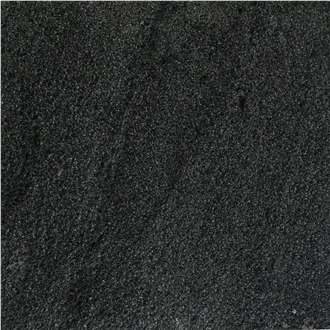
Syrian Basaltic Stone

About

Material Type:
Basalt
Origin:
Syria
Primary Color(s):
Black
Recommended Usage:
monuments, building stone, ornamental stone, stairs, interior, exterior wall and floor applications, mosaic, waterjet pattern, wall panels, table tops, window sills, balustrades, columns, wall and pool copings, pool pavers, sculptures, fireplaces, pavers, cobbles, curbstone
Additional Names:
Syrian Basalt, Syria Black Basalt, Syrian Black Basalt, Aswad Stone, Aswad Black Basalt, Syrian Lavastone, Syrian Lava Stone, Syrian Basaltic
Finished Surface:
Polished,Flamed,Bush Hammered,Tumbled,Brushed,Honed,Split,Machine Cut,Natural Surface,Sandblasted,Acid Washing,Combed,Leathered,Water Jet,Filled,Chiseled,Pickling

Testing

Water Absorption:
<0.5 %
Density:
2800–3000 Kg/m³
Flexural Strength:
20�C30 MPa
Compressive Strength:
200�C300 MPa

Description

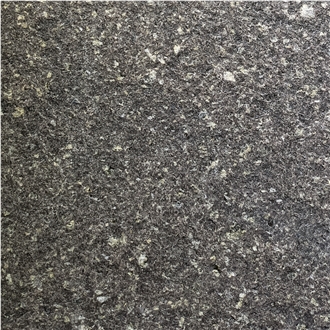
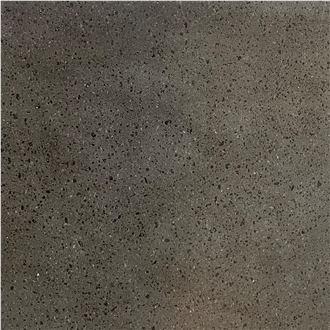
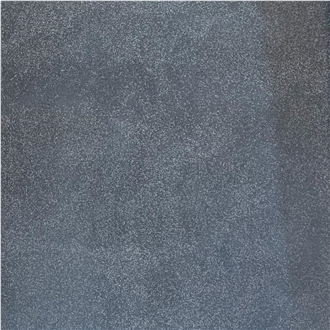
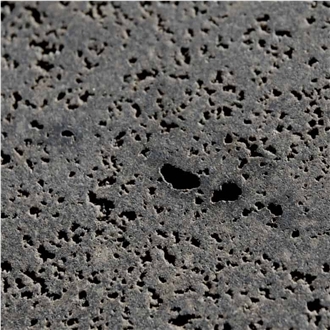
Syrian Basaltic Stone, also known as Aswad Stone Black Basalt, is a premium natural stone quarried in Syria. It is renowned for its deep, rich black color, durability, and versatility. Below is a detailed description of its properties, characteristics, and applications:

1. Texture and Pattern

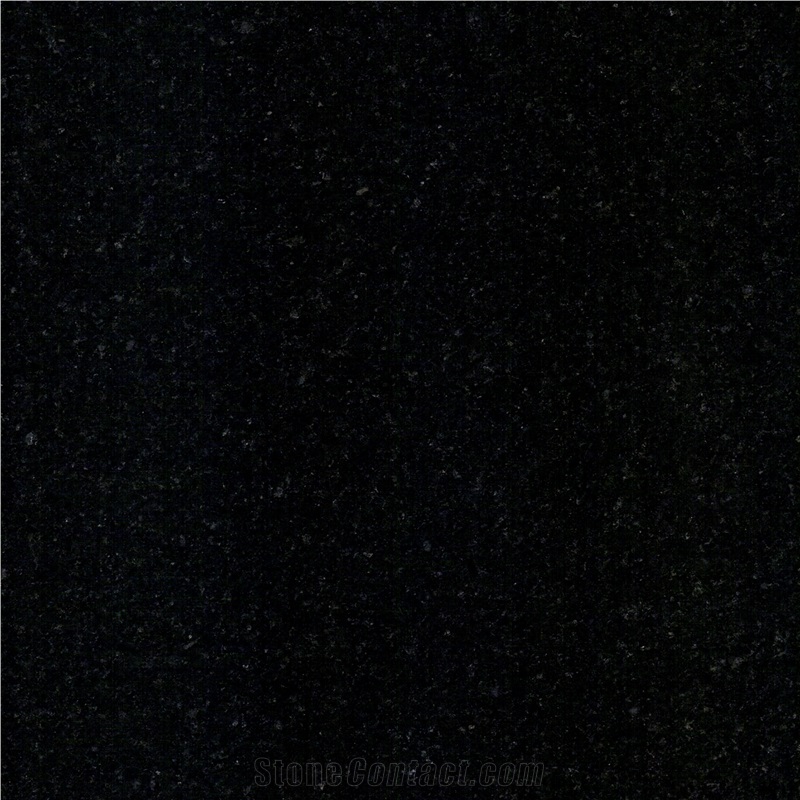
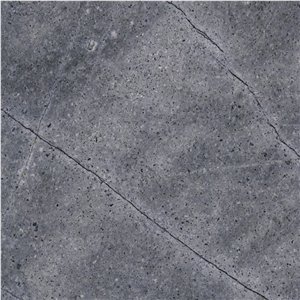
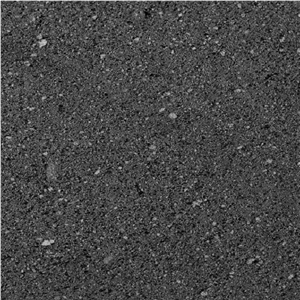
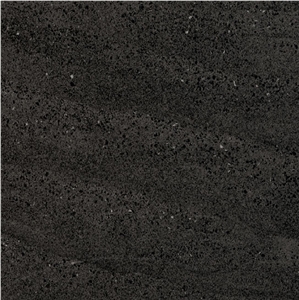
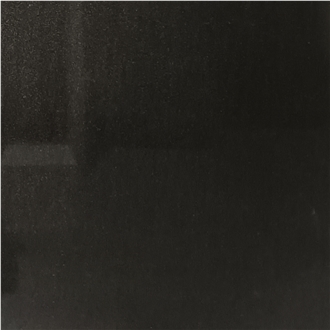
Color: Deep charcoal black with a consistent, uniform hue.

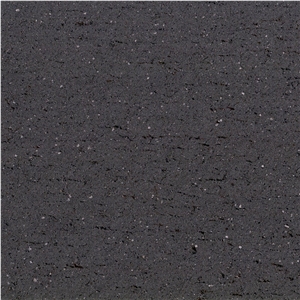
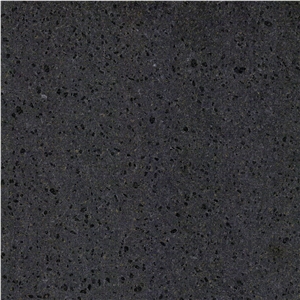
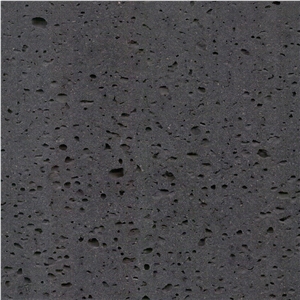
Texture: Fine-grained and dense, with a smooth, matte finish when unpolished.

Pattern: Minimal veining or patterning, giving it a sleek and modern appearance.

Surface Feel: Smooth to the touch, with a natural, non-porous texture.

2. Technical Test Results

Density: Approximately 2.8–3.0 g/cm³, making it a heavy and durable stone.

Water Absorption: Very low (typically <0.5%), indicating high resistance to moisture and staining.

Compressive Strength: High, ranging between 200–300 MPa, making it suitable for heavy-duty applications.

Flexural Strength: Approximately 20–30 MPa, ensuring it can withstand bending and tensile stress.

Abrasion Resistance: Excellent, making it ideal for high-traffic areas.

Frost Resistance: Highly resistant to freeze-thaw cycles, suitable for outdoor use in cold climates.

3. Chemical and Mineral Composition

Primary Minerals: Composed mainly of plagioclase feldspar, pyroxene, and olivine.

Chemical Composition:

Silicon Dioxide (SiO?): ~45–50%

Aluminum Oxide (Al?O?): ~10–15%

Iron Oxide (Fe?O?): ~10–12%

Calcium Oxide (CaO): ~8–10%

Magnesium Oxide (MgO): ~5–8%

Trace Elements: Titanium, Potassium, and Sodium oxides.

Acid Resistance: Resistant to most acids, but prolonged exposure to strong acids (e.g., hydrochloric acid) may cause slight etching.

4. Usage

Syrian Basaltic Stone is highly versatile and suitable for a wide range of applications, including:

Interior Applications: Flooring, wall cladding, countertops, staircases, and decorative accents.

Exterior Applications: Paving, facades, landscaping, pool surrounds, and outdoor furniture.

Commercial and Public Spaces: Ideal for high-traffic areas such as airports, shopping malls, and hotels due to its durability and low maintenance.

Monuments and Sculptures: Often used for artistic and architectural purposes due to its fine grain and ability to hold intricate details.

5. Maintenance

Cleaning: Use a pH-neutral cleaner and warm water. Avoid harsh chemicals or abrasive cleaners.

Sealing: While the stone is naturally dense and low-porosity, applying a penetrating sealer can enhance its longevity and resistance to staining.

Stain Removal: Address spills immediately. For oil-based stains, use a poultice or specialized stone cleaner.

Polishing: Periodic polishing can restore its natural luster, especially for honed or polished finishes.

6. Cutting and Fabrication

Cutting: Can be cut using diamond-tipped tools due to its hardness.

Fabrication: Suitable for precision cutting, shaping, and carving. It can be fabricated into tiles, slabs, blocks, or custom shapes.

Edge Profiles: Can be customized with various edge treatments, such as straight, beveled, bullnose, or ogee edges.

7. Surface Finish Options

Syrian Basaltic Stone can be finished in various ways to achieve different aesthetic and functional effects:

Polished: High-gloss finish that enhances the stone’s natural color and depth.

Honed: Smooth, matte finish with a soft sheen, ideal for a more understated look.

Bush-Hammered: Textured surface with a rustic, anti-slip finish, suitable for outdoor applications.

Flamed: Thermally treated surface with a rough texture, providing excellent slip resistance.

Sandblasted: Matte finish with a slightly rough texture, often used for decorative purposes.

Brushed: Soft, textured finish that retains the stone’s natural character.

8. Advantages

Durability: Extremely hard and resistant to wear, making it suitable for both indoor and outdoor use.

Aesthetic Appeal: Its deep black color and fine grain make it a popular choice for modern and minimalist designs.

Low Maintenance: Requires minimal upkeep due to its density and resistance to staining.

Versatility: Can be used in a wide range of applications, from construction to decorative arts.

9. Limitations

Cost: Higher cost compared to some other natural stones due to its premium quality and quarrying process.

Weight: Its high density makes it heavier, requiring proper structural support during installation.

Thermal Conductivity: Can feel cold underfoot, which may be a consideration for flooring in certain climates.

Conclusion

Syrian Basaltic Stone (Deep Charcoal Black Basalt) is a premium natural stone prized for its durability, aesthetic appeal, and versatility. Its technical properties, low maintenance requirements, and wide range of finish options make it a top choice for architects, designers, and homeowners seeking a high-quality, long-lasting material. Whether used for interior or exterior applications, this stone adds elegance and sophistication to any project.

FAQ

Can Syrian Basaltic be used exterior applications in very rainy climates?

Yes, Syrian Basaltic can be used for exterior applications in very rainy climates. Basalt is an igneous rock with excellent durability and resistance to weathering, making it suitable for outdoor use. Its dense composition and low porosity help prevent water absorption and minimize damage from freeze-thaw cycles. However, it is always recommended to consult with a professional in your specific region to ensure the suitability of the stone for your application.
Read question details

What is the coefficient of friction of Water Jet Cut Syrian Basaltic tiles?

The coefficient of friction for Water Jet Cut Syrian Basaltic tiles can vary depending on several factors such as the surface finish and any additional coatings or treatments applied to the tiles. Generally, the coefficient of friction for basaltic tiles is considered to be relatively high, ranging from around 0.6 to 0.8. However, it is recommended to check with the manufacturer or supplier of the tiles for specific information regarding the coefficient of friction for Water Jet Cut Syrian Basaltic tiles.
Read question details

What is the average density of Syrian Basaltic?

I dont have access to the latest scientific data. However, the density of Basalt typically ranges from 2.8 to 3.0 g/cm3. The density of Syrian Basaltic is likely to be within this range.
Read question details

How thick is Syrian Basaltic slabs?

I cannot give specific measurements without context. However, generally, Syrian Basaltic slabs can range in thickness from a few centimeters to several meters depending on how they were quarried and processed for different applications such as construction material, paving stones, or decorative monuments.
Read question details

Are there color variations of Syrian Basaltic?

I do not have access to current s or information on recent discoveries of varying color ranges of Syrian Basaltic. However, Basaltic rocks can come in a range of colors including black to gray, brown, red, and green. Its specific color can depend on its mineral composition, weathering, and other geological factors.
Read question details

Can Syrian Basaltic be used in landscaping?

Yes, Syrian Basaltic can be used in landscaping as it is a durable and strong material that can withstand heavy foot traffic and extreme weather conditions. It can be used as paving stones or as decorative boulders in gardens and outdoor spaces. Its dark color and unique texture also make it a popular choice for creating a modern and sleek design. However, it is important to note that the transportation and import of Syrian Basaltic may be restricted or prohibited in some countries due to sanctions or trade regulations.
Read question details

Can Syrian Basaltic be used in a bathroom?

Yes, Syrian Basaltic can be used in a bathroom as it is a durable and moisture-resistant material. However, it is important to seal and maintain the surface properly to prevent any water damage or stains. It is also recommended to use slip-resistant coatings on floors to prevent slips and falls.
Read question details

Can Syrian Basaltic be used outdoors?

Yes, Syrian Basaltic can be used outdoors as it is a natural stone that is durable and resistant to weathering. It is commonly used for paving, cladding, and landscaping purposes. However, it is important to seal the stone to prevent any staining or discoloration over time.
Read question details

Is Syrian Basaltic an expensive stone?

I do not have access to up-to-date pricing information, so I cant confirm whether Syrian Basaltic is an expensive stone or not. However, the prices of natural stones can vary depending on a number of factors like availability, quality, location, transportation, and labor costs among others. It is recommended to check with local suppliers or stonemasons to get a more accurate pricing estimate.
Read question details

Hot Basalt

New Basalt

Post Your Request

The request includes:
  1. surface finished, size
  2. quantity required