Post Your Needs

Atlantic Lava Stone

Grey - Basalt

China

About

Item Details

Material Type:
Basalt
Origin:
China (Fujian province)
Primary Color(s):
Grey
Recommended Usage:
Kitchen and bathroom countertops, sinks, wash basins, monuments, building stone, ornamental stone, stairs, interior, exterior wall and floor applications, mosaic, waterjet pattern, wall panels, table tops, window sills, pavers, cobble stone
Additional Names:
Atlantic Gray LavaStone, Atlantic Lava Stone, China Sky Blue Granite, Sky Blue Grey Granite, Blue Sky Granite, Atlantic Stone, Atlantic Blue Stone, Ocean Blue Lava Stone, Atlantic Rhyolite Stone, Atlantic Lavastone, Atlantic Lava Stone
Finished Surface:
Polished,Flamed,Bush Hammered,Tumbled,Brushed,Honed,Split,Machine Cut,Natural Surface,Sandblasted,Acid Washing,Combed,Leathered,Water Jet,Filled,Chiseled,Pickling

Testing

Water Absorption:
0.5 %
Density:
2610 Kg/m3
Flexural Strength:
33.5 MPa
Compressive Strength:
234.6 MPa

Description

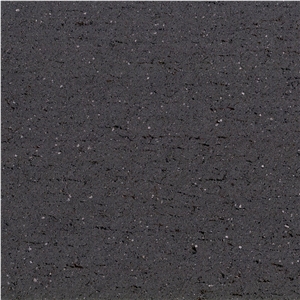
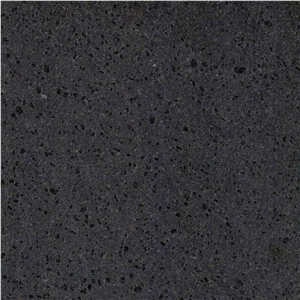
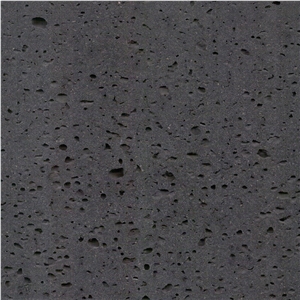
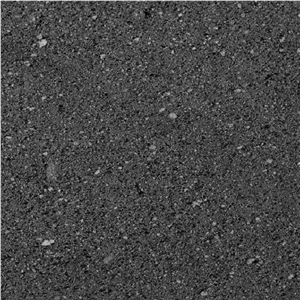
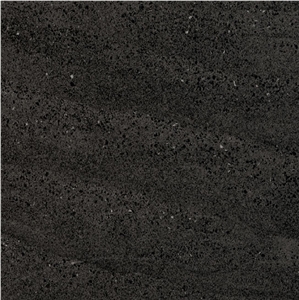
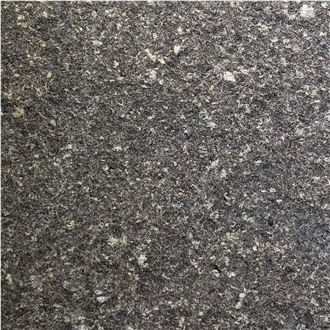
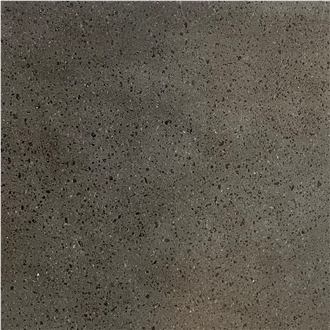
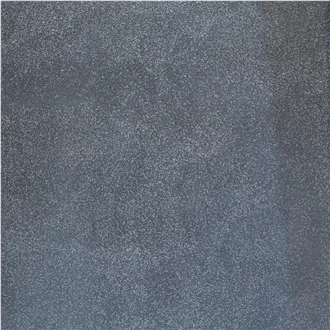
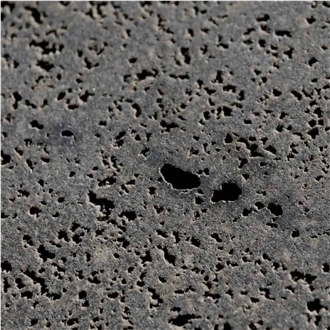
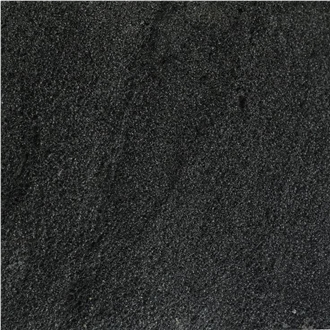
Atlantic Lava Stone, also referred to as China Sky Blue Granite, is a captivating natural wonder sourced from the quarries of southern China. This unique stone variety, which also carries the moniker of Rhyolite Stone, boasts a distinct appearance characterized by its silver-grey base adorned with darker veins. The stone's formation through volcanic processes lends it an exceptional allure and geological significance.

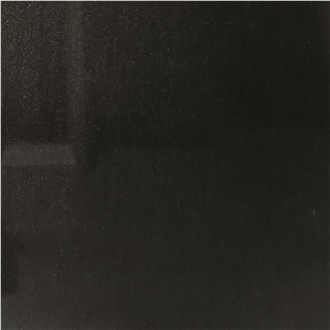
The defining feature of Atlantic Lava Stone lies in its stunning silver-grey hue. This cool-toned base captures the essence of strength and durability, invoking a sense of understated elegance that can easily complement a wide range of design styles.

The darker veins meandering across the surface of the stone add an element of contrast and intrigue. These veins introduce depth and texture to the stone, creating a visual narrative that echoes the intricate formations found in nature. The interplay between the silver-grey backdrop and the darker veins forms a captivating mosaic that captures the imagination.

Atlantic Lava Stone's origins in volcanic activity lend it a sense of natural history. The stone stands as a testament to the powerful geological processes that have shaped it over time, resulting in a material that is not only aesthetically striking but also scientifically fascinating.

Whether known as Atlantic Lava Stone, China Sky Blue Granite, or Rhyolite Stone, this unique natural treasure serves as an artistic medium that bridges the gap between nature's raw beauty and human craftsmanship. Whether used for interior spaces, architectural elements, or creative projects, Atlantic Lava Stone invites viewers to explore the mysteries of the Earth's geological heritage while appreciating its visual splendor.

FAQ

How can I remove mold from Atlantic Lava Stone wall tiles?

To remove mold from Atlantic Lava Stone wall tiles, you can follow these steps: 1. Mix a solution of equal parts water and white vinegar in a spray bottle. 2. Spray the solution onto the affected areas of the tiles and let it sit for at least 15-20 minutes to allow the vinegar to break down the mold. 3. Scrub the tiles with a soft-bristled brush or sponge to help loosen and remove the mold. 4. Rinse the tiles thoroughly with clean water to remove any remaining mold and vinegar residue. 5. If the mold persists, you can also try using a commercial mold remover or a mixture of bleach and water. Be sure to follow the manufacturers instructions and test a small, inconspicuous area first to ensure compatibility with the stone tiles. 6. After removing the mold, dry the tiles completely to prevent future mold growth. Consider increasing ventilation in the area to prevent moisture buildup. 7. Regularly clean and maintain the tiles to prevent mold from returning. Use a mild soap or stone-safe cleaner and wipe down the tiles regularly to keep them clean and mold-free.
Read question details

Does Atlantic Lava Stone mosaic need to be sealed?

Yes, it is recommended to seal Atlantic Lava Stone mosaic to protect it from moisture and staining. Sealing the stone will also enhance its natural colors and provide a more durable surface.
Read question details

How can I clean Atlantic Lava Stone wall mosaic tiles?

To clean Atlantic Lava Stone wall mosaic tiles, follow these steps: 1. Start by sweeping or vacuuming the tiles to remove any loose dirt or debris. 2. Mix warm water with a mild detergent or stone cleaner in a bucket. Avoid using harsh chemicals or acidic cleaners as they can damage the stone. 3. Use a soft-bristled brush or a sponge to scrub the tiles gently with the cleaning solution. Pay special attention to any grout lines or crevices where dirt may be trapped. 4. Rinse the tiles thoroughly with clean water to remove any soapy residue. 5. Use a clean, soft cloth to dry the tiles completely to prevent water spots or streaks from forming. 6. For stubborn stains or dirt buildup, you can try using a specialized stone cleaner or a poultice made of baking soda and water. Apply the poultice to the stained area, cover it with plastic wrap, and let it sit overnight before rinsing it off. 7. To maintain the appearance and longevity of your Atlantic Lava Stone wall mosaic tiles, seal them regularly with a stone sealer to protect them from moisture and stains. By following these steps, you can keep your Atlantic Lava Stone wall mosaic tiles looking clean and beautiful for years to come.
Read question details

How can I clean the grout of Atlantic Lava Stone wall tiles?

To clean the grout of Atlantic Lava Stone wall tiles, follow these steps: 1. Start by mixing warm water with a mild detergent or a grout cleaner. Ensure that the cleaner is suitable for use on natural stone surfaces. 2. Use a soft-bristled brush or an old toothbrush to apply the cleaning solution to the grout lines. Scrub gently in a circular motion to help lift any dirt or grime. 3. For tougher stains, you can make a paste using baking soda and water. Apply the paste to the grout lines and let it sit for a few minutes before scrubbing with the brush. 4. Rinse the grout lines with clean water to remove any cleaning residue. 5. For stubborn stains or dirt buildup, you can also use a steam cleaner to easily lift the grime from the grout lines. 6. Once the grout is clean, be sure to seal it with a grout sealer to help protect it from future stains and dirt buildup. 7. Regularly maintain the cleanliness of the grout by wiping it down with a damp cloth or sponge after each use. This will help prevent dirt and grime from accumulating and making it easier to clean in the future.
Read question details

I have a Atlantic Lava Stone tabletop with a vein that looks broken. Should I glue it?

It is not recommended to glue a broken vein or crack in a natural stone tabletop as it can alter the look and integrity of the stone. Instead, you may want to consider having a professional stonemason or countertop specialist assess the damage and make recommendations for repair or maintenance. They may be able to fill the crack with a color-matched adhesive or suggest other options to preserve the natural beauty of the stone.
Read question details

How can I give Atlantic Lava Stone tiles an antique look?

To give Atlantic Lava Stone tiles an antique look, you can follow these steps: 1. Begin by cleaning the tiles with a mild soap and water solution to remove any dirt or grime from the surface. 2. Next, lightly sand the tiles with fine-grit sandpaper to create a slightly rough texture that will enhance the antique effect. 3. Apply a stain or glaze to the tiles in a color that mimics the look of aged stone. You can use a sponge or brush to apply the stain in a random, uneven pattern to create a more natural and aged appearance. 4. Once the stain has dried, you can further distress the tiles by lightly sanding the edges or corners to create a worn and weathered look. 5. Finally, seal the tiles with a matte or satin finish sealer to protect the antique finish and enhance the overall appearance of the tiles. By following these steps, you can give your Atlantic Lava Stone tiles an antique look that will add character and charm to any space.
Read question details

How can I restore the appearance of Atlantic Lava Stone floors to make them look new again?

Here are some steps you can take to restore the appearance of Atlantic Lava Stone floors and make them look new again: 1. Clean the floors thoroughly using a pH-neutral stone cleaner and a soft-bristled brush or mop. This will help remove any dirt, grime, or stains that are obscuring the beauty of the stone. 2. If there are any stubborn stains on the stone, you can use a poultice or a commercial stone stain remover to help lift them out. Follow the instructions on the product carefully to avoid damaging the stone. 3. Once the floors are clean, you can polish them with a stone sealer or polish to help enhance their natural shine and luster. Be sure to choose a product specifically designed for use on Atlantic Lava Stone to avoid any potential damage. 4. If the stone has become scratched or dull over time, you may want to consider hiring a professional stone restoration specialist to hone and polish the floors. They can use specialized equipment and techniques to restore the stone to its original beauty. 5. Finally, make sure to regularly maintain the floors by sweeping or vacuuming them regularly and cleaning up spills promptly to prevent stains and damage. With proper care and maintenance, your Atlantic Lava Stone floors can continue to look new and beautiful for years to come.
Read question details

Can Atlantic Lava Stone be used for stair steps?

Yes, Atlantic Lava Stone can be used for stair steps. Its dense and durable nature makes it a suitable material for high-traffic areas, such as staircases. It also has a natural, textured surface that provides good traction, making it a safe option for steps. Additionally, Atlantic Lava Stone is resistant to stains, scratches, and wear, making it a practical choice for stairs.
Read question details

Do fruit juices stain the surface of Atlantic Lava Stone countertop?

Fruit juices can potentially stain a porous surface like Atlantic Lava Stone countertop if not cleaned up promptly. It is important to wipe up spills immediately and clean the surface with a mild soap and water to prevent any staining. Additionally, using a sealer on the countertop can help protect it from absorbing liquids and staining.
Read question details

Is 3cm thick Atlantic Lava Stone durable enough for use as walkway pavers?

3cm thick Atlantic Lava Stone may not be durable enough for use as walkway pavers, as it may be prone to cracking or breaking under heavy foot traffic. It is generally recommended to use thicker pavers, around 5-7cm or more, for walkways to ensure durability and longevity. It is important to choose a paver material that is suitable for the intended use and can withstand the wear and tear of daily foot traffic.
Read question details

Products & Prices

View More

Hot Basalt

New Basalt

Post Your Request

The request includes:
  1. surface finished, size
  2. quantity required