Post Your Needs

Leon Basalt

About

Material Type:
Basalt
Origin:
China
Recommended Usage:
Kitchen and bathroom countertops, monuments, building stone, ornamental stone, stairs, interior, exterior wall and floor applications, mosaic, waterjet pattern, wall panels, table tops, window sills, balustrades, columns, wall and pool copings, pool pavers, sculptures, fireplaces, pavers, cobbles, curbstone
Additional Names:
Black Thunder Basalt, Leon Black Basalt, in China stone market:雷纹黑(Léi wén hēi)
Finished Surface:
Polished,Flamed,Bush Hammered,Tumbled,Brushed,Honed,Split,Machine Cut,Natural Surface,Sandblasted,Acid Washing,Combed,Leathered,Water Jet,Filled,Chiseled,Pickling

Testing

Water Absorption:
~0.3–0.6 %
Density:
~2900 Kg/m³
Flexural Strength:
~18�C25 MPa
Compressive Strength:
~180�C210 MPa

Description

Visual Appearance:

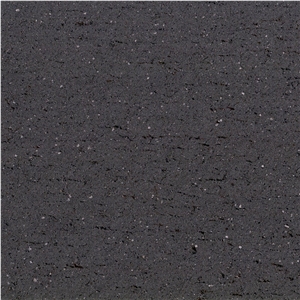
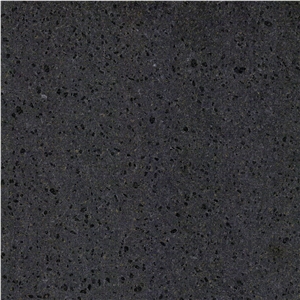
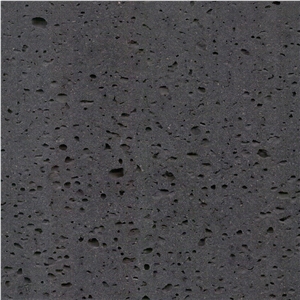
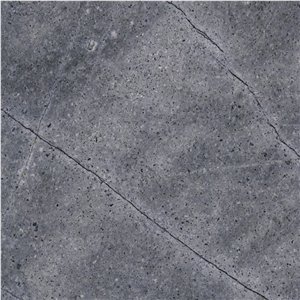
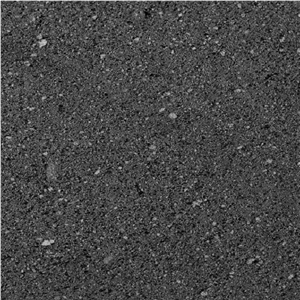
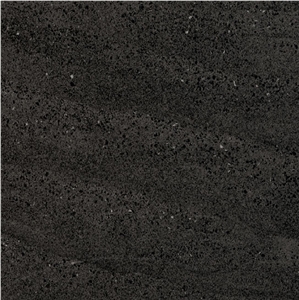
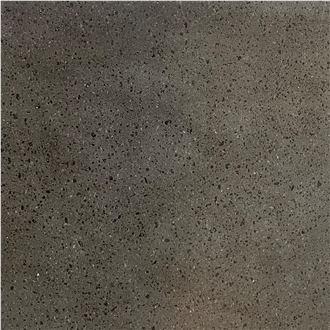
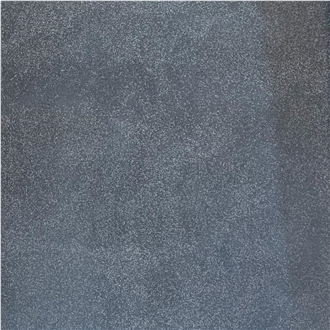
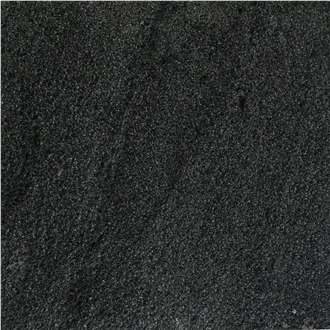
  • Color: Charcoal black base with fine to medium grain
  • Pattern: Grey to white speckles scattered naturally throughout the surface
  • Texture: Uniform and dense structure with low crystallinity
  • Look: Subtle yet bold, natural volcanic elegance, minimal veining

Physical & Mechanical Properties

  • Density .... ~2.90 g/cm³
  • Water Absorption .... ~0.3–0.6%
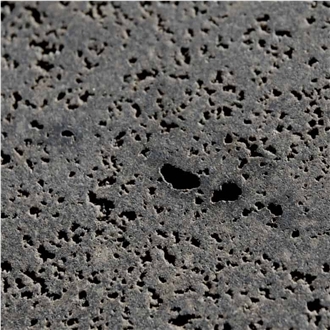
  • Porosity .... Low to moderate (5–10%)
  • Compressive Strength .... ~180–210 MPa
  • Flexural Strength .... ~18–25 MPa
  • Hardness (Mohs) .... ~6
  • Slip Resistance .... R10–R12 depending on finish

Chemical Composition (% by weight)

(Approximate range, varies slightly by quarry deposit)

  • SiO2 (Silicon Dioxide): ~49–52%
  • Al2O3 (Aluminum Oxide): ~14–17%
  • Fe2O3 (Iron Oxide): ~10–12%
  • CaO (Calcium Oxide): ~8–10%
  • MgO (Magnesium Oxide): ~3–5%
  • Na2O + K2O (Alkalis): ~3–4%

Surface Finishes Available

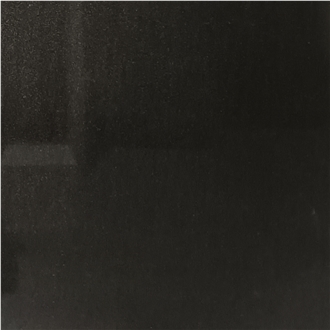
  • Polished – smooth, enhanced speckles, slightly reflective
  • Honed – matte surface, muted color, uniform tone
  • Flamed – rough texture, lighter speckling, slip-resistant
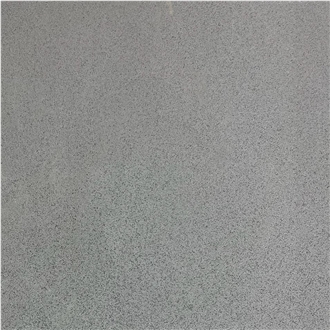
  • Sandblasted – fine-grain texture, soft grey tone
  • Brushed – aged feel, slightly wavy surface
  • Tumbled – rounded edges, antique appearance
  • Leathered – soft-textured matte finish with tactile feel

Common Cutting Sizes (in cm)

  • Tiles: 30x30, 40x40, 60x30, 60x60, 80x40
  • Slabs: Custom sizes (typically 240x120 cm or cut-to-size)
  • Thickness Options: 1.5 cm, 2 cm, 3 cm, custom upon request

Applications

  • Exterior: Facades, pavers, cladding, wall caps, coping
  • Interior: Flooring, wall panels, staircases, fireplace surrounds
  • Commercial/Public Spaces: High-durability flooring and plazas
  • Landscaping: Pathways, curbs, decorative walls

Maintenance

Seal periodically (especially honed or brushed finishes) to prevent staining

Clean with pH-neutral cleaner

Avoid acidic or abrasive chemicals

Low maintenance compared to porous stones like limestone or sandstone

FAQ

What thickness of Leon Basalt kitchen countertop would be better?

The thickness of a Leon Basalt kitchen countertop would depend on personal preference and the overall aesthetic you are looking to achieve in your kitchen. The most common thickness options for countertops are 2cm (3/4 inch) and 3cm (1 1/4 inch). For a modern and sleek look, a thinner 2cm countertop may be preferred. On the other hand, a thicker 3cm countertop can provide a more substantial and luxurious feel to the kitchen. Ultimately, the choice of thickness for your Leon Basalt kitchen countertop will depend on your personal style, budget, and the overall design of your kitchen.
Read question details

How to clean Leon Basalt kitchen countertops?

To clean Leon Basalt kitchen countertops, follow these steps: 1. Start by wiping down the countertops with a soft cloth or sponge and warm, soapy water. Use a mild dish soap or a stone-safe cleaner. 2. For tougher stains or dried-on food, create a paste of baking soda and water and apply it to the stain. Let it sit for a few minutes, then scrub gently with a soft brush or sponge. Rinse thoroughly with water. 3. Avoid using harsh chemicals or abrasive cleaners on Leon Basalt countertops, as they can damage the surface. 4. To prevent future stains, spills, and damage, always use cutting boards, trivets, and coasters on the countertops. Wipe up spills immediately to prevent them from seeping into the stone. 5. Periodically, you can also apply a stone sealer to protect the countertop surface from stains and etching. Follow the manufacturers instructions for the specific type of sealer you choose. By following these tips, you can keep your Leon Basalt kitchen countertops clean and looking like new for years to come.
Read question details

Does bleach damage Leon Basalt?

Bleach can potentially damage Leon Basalt as it is a strong and harsh chemical that can react with the minerals in the stone and cause discoloration, etching, or erosion over time. It is recommended to avoid using bleach or any other harsh chemicals on natural stone surfaces like Leon Basalt to prevent any potential damage. Instead, it is best to use gentle and pH-neutral cleaners specifically designed for natural stone.
Read question details

How to get scratches out of Leon Basalt?

To remove scratches from Leon Basalt, you can follow these steps: 1. Clean the surface: Start by cleaning the scratched area with a mild soap or detergent and water. Use a soft cloth or sponge to gently scrub the surface and remove any dirt or debris. 2. Sand the surface: If the scratches are deep, you may need to sand the surface of the Leon Basalt. Use a fine-grit sandpaper and sand in a circular motion, working to buff out the scratches gradually. 3. Polish the surface: After sanding, you can use a polishing compound to further buff out the scratches and restore the shine to the Leon Basalt surface. Apply the polish with a soft cloth and buff in a circular motion until the scratches are no longer visible. 4. Seal the surface: Once the scratches are removed, its important to seal the surface of the Leon Basalt to protect it from future damage. Use a stone sealer and follow the manufacturers instructions for application. 5. Maintain the surface: To prevent scratches in the future, make sure to regularly clean and maintain the Leon Basalt surface. Avoid using harsh chemicals or abrasive cleaners that can scratch the surface, and use placemats or coasters to protect the surface from scratches and other damage.
Read question details

Is Leon Basalt floors easily scratched?

Leon Basalt floors are not easily scratched due to their high durability and resistance to wear and tear. They are made of high-quality materials that are hard and dense, making them less prone to scratching. However, it is still important to take proper care of these floors by cleaning them regularly and using furniture pads to protect them from damage.
Read question details

Does polished Leon Basalt kitchen countertop easy stain?

Polished Leon Basalt kitchen countertops are less likely to stain compared to other types of countertops, as the polished surface is more resistant to stains. However, it is still important to clean up spills promptly and use a sealant to protect the surface from staining. Regular maintenance and care will help keep your polished Leon Basalt countertop looking like new for years to come.
Read question details

Is Leon Basalt countertop heat resistant?

Yes, Leon Basalt countertops are heat resistant and can withstand high temperatures without being damaged. However, it is always recommended to use trivets or hot pads to protect the surface from direct heat exposure.
Read question details

Is 2cm Leon Basalt good for kitchen countertops?

It depends on personal preference and the specific needs of the kitchen. Leon Basalt is a durable and resistant material, making it suitable for kitchen countertops in terms of quality. However, 2cm thickness may be considered slightly thin for some peoples liking. The standard thickness for kitchen countertops is usually 3cm, as this provides extra strength and durability. Consider how much wear and tear your countertops will endure and if 2cm will provide enough support for your needs.
Read question details

Products & Prices

Hot Basalt

New Basalt

Post Your Request

The request includes:
  1. surface finished, size
  2. quantity required