Post Your Needs

Stoneycombe Limestone

Red - Limestone

United Kingdom

About

Item Details

Material Type:
Limestone
Origin:
United Kingdom (About 2 Km west of Kingskerswell in Devon, off the A380)
Primary Color(s):
Red
Recommended Usage:
Kitchen and bathroom countertops, wash basins, building stone, ornamental stone, stairs, interior, exterior wall and floor applications, mosaic, waterjet pattern, wall panels, table tops, balustrades, columns, wall and pool copings, pool pavers, sculptures, fireplaces
Additional Names:
Stoneycombe Stone, Stoneycombe Marble, Stoneycombe, Stoneycombe Limestone
Finished Surface:
Polished,Bush Hammered,Tumbled,Brushed,Honed,Split,Machine Cut,Natural Surface,Sandblasted,Combed,Leathered,Water Jet,Filled,Chiseled,Pickling

Testing

Water Absorption:
0.5–1.5% by weight
Density:
2500–2600 Kg/m³
Compressive Strength:
80�C90 MPa

Description

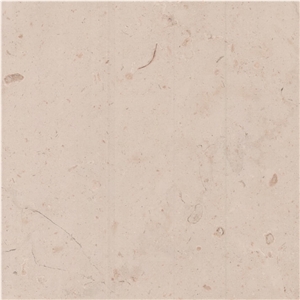
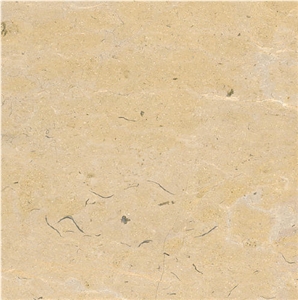
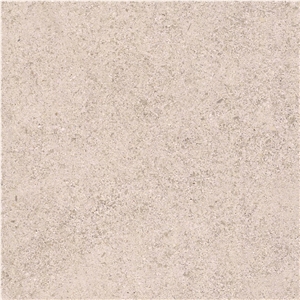
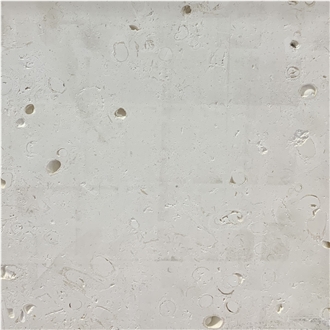
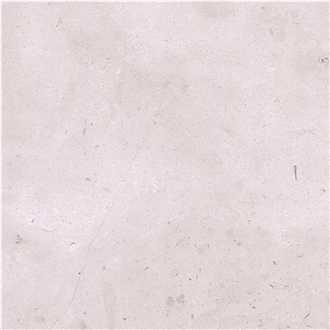
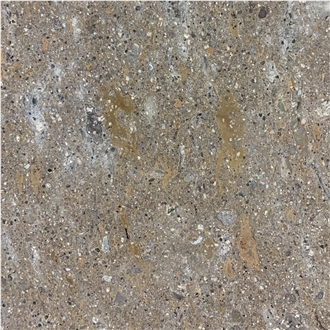
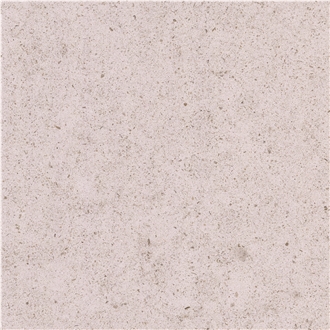
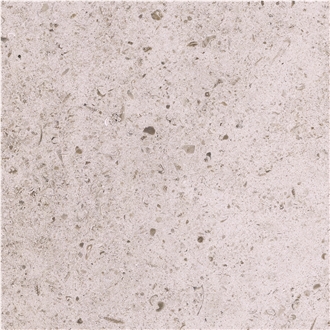
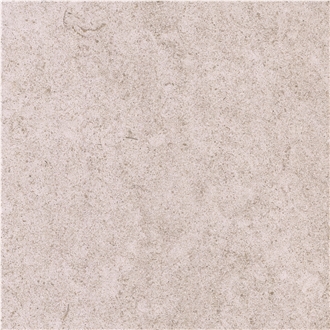
Stoneycombe Limestone is a distinctive and visually captivating natural stone, renowned for its soft pink, light dry rose-red hues, complemented by subtle hints of grey and swirls of rich cream. Its unique character is further enhanced by intricately shaped fossilized crustaceans and corals, which add depth and texture to the stone. Small cream calcite veins run through the stone, ensuring it never appears bland. This Devonian Limestone is quarried approximately 2 km west of Kingskerswell in Devon, England.

Color and Appearance

  • Primary Color: Soft pink, light dry rose-red.
  • Secondary Colors: Hints of grey and swirls of rich cream.
  • Fossils: Intricately shaped crustaceans and corals.
  • Veining: Small cream calcite veins.

Texture and Pattern

  • The stone has a natural, textured surface due to its fossil content.
  • The fossils and veining create a unique, organic pattern that varies from slab to slab.

Geological Background

  • Age: Devonian period (approximately 419–359 million years old).
  • Formation: Formed in ancient marine environments, as evidenced by the presence of fossilized corals and crustaceans.
  • Quarry Location: About 2 km west of Kingskerswell, Devon, England.

Technical Specifications

Physical Properties

  • Density: Approximately 2.5–2.6 g/cm³.
  • Porosity: Low to moderate, depending on the specific sample.
  • Compressive Strength: Typically ranges between 80–90 MPa.
  • Water Absorption: Approximately 0.5–1.5% by weight.

Chemical Composition (% by weight)

  • Calcium Carbonate (CaCO3): 90–95%.
  • Silica (SiO2): 1–3%.
  • Iron Oxide (Fe2O3): 0.5–1%.
  • Alumina (Al2O3): 0.5–1%.
  • Other Minerals: Trace amounts of magnesium, manganese, and organic fossils.

Mineral Composition (% by weight)

  • Calcite: 90–95%.
  • Quartz: 1–3%.
  • Clay Minerals: 1–2%.
  • Fossil Content: 2–5%.

Usage

Stoneycombe Limestone is a versatile stone suitable for both interior and exterior applications. Its unique appearance makes it ideal for:

  • Flooring: Adds warmth and character to spaces.
  • Wall Cladding: Creates a striking feature wall.
  • Countertops: Offers a unique, natural look for kitchens and bathrooms.
  • Paving: Suitable for outdoor patios and walkways.
  • Decorative Pieces: Used for fireplaces, sculptures, and mosaics.

Maintenance

  • Sealing: Due to its moderate porosity, Stoneycombe Limestone should be sealed regularly (every 6–12 months) to prevent staining.
  • Cleaning: Use a pH-neutral cleaner and avoid acidic or abrasive substances.
  • Stain Prevention: Wipe up spills immediately, especially from acidic liquids like wine or citrus juices.
  • Polishing: To maintain its luster, use a marble or limestone-specific polish.

Cutting Sizes

Stoneycombe Limestone can be cut to various sizes depending on the application:

Slabs: Standard sizes include 60cm x 120cm (24" x 48"), 120cm x 240cm (48" x 96"), or custom dimensions.

Tiles: Common tile sizes are 30cm x 30cm (12" x 12"), 60cm x 60cm (24" x 24"), or custom cuts.

Thickness: Available in 2cm (0.75"), 3cm (1.25"), or custom thicknesses for specific projects.

Surface Finish Options

Stoneycombe Limestone can be finished in various ways to achieve different aesthetics and functionalities:

  • Polished Finish: A glossy, reflective surface that enhances the stone’s color and veining.
  • Honed Finish: A smooth, matte surface with a soft, satin-like appearance.
  • Brushed Finish: A textured surface that highlights the stone’s natural texture.
  • Tumbled Finish: A weathered, antique look with softened edges.
  • Sandblasted Finish: A matte, non-slip surface ideal for outdoor use.
  • Flamed Finish: A rough, textured surface created by high heat, suitable for paving.

Conclusion

Stoneycombe Limestone is a timeless and elegant stone that combines natural beauty with historical significance. Its soft pink tones, fossilized details, and cream veining make it a standout choice for both traditional and contemporary designs. Whether used for flooring, wall cladding, or decorative pieces, this stone adds warmth and character to any space. Proper maintenance and sealing will ensure its longevity and preserve its unique appearance for years to come.

FAQ

Can 2cm thick Stoneycombe Limestone be used for stair steps?

Yes, 2cm thick Stoneycombe Limestone can be used for stair steps, but it may not be the most durable option. Stair steps generally need to be thicker and more sturdy to withstand heavy foot traffic and potential impacts. It is recommended to use a thicker and more durable material, such as 3cm or 4cm thick limestone, for stair steps to ensure their longevity and safety.
Read question details

Do fruit juices stain the surface of Stoneycombe Limestone countertop?

Fruit juices can potentially stain a Stoneycombe Limestone countertop if not cleaned up immediately. Limestone is a porous material and can absorb liquids, so it is important to wipe up any spills quickly to prevent staining. Additionally, it is recommended to seal a limestone countertop regularly to help protect it from stains and damage.
Read question details

What type of abrasive should be used to sandblasting the Stoneycombe Limestone surface?

The recommended abrasive for sandblasting Stoneycombe Limestone surface is a fine-grit abrasive such as aluminum oxide or garnet. These abrasives are effective in removing surface contaminants and smoothing out rough areas without damaging the delicate limestone surface. It is important to use a gentle abrasive to prevent etching or scratching of the limestone surface.
Read question details

Is 2cm thick Stoneycombe Limestone durable enough for use as patio walkway pavers?

Stoneycombe Limestone is a type of natural stone that is known for its durability and strength, making it a good choice for patio walkway pavers. A thickness of 2cm should be sufficient for use as pavers, as long as they are properly installed on a stable and level base. However, it is always recommended to consult with a professional landscaper or supplier to ensure that the specific type of Stoneycombe Limestone you are considering is suitable for your intended use. Additionally, regular maintenance and sealing may be necessary to help preserve the appearance and longevity of the limestone pavers.
Read question details

Does the surface of Stoneycombe Limestone floor tiles scratch easily?

Stoneycombe Limestone is a relatively hard and durable type of limestone, so the surface of Stoneycombe Limestone floor tiles should not scratch easily under normal use. However, like any natural stone tile, they can potentially be scratched by sharp or abrasive objects or excessive force. Its recommended to use furniture pads or protective mats to prevent scratches and damage to the surface of Stoneycombe Limestone floor tiles. Regular cleaning and maintenance can also help preserve the appearance and longevity of the tiles.
Read question details

Can polished Stoneycombe Limestone be used for pool coping?

Yes, polished Stoneycombe Limestone can be used for pool coping. This type of limestone is durable and has a smooth, polished finish that can add an elegant touch to your pool area. It is important to choose a high-quality limestone that is resistant to water and pool chemicals, to ensure that it is long-lasting and will maintain its appearance over time. Additionally, proper installation by a professional is recommended to ensure that the pool coping is securely in place and provides a safe and functional edge for your pool.
Read question details

Can Stoneycombe Limestone be used as a kitchen countertop?

Yes, Stoneycombe Limestone can be used as a kitchen countertop. Limestone is a durable and heat-resistant material that can withstand the wear and tear of everyday use in a kitchen. However, it is important to note that limestone is a soft and porous stone, so it may be prone to scratching and staining if not properly sealed and maintained. It is recommended to consult with a professional stone fabricator to ensure proper installation and maintenance of a Stoneycombe Limestone countertop in your kitchen.
Read question details

Can United Kingdom's Stoneycombe Limestone be used exterior applications in cold climates?

Stoneycombe Limestone, also known as Bath Limestone, is a popular natural stone used for various applications in the United Kingdom, including building facades, flooring, and landscaping. However, its suitability for exterior use in cold climates depends on the specific conditions and maintenance practices. While limestone is generally a durable and weather-resistant material, it can be susceptible to damage in cold climates due to freezing and thawing cycles. Water can penetrate the stones surface, freeze, and expand, leading to cracks, spalling, and deterioration over time. This can be exacerbated if the stone has pores or natural fissures, which can trap water and make it more prone to damage. To ensure the durability of Stoneycombe Limestone in cold climates, certain precautions can be taken: 1. Select a dense and frost-resistant variety of Stoneycombe Limestone: Varieties of limestone with low porosity and high density are better suited for exterior applications in cold climates. This minimizes water absorption and reduces the risk of freeze-thaw damage. 2. Apply a protective sealant: A high-quality sealant can help create a barrier on the stones surface, reducing water absorption and protecting it from potential damage caused by freezing temperatures. 3. Ensure proper installation: Proper installation techniques, including using suitable adhesives and avoiding water traps or areas prone to moisture accumulation, can enhance the stones resistance to cold climate conditions. 4. Regular cleaning and maintenance: Routine cleaning and maintenance, including removing snow and ice promptly, can help prevent prolonged exposure to moisture and minimize the risk of damage. 5. Consult with a professional: It is always advisable to consult with a stonemason or a professional experienced in working with Stoneycombe Limestone in cold climates. They can provide specific guidance based on the local climate and conditions. Considering these factors, Stoneycombe Limestone can be used in exterior applications in cold climates if proper precautions and maintenance practices are followed.
Read question details

Can United Kingdom's Stoneycombe Limestone be used in a office?

Yes, Stoneycombe Limestone from the United Kingdom can be used in an office setting. Limestone is a versatile and durable material commonly used in flooring, walls, and other architectural features. Stoneycombe Limestone, specifically, may have unique aesthetic qualities that can enhance the visual appeal of an office space. However, it is always recommended to consult with professionals or experts in the field of interior design or architecture to determine the suitability of a specific type of limestone for use in an office. Factors such as foot traffic, maintenance requirements, and overall design considerations should be taken into account.
Read question details

Can United Kingdom's Stoneycombe Limestone be used in wall coverings?

Yes, Stoneycombe Limestone from the United Kingdom can be used in wall coverings. Limestone is a popular choice for wall cladding due to its durability, versatility, and aesthetic appeal. Stoneycombe Limestone can be cut into natural stone tiles or slabs for wall application, providing a timeless and elegant look to any space. Additionally, limestone has a wide range of colors and textures, making it suitable for various design styles.
Read question details

Hot Limestone

New Limestone

Post Your Request

The request includes:
  1. surface finished, size
  2. quantity required