Post Your Needs

Riyadh Stone

Beige - Limestone

Saudi Arabia

About

Item Details

Material Type:
Limestone
Origin:
Saudi Arabia (Jabal Tuwayq, Riyadh)
Primary Color(s):
Beige
Recommended Usage:
Exterior - interior wall and floor applications, mosaic, fountains, pool and wall capping, facade, stairs, building ornaments, masonry works
Additional Names:
Riyadh Beige Stone, Riyadh Limestone, El Riyadh Stone, Jabal Tuwayq Stone, Tuwayq Stone, Jabal Tuwayq Stone, Desert Beige Stone, Desert Beige Limestone, Riyadh Stone
Finished Surface:
Polished,Bush Hammered,Tumbled,Brushed,Honed,Split,Machine Cut,Natural Surface,Sandblasted,Acid Washing,Combed,Leathered,Water Jet,Filled,Chiseled,Pickling

Testing

Water Absorption:
7.4 By weight %
Density:
2090 kg/m³
Flexural Strength:
55.0 - 60.0 MPa
Compressive Strength:
180.0 - 185.0 MPa

Description

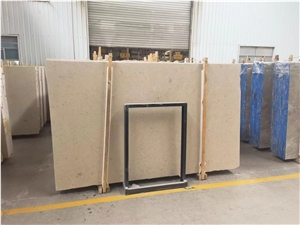
Riyadh Stone, also known as Riyadh Limestone, is a natural stone commonly found in the Riyadh region of Saudi Arabia. It is a type of limestone that is highly valued for its durability, attractive appearance, and versatility in various construction and decorative applications.

Quarrying Riyadh Stone involves extracting large blocks or slabs of the limestone from quarries in the Riyadh area. The stone is formed over millions of years through the accumulation of marine organisms and sedimentation processes, resulting in a compact and solid composition.

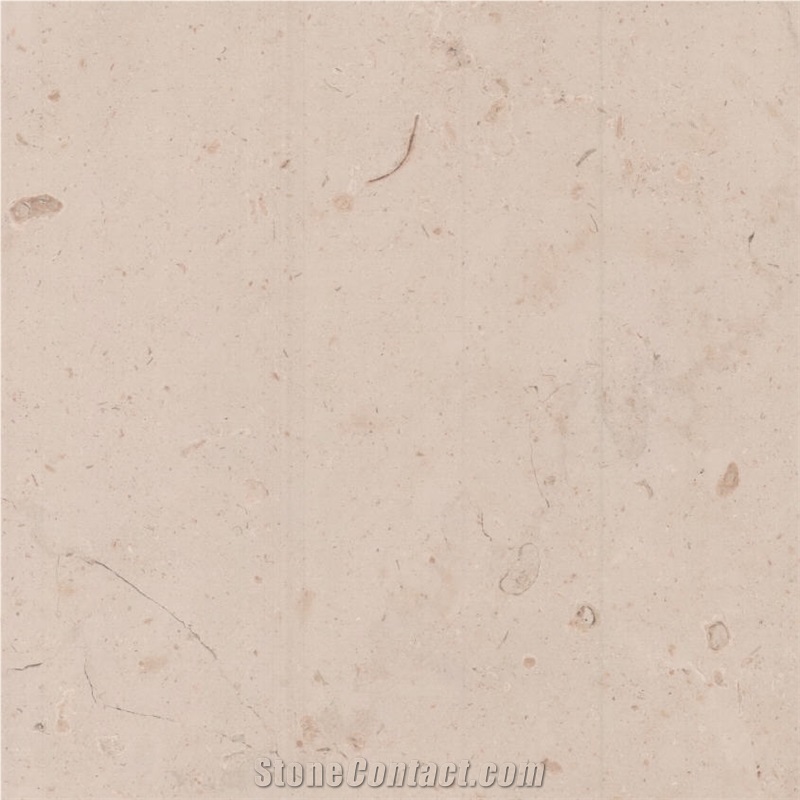
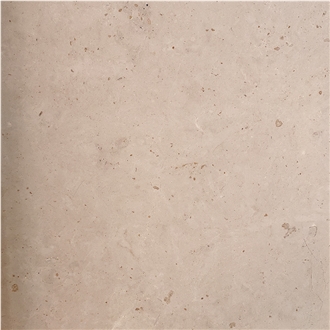
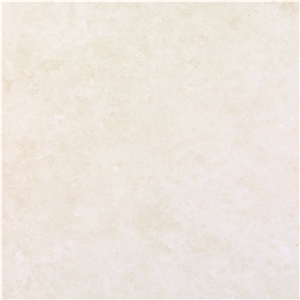
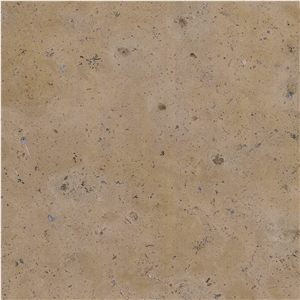
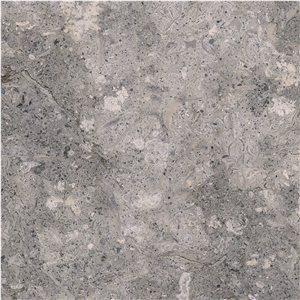
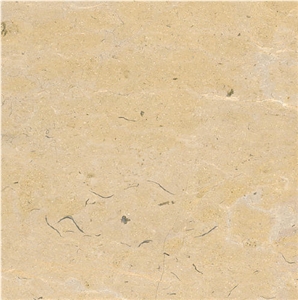
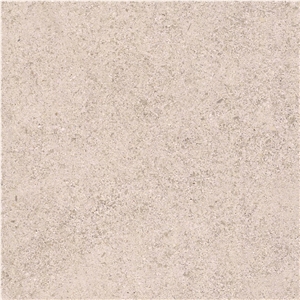
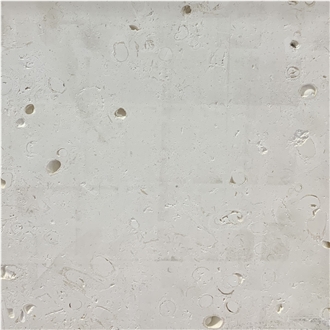
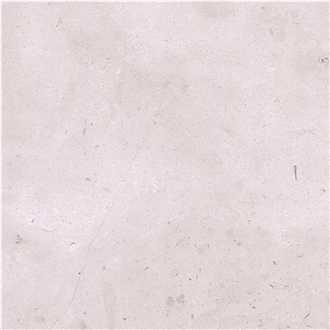
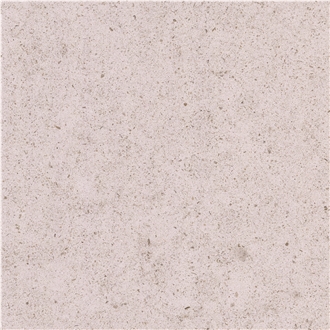
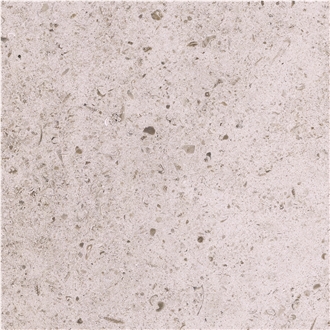
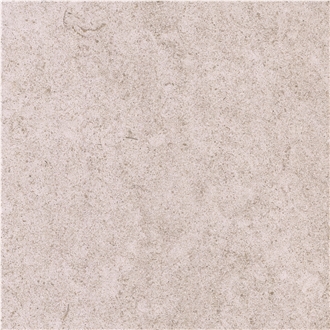
Riyadh Stone exhibits a light beige to cream color, which is often characterized by subtle variations and patterns, including occasional fossilized remains. The stone's neutral tone allows it to complement a wide range of architectural styles and color schemes, making it a popular choice for both traditional and contemporary designs.

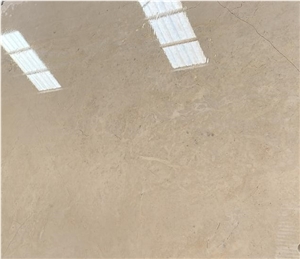
Due to its natural characteristics and aesthetic appeal, Riyadh Stone is utilized in numerous applications. It is commonly used for exterior cladding of buildings, including facades and walls, giving structures a timeless and elegant appearance. The stone is also used in interior applications such as flooring, wall cladding, and fireplace surrounds, adding warmth and texture to living spaces.

Riyadh Stone is highly regarded for its durability and weather resistance. It can withstand the harsh climatic conditions of the region, including extreme heat, sandstorms, and temperature fluctuations. The stone's density and strength make it resistant to wear, ensuring its longevity and minimal maintenance requirements.

One notable feature of Riyadh Stone is its ability to keep buildings cool in hot climates. Its light color reflects sunlight and reduces the absorption of heat, contributing to energy efficiency and thermal comfort in buildings.

The use of Riyadh Stone extends beyond residential and commercial projects. It is also employed in landscaping and outdoor design applications, including pathways, garden features, and decorative elements. Its natural beauty and durability make it an ideal choice for creating harmonious and visually appealing outdoor environments.

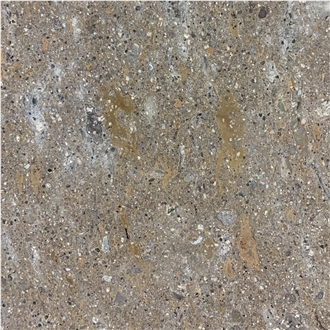
It is worth mentioning that Riyadh Stone may vary in appearance due to the natural characteristics of limestone. Color tones, patterns, and fossilized remains can differ from one piece to another. It is recommended to consult with suppliers and view samples to ensure that the specific Riyadh Stone selected aligns with the desired aesthetic and project requirements.

In summary, Riyadh Stone is a natural limestone quarried in the Riyadh region of Saudi Arabia. Its light beige to cream color, durability, and versatility make it a popular choice for various construction and decorative applications. With its timeless appearance and ability to withstand harsh climates, Riyadh Stone contributes to the aesthetic and functional aspects of architectural projects in the region.

FAQ

Is Riyadh Stone durable for use as urban pavement?

Riyadh Stone is a type of limestone found in Riyadh, Saudi Arabia. It is commonly used as a building material due to its availability and aesthetic appeal. However, its durability as urban pavement can vary depending on several factors. Limestone is generally a durable material that can withstand heavy traffic and weathering. It has been used for centuries as pavement in various cities around the world. However, Riyadh Stone may not have the same level of durability as other types of limestone due to its specific characteristics. Riyadh Stone is a sedimentary rock that can be prone to weathering and erosion over time. It might not be as resistant to wear and tear as granite or basalt, which are commonly used for high-traffic urban pavements. Factors such as the stones porosity, density, and composition can also affect its durability. If properly installed and maintained, Riyadh Stone can still be suitable for urban pavement in low to moderate traffic areas, pedestrian walkways, or decorative purposes. However, for heavy traffic areas or roads, it may not be the most ideal choice. Ultimately, it is important to consider the specific requirements of the project and consult with professionals or local authorities to determine the suitability of Riyadh Stone for urban pavement in a particular location.
Read question details

How should I clean Riyadh Stone pool paving tiles and copings?

To clean Riyadh Stone pool paving tiles and copings, follow these steps: 1. Remove any debris: Clear the area around the pool, removing any leaves, dirt, or other loose debris. 2. Rinse with water: Use a garden hose or pressure washer to rinse the tiles and copings thoroughly with water. This will help remove surface dirt and make the cleaning process easier. 3. Prepare a cleaning solution: In a bucket, mix warm water with a mild detergent or stone cleaner. Follow the instructions on the cleaner packaging for the recommended dilution ratio. 4. Apply the cleaning solution: Use a soft bristle brush or a mop to apply the cleaning solution to the tiles and copings. Scrub gently in a circular motion, working small sections at a time. 5. Focus on stained areas: If there are any stubborn stains or spots, apply the cleaning solution directly to those areas and let it sit for a few minutes before scrubbing. 6. Rinse with water: Once you have scrubbed the entire surface, thoroughly rinse the tiles and copings with water. Ensure that all the cleaning solution is flushed away. 7. Repeat if necessary: If there are still stains or areas that need more attention, you can repeat the cleaning process. However, avoid using harsh chemicals or acidic cleaners as they may damage the Riyadh Stone. 8. Dry the surface: Allow the tiles and copings to air dry naturally or use a clean, dry cloth or mop to soak up the excess water. 9. Apply a protective sealant (optional): This step is recommended if you want to enhance the longevity and appearance of your Riyadh Stone. Follow the manufacturers instructions to apply a suitable stone sealant, which will help protect the surface from staining and weathering. Regular maintenance and cleaning will help keep your Riyadh Stone pool paving tiles and copings looking their best.
Read question details

How should I clean Riyadh Stone wall tiles?

To clean Riyadh Stone wall tiles, you can follow these steps: 1. Dust and sweep: Begin by removing any loose dirt and dust from the tiles using a broom or vacuum cleaner with a soft brush attachment. This will help to prevent scratching during the cleaning process. 2. Prepare a cleaning solution: Mix a mild detergent or stone-specific cleaner with warm water in a bucket. Avoid using acidic or abrasive cleaners as they can damage Riyadh Stone. Always test any cleaner on a small, inconspicuous area first to ensure it does not cause any damage or discoloration. 3. Apply the cleaning solution: Dip a soft sponge or cloth into the cleaning solution and gently scrub the Riyadh Stone tiles. Pay attention to any stains or stubborn dirt, applying a bit more pressure if necessary. Avoid using abrasive scrub brushes or pads, as they can scratch the surface. 4. Rinse the tiles: Once the tiles have been thoroughly cleaned, rinse them with clean water to remove any soapy residue. You can use a damp cloth or sponge to wipe away the cleaning solution. 5. Dry the tiles: Use a clean, dry microfiber cloth or towel to dry the Riyadh Stone wall tiles. This will help prevent water spots and streaks from forming. 6. Apply a stone sealer (optional): If desired, you can apply a stone sealer to protect the Riyadh Stone and enhance its natural color and shine. Follow the manufacturers instructions for application, and make sure the tiles are completely dry before sealing. 7. Regular maintenance: To keep Riyadh Stone wall tiles looking their best, regularly sweep or vacuum to remove any dirt or debris, and promptly clean up any spills to prevent staining. Remember to always follow the manufacturers recommendations and guidelines for cleaning and maintenance of your specific Riyadh Stone tiles.
Read question details

Can Riyadh Stone be used for swimming pool pavement?

Riyadh Stone is a type of limestone commonly found in Riyadh, Saudi Arabia. While it is primarily used for construction and building purposes such as cladding, flooring, and landscaping, it can also be used for swimming pool pavement. However, before using Riyadh Stone for swimming pool pavement, several factors should be considered: 1. Slip Resistance: Ensure that the stone has a slip-resistant surface, as pool decks can get wet and pose a slipping hazard. Riyadh Stone may need additional treatments or finishes to enhance its slip resistance. 2. Durability: The stone should be able to withstand continuous exposure to water, chemicals, and changing weather conditions. Riyadh Stone is known for its durability, but it is essential to select the appropriate type and finish for pool pavement. 3. Heat Resistance: The stone should not absorb too much heat, as it can become uncomfortable to walk on barefoot. Riyadh Stone has a light color, which can help in reflecting heat, but it is advisable to check its heat conductivity properties. 4. Maintenance: Consider the maintenance requirements of Riyadh Stone for a swimming pool pavement. The stone should be easy to clean, preferably with a non-abrasive cleaner to prevent damage. 5. Cost: Riyadh Stone may vary in cost depending on the quality, size, and finish chosen. It is important to consider the budget for the swimming pool pavement project. It is recommended to consult with a professional pool contractor or a stone supplier to ensure the suitability of Riyadh Stone for swimming pool pavement and to determine the best type and finish for your specific needs.
Read question details

Can I use Riyadh Stone for fireplace design?

Yes, Riyadh Stone can be used for fireplace design. Riyadh Stone, also known as Riyadh Limestone, is a type of natural stone commonly used in construction and architectural projects. It has a beautiful light beige color and distinctive veins and textures, which can add elegance and a timeless look to fireplace surrounds and mantels. The durability and heat-resistant properties of Riyadh Stone make it suitable for fireplace applications. However, it is always recommended to consult with a professional designer or architect to ensure that the specific type and characteristics of Riyadh Stone you choose will meet your fireplace design requirements and comply with safety regulations.
Read question details

What is the physical properties of Riyadh Stone?

Riyadh Stone, also known as Riyadh Limestone, is a type of sedimentary rock that is commonly found in the Riyadh region of Saudi Arabia. Some of its physical properties include: 1. Color: Riyadh Stone can range in color from light beige to light brown. Some variations may have hints of pink or grey. 2. Texture: It has a relatively fine-grained texture with a smooth and uniform appearance. However, certain types may have coarser grains or shells embedded in them. 3. Hardness: Riyadh Stone is generally quite durable and has a hardness of 3-4 on the Mohs scale, which means it is softer than some other stones like granite or quartzite. 4. Porosity: Being a sedimentary rock, Riyadh Stone tends to have more significant porosity compared to non-porous rocks. This means it can absorb water or other liquids to some extent. 5. Density: The density of Riyadh Stone varies depending on its composition and porosity. On average, it has a density of about 2.3-2.5 g/cm3. 6. Weathering: Riyadh Stone is known to be relatively resistant to weathering and can withstand harsh climatic conditions. However, prolonged exposure to moisture or acidic substances can cause gradual deterioration. These physical properties make Riyadh Stone suitable for various construction applications like building facades, flooring, cladding, and decorative elements.
Read question details

Can Riyadh Stone be used in waterfall?

Yes, Riyadh Stone can be used in waterfall designs as a natural stone material for creating waterfalls. It is an excellent choice due to its durability, strength, and ability to withstand water exposure. The seamless and natural look of Riyadh Stone can add a touch of elegance and beauty to any waterfall design.
Read question details

Is Riyadh Stone good for water features?

Yes, Riyadh Stone is suitable for water features. It is a natural stone that is highly durable and can withstand exposure to water without any issues. The stone has a unique texture and color that can enhance the aesthetic appeal of water features such as fountains, pools, and water walls. It also has good water resistance properties, making it a popular choice for both indoor and outdoor water features.
Read question details

Is Riyadh Stone good for garden planters?

Riyadh Stone is a type of limestone, commonly used as a building material in Saudi Arabia. It is known for its durability and aesthetic appeal. While it may be used for garden planters, there are a few considerations to keep in mind: 1. Porosity: Riyadh Stone is a porous material, meaning it can absorb water. This characteristic might cause the planter to retain moisture, potentially leading to waterlogged soil and root rot for some plants. To prevent this, it is recommended to line the planter with plastic or use a separate pot . 2. Weight: Riyadh Stone is heavy, making it challenging to move or rearrange your garden planters. Ensure that the chosen location can handle the weight and consider the effort required for any future adjustments. 3. Maintenance: Being a natural stone material, Riyadh Stone may require regular maintenance to prevent staining, discoloration, or weathering. Sealing the stone and periodically cleaning it will help preserve its appearance. Ultimately, whether Riyadh Stone is suitable for garden planters depends on your preferences, the specific plant species you plan to grow, and your willingness to manage the materials characteristics.
Read question details

Can Riyadh Stone be used as bricks?

Yes, Riyadh Stone can be used as bricks. It is a type of limestone that is commonly used in construction for its durability and natural beauty. The stone can be cut and shaped into bricks or blocks, which can be used for various applications, including building facades, walls, and pavements.
Read question details

Mezher

Hello, please we need to know the max size of the Riyadh Stone, Limstone, Sandstone, Travertine. Many thanks

Reply

Ala'a Yousef

Dar Al-Handasah conusltant We are looking to get quotation for Riyadh lime stone for Coping & wall cladding per square meter for our project in Riyadh ( King abdullah International Garden project )

Reply
Visitor

Please contact House of rocks Co.Ltd as we are specialised in producing and manufacturing top quality Natural Riyadh Stone on a large scale. For further inquiries You can reach us at Houseofrocks008@gmail.com or by our official whatsapp number +966559170679. Regards

Imran

Dear Team, I am looking for Riyadh limestone of 200 sqm 50 mm thickness.. could you please share the pricing with quotation

Reply

Piyal Ratnapala

Hi I am preparing a budget for 200 villa project let me have prices

Reply

Md Wasim Raza

what is price of 450-meter square.

Reply

ayoob

we need Riyadh Stone 60cm X 30cm x 5cm thick please provide the time and unit price we need more than 1000 Square meters

Reply

Frasat Hashmi

Hi I am a Cost Manager working as a Project management Consultant, As per our Client requirement We require natural stone for Building facade external cladding works, the quantity required is 19,000 sqm. We request quotations from your side for our projects based in Jeddah.

Reply

Frasat Hashmi

Hi I am a Cost Manager working as a Project management Consultant, As per our Client requirement We require natural stone for Building facade external cladding works, the quantity required is 19,000 sqm. We request quotations from your side for our projects based in Jeddah.

Reply

Madhu

Could you please us on the Solar Reflectivity Index of Riyadh Stone. This is required for the LEED certification of our project

Reply

Ross Cochrane

Good Afternoon, I want to reach out regarding your natural Saudi Limestone. We are an architectural firm based in Dubai & Hong Kong with a number of high-end profile projects in North Saudi Arabia. Would you be able to supply further information on the natural stone available? Additionally, We would love the opportunity to see any samples. Look forward to hearing back. Ross Cochrane Architect 1ODesign

Reply

Products & Prices

Hot Limestone

New Limestone

Post Your Request

The request includes:
  1. surface finished, size
  2. quantity required