Post Your Needs

Limra Limestone

White - Limestone

Turkey

About

Item Details

Material Type:
Limestone
Origin:
Turkey (Finike-Demre, Antalya)
Primary Color(s):
White
Recommended Usage:
Kitchen and bathroom countertops, monuments, building stone, ornamental stone, stairs, interior, exterior wall and floor applications, mosaic, waterjet pattern, balustrades, fireplaces, columns, wall panels
Additional Names:
Crema Classic Lymra Limestone, Lymra Limestone, Limyra Limestone, Lymyra Limestone, Lymra Cleopatra Limestone, Limra White Limestone, Antalya Limestone, in China Stone Market: 土耳其白砂石(Tǔ'ěrqí báishā shí), Limra Limestone
Finished Surface:
Polished,Bush Hammered,Tumbled,Brushed,Honed,Split,Machine Cut,Natural Surface,Sandblasted,Acid Washing,Combed,Leathered,Water Jet,Filled,Chiseled,Pickling

Testing

Water Absorption:
4.11 By weight %, 9.35 By volume %
Density:
2310 - 2450 kg/m3
Flexural Strength:
6.2 MPa
Compressive Strength:
39.62 - 44.6 MPa

Description

Limra Limestone is a well-known natural stone that originates from the Limra region in Turkey. It is highly regarded and widely used in the construction industry for its exceptional quality, elegant appearance, and versatility. Limra Limestone has been used for centuries in various architectural projects, both historical and modern.

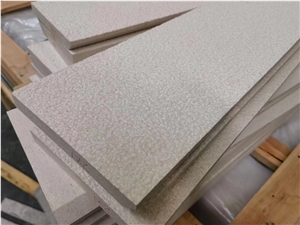
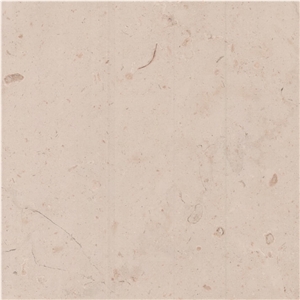
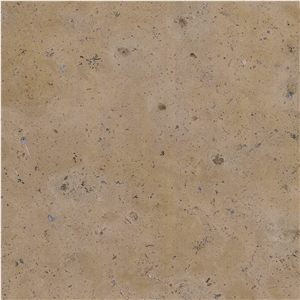
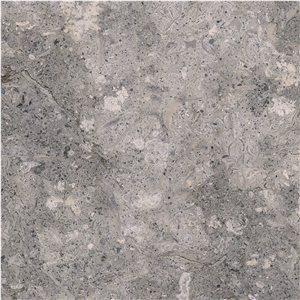
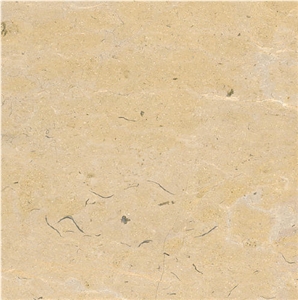
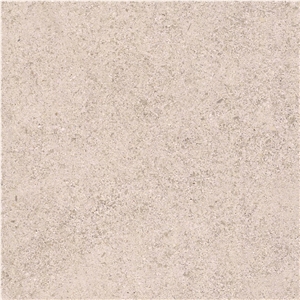
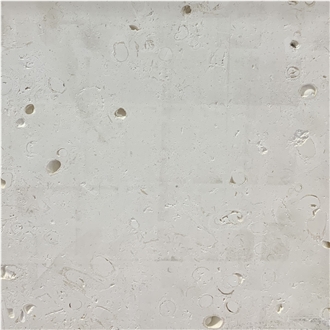
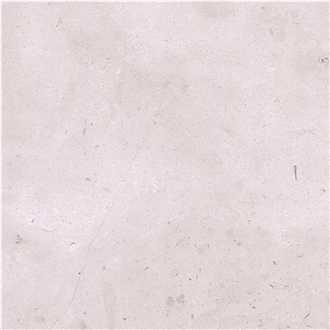
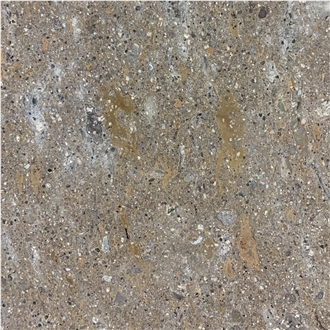
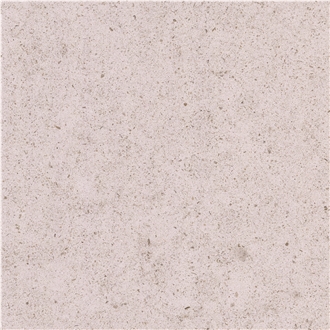
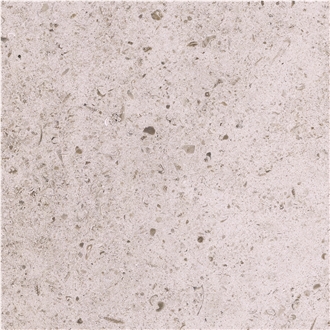
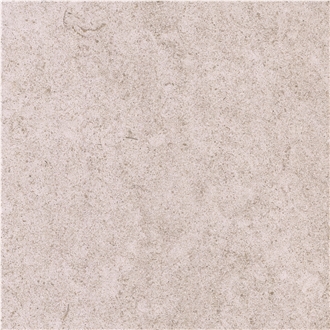
Appearance: Limra Limestone is characterized by its light and creamy color palette, ranging from soft white to pale beige. It showcases a consistent and uniform background, devoid of strong veining or patterns. The stone's uniformity allows for a clean and minimalist look, making it a popular choice for contemporary designs. The light color of Limra Limestone creates a bright and open ambiance in interior spaces, providing a sense of airiness and sophistication.

Texture and Finish: Limra Limestone typically has a smooth and honed texture that showcases its natural beauty. The honed finish gives the stone a matte appearance, while also offering a velvety touch. This finish is commonly preferred for interior applications, including flooring, wall cladding, and countertops. However, other finishes such as polished or brushed may also be available depending on the desired aesthetic and project requirements.

Durability and Strength: As a limestone, Limra Limestone possesses good durability and strength, suitable for a variety of applications. However, it is important to note that limestone is a relatively softer stone compared to granite or marble, which means it may be more susceptible to scratching and abrasion. Therefore, proper care and maintenance, including regular sealing, are recommended to preserve its appearance and protect against staining.

Applications: Limra Limestone is widely used in both residential and commercial projects due to its versatile nature. It is a popular choice for interior flooring, especially in areas where a light and neutral color scheme is desired. The soft and consistent appearance of Limra Limestone can create a sense of spaciousness and elegance in living spaces, hallways, and common areas.

Limra Limestone is also commonly utilized for wall cladding, providing a timeless and refined look to both interior and exterior walls. Its light color helps to reflect natural light, contributing to a bright and inviting atmosphere. Additionally, it is suitable for creating architectural features, such as columns, fireplaces, and decorative accents, adding a touch of sophistication to any design.

Quarrying: Limra Limestone is quarried from the Limra region in the Antalya province of Turkey. The region is known for its rich limestone deposits and has a long history of quarrying this particular stone. Skilled quarry workers extract large blocks of Limra Limestone from the earth using modern quarrying techniques and equipment. The blocks are then cut into slabs or customized into various shapes and sizes, ready for use in construction and design projects.

In conclusion, Limra Limestone is a prized natural stone quarried in the Limra region of Turkey. Its light and creamy appearance, along with its durability and versatility, make it a popular choice for a range of architectural and design applications. Whether used for flooring, wall cladding, or decorative elements, Limra Limestone adds a touch of elegance and sophistication to both residential and commercial spaces.

Chemical Analysis

Al 2O 3 % 0.25
CaO %54
Fe 2O 3 %0.07
K 2O -
MgO % 0.8
SiO 2 %0.15
SM %0.47
ALM %3.57
Loss on Ignition %42
TOTAL 97.27

Not measurable ,% 2.73

FAQ

How can I repair the scratched surface of the Limra Limestone tiles?

To repair the scratched surface of Limra Limestone tiles, you can follow these steps: 1. Clean the tiles: Start by cleaning the entire surface of the tiles using a mild detergent mixed with warm water. Use a soft cloth or sponge to gently scrub away any dirt or grime. Rinse the tiles thoroughly and allow them to dry completely. 2. Remove surface scratches: Light surface scratches can often be buffed out using a marble polishing powder. Mix the powder with water to form a paste and apply it to the scratched area. Use a soft cloth or buffer machine to gently rub the paste onto the surface in circular motions. Continue buffing until the scratches appear less visible. Rinse the tiles again and wipe them dry. 3. Fill deeper scratches: If the scratches are deeper, you may need to fill them with a color-matching epoxy resin or filler. Follow the manufacturers instructions for mixing and applying the filler. Use a small putty knife or spatula to apply the filler into the scratches, ensuring they are completely filled. Allow it to dry according to the products drying time. 4. Sand and smooth: Once the filler has dried, lightly sand the area with fine-grit sandpaper until it is smooth and level with the surrounding surface. Be careful not to sand too aggressively and remove too much of the filler. 5. Polish and seal: After the filled and sanded area is smooth, use a marble polishing compound or a natural stone sealer to restore shine and protect the tiles. Apply the polish or sealer according to the manufacturers instructions, and allow it to dry completely before using the tiles. Remember to always test any cleaning or repair products on a small, inconspicuous area first to ensure they do not cause any damage or discoloration to your Limra Limestone tiles.
Read question details

Is Limra Limestone durable for use as outdoor terrace pavers?

Yes, Limra Limestone is generally considered durable for use as outdoor terrace pavers. Limestone in general is a durable natural stone that is used for various outdoor applications, including walkways, patios, and terraces. Limra Limestone, specifically, is known for its light color and fine texture, making it a popular choice for both interior and exterior design projects. It has good resistance to weathering, which makes it suitable for outdoor use. However, it is always recommended to properly seal and maintain the stone to enhance its durability and longevity.
Read question details

Does Limra Limestone scratch easily?

Limra Limestone is a type of natural stone that is relatively soft compared to other types of limestone. While it is less prone to scratching than some other stones, it can still be scratched if not properly cared for. It is important to avoid dragging heavy or sharp objects across the surface of Limra Limestone to minimize the risk of scratching. Additionally, using a cutting board or protective mat on countertops can help prevent scratches from knives or other sharp objects. Regular cleaning and maintenance, such as sealing the stone and using non-abrasive cleaners, can also help preserve its appearance and reduce the likelihood of scratches.
Read question details

Can Limra Limestone be used as a kitchen cutting board?

Limra Limestone is generally not recommended for use as a kitchen cutting board. Limestone is a sedimentary rock that can be quite porous, soft, and prone to scratching. The porous nature of the stone makes it susceptible to absorbing liquids, stains, and potentially harboring bacteria. Additionally, its softness can result in it being easily scratched or damaged by the knives used in food preparation. For cutting boards, it is generally better to choose materials that are non-porous, hard, and less likely to scratch, such as wood (e.g., bamboo or hardwoods like maple or walnut), plastic (e.g., high-density polyethylene), or certain types of composite materials specifically designed for this purpose. These materials are more hygienic, easier to clean, and provide a durable surface for cutting food.
Read question details

Can Limra Limestone be used for swimming pool coping?

Yes, Limra Limestone can be used for swimming pool coping. Limra Limestone is a popular choice for pool coping as it has a natural and beautiful look, is durable, and can withstand exposure to water and chemicals. It is also slip-resistant and provides a comfortable and safe surface around the pool area.
Read question details

Does Limra Limestone need sealed?

Limestone is a natural stone that is porous and can absorb liquids easily. Therefore, it is advisable to seal Limra Limestone to protect it from staining and water damage. Sealing the limestone helps to prevent dirt, oil, and other substances from penetrating the stone and causing long-term damage. Additionally, it enhances the natural color of the limestone and makes it easier to clean and maintain.
Read question details

Is Limra Limestone resistant to heat?

Limra Limestone is generally considered to be heat-resistant. Limestone is a natural stone that can withstand high temperatures, making it suitable for applications such as flooring, countertops, and fireplace surrounds. However, it is important to note that extreme and sudden changes in temperature can cause stress to the stone, which may lead to cracking or other damage. It is always recommended to consult with a professional and follow proper care and maintenance guidelines to ensure the longevity and durability of any limestone product.
Read question details

Is Limra Limestone good for table tops?

Limra Limestone is a popular choice for table tops due to its durability and aesthetic appeal. It is known for its creamy white color and subtle veining, which can add an elegant touch to any space. Additionally, Limra Limestone is relatively low in porosity, making it resistant to staining and water damage. However, it is important to note that natural stone like Limra Limestone does require regular maintenance and sealing to keep it in good condition. Additionally, it may be more prone to scratching compared to harder stones like granite or quartz. Overall, if properly cared for, Limra Limestone can be an excellent choice for table tops.
Read question details

What are the types of Limra Limestone molding border designs?

Limra Limestone is a type of natural stone that is commonly used for molding border designs. Some of the types of Limra Limestone molding border designs include: 1. Straight Edge Border: This design features a straight, clean edge that can be used to create a simple and modern border. It is often used to frame larger areas or to create a clean separation between different sections of a space. 2. Wave Border: This design mimics the curved shape of ocean waves and can add a sense of movement and fluidity to a space. It is a popular choice for more decorative or artistic applications. 3. Scalloped Border: This design features a series of curved, semi-circular indentations that create a scalloped edge. It is commonly used to add a touch of elegance and sophistication to a space. 4. Greek Key Border: This design is inspired by ancient Greek patterns and features a repetitive, interlocking pattern of rectangular shapes. It can add a timeless and classical look to a space. 5. Floral Border: This design incorporates various floral or botanical motifs, such as leaves, vines, or flowers. It can add a natural and organic element to a space, and is often used in more traditional or rustic settings. These are just a few examples of the types of Limra Limestone molding border designs. The exact designs available may vary depending on the supplier or manufacturer of the stone.
Read question details

What is the difference between Limra Limestone baseboard and moulding?

Limra Limestone baseboard and molding are architectural elements used for decorative and functional purposes in interior design. While they have some similarities, there are key differences between the two: 1. Purpose: Baseboards are primarily used to cover the joint between the floor and the wall, providing protection from impacts and helping to conceal any gaps or imperfections. On the other hand, moldings are decorative elements that enhance the visual appeal of a space, often used around doors, windows, or ceilings to add architectural detail. 2. Location: Baseboards are installed horizontally along the bottom of the wall, touching the floor, while moldings can be installed in various locations, such as the top of the wall (crown molding), around windows or doors (casing), or between the wall and ceiling (chair rail or picture rail). 3. Functionality: Baseboards are primarily functional, providing a practical solution to protect the walls from furniture, vacuums, or mops, and to cover any gaps left during construction. Moldings, on the other hand, are mainly decorative, adding character, visual interest, and elegance to a space. 4. Design and size: Baseboards are typically simpler in design and have a more uniform width, with a focus on functionality rather than elaborate ornamentation. Moldings, however, come in various designs, profiles, and sizes, offering a wide range of decorative possibilities based on architectural styles and personal preferences. In the case of Limra Limestone, it refers to a specific type of natural stone used to manufacture both baseboards and moldings. The material provides a consistent and elegant appearance, creating a cohesive look when used throughout a space.
Read question details

Products & Prices

View More

Hot Limestone

New Limestone

Post Your Request

The request includes:
  1. surface finished, size
  2. quantity required