Post Your Needs

Myra Limestone

About

Material Type:
Limestone
Origin:
Turkey (Demre, Kale, Antalya)
Primary Color(s):
Beige
Recommended Usage:
Kitchen and bathroom countertops, monuments, building stone, ornamental stone, stairs, interior, exterior wall and floor applications, mosaic, waterjet pattern, wall panels, table tops, window sills
Additional Names:
Antalya Limestone, Myra Beige Limestone, Myra Stone, JM Limestone, Naturelmar Myra, Myra Ivory Limestone, Limra Limestone, Myra Fiore Limestone, Luna Fiore Limestone, Myra Limestone
Finished Surface:
Polished,Bush Hammered,Tumbled,Brushed,Honed,Split,Machine Cut,Natural Surface,Sandblasted,Acid Washing,Combed,Leathered,Water Jet,Filled,Chiseled,Pickling

Testing

Water Absorption:
% By volume 8.43 ± 0.47, % By weight 3.557 ± 0.21
Density:
2688.7 ± 12.7 Kg/m3
Flexural Strength:
5.5 - 6.1 �� 0.5 MPa
Compressive Strength:
45.0 - 52.7 �� 4.8 MPa

Description

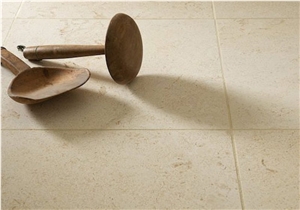
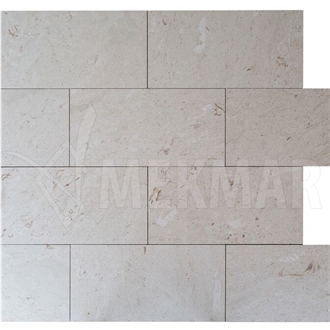
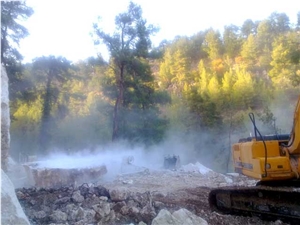
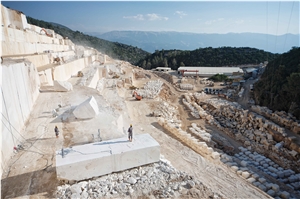
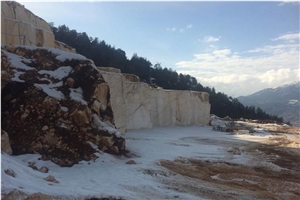
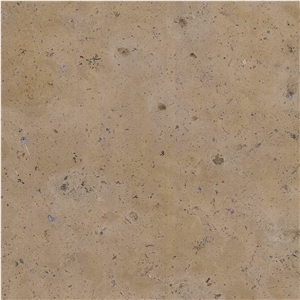
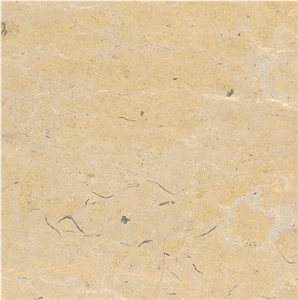
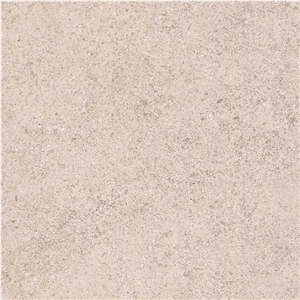
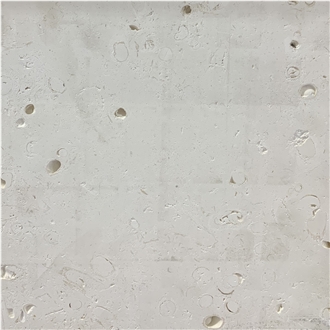
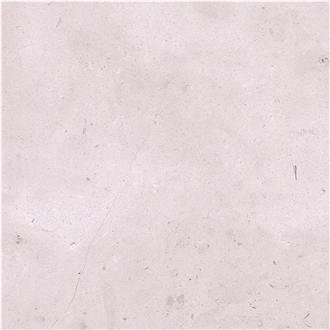
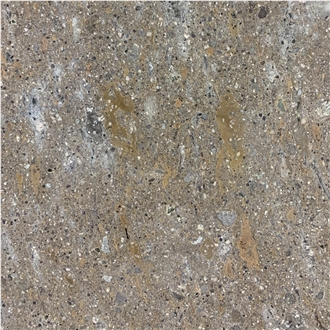
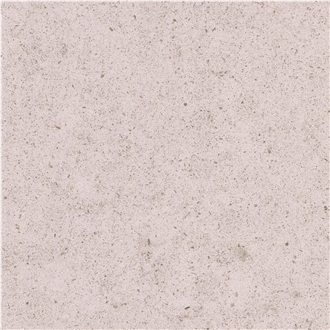
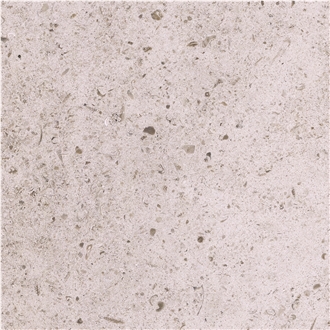
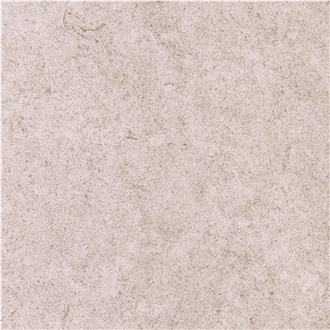
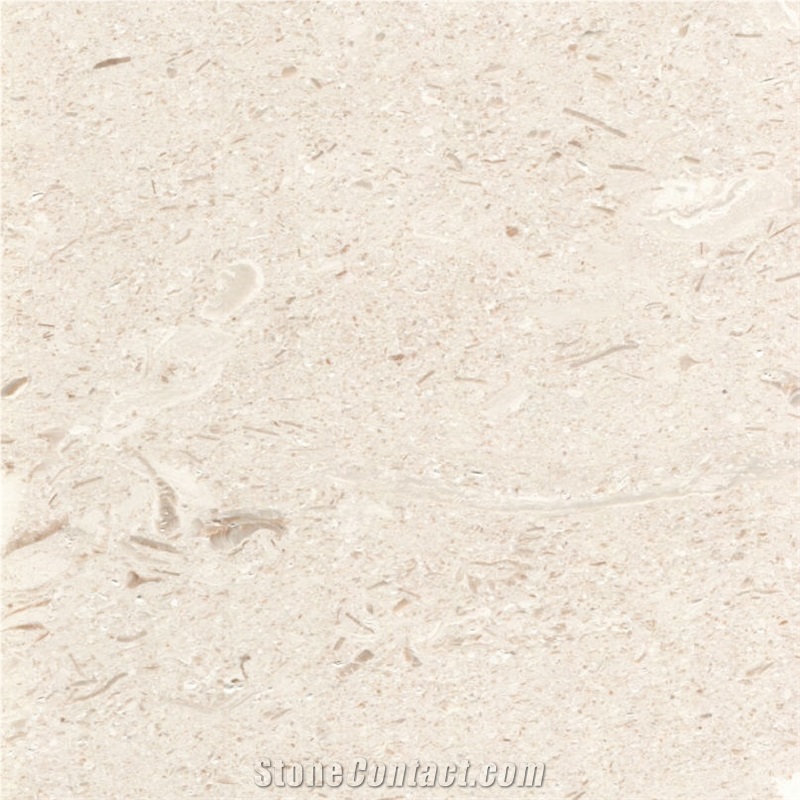
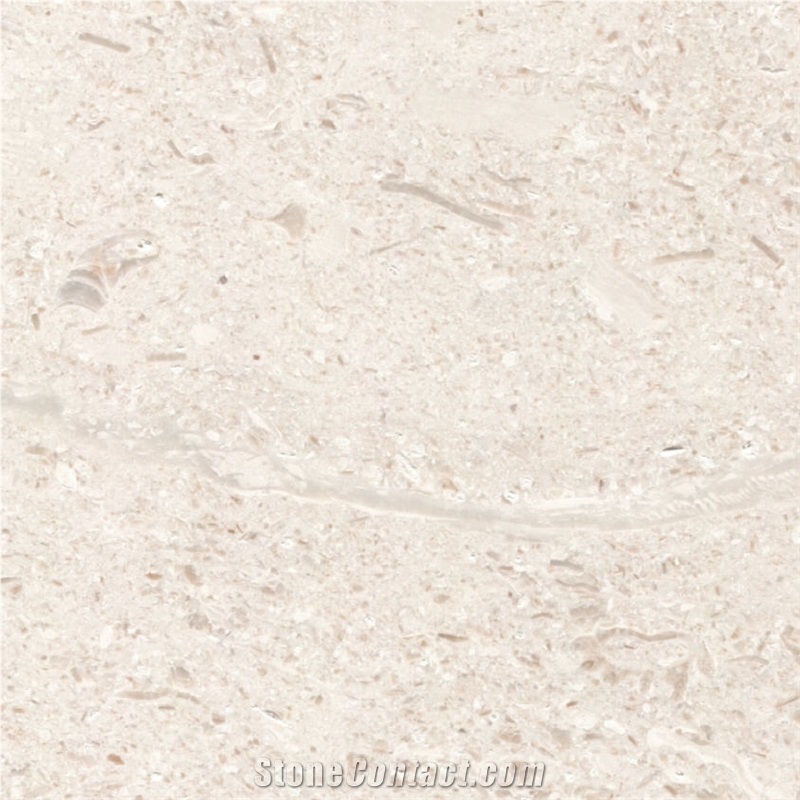
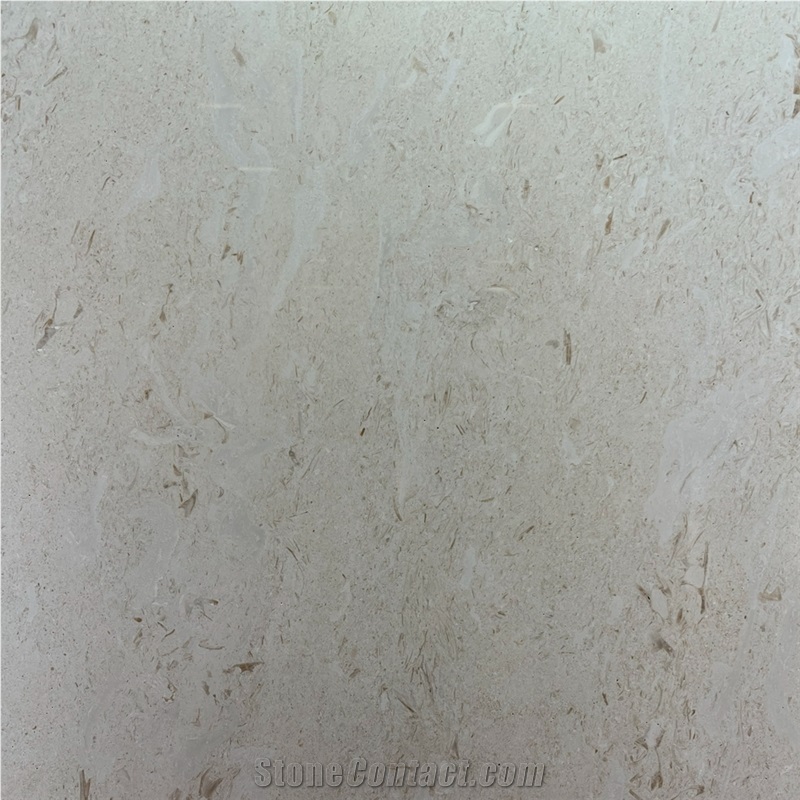
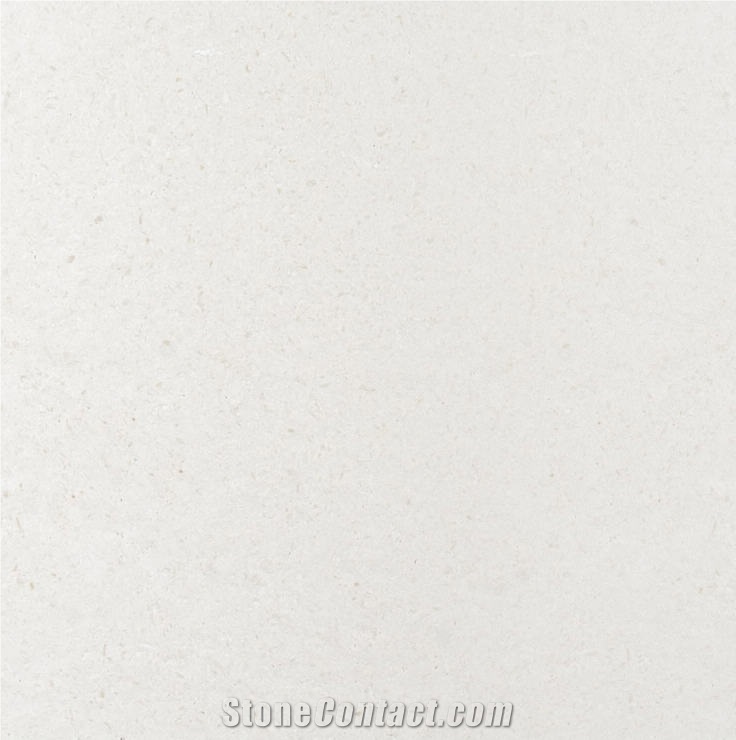
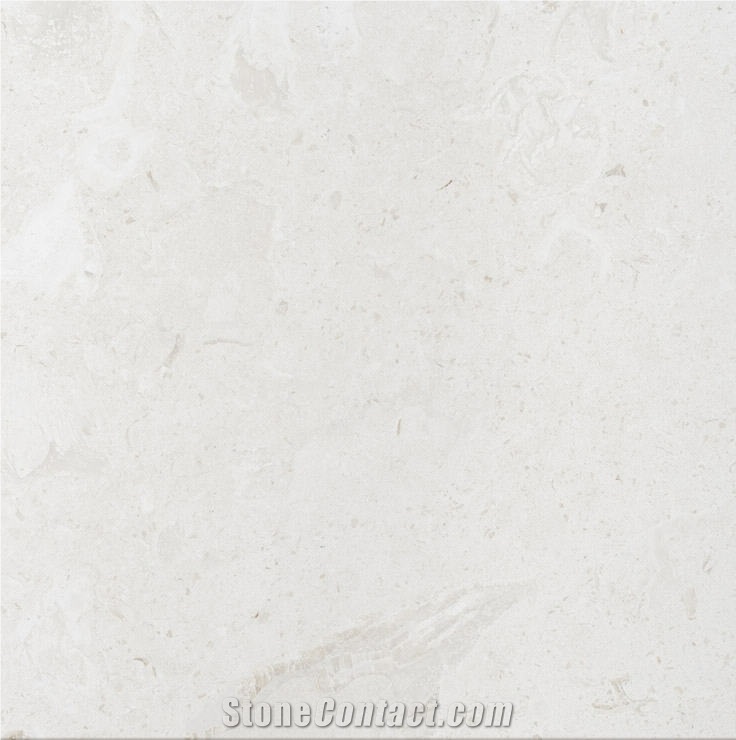
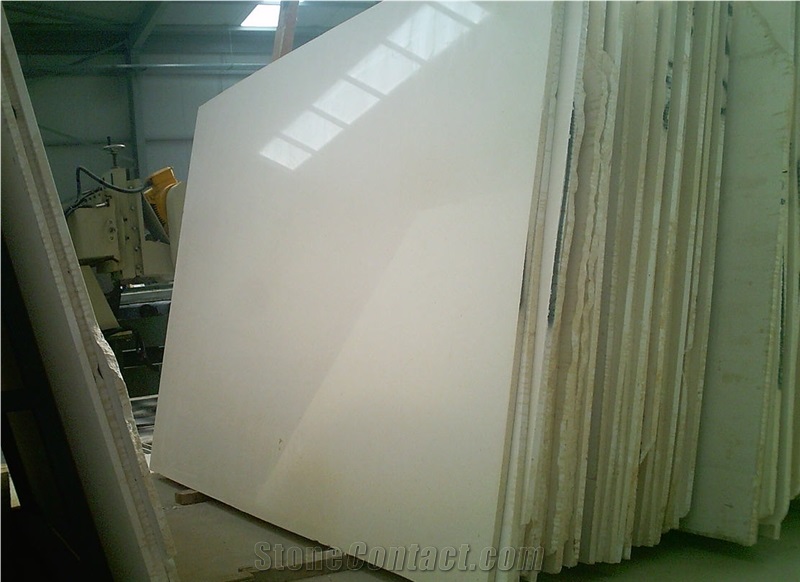
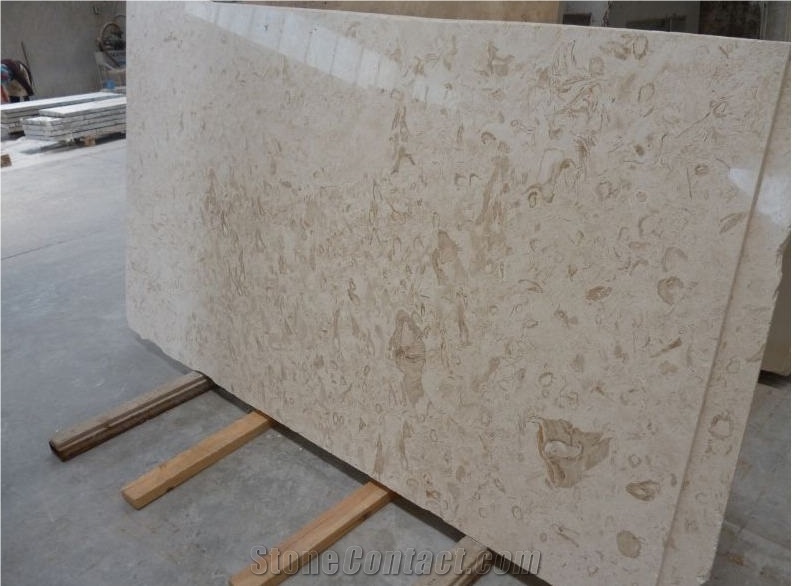
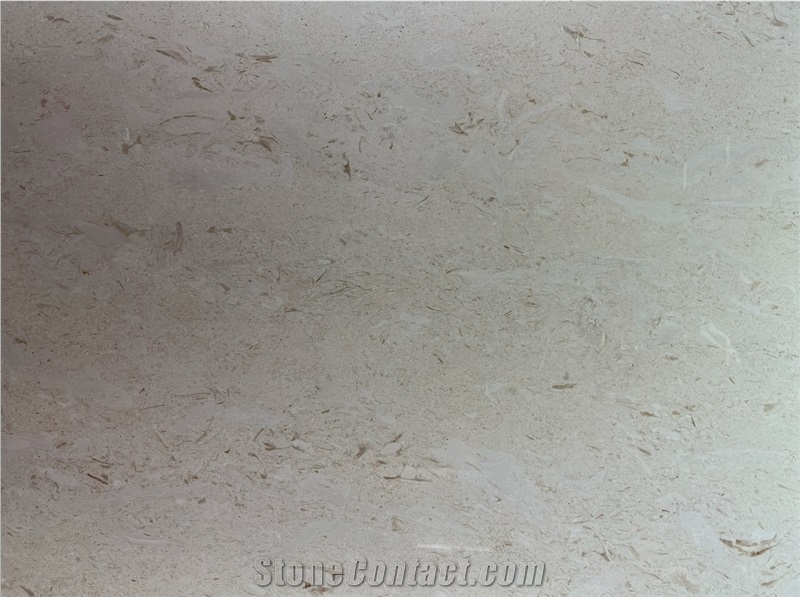
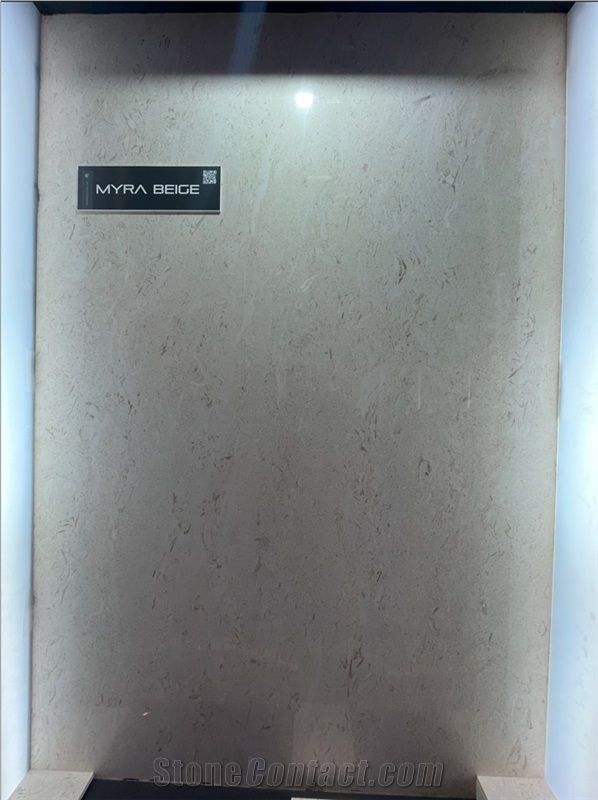
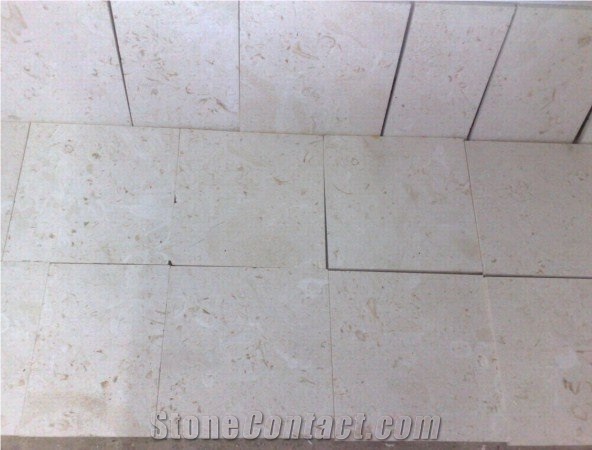
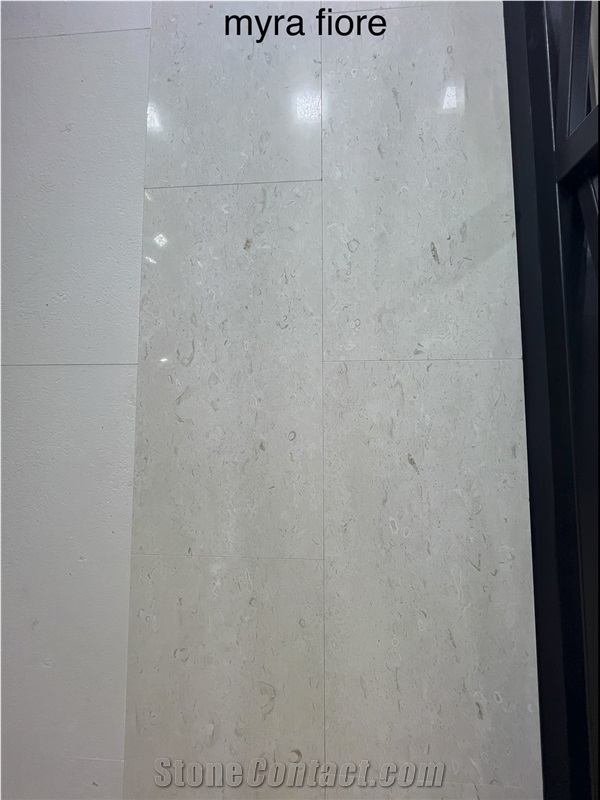
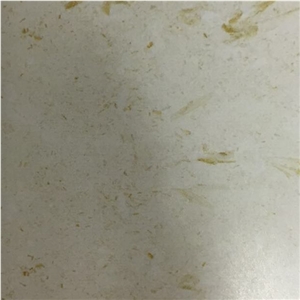
Myra Limestone, also recognized as Antalya Limestone or Limra White Limestone, is a remarkable and elegant natural stone known for its bone white to light creamy beige hues and distinctive fossilized features. This limestone is quarried in the region of Demre, Kale, Antalya, Turkey, and it exudes an air of sophistication and timelessness.

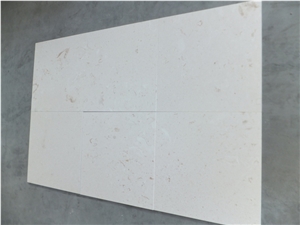
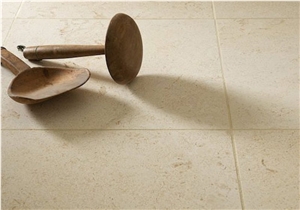
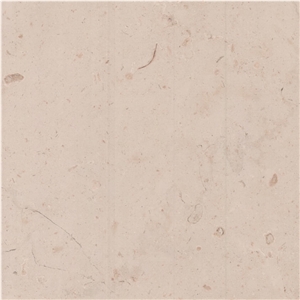
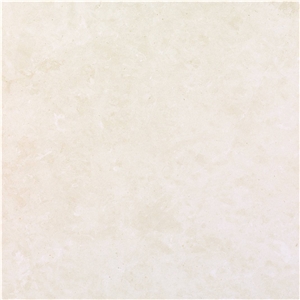
The primary color palette of Myra Limestone ranges from bone white to light creamy beige. These soft and neutral tones create an atmosphere of purity and serenity, making it a sought-after choice for creating tranquil and refined spaces. The light hues of the limestone are reminiscent of the sunlit Mediterranean coastlines, adding a touch of natural elegance to any interior or exterior application.

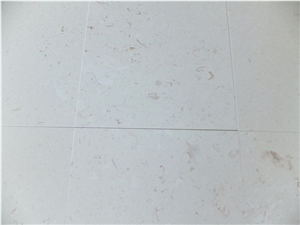
The fossilized elements found in Myra Limestone are one of its standout features. Fossils and sedimentary markings create subtle and intricate patterns within the stone, telling a story of the limestone's formation over millions of years. These organic details add character and depth to the stone's appearance, infusing a sense of history and connection with nature into the design.

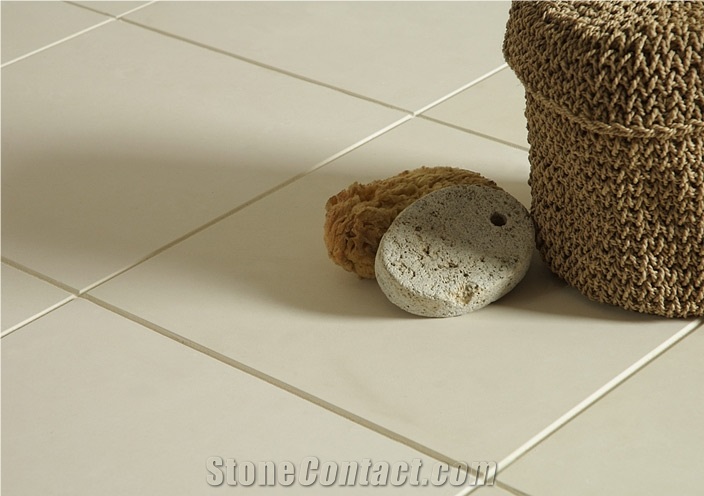
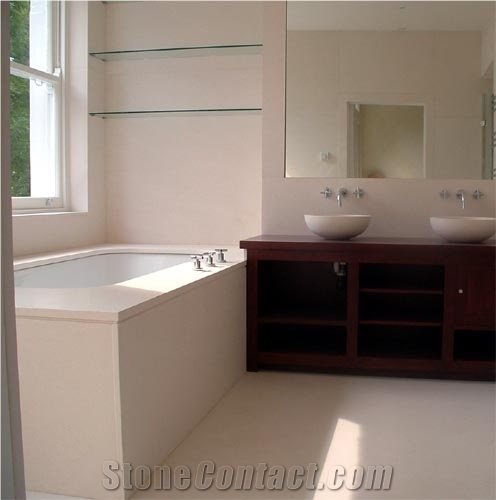
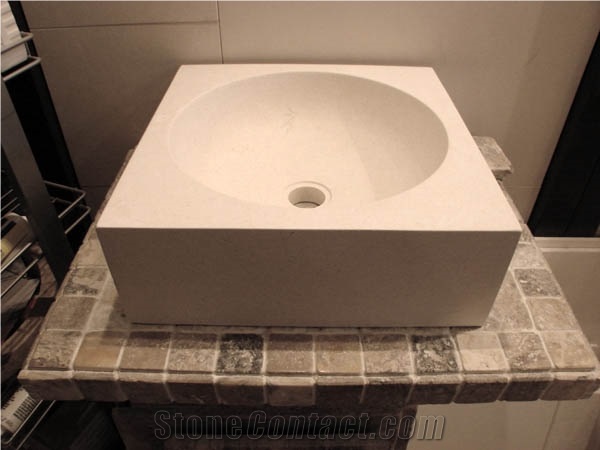
Myra Limestone's gentle color variations and timeless qualities make it a versatile choice for interior and exterior design. In interior spaces, it is often employed for flooring, wall cladding, countertops, and even decorative accents. The light hues and delicate fossil patterns can contribute to a sense of airiness and sophistication, allowing the stone to complement various design styles.

Outdoors, Myra Limestone can enhance the beauty of architectural elements, garden pathways, and exterior cladding. Its light color helps reflect sunlight, creating a bright and inviting atmosphere in outdoor areas. The limestone's durability against weathering ensures that it remains resilient and beautiful even in outdoor settings.

The names Antalya Limestone and Limra White Limestone reflect its origin and appearance. Antalya refers to the region in Turkey where the limestone is quarried, while Limra White pays homage to its bone white and light creamy beige tones.

In summary, Myra Limestone, also known as Antalya Limestone or Limra White Limestone, is an elegant and versatile natural stone quarried in Demre, Kale, Antalya, Turkey. Its bone white to light creamy beige colors, combined with delicate fossilized features, create a tranquil and timeless aesthetic. The limestone's versatility, durability, and connection to nature make it a popular choice for enhancing the beauty of both interior and exterior spaces.

FAQ

Can Turkey's Myra Limestone be used exterior applications in cold climates?

Myra Limestone is a type of limestone that is commonly found in Turkey. It is known for its relatively low porosity, durability, and resistance to weathering. While it can be used for exterior applications, its suitability in cold climates depends on various factors. In general, limestone is a natural material that can be affected by freeze-thaw cycles in cold climates. When water gets into the pores of the stone and then freezes, it expands and can cause the stone to crack or spall over time. This is a common concern for many natural stones, including limestone. However, Myra Limestone is known to have a lower porosity compared to some other types of limestone. Its lower porosity makes it less susceptible to water absorption and therefore less prone to damage from freeze-thaw cycles. This characteristic makes it more suitable for exterior use in cold climates compared to other types of limestone. Nevertheless, it is important to consider other factors such as the specific climate conditions, installation techniques, and maintenance practices. If the climate experiences severe freeze-thaw cycles, it might be beneficial to choose a limestone with an even lower porosity or consider additional protective measures such as sealants or coatings. Consulting with a local stone supplier or a professional installer who has experience with Myra Limestone or similar materials can provide more specific guidance on its suitability for your desired exterior application in a cold climate.
Read question details

How thick is Turkey's Myra Limestone slabs?

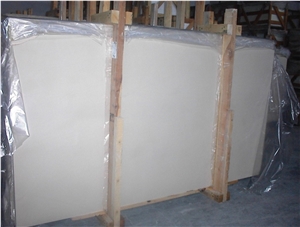
The thickness of Turkeys Myra Limestone slabs can vary depending on the specific product and manufacturer. However, common thickness options for Myra Limestone slabs range from 2 centimeters (0.79 inches) to 3 centimeters (1.18 inches).
Read question details

How can I repair the scratched surface of the Myra Limestone tiles?

To repair the scratched surface of Myra Limestone tiles, you can follow these steps: 1. Clean the tiles: Start by thoroughly cleaning the tiles with a mild detergent and warm water. This will remove any dirt or grime that could get trapped in the scratches during the repair process. 2. Assess the severity of the scratches: Determine the depth of the scratches. Light surface scratches can be easily repaired, while deeper scratches may require more extensive methods. 3. Stone filler or epoxy: For light surface scratches, you can use a stone filler or epoxy specifically designed for limestone. Apply the filler or epoxy to the scratched area, following the manufacturers instructions. Use a putty knife or plastic scraper to evenly distribute the filler over the surface, filling in the scratches. 4. Sand the area: After the filler has dried completely, use fine-grit sandpaper to gently sand the repaired area. Start with a higher grit sandpaper (200-400) and gradually work your way up to a finer grit (800-1200). This will help blend the repaired area with the rest of the tiles surface. 5. Clean and seal: Once the surface is smooth and the scratches are less visible, clean the tiles again to remove any dust or debris. After drying, apply a limestone sealer to protect the repaired area and the entire tile surface. Follow the manufacturers instructions for proper application and drying time. 7. Prevent future damage: Place felt pads under furniture legs to avoid direct contact with the floor, and use rugs or mats in high-traffic areas. Regularly clean and maintain the tiles to keep them in good condition. Note: If the scratches are too deep or extensive, it may be necessary to consult with a professional stone restoration specialist for more advanced repair options.
Read question details

Is Myra Limestone durable for use as outdoor terrace pavers?

Yes, Myra Limestone is known for its durability and can be used as outdoor terrace pavers. It is a natural stone with high strength and resistance to wear, making it suitable for outdoor applications. However, it is always recommended to consult with a professional or supplier to ensure that Myra Limestone is suitable for your specific project and climate conditions.
Read question details

Does Myra Limestone scratch easily?

Myra Limestone is a type of limestone that is known for its durability and resistance to scratching. However, like any natural stone, it can still be susceptible to scratching if not properly cared for or if subjected to sharp or abrasive materials. It is always recommended to use coasters, mats, and trivets to protect the surface from potential scratches. Regular cleaning and maintenance can also help preserve the appearance and prevent any potential scratching.
Read question details

Can Myra Limestone be used as a kitchen cutting board?

No, Myra Limestone should not be used as a kitchen cutting board. Limestone is a sedimentary rock that is not food-safe and is not suitable for direct contact with food. It is also a relatively soft material and may be prone to scratching and damage from knives. It is recommended to use materials specifically designed for cutting and preparing food, such as wood or plastic cutting boards.
Read question details

Can Myra Limestone be used for swimming pool coping?

Myra Limestone can be used for swimming pool coping. It is a durable natural stone that can withstand pool chemicals and the elements. Its neutral color and smooth texture make it a popular choice for pool coping, providing a clean and elegant look. However, it is always recommended to consult with a professional installer or pool builder to ensure proper installation and compatibility with your specific swimming pool.
Read question details

Does Myra Limestone need sealed?

Yes, Myra Limestone typically needs to be sealed to protect it from stains, scratches, and other damages. Sealing the limestone will help to keep it looking fresh and new for a longer period of time. It is recommended to consult with a professional or follow the manufacturers instructions for the proper sealing process.
Read question details

Is Myra Limestone resistant to heat?

Limestone is generally not resistant to heat and may be prone to thermal expansion, cracking, or discoloration when exposed to high temperatures. It is important to note that different types of limestone may have varying levels of heat resistance. If you are specifically referring to the Myra Limestone brand, it would be best to consult with the manufacturer or supplier for specific information on its heat resistance capabilities.
Read question details

Is Myra Limestone good for table tops?

Yes, Myra Limestone can be a good choice for table tops. It is known for its beautiful and unique natural patterns and colors, making it a visually appealing option. Additionally, limestone is a durable and strong material that can withstand daily use and is relatively easy to maintain and clean. However, it is important to note that limestone is a porous material and may require sealing to prevent stains and damage from spills.
Read question details

Products & Prices

Hot Limestone

New Limestone

Post Your Request

The request includes:
  1. surface finished, size
  2. quantity required