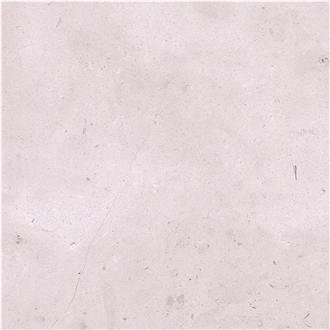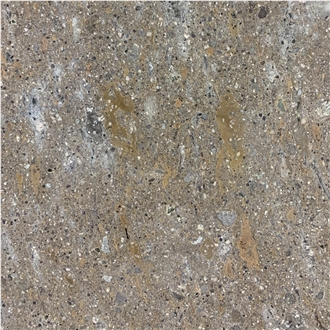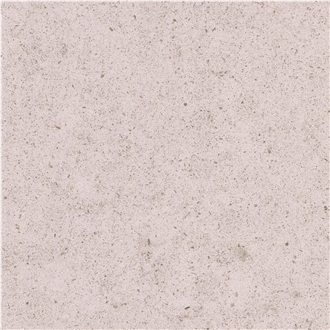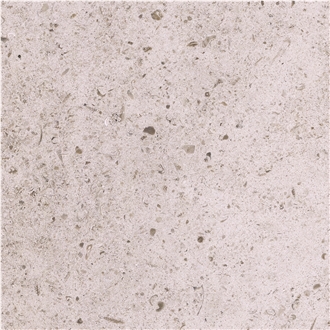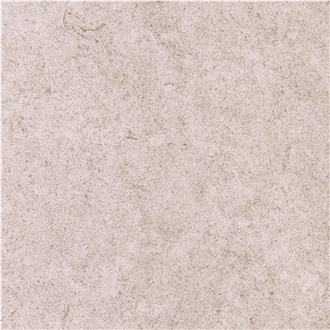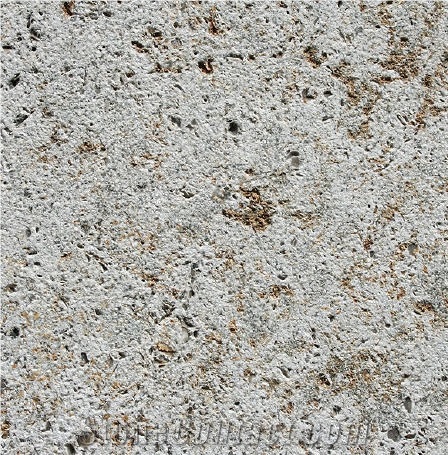
 Poland
 Can Poland's Mucha Limestone be used exterior applications in very humid climates?
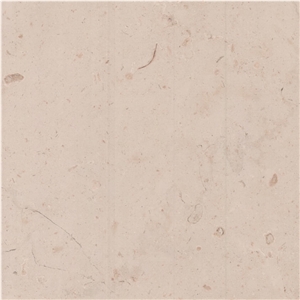
Polands Mucha Limestone can be used in exterior applications in humid climates, but it is important to take certain precautions. Limestone is a natural stone that is generally durable and weather-resistant. However, its performance in humid conditions can depend on factors such as the specific type of limestone, its finish, and maintenance.
One potential issue with limestone in humid climates is its susceptibility to moisture absorption. Some limestone varieties are more porous than others, meaning they can absorb more moisture. This may lead to discoloration, staining, or the growth of mold and algae over time. To mitigate these issues, it is important to choose a limestone variety with low porosity or apply a suitable sealer to reduce water absorption.
It is also important to consider the limestones finish for exterior applications in humid climates. A honed or textured finish can provide better resistance against moisture compared to a polished finish, as it reduces the risk of slipperiness and provides a more rugged surface.
Regular maintenance and cleaning are crucial in humid climates to prevent the growth of mold and algae and to keep the limestones appearance intact. This may include periodic sealing, cleaning with a mild detergent, and avoiding the use of harsh chemicals that can damage the stone.
In conclusion, while Polands Mucha Limestone can be used in exterior applications in humid climates, it is important to choose a suitable variety with low porosity, consider the finish, and follow proper maintenance procedures to ensure its long-term performance and appearance. Consultation with a local stone specialist or supplier can provide more specific guidance based on the particular climatic conditions and project requirements.