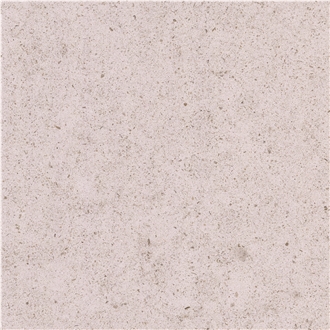
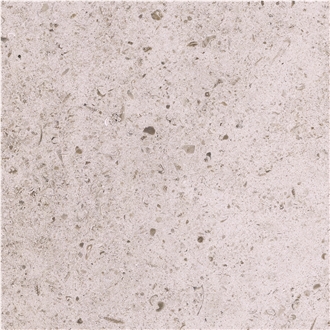
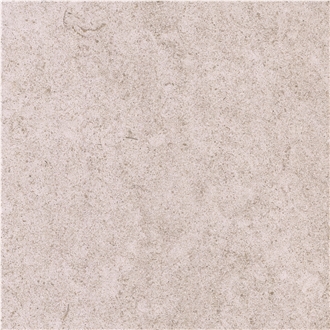
Bosnia and Herzegovina
Can Bosnia and Herzegovina's Miljevina Limestone be used exterior applications in cold climates?
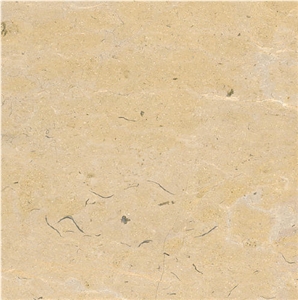
Miljevina Limestone from Bosnia and Herzegovina is known for its durability and resistance to weathering. This makes it suitable for a wide range of exterior applications, including in cold climates. However, it is important to consider a few factors before using it in such conditions:
1. Freeze-thaw resistance: Cold climates often experience cycles of freezing and thawing. Ensure that the Miljevina Limestone has been tested and classified as frost-resistant or has a low water absorption rate to prevent any damage caused by freezing and thawing cycles.
2. Slip resistance: In cold climates, surfaces can become slippery due to ice and snow. Ensure that the limestone has a textured or honed finish that provides good slip resistance to ensure safety.
3. Maintenance and sealing: Regular cleaning and maintenance may be required to remove ice, snow, and salt residues from the limestone surface. Additionally, consider applying a suitable sealer to protect the stone from moisture penetration and staining caused by ice-melting chemicals.
4. Color retention: Some limestone varieties may lose their color or develop discoloration over time due to exposure to cold and damp conditions. Therefore, choose a limestone variety with good color retention properties.
By considering these factors and selecting the right variety of Miljevina Limestone with the necessary features, it can be used effectively in exterior applications in cold climates. Consulting with a stone expert or architect can provide more specific guidance based on the exact requirements of your project.