Post Your Needs

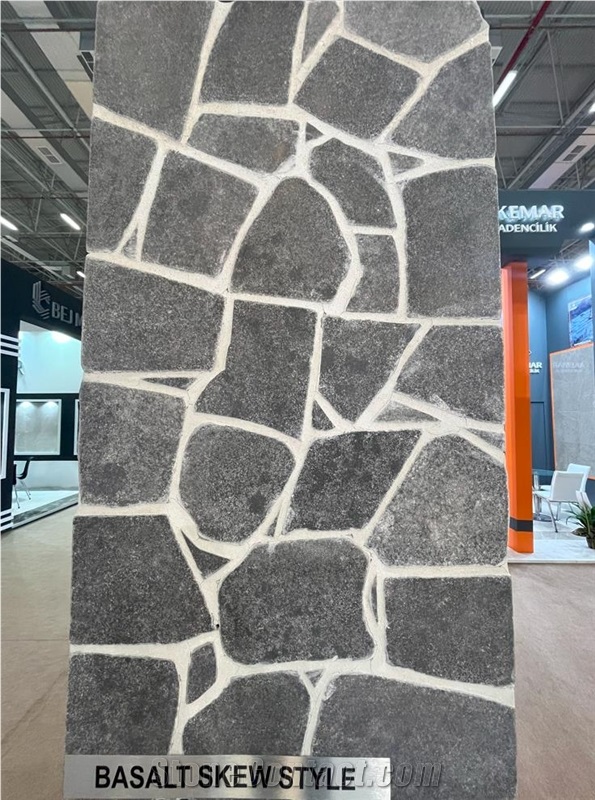
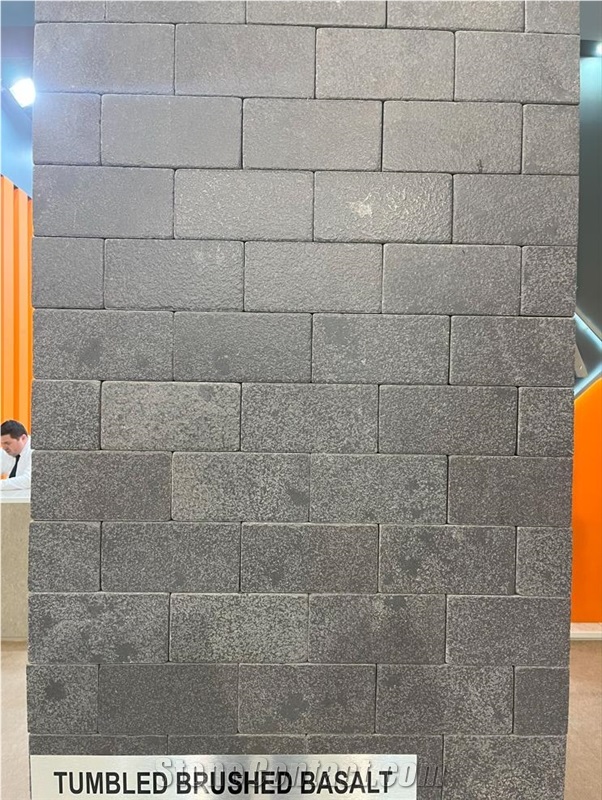
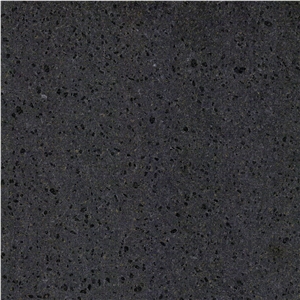
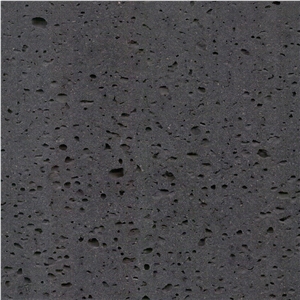
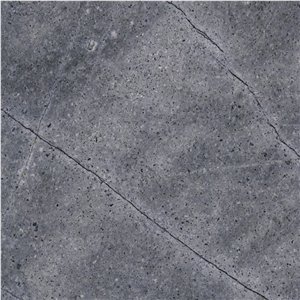
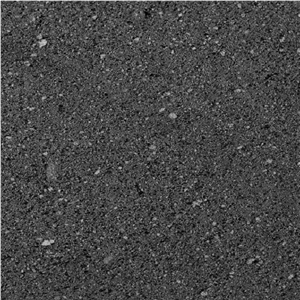
Mesopotamia Basalt

About

Material Type:
Basalt
Origin:
Turkey (Elazig and Diyarbakir)
Primary Color(s):
Black
Recommended Usage:
monuments, building stone, ornamental stone, stairs, interior, exterior wall and floor applications, mosaic, waterjet pattern, wall panels, table tops, window sills, balustrades, columns, wall and pool copings, pool pavers, sculptures, fireplaces, cobbles, pavers, curbstone
Additional Names:
Mesopotamia Black Basalt, Mesopotamia Gray Basalt, Mesopotamia Lavastone, Diyarbakir Basalt, Ergani Basalt, Ergani Lava Stone, Mesopotamia Basalt
Finished Surface:
Polished,Flamed,Bush Hammered,Tumbled,Brushed,Honed,Split,Machine Cut,Natural Surface,Sandblasted,Acid Washing,Combed,Leathered,Water Jet,Filled,Chiseled,Pickling

Testing

Water Absorption:
% Volume 1.24
Density:
2.66 gr/cm3
Flexural Strength:
13.5 mpa

Description

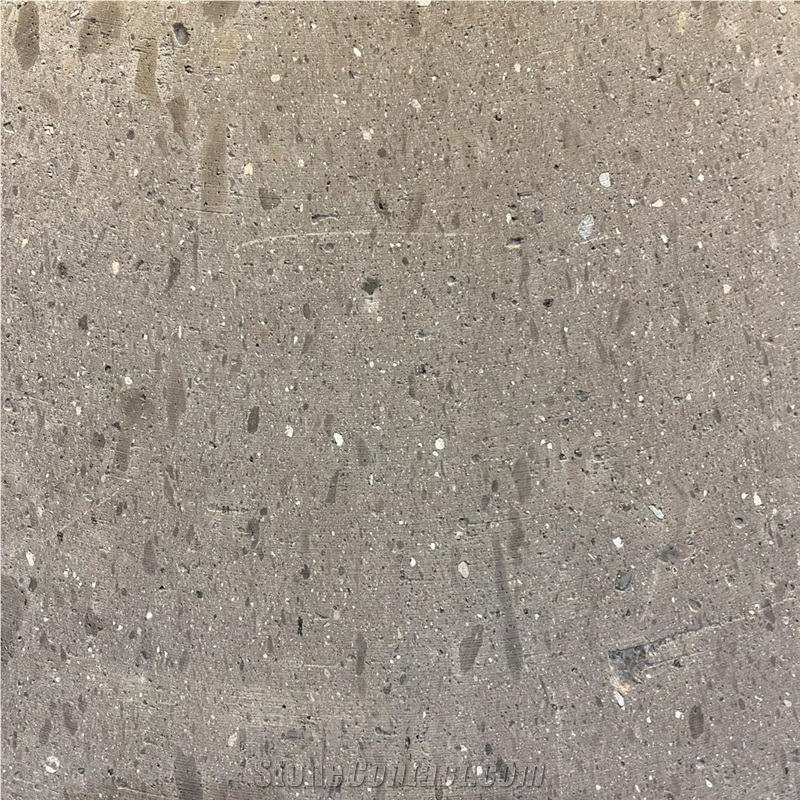
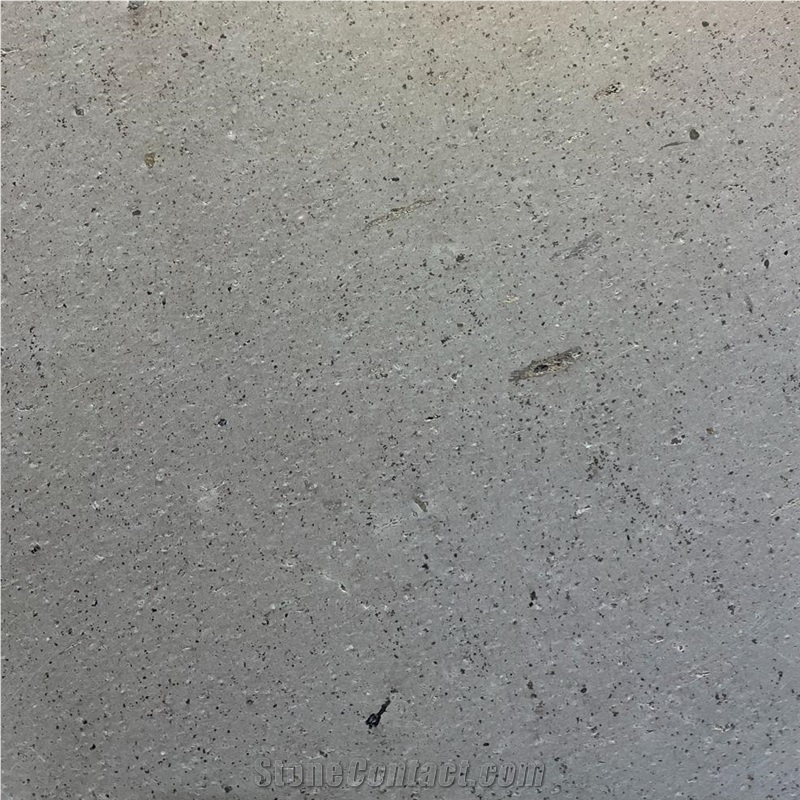
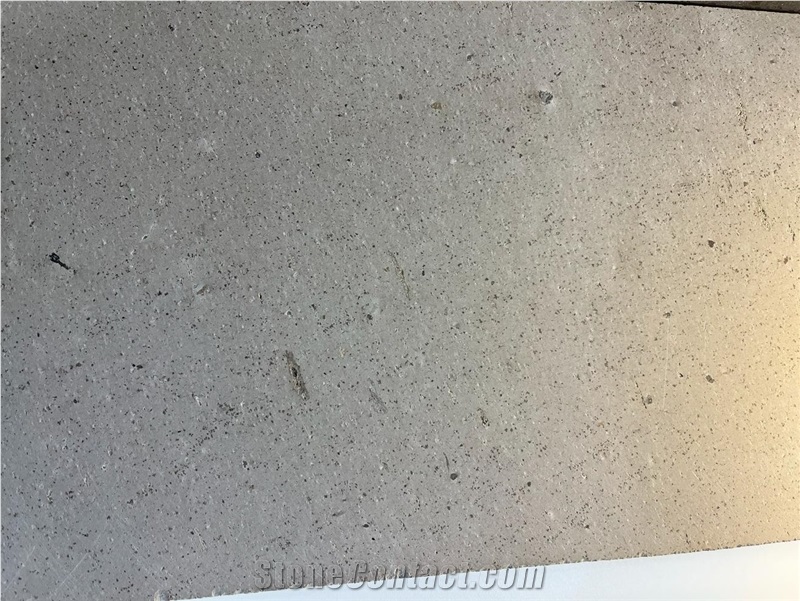
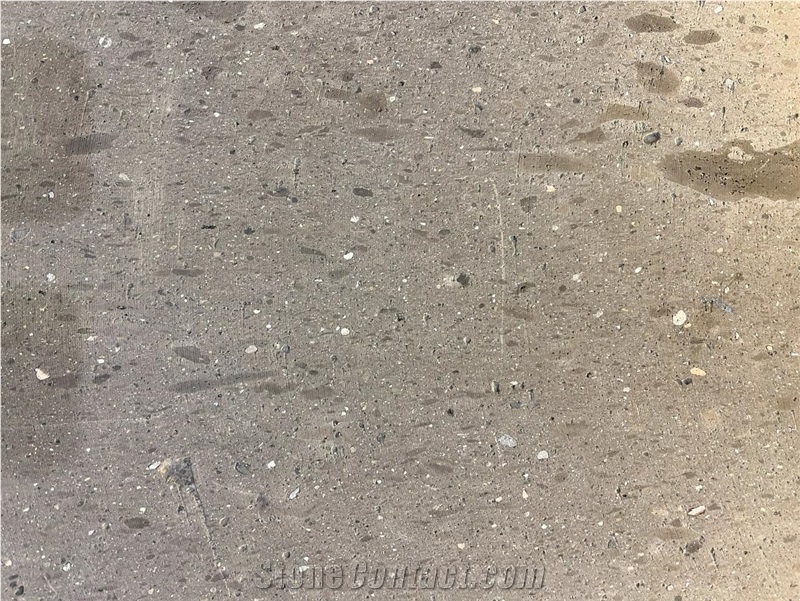
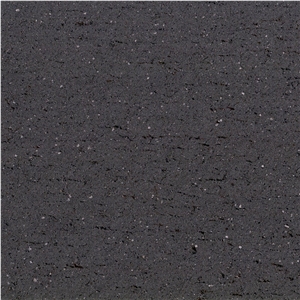
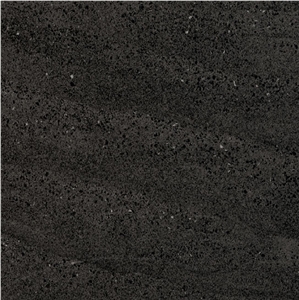
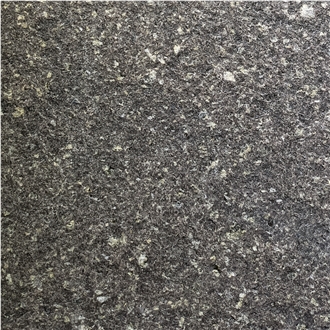
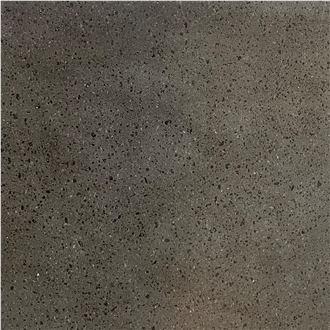
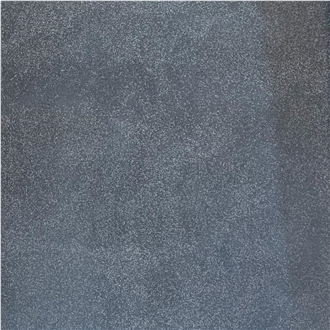
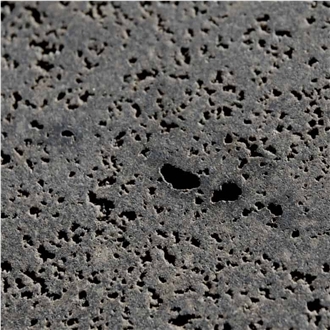
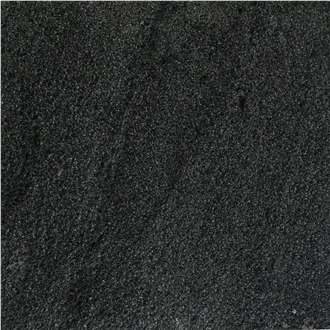
Mesopotamia Basalt is an intriguing natural stone known for its dark gray to nearly black coloration, complemented by light gray and black spots. It belongs to the category of aphanitic extrusive igneous rocks, indicating that it is formed from the rapid cooling of low-viscosity lava. The distinctive characteristics of this basalt include its porous nature and fine grain, making it a unique and versatile material for various applications.

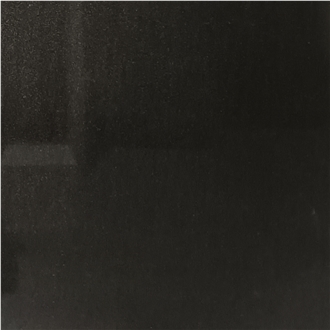
The dark gray to nearly black color of Mesopotamia Basalt lends it a sophisticated and timeless aesthetic. The presence of light gray and black spots adds depth and contrast, creating a visually interesting pattern within the stone. The natural variations in color and texture contribute to the overall allure of the material.

Being an extrusive igneous rock, Mesopotamia Basalt is formed from lava that rapidly cools on the Earth's surface. Its composition is rich in magnesium and iron, which contribute to its dark coloration and overall mineral content. The fine grain of the rock suggests that the mineral crystals within it are too small to be individually distinguished by the naked eye.

The porous nature of Mesopotamia Basalt adds an element of texture to its appearance, giving it a tactile quality that can be appreciated in various design applications. This porosity can vary, impacting the stone's ability to absorb liquids and making it suitable for certain uses like outdoor paving or landscaping.

Diyarbakir and Elazig regions of Turkey are known for being sources of Mesopotamia Basalt, and the stone from these regions is highly regarded for its quality and distinct visual characteristics. It is commonly used in applications such as flooring, wall cladding, countertops, and other decorative elements in both interior and exterior settings.

In summary, Mesopotamia Basalt is a dark and visually striking natural stone with a fine grain, porous texture, and unique color patterns. Its origin in the Diyarbakir and Elazig regions of Turkey adds a geographic significance to its appeal, making it a sought-after material for a range of design projects.

FAQ

What is the average hardness of Turkey's Mesopotamia Basalt?

There is no specific data available on the average hardness of Turkeys Mesopotamia Basalt. However, basalt is generally known to have a hardness of 6 on the Mohs scale, which means it can be considered a relatively hard rock.
Read question details

Can Turkey's Mesopotamia Basalt be used exterior applications in very rainy climates?

Turkish Mesopotamia Basalt is a type of volcanic rock that is commonly used in construction and landscaping. It is known for its durability, strength, and resistance to weathering. While it can be used for exterior applications in rainy climates, there are a few factors to consider: 1. Water Absorption: Basalt is known to have low water absorption characteristics, which means it is less likely to absorb water and suffer from water-related damage. This makes it suitable for use in rainy environments. 2. Freeze-thaw Cycle: If the area experiences freezing temperatures and undergoes freeze-thaw cycles, it is important to ensure that the basalt is not prone to cracking or spalling due to the expansion of water when it freezes. It is recommended to choose a type of basalt with low porosity and good resistance to freeze-thaw cycles. 3. Surface Treatment: Applying a proper surface treatment or sealant can further enhance the water resistance of the basalt and protect it from potential damage caused by heavy rain or prolonged exposure to moisture. This will ensure the longevity and aesthetic appeal of the material. Overall, Turkish Mesopotamia Basalt can be used in exterior applications in very rainy climates, but it is important to choose the right type of basalt and apply appropriate surface treatments to ensure its durability and resistance to moisture. Consulting with a local contractor or supplier experienced in working with basalt would be beneficial in making the right choice for your specific project.
Read question details

Can Turkey's Mesopotamia Basalt be used in a bathroom?

Yes, Turkeys Mesopotamia Basalt can be used in a bathroom. Basalt is a natural stone that is known for its durability and resistance to water and moisture. It is commonly used as a flooring or wall material in bathrooms. The natural beauty and unique textures of Mesopotamia Basalt can add elegance and sophistication to a bathroom design, making it a popular choice for both residential and commercial applications. However, its important to properly seal and maintain the basalt to ensure its long-term durability and resistance to water damage in a wet environment like a bathroom.
Read question details

How thick is Turkey's Mesopotamia Basalt slabs?

The thickness of Turkeys Mesopotamia Basalt slabs can vary depending on the specific quarry and extraction process. However, on average, these slabs are typically available in thicknesses ranging from 2 to 3 centimeters (0.8 to 1.2 inches).
Read question details

Can Turkey's Mesopotamia Basalt be used in landscaping?

Yes, Turkeys Mesopotamia Basalt can be used in landscaping. Basalt is a common type of volcanic rock that is known for its durability and ability to withstand weathering and erosion. It has a unique appearance with its dark color and fine-grained texture, making it suitable for various landscaping applications. Some popular uses of Mesopotamia Basalt in landscaping include: 1. Paving: Basalt can be used for creating pathways, driveways, and patio areas. Its sturdy nature ensures resistance to heavy foot traffic and weather conditions. 2. Retaining walls: Basalt stones can be utilized for constructing retaining walls due to their strength and stability. These walls can help prevent soil erosion and provide structural support. 3. Garden edging: Basalt rocks can be placed as borders or edging in gardens to create defined spaces or separate different areas. 4. Water features: Basalt can be used to construct natural-looking water features like waterfalls, fountains, or ponds. Its dark color enhances the aesthetic appeal by providing a contrast to the water. 5. Decorative features: Various ornamental pieces such as boulders, columns, or stepping stones made of Mesopotamia Basalt can be incorporated into landscaping designs to add visual interest and focal points. Overall, Turkeys Mesopotamia Basalt offers versatility and durability, making it a suitable choice for a range of landscaping projects.
Read question details

Can Turkey's Mesopotamia Basalt be used outdoors?

Yes, Turkeys Mesopotamia Basalt can be used outdoors. Basalt is a volcanic rock known for its durability and resistance to weathering, making it a suitable material for outdoor applications. It is commonly used in the construction of walkways, patios, driveways, and other outdoor surfaces. Additionally, basalts natural beauty and unique texture can enhance the aesthetics of outdoor spaces.
Read question details

What grade is Turkey's Mesopotamia Basalt?

There is no specific grade assigned to Turkeys Mesopotamia Basalt, as the term grade is typically used to classify minerals or rocks based on their quality, characteristics, or intended use. Mesopotamia Basalt is a type of volcanic rock found in the region of Mesopotamia in modern-day Turkey, known for its dark color and fine-grained texture.
Read question details

Are there color variations of Turkey's Mesopotamia Basalt?

Yes, there are color variations of Turkeys Mesopotamia Basalt. Basalt is an igneous rock, and its color can range from dark gray to black. However, specific color variations may also occur depending on the location and specific mineral composition of the basalt. Additionally, weathering, oxidation, and exposure to the elements can gradually alter the color of the basalt over time.
Read question details

Is Turkey's Mesopotamia Basalt an expensive stone?

I dont have access to real-time pricing information. However, the cost of Turkeys Mesopotamia Basalt can vary depending on several factors such as type, quality, availability, and location. Generally, natural stone materials such as basalt are considered to be expensive due to their durability, unique appearance, and exclusive source. It is best to check with a local supplier or a professional stonemason for accurate pricing information.
Read question details

Products & Prices

Hot Basalt

New Basalt

Post Your Request

The request includes:
  1. surface finished, size
  2. quantity required