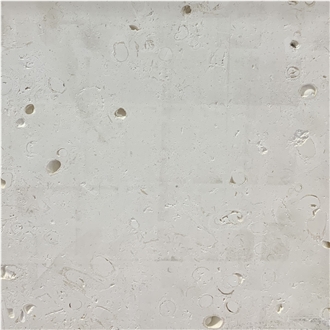
Post Your Needs

Malta Stone

Beige - Limestone

Malta

About

Item Details

Material Type:
Limestone
Origin:
Malta (Xewkija, Gozo Island)
Primary Color(s):
Beige
Recommended Usage:
Monuments, building stone, ornamental stone, stairs, interior, exterior wall and floor applications, mosaic, wall panels, reliefs, window sills, balustrades, columns, wall and pool copings, pool pavers, sculptures, fireplaces, cobbles, pavers, curbstone
Additional Names:
Perlato Maltese Limestone, Malta Unique Stone, Maltese Stone, Coralline Stone, Globigerina Limestone, Maltese Limestone, Malta Stone
Finished Surface:
Bush Hammered,Tumbled,Brushed,Honed,Split,Machine Cut,Natural Surface,Sandblasted,Combed,Leathered,Filled,Chiseled,Pickling

Testing

Water Absorption:
15% – 25% (by weight)
Density:
1750 – 1950 Kg/m³
Flexural Strength:
1.5 �C 3 MPa
Compressive Strength:
8 �C 17 MPa (varies by quarry and depth)

Description

Malta Stone (Maltese Limestone / Globigerina Limestone)

Malta Stone, commonly referred to as Maltese Limestone or Globigerina Limestone, is a soft, fine-grained limestone primarily quarried in the Maltese Islands. It is a defining material in traditional Maltese architecture and is used widely across the Mediterranean. This stone derives its name from the abundance of Globigerina foraminifera (a type of microscopic marine plankton) embedded within its matrix.

Origin:

Geological Name: Globigerina Limestone

Type: Sedimentary rock – Biomicrite

Quarry Location: Malta and Gozo (central Mediterranean)

Formation Period: Oligocene to Miocene Epoch (23–34 million years ago)

Strata Layers in Malta: Lower, Middle (Softstone), and Upper Globigerina layers

Most used: Middle Globigerina (Softstone) layer – due to its workability

Color:

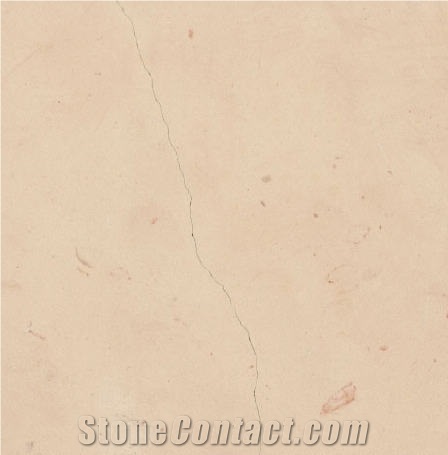
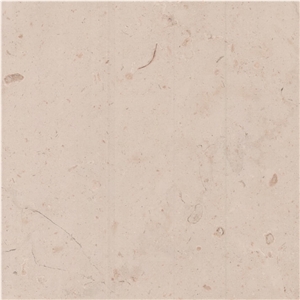
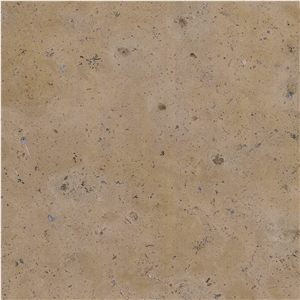
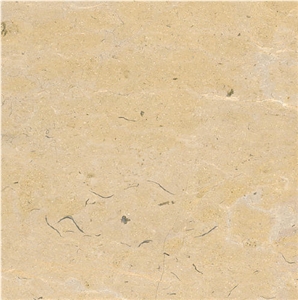
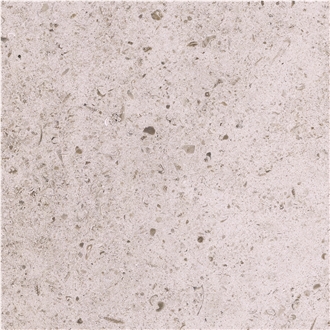
  • Ranges from warm pale yellow, golden beige, to light honey
  • Freshly quarried blocks appear golden, turning lighter/whiter with weathering and age
  • Uniform tone, minimal visual variation

Texture & Pattern:

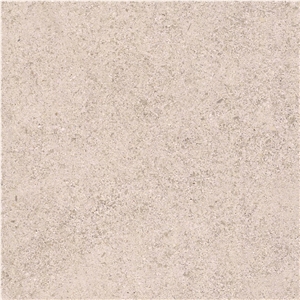
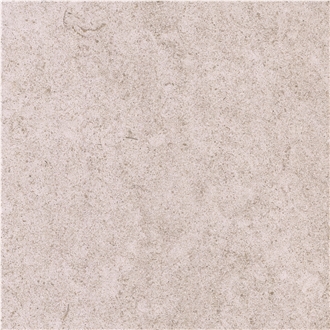
  • Fine-grained and soft to the touch
  • Homogeneous texture, with small fossil inclusions and shells (mostly Globigerina)
  • Minimal veining or patterning
  • Some rare occurrences of calcareous nodules or white streaks

Physical & Mechanical Properties:

  • Density : 1.75 – 1.95 g/cm³
  • Porosity : 20% – 30%
  • Compressive Strength : 8 – 17 MPa (varies by quarry and depth)
  • Flexural Strength : 1.5 – 3 MPa
  • Water Absorption : 15% – 25% (by weight)
  • Abrasion Resistance : Low (not suitable for heavy foot traffic)
  • Mohs Hardness : 3 – 4 (soft)
  • Slip Resistance : Low (unless textured or bush hammered)
  • Thermal Conductivity : Low – good insulator

Chemical & Mineral Composition (% by weight):

  • Calcium Carbonate (CaCO3) : 90% – 96%
  • Silica (SiO2) : 1% – 4%
  • Iron Oxides (Fe2O3) : 0.5% – 1.5%
  • Clay Minerals : 1% – 2%
  • Magnesium Carbonate (MgCO3) : 0.2% – 1%
  • Other Fossils/Organic Material : Minor traces

Cutting Sizes (in cm):

Standard quarry-cut blocks and sawn formats include:

  • Blocks: ~100 x 60 x 40 cm or as extracted
  • Cut-to-size tiles: 30 x 30 x 2/3/4 cm 40 x 20 x 2/3 cm 60 x 40 x 3/4 cm
  • Custom sizes for architectural stonework

Surface Finish Options:

  • Sawn (natural)
  • Honed (matte/smooth)
  • Bush-hammered (for anti-slip texture)
  • Sandblasted
  • Chiseled / Split-face (rustic use)
  • Antiqued / Weathered finish (for restoration work)

Common Uses:

  • Architectural cladding & facades
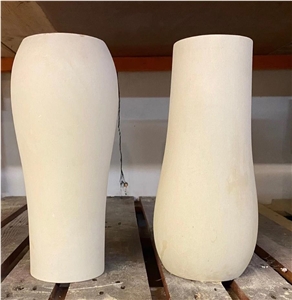
  • Sculpture and carvings
  • Restoration of historic buildings
  • Interior & exterior wall facing
  • Columns, balustrades, moldings
  • Paving (low-traffic areas only)
  • Garden walls, fountains, landscaping

Maintenance & Durability:

  • Needs regular sealing if used in exterior or exposed applications
  • Avoid acidic cleaners – high calcium carbonate content makes it sensitive to acids
  • Periodic gentle cleaning recommended
  • Weathering over time gives a characteristic aged appearance

Notable Properties:

Easy to carve and work – ideal for ornamental architecture

High porosity – allows for breathability in traditional structures

Aging beauty – color changes slowly with exposure

Cultural significance – declared a part of Malta’s architectural heritage

FAQ

Can Malta Stone Limestone be used in floor coverings?
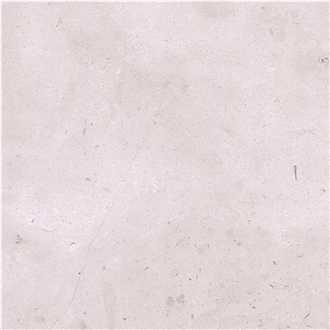
Yes, Malta Stone Limestone can be used as a floor covering. Limestone is a durable and versatile natural stone that is commonly used in flooring applications due to its strength and beauty. It is available in various finishes and can be used in both indoor and outdoor areas.
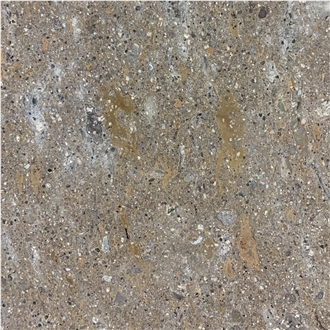
Read question details

What is the average hardness of Malta Stone Limestone?
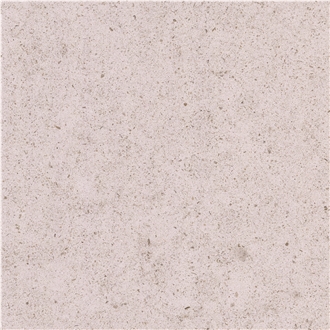
The average hardness of Malta Stone Limestone ranges from 2.5 to 4 on the Mohs hardness scale.
Read question details

What is the coefficient of friction of Leathered Malta Stone Limestone tiles?
The coefficient of friction for Leathered Malta Stone Limestone tiles can vary depending on factors such as the specific type of limestone and the surface finish applied during the leathering process. However, limestone is generally considered to have a relatively high coefficient of friction, making it a good choice for areas requiring slip resistance such as bathrooms, kitchens, or outdoor spaces. It is recommended to check with the specific manufacturer or supplier of the tiles for the exact coefficient of friction for the Leathered Malta Stone Limestone tiles you are interested in.
Read question details

Can Malta Stone Limestone be used exterior applications in very dusty climates?

Malta Stone Limestone is a durable and versatile natural stone that can be used for exterior applications. However, its suitability for very dusty climates depends on several factors. Limestone, in general, is susceptible to weathering and erosion when exposed to dusty or sandy environments. The dust particles can accumulate on the surface of the stone and lead to discoloration, staining, and potential scratching over time. Therefore, regular cleaning and maintenance may be required to keep the stone looking its best. In extremely dusty climates, it is recommended to choose a limestone variety that has a denser structure and lower porosity. Malta Stone Limestone is known for its high-density and low-porosity characteristics, which make it more resistant to water absorption and staining compared to other limestone types. However, despite its properties, it is still advisable to consult with a local stone expert or supplier who is familiar with the specific dusty climate of your area. They will be able to provide the best advice on the suitability of Malta Stone Limestone for your particular application and climate conditions. Additionally, applying a high-quality sealer specifically designed for limestone can further protect the stone from dust and other environmental factors.
Read question details

Can Malta Stone Limestone be used in a bathroom?

Yes, Malta Stone Limestone can be used in a bathroom. Limestone is a popular material for bathroom applications due to its durability and natural beauty. It can be used for bathroom countertops, flooring, shower walls, and backsplashes. However, it is important to note that limestone is a porous material and may require sealing to protect it from moisture and staining in a wet environment like a bathroom. Additionally, regular maintenance and cleaning may be necessary to keep the limestone looking its best.
Read question details

How thick is Malta Stone Limestone slabs?

The thickness of Malta Stone limestone slabs can vary, but they are typically available in thicknesses ranging from 2 centimeters (0.8 inches) to 5 centimeters (2 inches).
Read question details

Are there color variations of Malta Stone Limestone?

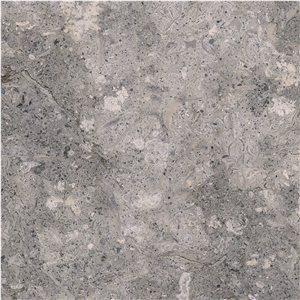
Yes, there are color variations of Malta Stone Limestone. Malta Stone Limestone can come in various shades of beige, cream, tan, brown, or gray. The exact color variations can depend on factors such as the specific quarry location and the geological composition of the stone.
Read question details

What grade is Malta Stone Limestone?

Malta Stone Limestone is typically classified as a Grade 1 limestone.
Read question details

Can Malta Stone Limestone be used outdoors?

Yes, Malta Stone Limestone can be used outdoors. It is a durable and weather-resistant natural stone that is suitable for use in a variety of outdoor applications such as paving, wall cladding, and landscaping. Its natural beauty and unique characteristics make it a popular choice for outdoor projects. However, it is important to note that any natural stone used outdoors will require periodic maintenance and sealing to protect it from weathering and staining.
Read question details

Is Malta Stone Limestone an expensive stone?

I do not have access to current market prices. However, pricing of Malta stone limestone can depend on various factors such as grade, size, thickness, color, and finish. It is always a good idea to compare prices from different suppliers to determine a fair price for your specific project.
Read question details

Products & Prices

View More

Hot Limestone

New Limestone

Post Your Request

The request includes:
  1. surface finished, size
  2. quantity required