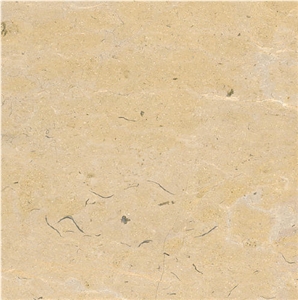
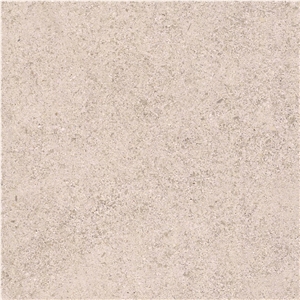
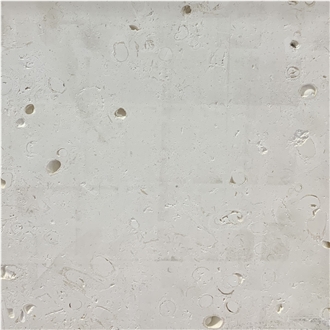
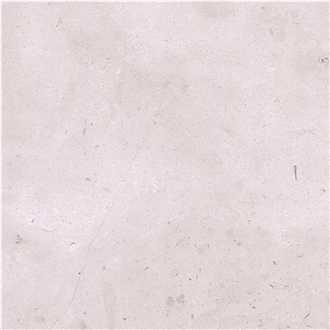
Tunisia
Can Tunisia's Jaune Clore Limestone be used exterior applications in cold climates?
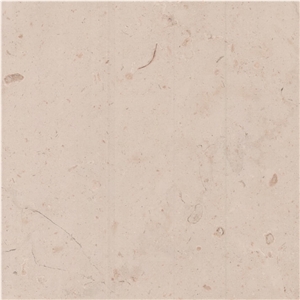
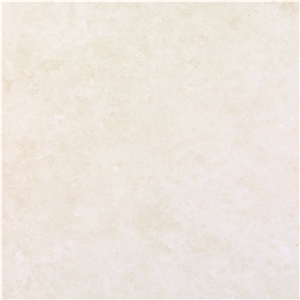
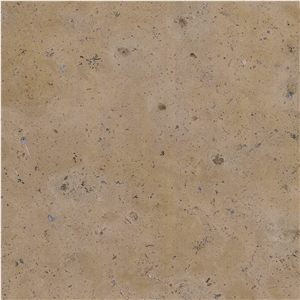
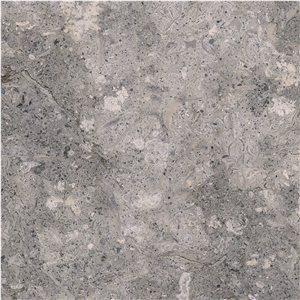
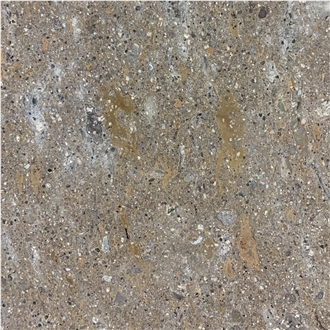
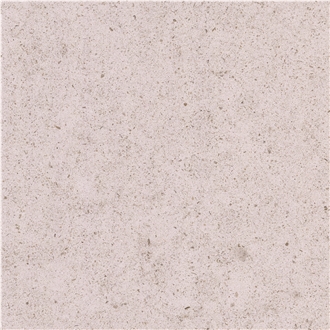
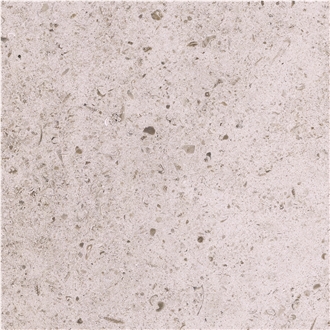
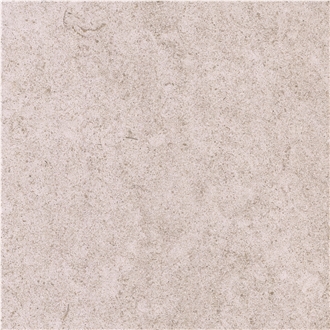
Tunisias Jaune Clore Limestone can be used for exterior applications in cold climates, but there are a few factors to consider.
Firstly, Jaune Clore Limestone is a natural stone and, like all natural stones, it has some degree of porosity. This means it can absorb water, and if that water freezes and expands, it can cause the stone to crack or spall. In cold climates where temperatures regularly drop below freezing, this can be a concern.
However, if the limestone is properly treated with sealants and regularly maintained, it can withstand cold climates. The application of a high-quality sealant will help to protect the stone from moisture penetration, reducing the risk of freeze-thaw damage. Regular cleaning and resealing may be necessary to extend the longevity of the limestone.
Additionally, the limestones color and surface finish can also impact its performance in cold climates. Lighter colors tend to reflect more sunlight, which can help prevent the stone from absorbing too much heat and then rapidly cooling, potentially causing cracks. A honed or textured surface finish may also be more resistant to damage than a polished finish since it provides a better grip for freeze-thaw cycles.
Ultimately, it is recommended to consult with a local stone supplier or a professional architect or contractor in your specific cold climate region. They will be able to provide more tailored advice on the suitability of Jaune Clore Limestone for your exterior application.