Post Your Needs

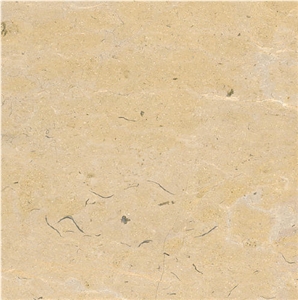
Gambier Limestone

Beige - Limestone

Australia

About

Item Details

Material Type:
Limestone
Origin:
Australia (Marte area, 10 km west of Mount Gambier, SouthEast of South Australia)
Primary Color(s):
Beige
Recommended Usage:
Monuments, building stone, ornamental stone, stairs, interior, exterior wall and floor applications, mosaic, wall panels, reliefs, window sills, balustrades, columns, wall and pool copings, pool pavers, sculptures, fireplaces, cobbles, pavers, curbstone
Additional Names:
Gambier Stone, Mount Gambier Limestone, Mt Gambier Limestone, Mount Gambier Stone, Mt Gambier Stone, Mount Gambler Coralline Limestone, Bruhn Limestone, Gambier Limestone
Finished Surface:
Bush Hammered,Tumbled,Brushed,Honed,Split,Machine Cut,Natural Surface,Sandblasted,Combed,Leathered,Water Jet,Filled,Chiseled,Pickling

Testing

Water Absorption:
0.39 by volume %, 0.32 by weight %
Density:
1210 Kg/m3
Flexural Strength:
2 �C 4 MPa
Compressive Strength:
Dry 3.55 MPa, Soaked 1.4 MPa

Description

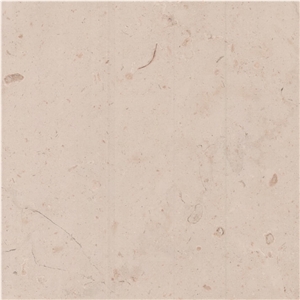
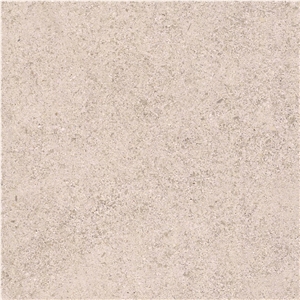
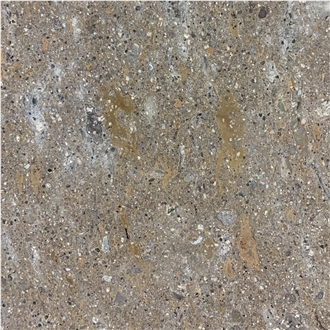
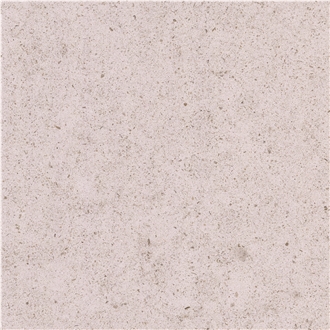
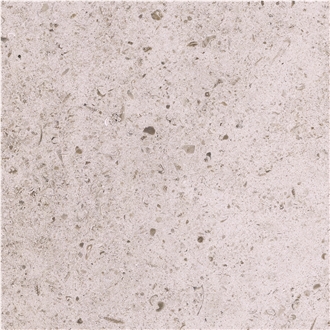
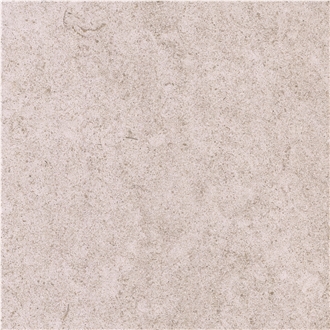
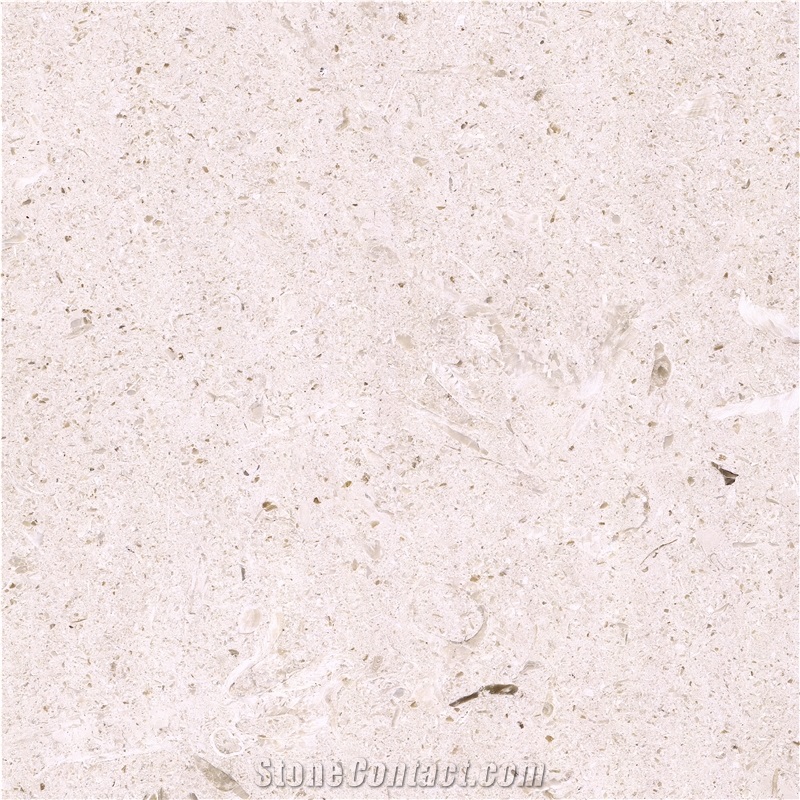
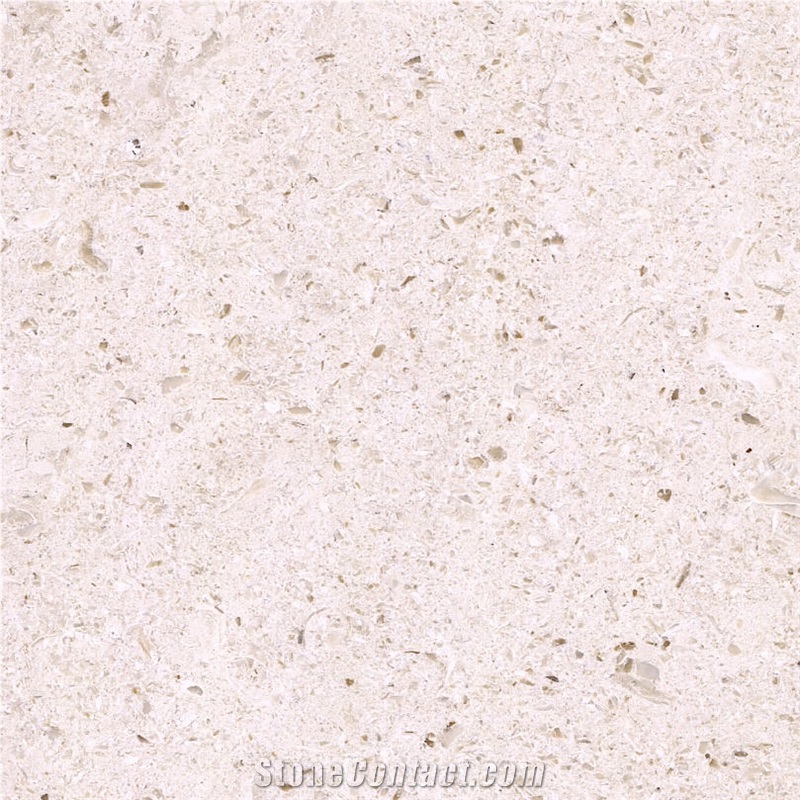
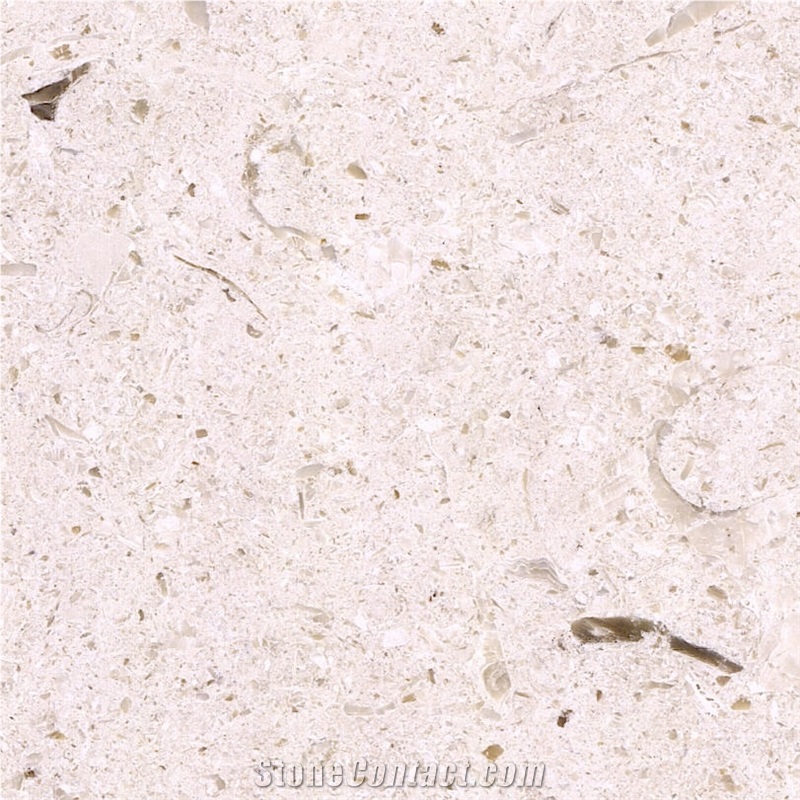
Gambier Limestone is a distinctive ivory white to pale brown fossiliferous limestone quarried in the Marte area, approximately 10 km west of Mount Gambier in the Southeast of South Australia. Known for its relatively light weight, softness, and easy workability, Gambier Limestone is widely used in heritage, commercial, and residential projects.

Texture and Pattern

Texture: Fine to medium-grained, soft, porous texture.

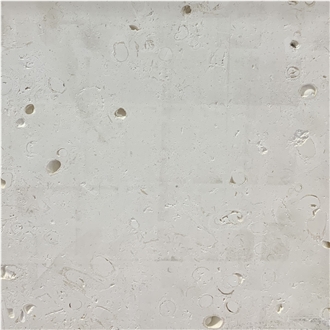
Pattern: Subtle banding or mottling with occasional visible fossil fragments, shell particles, and natural variations in tone.

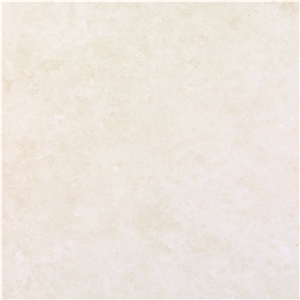
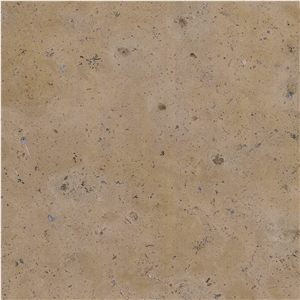
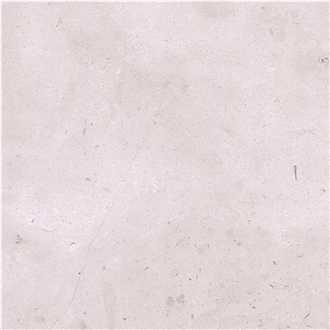
Visual: Uniform creamy appearance ranging from ivory to light beige and pale brown hues.

Technical Test Results (typical values)

  • Compressive Strength: 10 – 18 MPa
  • Flexural Strength: ~2 – 4 MPa
  • Water Absorption: 15 – 25% by weight (due to porosity)
  • Density: 1400 – 1600 kg/m³
  • Porosity: ~30 – 40%
  • Hardness (Mohs): 2.5 – 3

Chemical Composition (% by weight)

Typical for carbonate sedimentary rocks:

  • Calcium Carbonate (CaCO₃): 90–96%
  • Magnesium Carbonate (MgCO₃): 1–4%
  • Silica (SiO₂): 1–3%
  • Iron Oxide (Fe₂O₃): <1%
  • Alumina (Al₂O₃): <1%

Mineral Composition (% by weight)

  • Calcite: 90–96%
  • Dolomite: 1–4%
  • Clay minerals / Silicates: trace
  • Fossil content: visible in certain beds

Usage

  • Exterior cladding (low-rise buildings, ventilated façades)
  • Heritage restoration
  • Interior wall linings
  • Fireplaces and decorative elements
  • Carving and sculpture
  • Blocks and sawn building stone
  • Garden features and landscaping

Maintenance

Being soft and porous, Gambier Limestone is not ideal for heavy-traffic flooring or wet areas without sealing. Regular sealing is strongly recommended, especially for exterior or damp environments. Clean with pH-neutral products. Avoid acids and high-pressure washing. Periodic inspection for surface erosion or staining in outdoor use is advised.

Cutting Sizes (cm)

Custom and standard sizes are available:

Tiles: 30x30, 40x40, 60x30, 60x60, 80x40 cm

Panels/Slabs: up to 200 x 100 cm

Thicknesses: commonly 20, 30, 40 mm; custom cuts possible

Surface Finish Options

  • Honed (most common)
  • Sandblasted
  • Brushed
  • Bush-hammered
  • Sawn
  • Natural split (rustic look for landscaping)

PROPERTY-- RANGE OF VALUES
Colour White Cream to pale brown
Grain Size Fine to medium, clastic
Nature Fragmental, organic limestone (fossiliferous: bryozoal).
Composition Dominantly calcite, trace dolomite.
Porosity (effective) % 36 – 44 (average % 39.9)
Porosity (total) % 63 – 59 (average % 56.4)
Saturation coefficient 0.68 – 0.74  (average 0.71)
Compressive strength Mpa
--Dry 1.08 – 5.71 (average 3.55 MPa)
--Soaked 0.7 – 2.1 (average 1.4 MPa)
Modulus of Rupture MI’53 – 58
Dry 1.0 – 2.7 1.7
Soaked 0.7 – 2.1 1.4
Young's Modulus MI’a 10
Dry 0.57 – 7.70 (average 2.2)
Soaked 0.38 – 3.69  (average 1.5)
Poisson's Ratio
Dry -0.14 – 0.64 (average 0.18)
Soaked -1.05 – 0.87 (average 0.08)
Ultrasonic Pulse Velocity m/sec --1660 – 2445 (average 2140 m/sec)
Dimensional Instability, % 0.02 – 0.06  (average %0.05 )
Coefficient of Thermal expansion, mm/mm/ C 10 3 – 6 (average 5)

FAQ

Can Australia's Gambier Limestone be used exterior applications in very dusty climates?

Australias Gambier Limestone can potentially be used in exterior applications in dusty climates, but there are several factors to consider. Gambier Limestone is known for its durability and weather resistance, making it suitable for various outdoor applications. However, in very dusty climates, there are a few concerns to address: 1. Dust accumulation: Limestone is susceptible to the accumulation of dust and dirt, which can affect its appearance over time. Regular cleaning and maintenance may be necessary to ensure it stays visually appealing. 2. Scratching and erosion: Dust particles can act as abrasive agents, causing scratches and erosion on the surface of the limestone. This can affect its longevity and overall aesthetic appeal. 3. Staining: Depending on the specific composition of the dust in the climate, there may be a risk of staining the limestone. Some dust particles may contain minerals that could penetrate the stone and cause discoloration. 4. Moisture and humidity: If the dusty climate also experiences high levels of moisture or humidity, there is a potential for the dust particles to combine with moisture and form a layer of grime on the limestone. This can contribute to quicker wear and tear. To mitigate these risks, regular maintenance and cleaning are crucial. This can include regular dusting, pressure washing, and the use of appropriate cleaning agents designed for limestone surfaces. Applying a suitable sealant can also provide an additional layer of protection against dust and potential stains. Ultimately, it is recommended to consult with a local expert or stone professional who can assess the specific conditions of the dusty climate and provide tailored advice on the best practices for using Gambier Limestone in exterior applications.
Read question details

Can Australia's Gambier Limestone be used in a dining room?

Yes, Australias Gambier Limestone can be used in a dining room. It is a type of limestone that is known for its durability, natural beauty, and versatility. It can be used as flooring, wall cladding, or even for custom furniture pieces like dining tables or countertops. Its soft, warm tones and unique textures can enhance the aesthetic appeal of a dining room and create a timeless and luxurious atmosphere.
Read question details

Can Australia's Gambier Limestone be used in floor coverings?

Yes, Australias Gambier Limestone can be used as a floor covering. Gambier Limestone is a versatile and durable material that is suitable for flooring applications. It is commonly used in both residential and commercial spaces for its attractive appearance and durability. The limestone can be cut and polished to create a smooth and elegant surface suitable for flooring. Additionally, its natural color variations add a unique and timeless appeal to any space.
Read question details

What is the coefficient of friction of Chiseled Australia's Gambier Limestone tiles?

The coefficient of friction of Chiseled Australias Gambier Limestone tiles may vary depending on various factors such as the surface finish, texture, and specific conditions of use. It is recommended to contact the manufacturer or supplier of the tiles to obtain the accurate coefficient of friction information for the specific product.
Read question details

Can Australia's Gambier Limestone be used outdoors?

Yes, Australias Gambier Limestone can be used outdoors. Gambier Limestone is a durable and versatile stone that is commonly used for various outdoor applications such as paving, landscaping, retaining walls, and building facades. Its natural beauty and resistance to weathering make it suitable for outdoor use in both residential and commercial projects. However, it is important to note that proper installation and maintenance should be followed to ensure the longevity and performance of the limestone in outdoor environments.
Read question details

How thick is Australia's Gambier Limestone slabs?

I dont have access to the most current information or data regarding Australias Gambier Limestone slabs, thus, I cannot provide an accurate answer to the question. However, it is best to contact a professional or company that specializes in Australian Gambier Limestone slabs for further assistance.
Read question details

What grade is Australia's Gambier Limestone?

I dont have the information about the grading of Gambier Limestone. Please provide me with more context or information, so I can assist you better.
Read question details

Are there color variations of Australia's Gambier Limestone?

Yes, there are some color variations in Australias Gambier Limestone. Typically, Gambier Limestone is available in a range of white and light cream shades. However, some stone suppliers may offer variations in hue and tone to meet specific project requirements. These variations can occur due to differences in the mineral composition of the rock, the way the stone is extracted and processed, and environmental factors like weathering. Some suppliers may offer custom finishes that can add to the visual appeal of Gambier Limestone, such as honed, polished, or bush-hammered surfaces.
Read question details

Is Australia's Gambier Limestone an expensive stone?

I do not have information on the current market price of stones or products. However, Gambier Limestone is known for its quality, durability and uniqueness, which could make it more pricey compared to other limestone options. The price of any stone, including Gambier Limestone, can vary depending on its availability, location, quality, market demand, and several other factors. Please consult a professional stone supplier or dealer for more information on the current pricing of Gambier Limestone.
Read question details

Products & Prices

Hot Limestone

New Limestone

Post Your Request

The request includes:
  1. surface finished, size
  2. quantity required