Post Your Needs

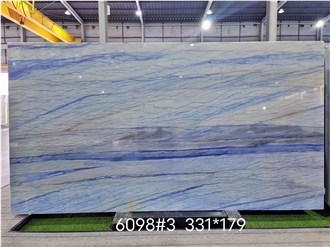
Cielo Quartzite

About

Material Type:
Quartzite
Origin:
Brazil
Primary Color(s):
Blue
Recommended Usage:
Kitchen and bathroom countertops, monuments, building stone, ornamental stone, stairs, interior, exterior wall and floor applications, mosaic, waterjet pattern, wall panels, table tops, window sills, balustrades, columns, wall and pool copings, pool pavers, sculptures, fireplaces
Additional Names:
Azul Cielo Quartzite, Cielo Blue Quartzite, Quartzite Cielo, Cielo Azul Quartzite, Quarzo Azul Cielo, Ciello Blue Quartzite, Cielo Azur Quartzite, Cielo Quartzite
Finished Surface:
Polished,Bush Hammered,Tumbled,Brushed,Honed,Split,Machine Cut,Natural Surface,Sandblasted,Acid Washing,Combed,Leathered,Water Jet,Filled,Chiseled,Pickling

Description

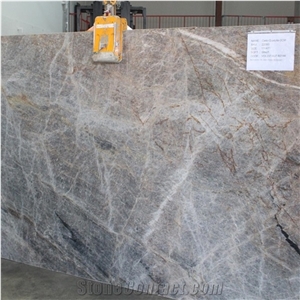
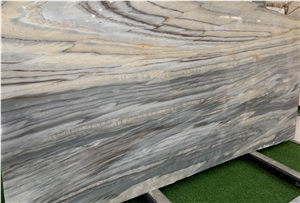
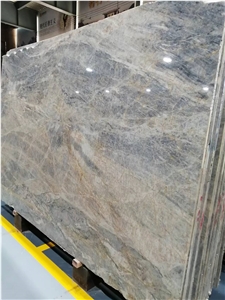
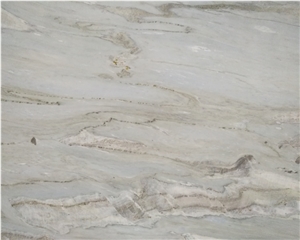
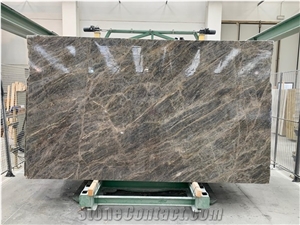
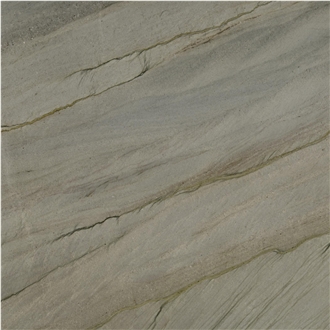
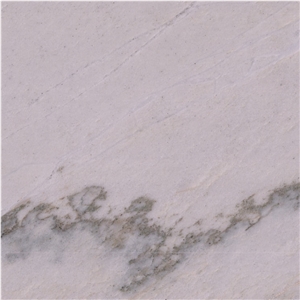
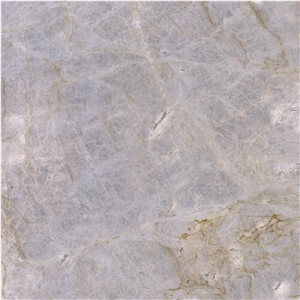
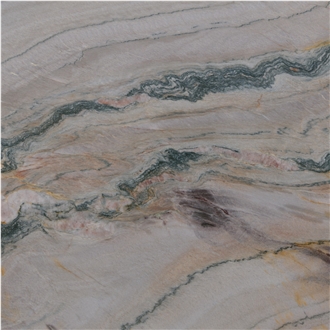
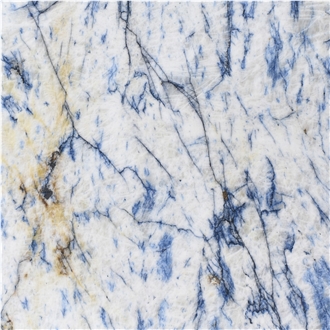
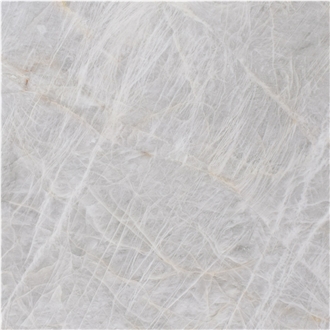
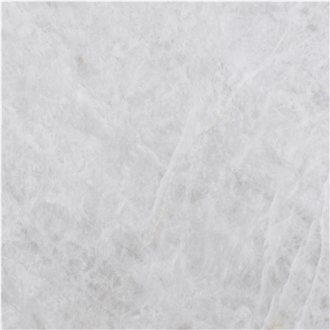
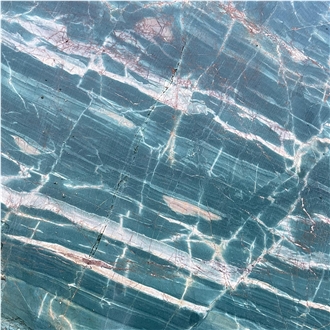
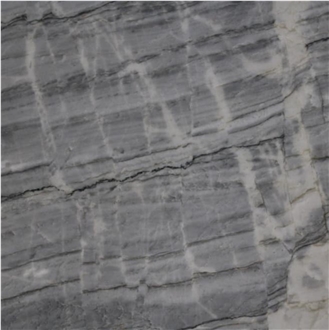
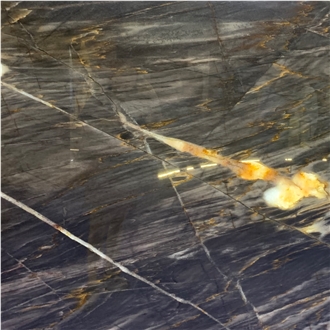
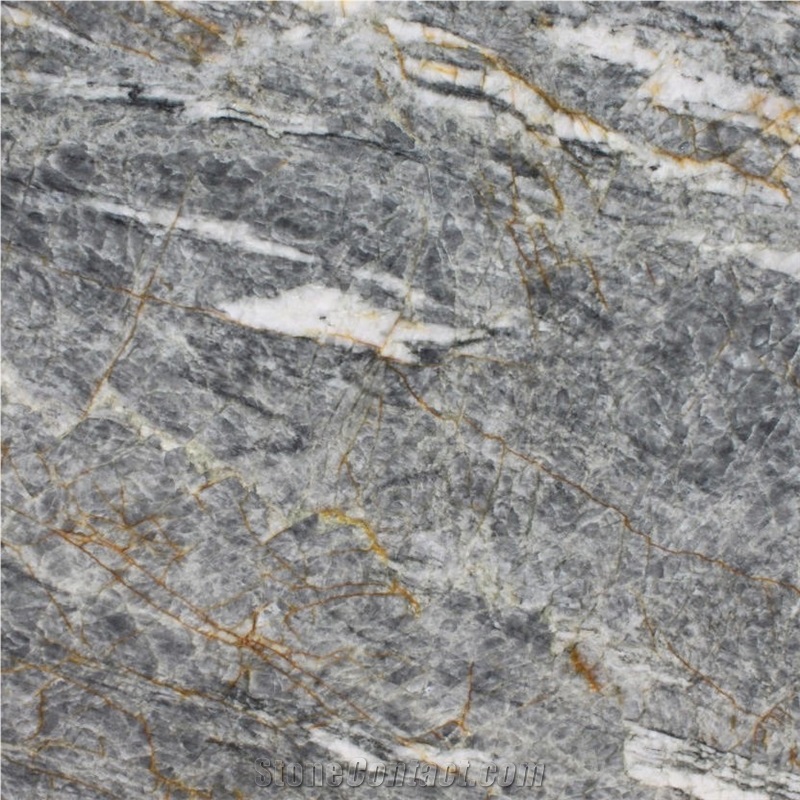
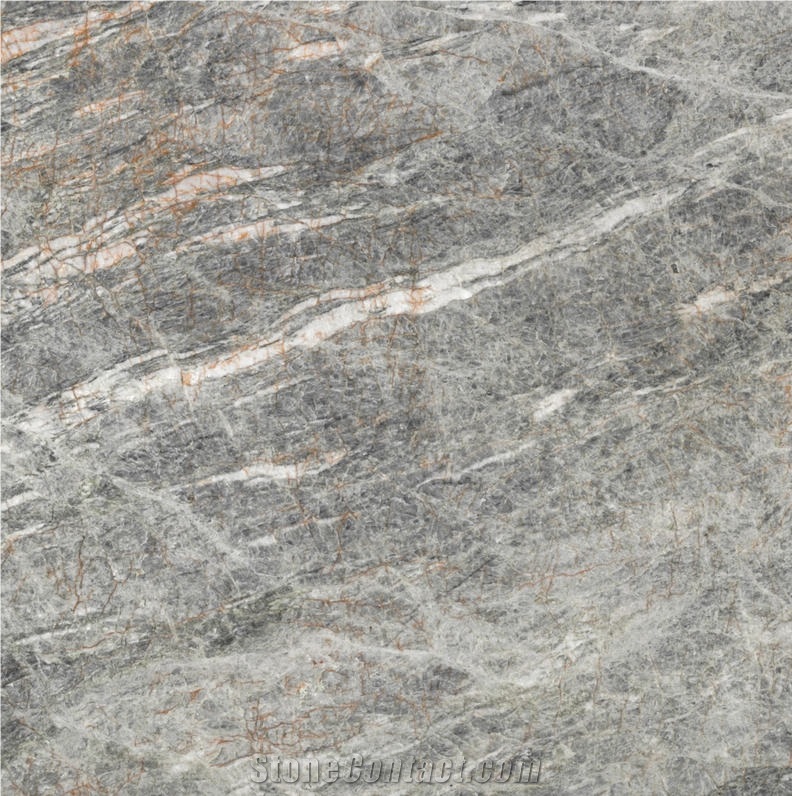
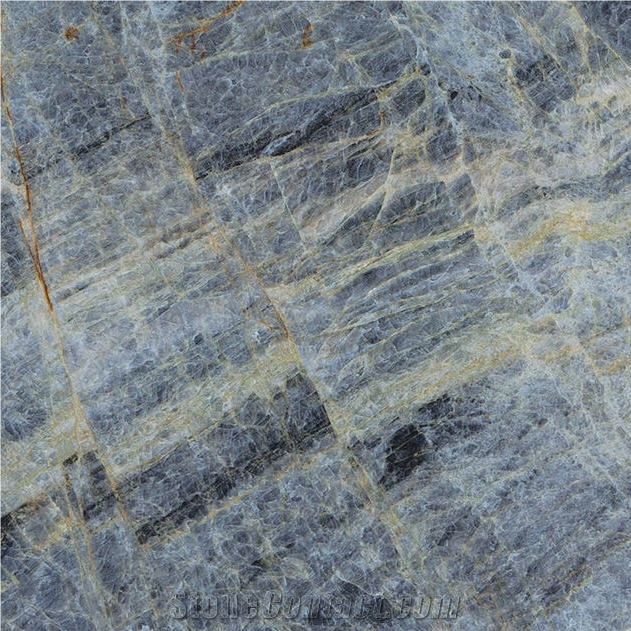
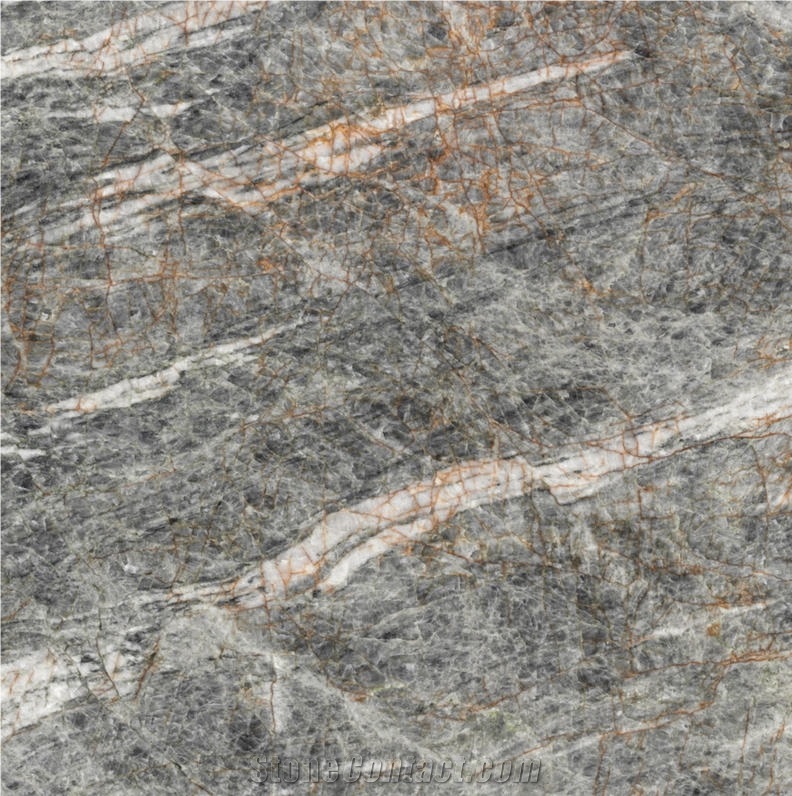
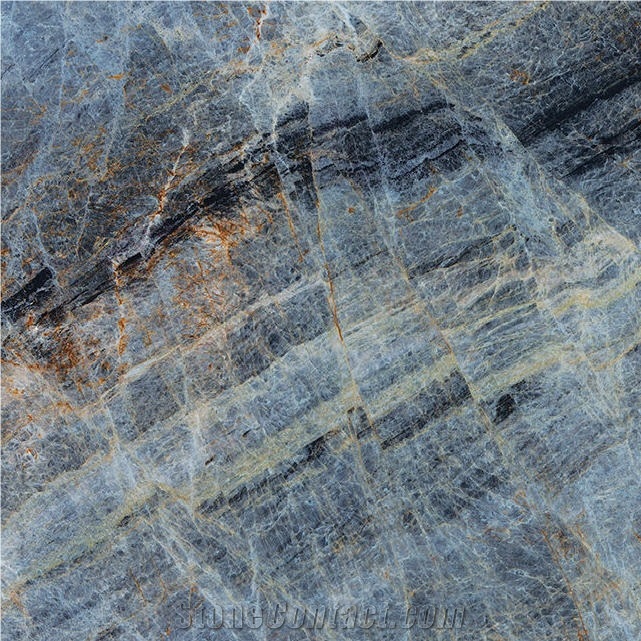
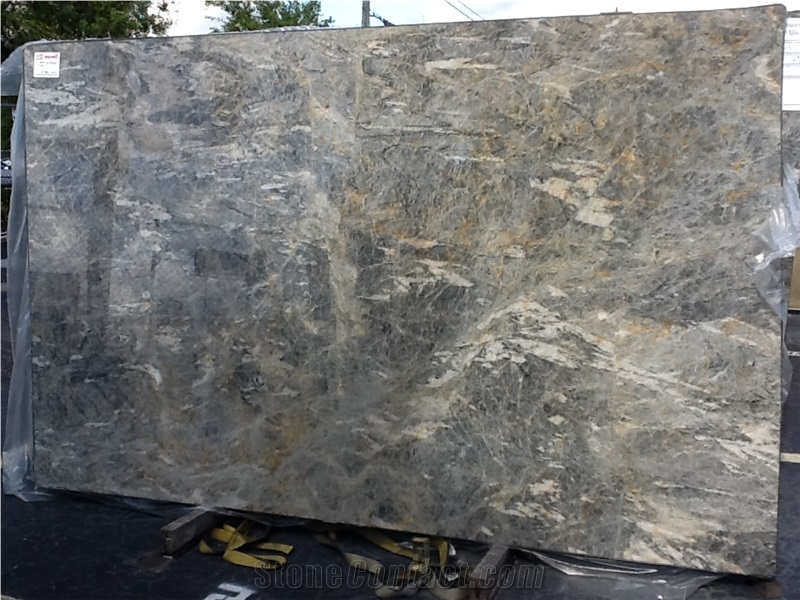
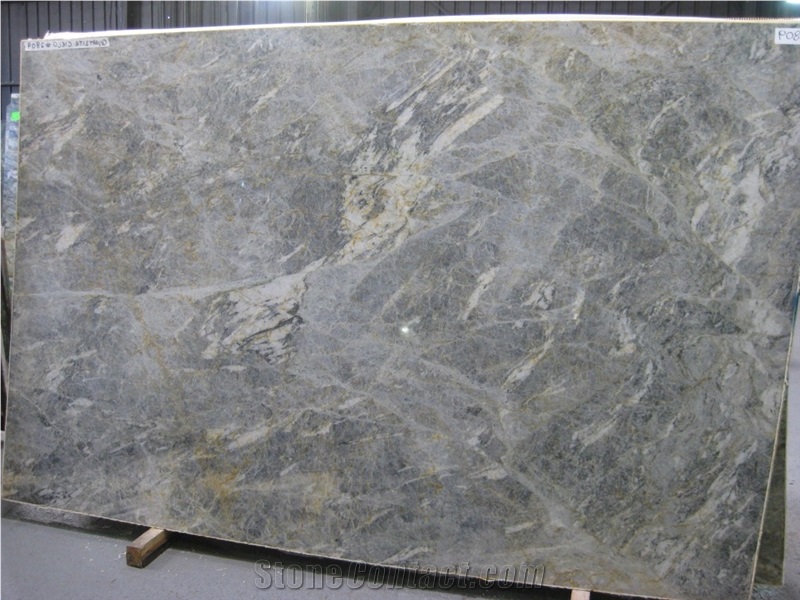
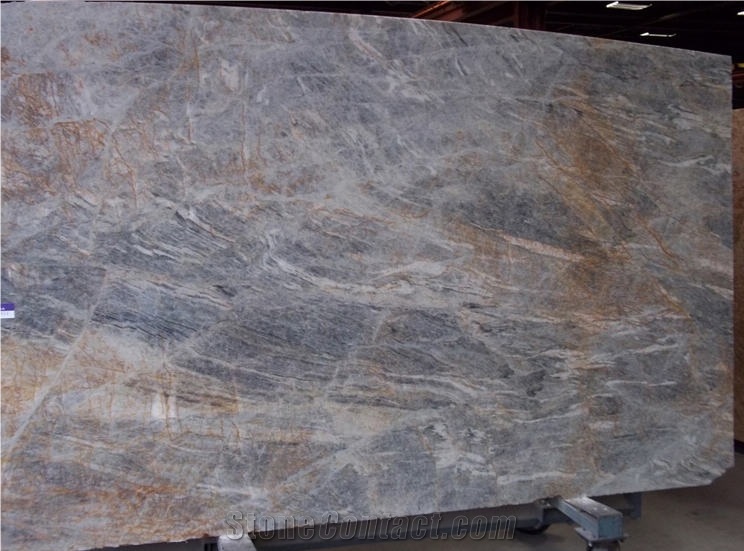
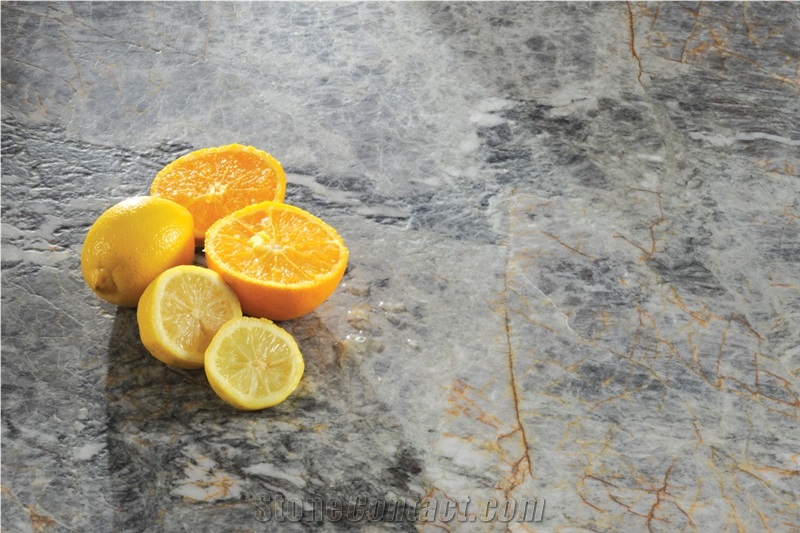
Cielo Quartzite is an exotic and elegant natural stone quarried in Brazil, prized for its distinctive and unique aesthetic. This quartzite features a captivating bluish silver grey background that imparts a sense of sophistication and modernity. The background color serves as a versatile canvas that complements a variety of design schemes.

One of the defining characteristics of Cielo Quartzite is the presence of white and gold streaks that elegantly traverse the surface. These streaks add a layer of complexity to the stone, creating a visually arresting pattern that enhances the overall appeal of any space it graces. The combination of bluish silver grey, white, and gold hues gives Cielo Quartzite a luxurious and refined appearance.

Due to its striking color palette and distinctive veining, Cielo Quartzite is often sought after for high-end interior applications, such as countertops, wall cladding, and flooring. Its elegant and unique nature allows it to become a focal point in interior design, contributing to spaces that exude sophistication and contemporary charm.

FAQ

Can Cielo Quartzite be used for stair steps?

Yes, Cielo Quartzite can be used for stair steps. Quartzite is a natural stone known for its durability, resistance to wear, and aesthetic appeal, making it an excellent choice for various applications, including stair steps. When using Cielo Quartzite for stairs, its important to ensure that the surface finish provides adequate slip resistance, especially for outdoor stairs or areas prone to getting wet. A honed or textured finish can enhance safety by providing better traction. Additionally, proper sealing will help protect the stone from stains and enhance its longevity. Always consult with a professional to ensure the stone is installed correctly and meets any necessary building codes or safety regulations.
Read question details

Do fruit juices stain the surface of Cielo Quartzite kitchen countertop?

Cielo Quartzite is a natural stone known for its durability and resistance to etching, scratching, and heat, making it a popular choice for kitchen countertops. However, like many natural stones, it can be porous and may be susceptible to staining if not properly sealed and maintained. Fruit juices, particularly those that are acidic or deeply pigmented (such as red grape, cranberry, or pomegranate juice), can potentially stain Cielo Quartzite if the surface is not adequately sealed. To minimize the risk of staining: 1. **Seal the Countertop**: Ensure that the quartzite is professionally sealed with a high-quality stone sealer. Sealing fills the pores of the stone, making it more resistant to absorption and staining. 2. **Wipe Spills Immediately**: Promptly clean up any spills with a damp cloth to prevent the juice from penetrating the surface. 3. **Regular Maintenance**: Clean regularly with a pH-balanced cleaner designed for natural stone to avoid any buildup that might compromise the sealant. 4. **Re-Sealing**: Depending on usage and the quality of the sealer, you may need to reseal your quartzite countertop every 1-2 years. By following these precautions, you can help protect your Cielo Quartzite countertop from fruit juice and other potential stains.
Read question details

What type of abrasive should be used to polish the Cielo Quartzite surface?

Polishing Cielo Quartzite, a natural stone, requires the use of appropriate abrasives to achieve a polished finish without damaging the surface. Typically, diamond abrasives are used for polishing quartzite because they are hard enough to work on this tough material. Here��s a general guide: 1. **Diamond Polishing Pads**: Use a series of diamond pads, usually starting from a coarse grit (such as 50 or 100) and progressing through to finer grits (up to 3000 or higher). This gradient progression helps to gradually smooth the surface and achieve the desired polish. 2. **Resin-Bonded Diamond Pads**: These are particularly useful for quartzite surfaces. They offer flexibility and a good finish without being overly aggressive. 3. **Granite Polishing Compounds or Powders**: In some cases, after using diamond pads, a polishing compound or powder made for granite and similar hard stones can be used to enhance the final shine. Always ensure that the polishing process is done with the surface properly lubricated (often with water) to avoid overheating and potential damage. Additionally, it is important to follow all equipment manufacturers�� instructions and recommendations for the best results. If you are unsure or inexperienced, it might be best to consult or hire a professional to ensure the quartzite is polished correctly.
Read question details

Is 3cm thick Cielo Quartzite durable enough for use as walkway pavers?

Cielo Quartzite can generally be considered durable enough for walkway pavers, especially in a thickness of 3 cm. Quartzite is a naturally hard and dense stone that is resistant to weathering and can handle foot traffic effectively, making it suitable for outdoor use. However, when choosing quartzite or any natural stone for exterior applications like walkways, it is important to consider a few factors: 1. **Slip Resistance**: Ensure the finish on the quartzite is slip-resistant, particularly if the walkway is in a location that might get wet. 2. **Load-Bearing Capacity**: While 3 cm is typically thick enough for pedestrian traffic, verify that the substrate or base on which the pavers are installed is well-prepared to prevent shifting or settling that could lead to cracking. 3. **Climate Conditions**: Consider your local climate. Quartzite generally performs well in a variety of weather conditions, but extreme freeze-thaw cycles may require careful installation to prevent damage. 4. **Maintenance**: Be prepared for regular maintenance to keep the stone looking its best, such as sealing (if necessary) and cleaning. 5. **Installation**: Proper installation is crucial. Ensure that the pavers are installed by professionals who are familiar with natural stone and local soil conditions. By taking these factors into account, Cielo Quartzite can make a durable and aesthetically pleasing choice for walkway pavers.
Read question details

Does the surface of Cielo Quartzite scratch easily?

Cielo Quartzite, like most quartzite materials, is known for its hardness and durability. Quartzite typically ranks high on the Mohs scale of mineral hardness, often around a 7 out of 10, which means its quite resistant to scratching. However, while its more resistant to scratches than materials like marble or limestone, it is not completely impervious. It is crucial to maintain best practices when using quartzite surfaces, such as using cutting boards instead of cutting directly on the surface, avoiding dragging heavy or sharp objects across it, and keeping it sealed properly to maintain its resistance to other forms of wear and tear. Proper care will ensure that your Cielo Quartzite surface remains beautiful and scratch-free for many years.
Read question details

Can glossy polished Cielo Quartzite be used for pool coping?

Cielo Quartzite can be used for pool coping, but there are several factors to consider. Quartzite is a natural stone that is known for its durability and resistance to heat and water, making it generally suitable for outdoor applications. However, when considering it for pool coping, especially in a glossy polished finish, there are some points to keep in mind: 1. **Slip Resistance**: A glossy polished finish can be slippery when wet, which could pose a safety risk around a pool. For pool coping, a honed or textured finish might be preferable to enhance slip resistance. 2. **Maintenance**: Glossy surfaces tend to show water spots, mineral deposits, and dirt more readily than honed finishes. Regular cleaning and sealing may be necessary to maintain its appearance. 3. **Temperature**: Glossy surfaces can become hotter under direct sunlight compared to honed or textured finishes. Be mindful of this if the pool deck is in a sunny area. 4. **Sealing**: Ensure the stone is properly sealed to protect against water absorption, chemical damage from pool water, and staining. 5. **Aesthetics**: While a glossy finish can add a luxurious look to the pool area, it should be balanced with practical considerations like safety and maintenance. Consult with a stone professional or contractor experienced in outdoor applications to determine the best finish and installation method for using Cielo Quartzite as pool coping.
Read question details

Can Cielo Quartzite be used as a kitchen countertop?

Yes, Cielo Quartzite can be used as a kitchen countertop. Quartzite is a natural stone that is known for its durability, hardness, and resistance to heat and scratches, which makes it a suitable material for kitchen countertops. Cielo Quartzite, like other quartzites, offers a unique and elegant appearance with its distinct patterns and color variations. However, its important to properly seal and maintain the quartzite to protect it from potential staining, especially in a high-use area like a kitchen. Regular sealing and cleaning with appropriate stone-safe products can help maintain its appearance and longevity. Always consult with a professional installer or supplier to ensure the specific type of quartzite is suitable for your intended use.
Read question details

How can I maintain Cielo Quartzite flooring?

Maintaining Cielo Quartzite flooring involves a combination of regular cleaning, stain prevention, and periodic sealing to preserve its beauty and durability. Here are some steps you can take: 1. **Regular Cleaning:** - **Sweep or Vacuum:** Remove dust and debris regularly to prevent scratches. Use a soft broom or a vacuum with a soft brush attachment. - **Mop:** Use a damp mop with warm water and a pH-neutral, non-abrasive cleaner specifically designed for natural stone. Avoid acidic or abrasive cleaners that can damage the stone��s surface. - **Dry Immediately:** After mopping, dry the floor with a soft cloth or towel to prevent water spots and streaks. 2. **Prevent Staining:** - **Wipe Spills Immediately:** Clean up any spills promptly to avoid staining. Natural stone can be porous, and quick action can prevent substances from seeping into the stone. - **Use Mats and Rugs:** Place mats at entryways to catch dirt and grit. Use rugs in high-traffic areas to reduce wear and tear. 3. **Sealing:** - **Periodic Sealing:** Quartzite often requires sealing to maintain its resistance to stains. The frequency of sealing depends on the manufacturers recommendations and the stones porosity but typically ranges from every 1 to 3 years. - **Test for Sealant:** To determine if your floor needs sealing, perform a water drop test. If water beads up, the sealant is intact. If it absorbs and darkens the stone, it��s time to reseal. 4. **Avoid Harsh Chemicals:** - Avoid using vinegar, lemon juice, or other acidic substances as they can etch the surface. - Steer clear of bleach and ammonia-based cleaners that can damage the sealant and stone. 5. **Furniture and Foot Traffic:** - **Protect Furniture Legs:** Use felt pads under furniture legs to prevent scratching. - **Use Pads Under Caster Wheels:** Ensure any rolling chairs or furniture have protective casters to avoid gouging the floor. 6. **Professional Maintenance:** - Consider hiring a professional for periodic deep cleaning and resealing to maintain the stones appearance and longevity. By following these steps, you can help ensure your Cielo Quartzite flooring remains beautiful and in excellent condition for years to come.
Read question details

Is Cielo Quartzite a suitable choice for facades in cold winter climates?

Cielo Quartzite, like many types of natural stone, can be a suitable choice for facades in cold winter climates, but there are several factors to consider: 1. **Durability and Hardness**: Quartzite is a very hard and durable stone, making it resistant to scratching and wear, which is beneficial for exterior applications. 2. **Freeze-Thaw Resistance**: In cold climates, stones are subject to freeze-thaw cycles, which can cause cracking if the stone absorbs too much water. Its important to ensure that the quartzite you choose is sufficiently dense and has low porosity to withstand these conditions. 3. **Proper Sealing**: Applying a high-quality sealant can help protect the stone from moisture penetration, which is crucial in preventing freeze-thaw damage. 4. **Installation Quality**: Proper installation, including correctly applied mortar and adherence to local building standards, is essential to ensure the durability and performance of quartzite facades in cold climates. 5. **Maintenance**: Regular maintenance, including resealing and cleaning, can help prolong the life of the quartzite facade. 6. **Local Conditions**: Consider local weather patterns, as extreme and prolonged cold or significant moisture exposure may require additional precautions. Before making a decision, it might also be beneficial to consult with a local stone supplier or contractor who has experience with quartzite in similar climates. They can provide insights and recommendations based on regional conditions and the specific characteristics of the Cielo Quartzite available in your area.
Read question details

Can Brazil's Cielo Quartzite be used exterior applications in very windy climates?

Cielo Quartzite is a natural stone that can be used for both interior and exterior applications. However, when it comes to using it in very windy climates, there are a few factors to consider. Firstly, Cielo Quartzite is known for its durability and resistance to weathering, making it suitable for outdoor use. However, extreme weather conditions, particularly high winds, can potentially damage any type of stone. Strong gusts can cause debris or other objects to be blown against the surface, leading to potential scratching or chipping. To minimize the risk, it is important to properly install the Cielo Quartzite with appropriate anchoring methods. Ensuring a secure and stable installation can help prevent any potential damage caused by wind. Additionally, choosing thicker slabs of Cielo Quartzite can provide added strength and resistance to wind forces. Thicker stones are less likely to be affected by wind pressure and are generally more robust. Regular maintenance and care are also essential to maintain the stones appearance and functionality in windy environments. This includes periodic cleaning to remove any debris that may have accumulated on the surface and inspections for any signs of damage. In summary, while Cielo Quartzite can be used for exterior applications in very windy climates, proper installation, regular maintenance, and using thicker slabs can help mitigate any potential damage caused by high winds. Consulting with a professional installer or stone specialist can provide further guidance and expertise on the specific conditions and requirements for your project.
Read question details

jerrick

Hey there, I'm looking at POLISHED CIELO QUARTZITE

Reply

Products & Prices

Hot Quartzite

New Quartzite

Post Your Request

The request includes:
  1. surface finished, size
  2. quantity required