Post Your Needs

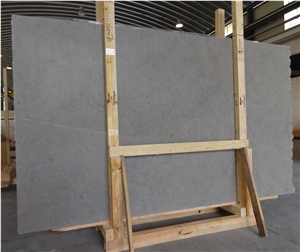
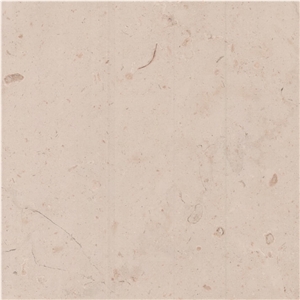
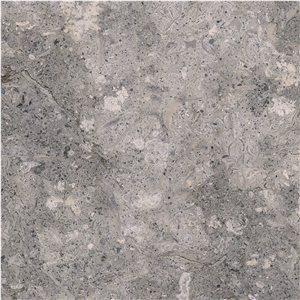
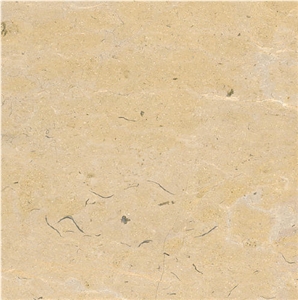
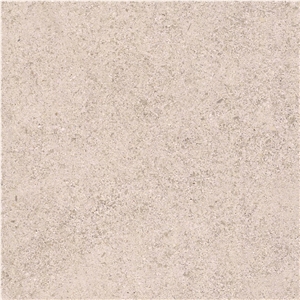
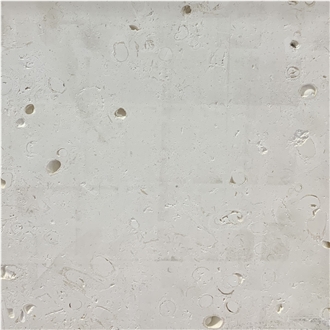
Atlantic Blue Limestone

Grey - Limestone

Portugal

About

Item Details

Material Type:
Limestone
Origin:
Portugal (Cadoiço,Aljubarrota,Alcobaça) Cadoiço, Aljubarrota,Alcobaça
Primary Color(s):
Grey
Recommended Usage:
Wall and floor applications, countertops, mosaic, fountains, pool and wall capping, stairs, window sills
Additional Names:
Atlantic Azul Limestone, Azul Atlantico, Calcare Azul Atlântico, Azul Cadoiço, Atlantic Blue Limestone
Finished Surface:
Polished,Bush Hammered,Tumbled,Brushed,Honed,Split,Machine Cut,Natural Surface,Sandblasted,Acid Washing,Combed,Leathered,Water Jet,Filled,Chiseled,Pickling

Testing

Water Absorption:
0.5 %
Density:
2650 Kg/m3
Flexural Strength:
198 Kg/cm2
Compressive Strength:
1885 - 2100 Kg/cm2

Description

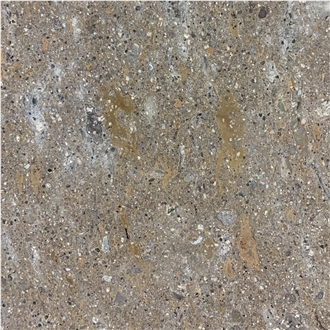
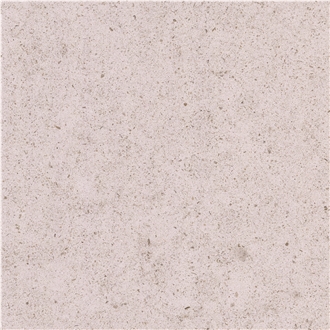
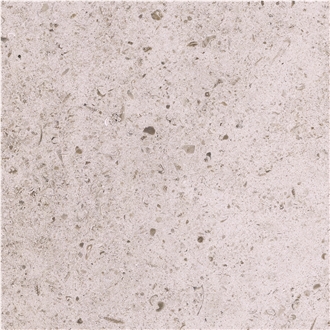
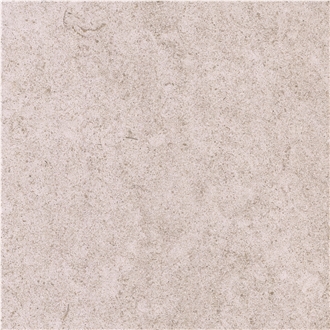
Atlantic Blue Limestone is a fine grain bluish-grey with darker grains sedimentary rock.

ATLANTIC BLUE
MICROSCOPIC PROPERTIES
Calcite--100%
PHISICAL-MECHANICAL PROPERTIES
Bending Strength--198 Kg/cm2
Compression BL after FT--1885 Kg/cm2
Compression Break. Load--2100 Kg/cm2
Volumetric Weight--2650 Kg/m3
Water Absorption--0.5 %
Aparent Porosity--0.95 %
Abrasion Test--0.9 mm

FAQ

How can I remove mold from Atlantic Blue Limestone wall tiles?

To remove mold from Atlantic Blue Limestone wall tiles, you can follow these steps: 1. Make a cleaning solution by mixing equal parts water and white vinegar in a spray bottle. 2. Spray the cleaning solution onto the moldy areas of the limestone tiles and let it sit for about 10-15 minutes. 3. Use a soft-bristled brush or a sponge to gently scrub the mold off the tiles. Be careful not to scrub too hard as limestone is a soft and porous stone. 4. Rinse the tiles with clean water to remove any remaining mold and vinegar solution. 5. If the mold is stubborn and doesnt come off easily, you can try using a commercial mold remover that is safe for use on limestone surfaces. Follow the manufacturers instructions carefully. 6. Once the mold is removed, dry the tiles thoroughly with a clean towel to prevent mold from growing back. 7. To prevent future mold growth, make sure to keep the area well-ventilated and reduce humidity levels in the room. You can also regularly clean and maintain the limestone tiles to prevent mold from returning.
Read question details

Does Atlantic Blue Limestone mosaic need to be sealed?

Yes, Atlantic Blue Limestone mosaic should be sealed to protect it from staining and moisture damage. Sealing the limestone will also help enhance its natural colors and prevent dirt and grime from accumulating in the grout lines.
Read question details

How can I clean Atlantic Blue Limestone wall mosaic tiles?

To clean Atlantic Blue Limestone wall mosaic tiles, you can follow these steps: 1. Start by sweeping or vacuuming the tiles to remove any loose dirt or debris. 2. Mix a mild detergent, such as dish soap or a stone-safe cleaner, with warm water in a bucket. 3. Use a soft-bristled brush or a mop to scrub the tiles with the soapy water solution. Make sure to focus on any areas with stains or dirt buildup. 4. Rinse the tiles with clean water to remove any soap residue. 5. For stubborn stains, you can make a paste of baking soda and water and apply it to the affected areas. Let it sit for a few minutes before scrubbing with a brush. 6. Once the tiles are clean, dry them with a clean, soft towel or cloth. 7. If needed, you can also apply a sealant to protect the tiles and make them easier to clean in the future. Its important to avoid using acidic or abrasive cleaners on limestone tiles, as they can damage the surface. Always test any cleaning solution on a small, inconspicuous area of the tiles before applying it to the whole surface.
Read question details

How can I clean the grout of Atlantic Blue Limestone wall tiles?

To clean the grout of Atlantic Blue Limestone wall tiles, you can follow these steps: 1. Start by mixing a solution of equal parts water and white vinegar in a spray bottle. 2. Spray the solution onto the grout lines and let it sit for about 10-15 minutes to break down any dirt and grime. 3. Use a stiff-bristled brush or an old toothbrush to scrub the grout lines. Make sure to scrub in a circular motion to dislodge any stubborn stains. 4. Rinse the area with clean water to remove any remaining vinegar solution and debris. 5. For tougher stains, you can create a paste by mixing baking soda and water. Apply the paste to the grout lines and let it sit for about 10-15 minutes before scrubbing with a brush. 6. Rinse the area again with clean water to remove the baking soda paste. 7. For even tougher stains, you can use a commercial grout cleaner according to the manufacturers instructions. 8. Once the grout is clean, dry the area with a clean towel or rag. It is important to regularly clean and maintain the grout of your Atlantic Blue Limestone wall tiles to keep them looking their best.
Read question details

I have a Atlantic Blue Limestone tabletop with a vein that looks broken. Should I glue it?

It is not recommended to try to glue a broken vein in a limestone tabletop as it may not hold securely and could potentially cause further damage. It would be best to consult with a professional stone restoration specialist who can assess the damage and recommend the best course of action to fix it properly. They may be able to fill in the broken vein with a matching resin or adhesive to help blend it in with the rest of the tabletop.
Read question details

How can I give Atlantic Blue Limestone tiles an antique look?

There are several methods you can use to give Atlantic Blue Limestone tiles an antique look: 1. Acid wash: Mix a solution of equal parts water and muriatic acid and apply it to the tiles with a brush. Allow the solution to sit for a few minutes, then scrub it off with a stiff brush. This will give the tiles a weathered and worn appearance. 2. Sandblasting: Use a sandblasting machine to gently blast the surface of the tiles with fine sand or abrasive material. This will create a textured, aged appearance on the tiles. 3. Aging solution: Create an aging solution by mixing water with a small amount of borax, bleach, or ammonia. Apply the solution to the tiles and let it sit for a few hours before rinsing it off. This will give the tiles a patina that mimics the natural aging process. 4. Patina paint: Use a patina paint or stain specifically designed for limestone tiles to give them an antique look. Apply the paint or stain with a brush or sponge, then wipe off any excess to create a more subtle aged effect. 5. Distressing: Use a hammer, chisel, or wire brush to lightly distress the surface of the tiles. This can create small chips, scratches, and other imperfections that will give the tiles a more rustic and aged appearance. Before attempting any of these methods, its important to test them on a small, inconspicuous area of the tiles to ensure that the desired effect is achieved without damaging the surface. Additionally, be sure to seal the tiles after applying any aging techniques to protect them and prolong their lifespan.
Read question details

How can I restore the appearance of Atlantic Blue Limestone floors to make them look new again?

To restore the appearance of Atlantic Blue Limestone floors and make them look new again, you can follow these steps: 1. Start by thoroughly cleaning the floors with a mild cleaner or stone soap. Make sure to remove any dirt, debris, and grime from the surface of the limestone. 2. Use a specialized limestone cleaner or a pH-neutral cleaner to remove any stubborn stains or discoloration on the floors. Be sure to follow the manufacturers instructions for the cleaner you choose. 3. If there are any scratches or etch marks on the surface of the limestone, you can use a honing compound or polishing powder to buff them out. Be sure to use a buffing machine or a hand buffer for best results. 4. Once the floors are clean and free from any stains or scratches, you can seal them with a natural stone sealer to protect them from future damage and enhance their appearance. Make sure to choose a sealer specifically designed for limestone surfaces. 5. After sealing the floors, you can apply a stone enhancer or color enhancer to bring out the natural beauty and color of the Atlantic Blue Limestone. This will help give the floors a fresh, polished look. By following these steps and maintaining regular cleaning and sealing routines, you can restore the appearance of your Atlantic Blue Limestone floors and keep them looking new for years to come.
Read question details

Can Atlantic Blue Limestone be used for stair steps?

Yes, Atlantic Blue Limestone can be used for stair steps. It is a durable and versatile material that is commonly used for various construction projects, including stairs. Its natural beauty and ability to withstand heavy foot traffic make it a popular choice for stair steps in both indoor and outdoor applications. It is important to ensure that the Atlantic Blue Limestone is properly sealed and installed by a professional to ensure its longevity and safety.
Read question details

Do fruit juices stain the surface of Atlantic Blue Limestone countertop?

Fruit juices, particularly acidic ones like lemon or cranberry, have the potential to stain natural stone surfaces like Atlantic Blue Limestone countertops if left uncleaned for a prolonged period of time. It is recommended to wipe up any spills or splashes immediately to prevent staining. Regular sealing of the limestone can also help to protect against stains.
Read question details

Is 3cm thick Atlantic Blue Limestone durable enough for use as walkway pavers?

Yes, 3cm thick Atlantic Blue Limestone is generally considered durable enough for use as walkway pavers. However, it is always recommended to consult with a professional or supplier to ensure that the specific type of limestone meets the requirements for your specific project and location. Additionally, proper installation and maintenance techniques should be followed to ensure the longevity of the walkway.
Read question details

Products & Prices

Hot Limestone

New Limestone

Post Your Request

The request includes:
  1. surface finished, size
  2. quantity required