Post Your Needs

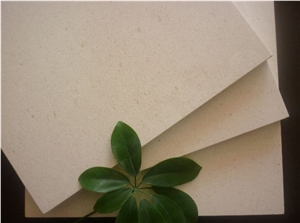
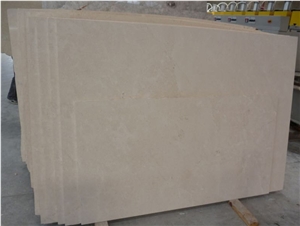
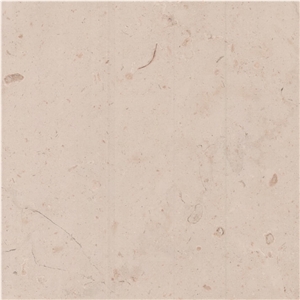
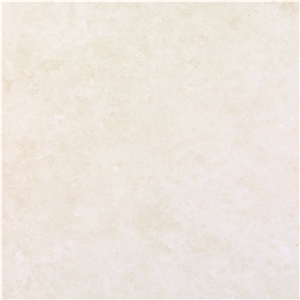
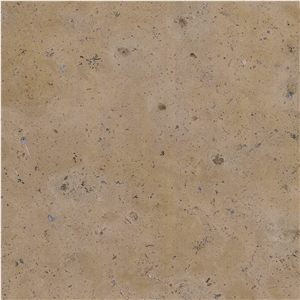
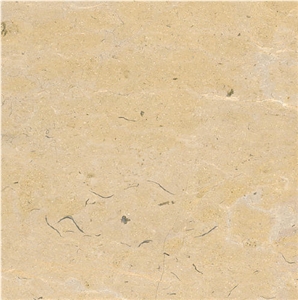
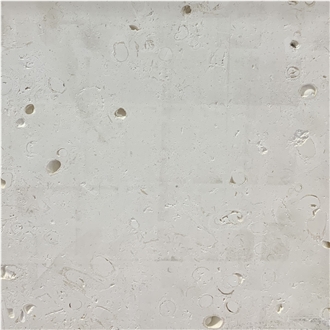
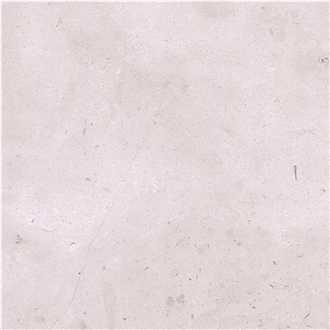
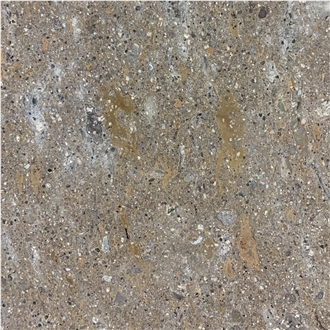
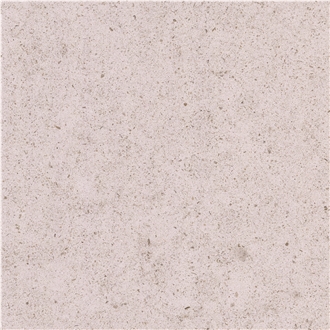
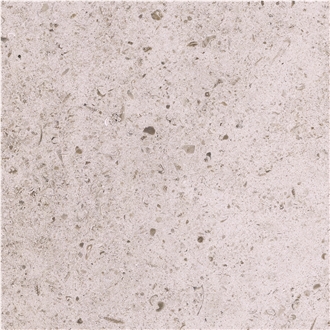
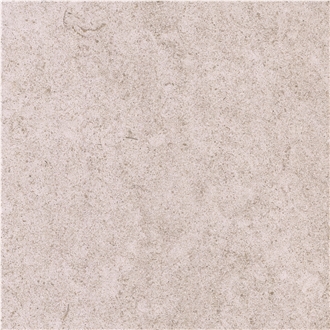
Arykanda Limestone

Beige - Limestone

Turkey

About

Item Details

Material Type:
Limestone
Origin:
Turkey (Alacadağ Mevkii, Finike, Antalya)
Primary Color(s):
Beige
Recommended Usage:
Ornamental stone, interior, exterrior, wall, floor
Additional Names:
Limra Limestone, Ivory Limestone, Lymra Limestone, Limyra Limestone, Lymyra Limestone, Fenike limestone, Salomon Gran Beige, Turkish Limestone, Toros Beige Limestone, Antalya Cream, Antalya Tasi, Finike Tasi, Arykanda Limestone

Testing

Water Absorption:
3.64 By weight %
Density:
2460 kg/m3
Flexural Strength:
3.48 MPa
Compressive Strength:
61.56 MPa

Description

Hardness  : MOHS   2.50
Unit Volume Weight: GR/CM3  2.46
Specific Weight:GR/CM3 2,55 
Water Absorption : % 3.64
Porosity: %  8.66
Ratio of Fullnes :% 88.00
Uniaxial Compressive Strength : KGF/CM2  615.64 
Point Load Strength : KGF/CM2 34.81
Compressive Strength After Freezing: KG/CM2 496,52+_79,40  
Changing of Compressive Strength After Freezing : %18,22
Compressive Strength Dry/Wet : KG/CM2 607,12+_126,03/507,09+_94,30

FAQ

How can I repair the scratched surface of the Arykanda Limestone tiles?

To repair the scratched surface of Arykanda Limestone tiles, you can follow these steps: 1. Clean the tiles: Start by cleaning the affected area with a mild, pH-neutral cleaner and a soft sponge or cloth. This will remove any dirt or residue from the scratches and surrounding area. 2. Assess the depth of the scratches: Determine how deep the scratches are on the surface. Minor surface scratches can often be repaired with simple methods, while deeper scratches may require professional help. 3. Use a limestone repair kit: For minor surface scratches, you can purchase a limestone repair kit from a home improvement store or online. These kits usually include a filler and a polishing compound specific to limestone surfaces. 4. Fill the scratches: Use the filler from the repair kit to fill in the scratch. Follow the instructions provided with the kit to ensure proper application. Typically, you will need to apply the filler to the scratches and level it with a putty knife or similar tool. 5. Let the filler dry: Allow the filler to dry completely according to the instructions. This usually takes several hours or overnight. 6. Sand and polish: Once the filler is dry, use fine-grit sandpaper (around 400-600 grit) to gently sand down the filled area until it is level with the surrounding surface. Be careful not to apply too much pressure to avoid damaging the surface further. After sanding, use the polishing compound from the repair kit to buff the area and blend it with the rest of the tiles surface. 7. Seal the tiles: To protect the repaired surface and prevent future scratches, consider sealing the entire tile or the repaired area with a limestone sealer. Follow the instructions on the sealer packaging for application guidelines. If the scratches are too deep or widespread, it is advisable to consult a professional stone restoration specialist who will be better equipped to handle more substantial repairs. Additionally, regular maintenance and care can help prevent further scratches on your limestone tiles.
Read question details

Is Arykanda Limestone durable for use as outdoor terrace pavers?

Arykanda Limestone is a natural stone that is known for its durability and strength, making it suitable for outdoor use. It can be used as terrace pavers without any issues. However, it is always recommended to seal the stone to protect it from weathering and staining, as natural stones can be susceptible to these factors. Regular maintenance and care are also important to ensure the longevity and beauty of the limestone pavers.
Read question details

Does Arykanda Limestone scratch easily?

It is difficult to say for certain without more specific information about the specific type and quality of Arykanda Limestone. However, in general, limestone is a relatively soft and porous material, so it can be prone to scratching or chipping if not properly cared for or maintained. It is always recommended to use gentle cleaning methods and avoid using abrasive materials on limestone surfaces to minimize the risk of scratching. Additionally, applying a sealant or protective coating can help to enhance the durability and resistance to scratches.
Read question details

Can Arykanda Limestone be used as a kitchen cutting board?

No, Arykanda Limestone should not be used as a kitchen cutting board. Limestone is a sedimentary rock that is not suitable for direct food contact as it is porous and can harbor bacteria. Additionally, the hardness of limestone may damage your knives and make it difficult to cut on. It is recommended to use materials specifically designed for kitchen cutting boards, such as wood, bamboo, or plastic.
Read question details

Can Arykanda Limestone be used for swimming pool coping?

Arykanda limestone can potentially be used for swimming pool coping, depending on the specific characteristics of the stone. Limestone is a commonly used material for pool coping due to its natural beauty and durability. However, certain factors need to be considered such as the porosity of the limestone, its resistance to water absorption, and its ability to withstand pool chemicals and weathering. It is recommended to consult with a professional pool contractor or stone supplier to ensure that Arykanda limestone is suitable for swimming pool coping in your specific situation.
Read question details

Does Arykanda Limestone need sealed?

It is generally recommended to seal limestone to protect it from staining and to enhance its durability. However, the specific sealing requirements for Arykanda Limestone may vary based on factors such as its finish, usage, and location. It is advisable to consult with a stone professional or the manufacturer for specific recommendations regarding sealing the Arykanda Limestone.
Read question details

Is Arykanda Limestone resistant to heat?

Arykanda Limestone is a type of limestone quarried in Turkey, specifically in the Arykanda region. Limestone in general is not highly heat resistant compared to other stones like granite or marble. While it can withstand moderate heat, prolonged exposure to high temperatures may cause it to crack or become discolored. If you are considering using Arykanda Limestone for a heat-intensive application such as a fireplace surround or outdoor kitchen countertop, it is advisable to consult with a stone professional to determine its suitability and proper care.
Read question details

Is Arykanda Limestone good for table tops?

Arykanda Limestone can be a suitable option for table tops depending on the specific requirements and preferences. Limestone is a natural stone known for its durability, versatility, and beauty. It typically has a smooth surface, making it suitable for tabletops in terms of functionality and aesthetics. However, its important to note that limestone is a porous material and may require regular sealing to protect it from staining and damage. It is recommended to consult with a professional stone supplier or fabricator to determine the best type of stone for table tops based on your specific needs and preferences.
Read question details

What are the types of Arykanda Limestone molding border designs?

There are several types of Arykanda Limestone molding border designs, including: 1. Bead and reel: This design features a repeated pattern of alternating beads and disks, resembling a string of beads. It creates a classical look and is commonly used in architectural molding. 2. Egg and dart: This design consists of alternating oval shapes (resembling eggs) and V-shaped darts. It is a traditional decorative motif and is often found in ancient Greek and Roman architecture. 3. Greek key: Also known as the meander pattern, this design features a continuous and interlocking pattern of right angles. It is a popular geometric design that adds a timeless and sophisticated touch to any space. 4. Rope twist: This design features a twisted rope-like pattern that gives the illusion of multiple intertwined ropes. It adds a sense of texture and intricacy to the molding border. 5. Dentil: This design consists of a repetitive series of rectangular blocks (resembling teeth) spaced evenly along the edge of the molding. It is often used in classical architecture and gives a sense of depth and visual interest to the border. 6. Floral motifs: Various floral designs can be incorporated into the Arykanda Limestone molding border, such as vines, leaves, flowers, or petals. These designs can add a natural and organic touch to the overall aesthetic. 7. Geometric patterns: Apart from the Greek key design, other geometric patterns like chevrons, interlocking triangles, or squares can be used to create a modern and contemporary look. These are just a few examples of the types of molding border designs that can be created with Arykanda Limestone. The choice of design ultimately depends on the desired style and aesthetic of the space.
Read question details

What is the difference between Arykanda Limestone baseboard and moulding?

Arykanda Limestone baseboard and moulding refer to different architectural elements used in building construction. Here are the basic differences between the two: 1. Function: - Baseboard: Baseboards are typically installed along the bottom of a wall where it meets the floor. Their purpose is to protect the wall from furniture, vacuum cleaners, and other potential damages. - Moulding: Mouldings, on the other hand, are decorative elements used to enhance the aesthetic appeal of a room. They can be installed along walls, ceilings, doors, windows, or any other architectural feature. Mouldings can come in various shapes and sizes, adding visual interest and elegance to a space. 2. Placement and Size: - Baseboard: Baseboards are generally placed at the bottom of the wall, running horizontally along the floor. They are typically wider and taller than mouldings, serving the functional purpose of providing a protective barrier. - Moulding: Mouldings can be installed in different locations, such as around doors, windows, or ceilings. They are usually narrower and flatter compared to baseboards, primarily serving a decorative purpose. 3. Material: - Arykanda Limestone Baseboard: Arykanda Limestone baseboard refers to a specific type of baseboard made from limestone. Limestone is a sedimentary rock known for its durability and natural beauty. - Arykanda Limestone Moulding: Arykanda Limestone moulding refers to decorative moulding made from limestone. It provides a distinctive appearance due to the unique characteristics of limestone. In summary, the main difference between Arykanda Limestone baseboard and moulding lies in their function and placement. Baseboards are primarily functional, protecting the walls, while mouldings are purely decorative, enhancing the visual appeal of a space.
Read question details

Products & Prices

View More

Hot Limestone

New Limestone

Post Your Request

The request includes:
  1. surface finished, size
  2. quantity required