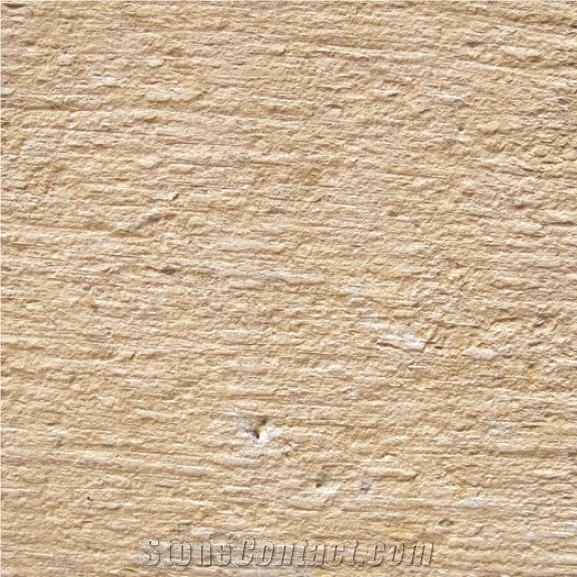
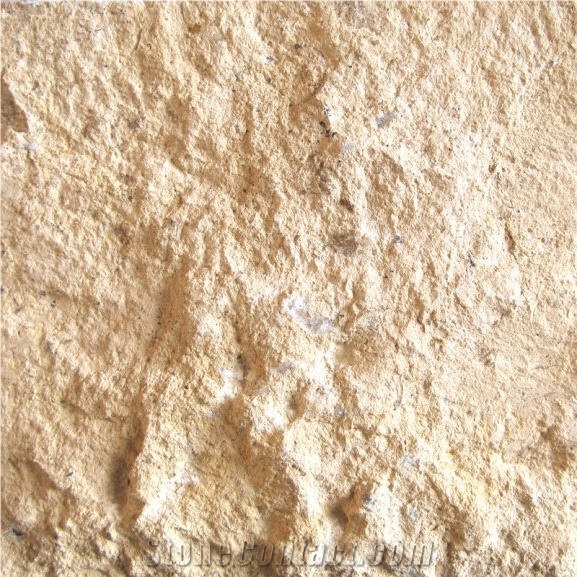
Amande Limestone
About
Item Details
- Material Type:
- Limestone
- Origin:
China (Central China) - Primary Color(s):
- Beige
- Recommended Usage:
- Pavers, veneer, stair blocks, quoins, coping/caps, curbs, sills/lintels, carved objects, columns, si
- Additional Names:
- China Beige Limestone, Amande Limestone
- Finished Surface:
- Coarsed, Chiseled, Pineapple, Honed, Aged, Polished, Sawn Cut, Sanded, Rockfaced, Sandblasted, Bushhammered, Tumbled
Testing
- Water Absorption:
- 1.43 % C97
- Density:
- 2560 kg/m³
- Flexural Strength:
- 6.9 MPa
- Compressive Strength:
- 60.6 MPa
Description
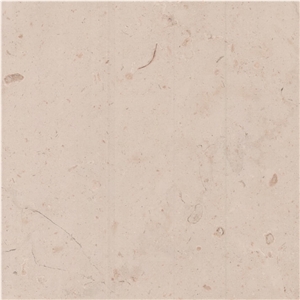
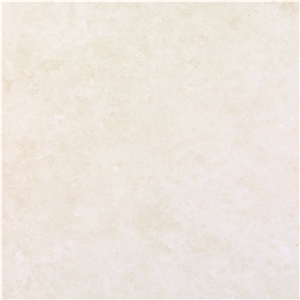
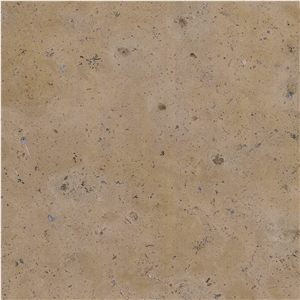
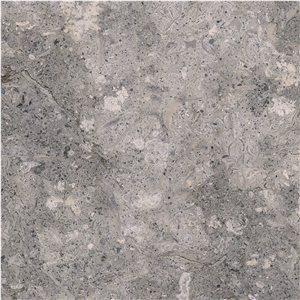
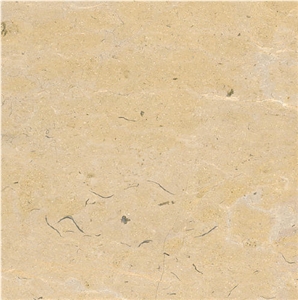
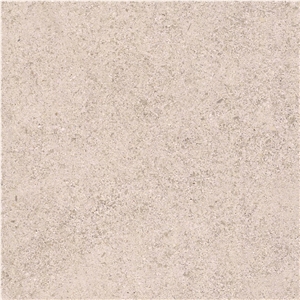
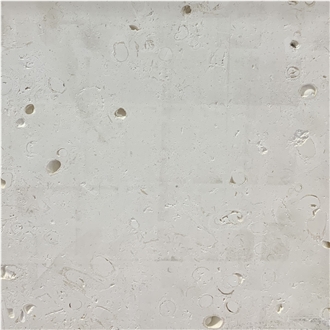
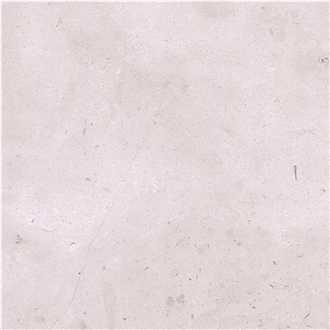
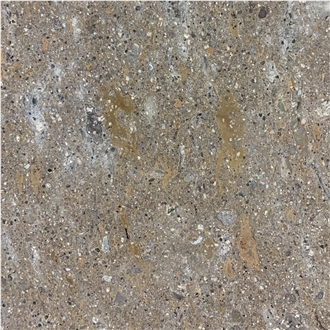
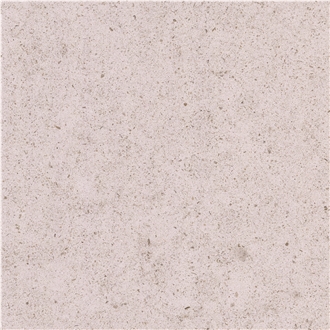
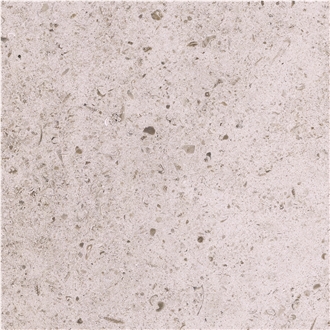
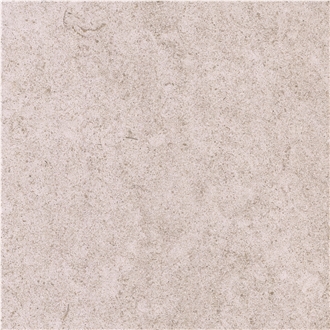
Amande Limestone is a light cream beige to dark beige and light gray tones colored fossilized sedimetary rock. Small black fossils sometimes create subtle, yet interesting natural variations in cross-sections.
Recommended Uses: Pavers, veneer, stair blocks, quoins, coping/caps, curbs, sills/lintels, carved objects, columns, sinks/tubs, slabs, cobblestones.
Surface finishing: Coarsed, Chiseled, Pineapple, Honed, Aged, Polished, Sawn Cut, Sanded, Rockfaced, Sandblasted, Bushhammered, Tumbled.
C99 Modulus of Rupture (Dry)
2,600 psi --17.9 MPa
C241 Abrasion Resistance
8.1 Ha
FAQ
Yes, Chinas Amande Limestone can be used for exterior applications in cold climates. Limestone is a durable and weather-resistant natural stone that can withstand freezing temperatures and the effects of frost and thaw cycles. However, to ensure its performance in cold climates, it is important to consider factors such as the quality of the stone, proper installation techniques, and appropriate maintenance practices. Additionally, selecting a limestone variety with low water absorption and high frost resistance will enhance its suitability for exterior use in cold climates. It is recommended to consult with a professional stone supplier or installer familiar with local climate conditions for specific recommendations and guidance.
Can China's Amande Limestone be used in wall coverings?
Yes, Chinas Amande Limestone can be used in wall coverings. Amande Limestone is known for its durability and aesthetic appeal, making it a popular choice for various applications, including wall cladding and coverings. Its natural, earthy tones and unique grain patterns can add a touch of elegance and sophistication to any interior or exterior wall. The limestone can be cut into various sizes and finishes to suit different design preferences and requirements.
What is the coefficient of friction of Combed China's Amande Limestone tiles?
The coefficient of friction of Combed Chinas Amande Limestone tiles is not provided in the question. The coefficient of friction is a measure of the amount of friction between two surfaces in contact. It depends on various factors, including the nature of the surfaces, the force pressing them together, and any external factors such as moisture or contaminants. To determine the coefficient of friction of a specific tile, it is best to refer to the manufacturers specifications or contact the supplier directly.
Can China's Amande Limestone be used in a office?
Yes, Chinas Amande Limestone can be used in an office. Limestone is a durable and versatile natural stone that can be used for various applications, including flooring, wall cladding, countertops, and even decorative accents. Amande Limestone, specifically, is known for its beautiful light beige color with subtle brown veins, providing an elegant and sophisticated look. It can add a touch of sophistication and warmth to an office space, making it a popular choice for flooring or wall coverings in professional settings.
Are there color variations of China's Amande Limestone?
Yes, there can be variations in color for Chinas Amande Limestone. Amande Limestone is a natural stone, and like most natural stones, it can have different color variations and patterns due to variations in mineral content, impurities, and geological factors. The most common color variations of Amande Limestone range from beige and creamy tones to light brown and greyish hues. The specific color variations can depend on the specific quarry and location from which the stone is sourced. It is always recommended to view samples or images of the specific batch or lot to get a better idea of the color variations before making a purchase.
What is the average compressive strength of China's Amande Limestone?
I dont have access to the latest data. However, according to the most recent data in my database, the average compressive strength of Chinas Amande Limestone is around 20-30 MPa. Keep in mind that this value may vary depending on the specific quarry and extraction site.
What grade is China's Amande Limestone?
I cannot provide a specific grade for Chinas Amande Limestone without additional context. Limestone grading can vary depending on multiple factors such as the quality, appearance, and size of the stone. Please provide more details so I can assist you better.
How thick is China's Amande Limestone slabs?
I cannot confirm the exact thickness of Chinas Amande Limestone slabs. However, limestone slabs can vary in thickness depending on the manufacturer or supplier, but they typically range from 1-2 inches in thickness. It is best to confirm the thickness with the supplier before making a purchase.
Can China's Amande Limestone be used outdoors?
Yes, Chinas Amande Limestone can be used outdoors. It is a durable and weather-resistant natural stone that can be used for various outdoor applications such as paving, wall cladding, and landscaping. However, it is recommended to seal the limestone to protect it from staining and to prevent the growth of mildew or algae. Proper maintenance is also necessary to ensure the longevity and beauty of the stone.
Is China's Amande Limestone an expensive stone?
I dont have access to real-time market prices. However, Amande Limestone is generally considered a premium and exclusive stone due to its unique color and texture, and it is often used for luxury architectural and interior design projects. Therefore, it can be assumed that it is relatively expensive compared to other types of limestone. It is always better to check the current market prices to get accurate information.