Canada
Can Canada's Amabel Limestone be used exterior applications in hot climates?
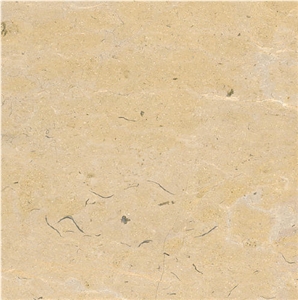
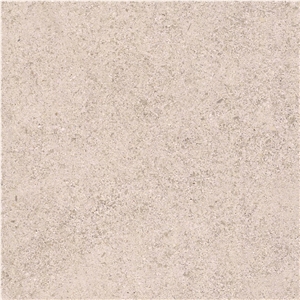
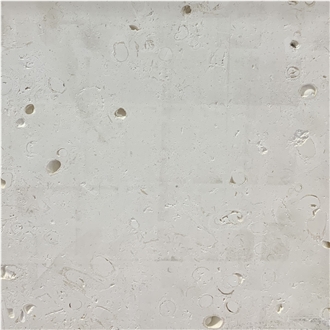
The Amabel Limestone is a type of natural stone found in the region of Ontario, Canada. It is commonly used in construction and interior applications, but its suitability for exterior use in hot climates depends on certain factors.
Amabel Limestone is known for its durability and resistance to weathering, and it can withstand freezing temperatures. However, in hot climates, some factors need to be considered before using it for exterior applications:
1. Heat resistance: The stone should be able to withstand high temperatures without warping, cracking, or discoloring. While limestone is generally heat-resistant, the specific characteristics of Amabel Limestone may need to be evaluated for hot climates.
2. Moisture absorption: Limestone is a porous material, and if it absorbs moisture, it can be prone to expansion and contraction, which could cause the stone to deteriorate. In hot climates with high humidity or heavy rainfall, it is important to ensure proper sealing and maintenance of the stone to prevent moisture damage.
3. Thermal conductivity: Limestone can absorb heat and become hot to touch in direct sunlight. This can be uncomfortable and limit its use in areas where people are likely to come into contact with it, such as walkways or outdoor seating areas.
4. Color fading: Exposure to sunlight can cause some types of limestone to fade or change color over time. It is important to assess whether Amabel Limestone is susceptible to significant color fade under intense sunlight in a hot climate.
Considering these factors, it is recommended to consult with local experts or professionals in the specific hot climate region, as they will have more detailed knowledge and experience with the performance of Amabel Limestone in exterior applications. They can advise on appropriate sealing techniques, maintenance requirements, and potential limitations in hot climate conditions.