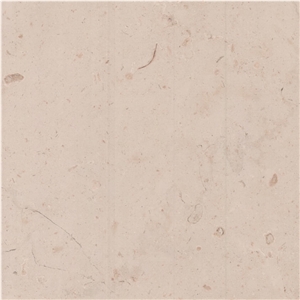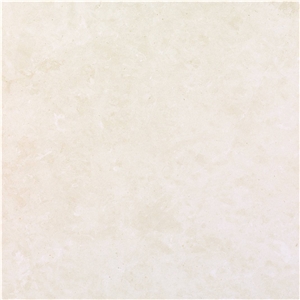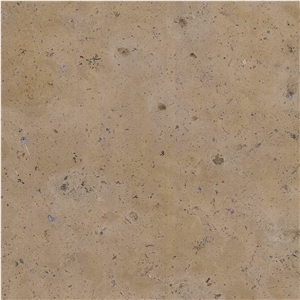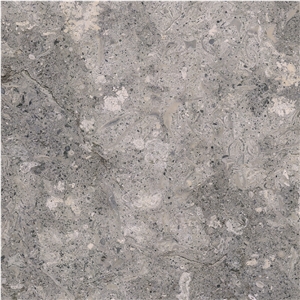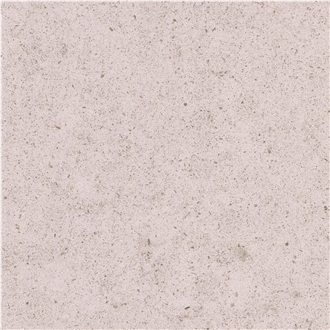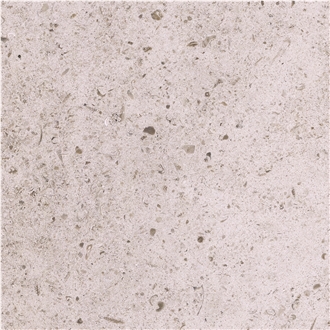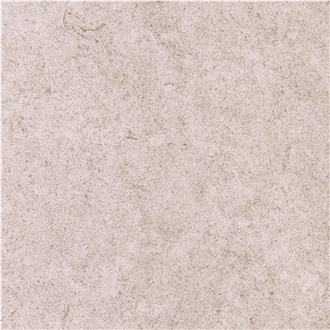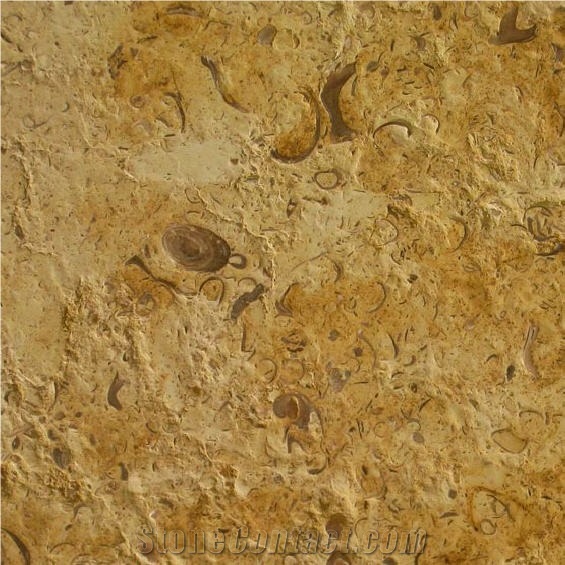
 Palestine
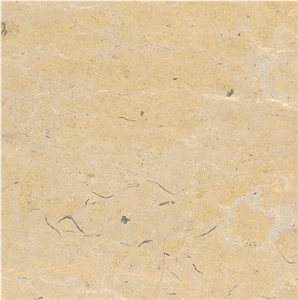
 Can Palestine's Yellow Shell Limestone be used exterior applications in very rainy climates?
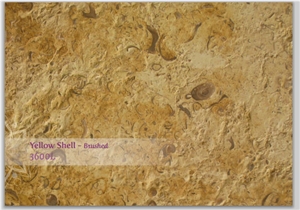
Yellow Shell Limestone is a relatively porous type of limestone, and its suitability for exterior applications in very rainy climates depends on several factors.
1. Porosity: As mentioned, Yellow Shell Limestone tends to be porous, which means it is more prone to absorbing moisture. In very rainy climates, where prolonged exposure to moisture is expected, the limestone may absorb water and potentially suffer from weathering and degradation over time. This could result in discoloration, erosion, or other forms of damage.
2. Water resistance: While Yellow Shell Limestone is not known for its high water resistance, the stone can still be suitable for exterior applications in rainy climates if proper measures are taken. Applying a high-quality stone sealer can help reduce porosity and enhance water repellency. Regular re-sealing may be necessary to maintain its effectiveness.
3. Maintenance: In a very rainy climate, additional maintenance may be required to ensure the longevity of Yellow Shell Limestone. Regular cleaning to remove dirt, algae, and moss build-up is crucial to prevent the growth of organic matter that traps moisture and promotes weathering. Adequate drainage systems should also be in place to prevent water pooling around the limestone, which can accelerate deterioration.
4. Climate intensity: The severity of the rainy climate should also be considered. If the climate is characterized by heavy, prolonged downpours or frequent storms, the limestones exposure to water will be more intense. In such cases, it may be more challenging to maintain the stones appearance and integrity over time.
Ultimately, it is advisable to consult with a local stone professional or contractor familiar with Yellow Shell Limestone and the specific climatic conditions in the intended location. They can provide more accurate guidance on the suitability of this limestone for exterior use in very rainy climates and suggest appropriate maintenance practices based on local expertise.