Post Your Needs

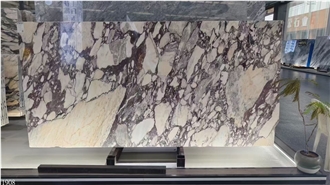
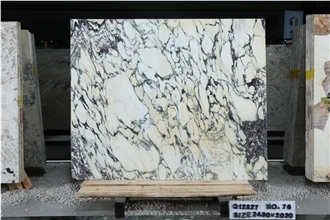
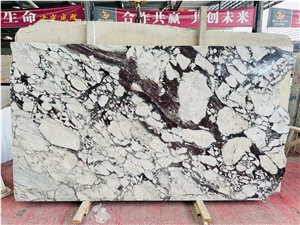
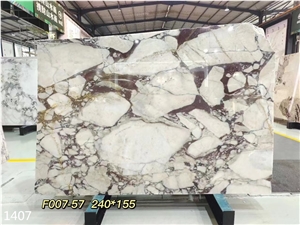
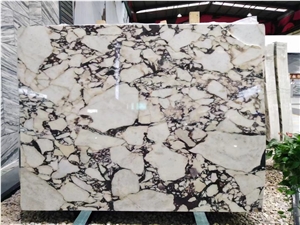
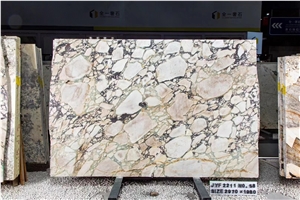
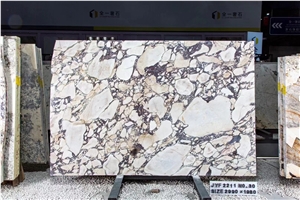
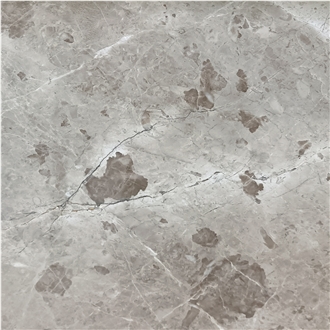
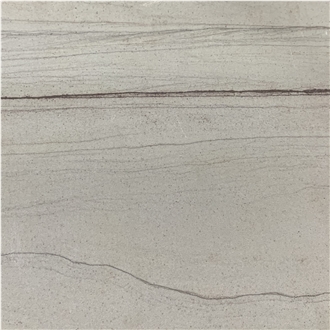
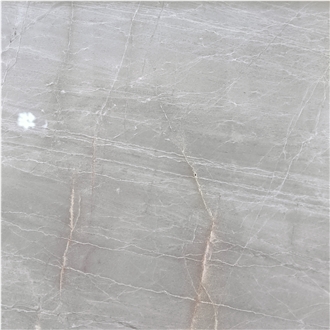
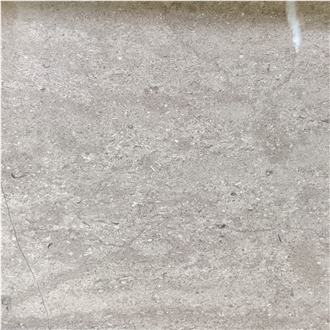
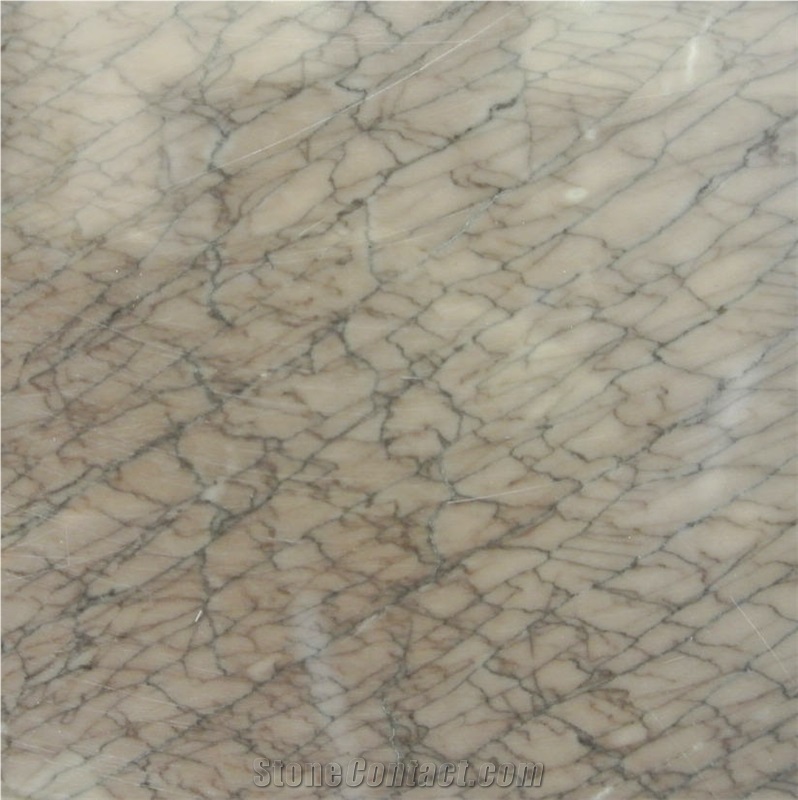
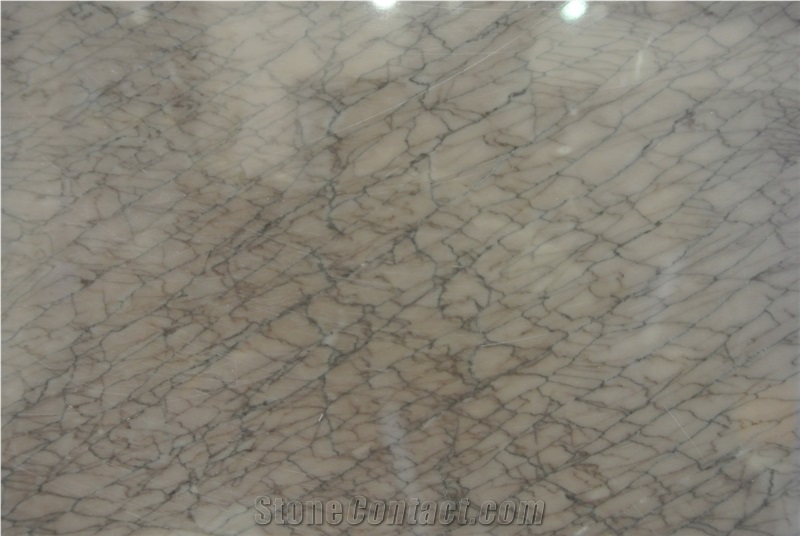
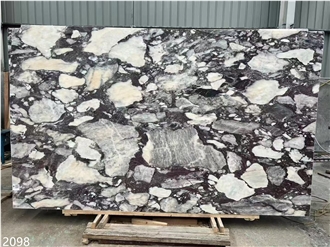
Viola Marble

About

Material Type:
Marble
Origin:
Turkey (Milas, Mugla)
Primary Color(s):
Lilac
Recommended Usage:
Exterior - Interior wall and floor applications, monuments, countertops, mosaic, fountains, pool and
Additional Names:
Viola Beige Marble, Calacatta Viola Marble, Milas Lilac, Ice Jade Marble, in China stone market:香雪梅(Xiāngxuě méi), 冰玉(bīng yù), 天堂鸟(tiāntáng niǎo), Viola Marble
Finished Surface:
Polished, Sawn Cut, Sanded, Rockfaced, Sandblasted, Tumbled

Testing

Density:
2720 - 2740 kg/m3

Description

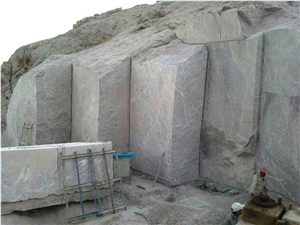
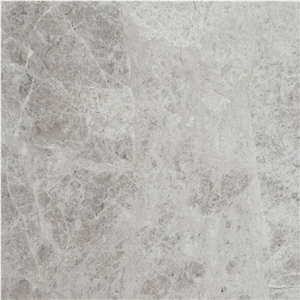
Viola Marble is a kind of lilac marble quarried in Turkey. This stone is especially good for Exterior - Interior wall and floor applications, monuments, countertops, mosaic, fountains, pool and wall coping and other design projects. It also called Viola Beige Marble, Calacatta Viola Marble, Milas Lilac, Ice Jade Marble, in China stone market:香雪梅(Xiāngxuě méi),冰玉(bīng yù),天堂鸟(tiāntáng niǎo) . Viola Marble can be processed into Polished, Sawn Cut, Sanded, Rockfaced, Sandblasted, Tumbled and so on.

FAQ

My tabletop made of Viola Marble has scratches. How can I fix it?

If your tabletop made of Viola Marble has scratches, you can try the following methods to fix it: 1. Sanding: Use fine-grit sandpaper to gently sand the scratched area in a circular motion. Be careful not to apply too much pressure, as this can damage the marble further. Continue sanding until the scratches are no longer visible. 2. Polishing: After sanding, polish the area using a marble polish or a mixture of baking soda and water. Apply the polish to the scratched area and buff it in a circular motion using a soft cloth. This will help to restore the shine and smoothness of the marble. 3. Professional restoration: If the scratches are deep or extensive, it may be best to seek help from a professional marble restoration company. They have the expertise and tools to repair the damage effectively and restore the beauty of your Viola Marble tabletop. Its important to note that marble is a delicate and porous material, so its best to avoid using harsh chemicals or abrasive cleaners that can further damage the surface. Regular maintenance and care can help prevent scratches and keep your marble tabletop looking beautiful for years to come.
Read question details

Can 2cm thick Viola Marble be used for a commercial bar top?

It is possible to use 2cm thick Viola Marble for a commercial bar top, but it may not be the most durable or long-lasting option. Commercial bar tops are typically subjected to a lot of wear and tear, including spills, scratches, and heavy use. Thicker marble, such as 3cm or 4cm, is generally recommended for commercial applications because it is more resistant to damage and can better withstand the demands of a busy bar environment. Additionally, marble is a porous material that can be prone to staining and etching, so proper sealing and maintenance will be necessary to keep the bar top looking its best.
Read question details

Is Viola Marble a suitable choice for exterior wall?

Viola Marble may not be the best choice for exterior walls as it is a softer and more porous material compared to other types of marble. This may result in it being more susceptible to damage from weathering, staining, and discoloration over time. It is recommended to consider a more durable and weather-resistant material for exterior walls, such as granite or ceramic tile.
Read question details

Can 2cm thickness Viola Marble be used for stair steps?

It is not recommended to use 2cm thickness Viola Marble for stair steps as it may not be strong enough to withstand the weight and traffic of people walking up and down the stairs. It is typically recommended to use a thicker and more durable material, such as 3cm or thicker, for stair steps to ensure their longevity and stability.
Read question details

Is Viola Marble suitable to use for sculpturing?

Viola marble is a type of marble that is known for its beautiful purple and grey veining. It is a relatively soft and delicate marble, which makes it more suitable for use in decorative applications rather than sculpturing. While Viola marble can be carved and shaped, it may not be the best choice for detailed or intricate sculptures, as it is more prone to chipping and scratching compared to harder types of marble. Additionally, the vibrant colors and unique veining of Viola marble may be better suited for use in architectural or design elements rather than traditional sculptural forms. Ultimately, the suitability of Viola marble for sculpturing will depend on the specific design and durability requirements of the project. Artists and sculptors should consider the characteristics and limitations of Viola marble before choosing it as a sculptural material.
Read question details

Does coffee stain the surface of Viola Marble countertop?

Yes, coffee can potentially stain the surface of Viola Marble countertop. Marble is a porous material and is susceptible to staining from liquids such as coffee. It is important to wipe up spills immediately and use coasters or placemats to protect the surface from potential stains. Regular sealing of the marble can also help prevent staining.
Read question details

What type of abrasive should be used to polishing the Viola Marble surface?

A fine-grit abrasive such as a diamond polishing pad or a polishing compound specifically designed for marble surfaces should be used to polish Viola Marble.
Read question details

Is Viola Marble durable enough for use as walkway pavers?

Viola Marble is generally considered to be durable enough for use as walkway pavers. However, it is important to keep in mind that marble is a softer and more porous material compared to other stones such as granite or quartzite. This means that Viola Marble may be more susceptible to scratching, staining, and chipping over time. To ensure the longevity of Viola Marble pavers, it is recommended to properly seal and maintain them regularly. Additionally, using a thicker slab of Viola Marble and applying a protective coating can help enhance its durability. Ultimately, Viola Marble can be a beautiful and elegant choice for walkway pavers, but it may require more maintenance and care compared to other, harder stones.
Read question details

Does the surface of Viola Marble scratch easily?

Viola Marble is typically a durable and strong material, but like all types of marble, it is still susceptible to scratching if not properly cared for. It is recommended to avoid using harsh chemicals or abrasive cleaners on Viola Marble surfaces and to regularly clean and polish the surface to help maintain its durability and resistance to scratching. Additionally, using coasters, placemats, and trivets can help protect the surface from scratches caused by items being dragged or slid across it.
Read question details

Can Turkey's Viola Marble be used exterior applications in cold climates?

Turkeys Viola Marble is a type of marble that is known for its elegant and unique purple color. It is commonly used in interior applications such as countertops, flooring, and wall cladding. However, when it comes to exterior applications in cold climates, there are a few factors to consider: 1. Freeze-thaw Resistance: Marble is a natural stone that can be prone to damage from freeze-thaw cycles. In cold climates, where temperatures fluctuate below freezing, moisture can seep into the stone and expand when it freezes, causing the marble to crack or spall. Therefore, it is essential to choose a marble with good freeze-thaw resistance for exterior use in cold climates. 2. Water Absorption: The water absorption rate of marble is another crucial factor to consider. Marble with high water absorption can absorb moisture, which can lead to problems during freeze-thaw cycles. Look for marble with low water absorption to minimize the risk of damage in cold climates. While Turkeys Viola Marble is known for its beauty, it is not typically recommended for exterior applications in cold climates due to its relatively high water absorption rate and potentially lower freeze-thaw resistance. It is advisable to consult with a professional stone supplier or installer who has experience with marble in cold climates to determine the most suitable stone for your specific project requirements.
Read question details

Products & Prices

Hot Marble

New Marble

Post Your Request

The request includes:
  1. surface finished, size
  2. quantity required