Post Your Needs

Dijia’er Grey Marble

About

Material Type:
Marble
Origin:
China
Recommended Usage:
Kitchen and bathroom countertops, wash basins, building stone, ornamental stone, stairs, interior, exterior wall and floor applications, mosaic, waterjet pattern, wall panels, table tops, balustrades, columns, wall and pool copings, pool pavers, sculptures, fireplaces
Additional Names:
Designer Grey Marble, Dior Grey Marble, Silver Grey Marble, in China stone market:迪加尔灰(Dí jiā ěr huī), 迪嘉尔灰(Díjiā’ěr Huī), Dijia’er Grey Marble
Finished Surface:
Polished,Bush Hammered,Tumbled,Brushed,Honed,Split,Machine Cut,Natural Surface,Sandblasted,Combed,Leathered,Water Jet,Chiseled,Pickling

Testing

Water Absorption:
0.15 – 0.35 % by weight
Density:
~2650 Kg/m³
Flexural Strength:
12 �C 18 MPa
Compressive Strength:
105 �C 120 MPa

Description

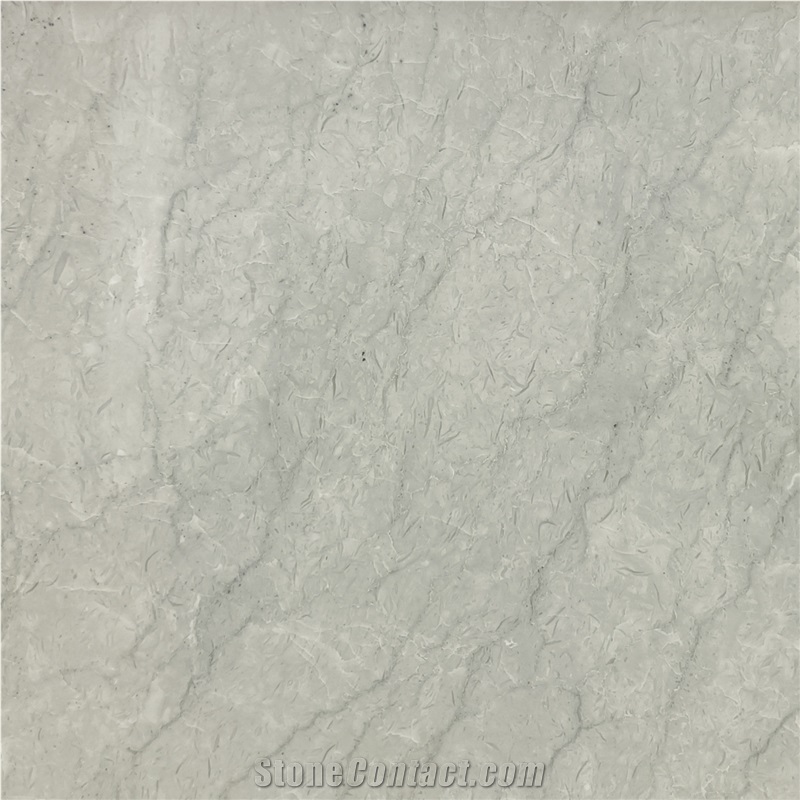
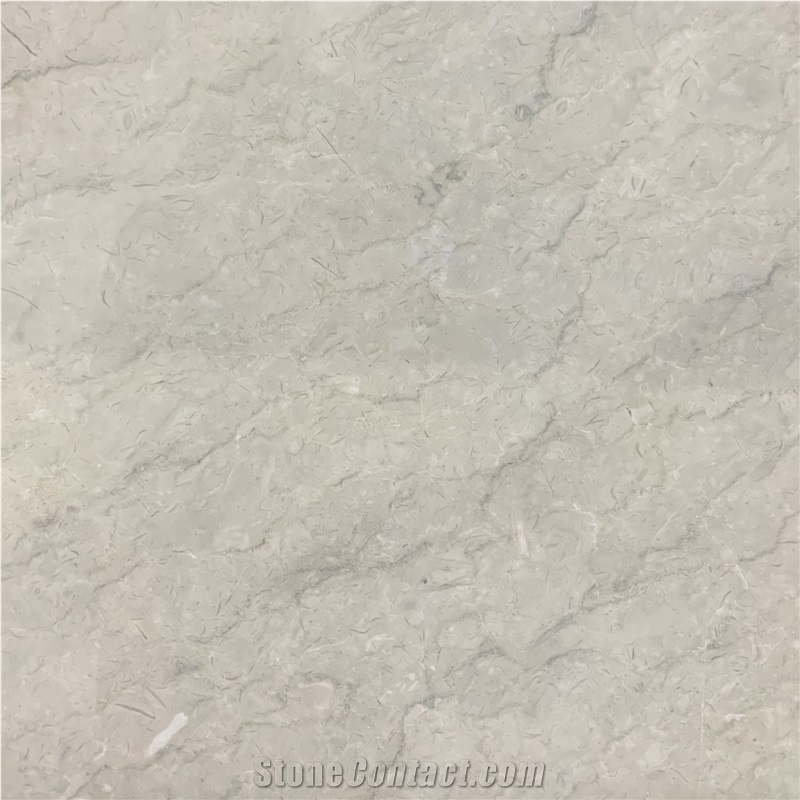
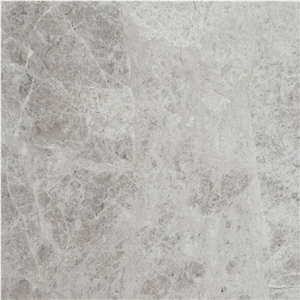
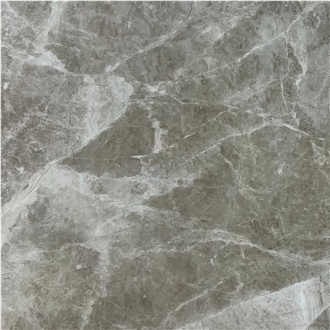
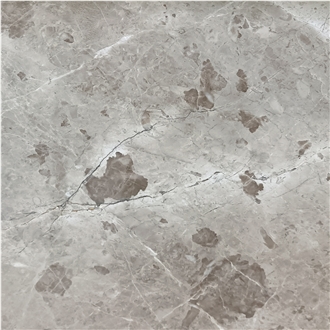
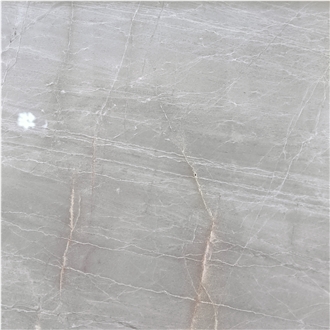
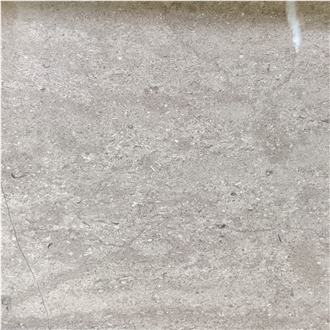
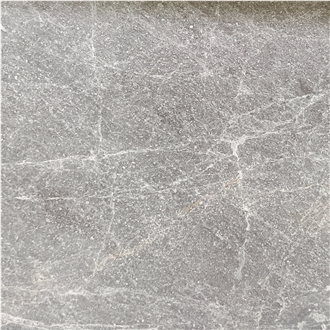
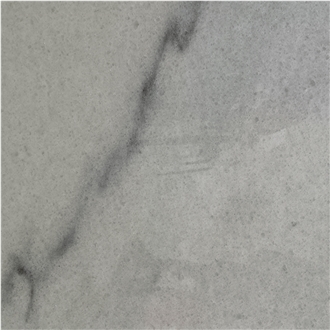
Dijia’er Grey Marble is a refined natural stone quarried in China. It features a light ash grey base color, enriched with darker veins, fossil segments, and soft sage green shades, giving it an elegant and subtle patterned appearance. This marble combines a neutral modern tone with natural organic movement, making it highly versatile for design and architectural use.

Texture & Pattern

Texture: Smooth, fine to medium grain crystalline structure.

Pattern: Light grey background with irregular dark grey veining, fossilized fragments, and occasional sage green tinting that enhances depth and uniqueness.

Visual Effect: Calm, contemporary, and sophisticated, well-suited for both classic and modern interiors.

Test Results (Typical Values)

(Values can vary slightly depending on specific quarry block and testing laboratory)

  • Density: ~2.65 g/cm³
  • Water Absorption: 0.15 – 0.35 % by weight
  • Porosity: <0.40 %
  • Compressive Strength: 105 – 120 MPa
  • Flexural Strength: 12 – 18 MPa
  • Abrasion Resistance: 15 – 18 mm (measured by wear test)
  • Mohs Hardness: 3 – 4

Chemical Composition (% by weight, approximate)

  • CaCO₃ (Calcium Carbonate): 92 – 95%
  • SiO₂ (Silica): 2 – 4%
  • MgCO₃ (Magnesium Carbonate): 1 – 2%
  • Fe₂O₃ (Iron Oxide): 0.5 – 1.5% (responsible for grey & greenish hues)
  • Other Trace Minerals (Al₂O₃, MnO, etc.): <1%

Mineral Composition (% by weight, approximate)

  • Calcite: 90 – 94%
  • Quartz: 2 – 4%
  • Mica & Clay Minerals: 1 – 2%
  • Fossil Fragments / Organic Components: small percentages (adds to uniqueness)

Usage Applications

  • Interior Flooring (residential & commercial)
  • Wall Cladding & Panels
  • Bathroom Vanity Tops & Wash Basins
  • Kitchen Countertops (with sealing)
  • Fireplace Surrounds & Furniture
  • Staircases & Columns
  • Hotel Lobbies & Luxury Spaces (Less recommended for high-traffic outdoor flooring due to moderate hardness)

Maintenance

Seal periodically to prevent staining and water absorption. Clean with pH-neutral cleaners only (avoid acidic substances such as vinegar or lemon juice). Wipe spills immediately to prevent etching. Regular dry mopping/dusting for interiors.

Cutting Sizes (cm)

Tiles:

  • 30 × 30
  • 30 × 60
  • 60 × 60
  • 60 × 90
  • Custom sizes available

Slabs:

  • 2 cm & 3 cm thickness standard
  • Jumbo slabs available up to ~280 × 160 cm

Surface Finish Options

  • Polished (enhances colors, luxury look)
  • Honed (matte, smooth modern finish)
  • Leathered (textured tactile surface)
  • Brushed / Antique (soft aged look)
  • Sandblasted & Bush-Hammered (for anti-slip outdoor use, less common)

FAQ

Do fruit juices stain the surface of Dijia��er Grey Marble?

Yes, fruit juices can stain the surface of Dijiaer Grey Marble, as they are acidic and can cause etching or discoloration. Marble is a porous and relatively soft stone, so it can easily absorb liquids and become stained. To minimize the risk of staining, any spills should be cleaned up immediately with a damp cloth, and the surface should be properly sealed and maintained. Regular sealing can help provide some protection against staining, but its important to be vigilant about cleaning up spills quickly.
Read question details

What type of abrasive should be used to polish the Dijia��er Grey Marble surface?

To polish Dijia��er Grey Marble, its important to use abrasives that are suitable for natural stone to avoid damage. Typically, diamond polishing pads are recommended for marble surfaces. These pads come in various grits, starting from coarse to fine, allowing you to progressively achieve a smooth and polished finish. Start with a lower grit to remove any surface imperfections, then gradually move to higher grits for a polished finish. Ensure the use of water as a lubricant to prevent overheating and damage to the stone. Additionally, a marble polishing powder or compound can be used after initial polishing with diamond pads to enhance the shine. Always follow manufacturer guidelines and consider consulting with a professional for optimal results.
Read question details

Is 2cm thick Dijia��er Grey Marble durable enough for use as garden walkway pavers?

Using 2cm thick Dijiaer Grey Marble for garden walkway pavers can be a feasible option, but there are several factors you need to consider regarding its durability: 1. **Strength and Density**: Marble is generally not as strong as granite but still is quite durable. However, 2cm thickness is relatively thin compared to typical outdoor pavers, which are usually 3-5cm thick. This thinner marble may be more susceptible to cracking, especially under heavy loads or impact. 2. **Weather Resistance**: Marble is more porous than other stones like granite, meaning it can be more susceptible to staining and weathering. Continuous exposure to the elements, especially freeze-thaw cycles, could lead to faster deterioration. 3. **Surface Finish**: A honed or matte finish would be less slippery when wet compared to a polished surface, which is an important safety consideration for walkways. 4. **Maintenance**: Marble requires regular maintenance to keep it looking good, such as sealing to protect against moisture penetration and stains. 5. **Traffic**: Consider the amount and type of traffic your walkway will experience. For areas with heavy foot traffic, thicker and stronger materials might be preferable. If you decide to use 2cm Dijiaer Grey Marble, ensure it is properly installed with a strong base and consider using a sealant to protect it from moisture and staining. For higher durability, you might want to explore thicker options or other more robust materials.
Read question details

Does the surface of Dijia��er Grey Marble scratch easily?

Dijiaer Grey Marble, like many natural marbles, can be susceptible to scratching. Marble is a relatively soft stone compared to other materials like granite, which means it can be scratched or etched more easily by abrasive materials or sharp objects. To minimize the risk of scratches, its important to take preventive measures like using cutting boards in kitchens, placing protective pads under heavy objects, and promptly cleaning up dirt and grit that might get tracked onto surfaces. Additionally, sealing the marble can provide some level of protection against scratching and staining. Regular maintenance and careful use can help preserve the surfaces appearance.
Read question details

Can honed finish Dijia��er Grey Marble be used for pool coping?

Yes, honed finish Dijia��er Grey Marble can be used for pool coping, but there are some important considerations to keep in mind. A honed finish provides a smooth, matte surface that can be aesthetically pleasing and comfortable for walking. However, because its a natural stone, it may require proper sealing to ensure resistance to water absorption and potential staining from pool chemicals. Marble can also be more susceptible to weathering and etching from acidic substances compared to harder stones like granite. Its important to regularly maintain and seal the marble to ensure its longevity in a pool environment. Additionally, you should ensure that its slip-resistant enough for safety around the pool area. Consulting with a professional who specializes in pool installations can help ensure that the material is suitable for your specific project.
Read question details

Can 1.8 cm thick Dijia��er Grey Marble be used as a kitchen countertop?

Using 1.8 cm thick Dijia��er Grey Marble as a kitchen countertop is possible, but there are a few considerations you should keep in mind: 1. **Strength:** At 1.8 cm thickness, the marble is relatively thin compared to the more common 3 cm slabs used for kitchen countertops. To ensure durability and prevent cracking, you might need to reinforce it with a suitable substrate such as plywood or metal supports. 2. **Maintenance:** Marble is softer and more porous than other stone materials, such as granite or quartz, making it susceptible to scratching, staining, and etching from acidic substances. Regular sealing and careful maintenance are required to keep it in good condition. 3. **Aesthetic:** Marble is prized for its natural beauty and timeless elegance, which can enhance the aesthetic appeal of your kitchen. The unique veining and coloring of Dijia��er Grey Marble can provide a distinctive look. 4. **Cost:** Marble can be more expensive than other materials, not only in terms of the initial purchase but also in maintenance and potential repairs due to damage. 5. **Heat Resistance:** While marble can withstand some heat, placing hot pots and pans directly on the surface can cause damage. It��s important to use trivets or heat pads to protect the marble. If you decide to use this marble, ensure its properly sealed and be prepared for regular maintenance to preserve its appearance and functionality. Consulting a professional stone fabricator or contractor may also help in making the best choice for your kitchen.
Read question details

How can I maintain Dijia��er Grey Marble flooring?

Maintaining Dijia��er Grey Marble flooring involves several steps to ensure it remains in good condition and preserves its natural beauty. Heres a guide to help you with that: 1. **Regular Cleaning:** - **Dust Mopping:** Use a soft, dry microfiber mop or a broom with soft bristles to remove dust and debris daily. This prevents scratches caused by dirt particles. - **Spill Management:** Immediately wipe up any spills to prevent staining. Use a soft cloth or paper towel to blot rather than wipe, as wiping can spread the spill. - **Weekly Cleaning:** Use a pH-neutral, non-abrasive marble cleaner diluted in water for a slightly deeper clean. Apply with a damp mop or cloth and ensure you rinse the floor with clean water to remove any residue. 2. **Stain Removal:** - For organic stains (like coffee or wine), a mixture of hydrogen peroxide and a few drops of ammonia can help. Apply on the stain and let it sit before gently wiping away. - For oil-based stains, youll need a poultice made from baking soda and water. Apply the paste, cover it with plastic wrap, and leave it until it dries. Remove it with a damp cloth. 3. **Preventive Measures:** - **Mats and Rugs:** Place mats or rugs at entrances and high-traffic areas to collect dirt before it reaches the marble. - **Felt Pads:** Use felt pads under furniture legs to prevent scratches. - **Avoid High Heels:** High heels can cause indentations or scratches. 4. **Sealing:** - Depending on the usage and foot traffic, marble should be sealed every 6 to 12 months. Sealing helps protect against stains and water absorption. Use a high-quality marble sealer and follow the manufacturers instructions. 5. **Avoid Harsh Chemicals:** - Do not use vinegar, lemon juice, or any acidic or abrasive cleaners, as these can damage the marble surface. 6. **Polishing:** - Occasionally, you may want to polish your marble floor to restore its shine. Marble-specific polishing products or a professional service can be used for this purpose. Avoid DIY polishing methods that might damage the surface. 7. **Professional Care:** - For deep cleaning, re-sealing, or addressing significant damage like etching or deep scratches, consider hiring professional stone care specialists. By following these tips, you can help maintain the beauty and longevity of your Dijia��er Grey Marble flooring. Regular care and preventive measures are key to keeping it in prime condition.
Read question details

Is Dijia��er Grey Marble a suitable choice for facades in cold winter climates?

Dijia��er Grey Marble can be used for facades in cold winter climates, but there are several factors to consider to ensure its suitability: 1. **Porosity and Water Absorption**: Marble is a porous material, which means it can absorb water. In cold climates, water absorbed by the marble can freeze and expand, leading to cracking or other damage. Ensure that the specific type of Dijia��er Grey Marble has low porosity and consider treating it with a sealant to reduce water absorption. 2. **Freeze-Thaw Resistance**: Verify that the marble has been tested for freeze-thaw cycles. Some marbles are more durable and capable of withstanding repeated freeze-thaw cycles without degrading. 3. **Surface Finish**: Polished surfaces can become slippery when wet, so consider the finish used on the marble. A honed or textured finish might be more suitable for external applications in cold climates where ice and snow are prevalent. 4. **Installation**: Proper installation is crucial to minimize the risk of water infiltration and ensure that the marble panels are securely attached. Use appropriate adhesives and anchoring systems designed for natural stone in cold climates. 5. **Maintenance**: Regular maintenance, such as resealing and cleaning, can help prolong the marbles lifespan and maintain its appearance. 6. **Local Environment**: Consider factors like local weather patterns, presence of de-icing salts, and environmental pollutants, which can all affect the marbles durability and appearance. Consult with a local architect or contractor who has experience working with natural stone in cold climates to make an informed decision about using Dijia��er Grey Marble for your specific project.
Read question details

Products & Prices

Hot Marble

New Marble

Post Your Request

The request includes:
  1. surface finished, size
  2. quantity required