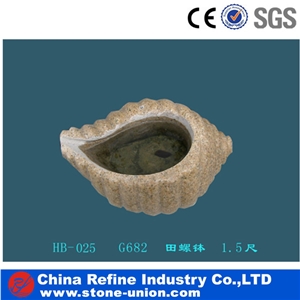
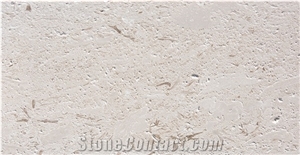
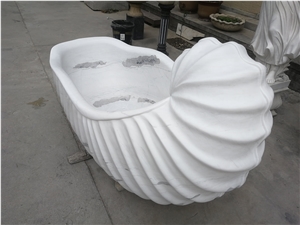
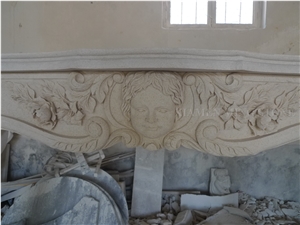
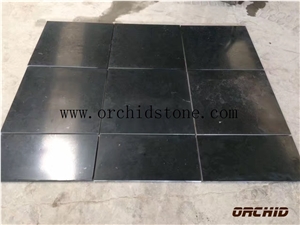
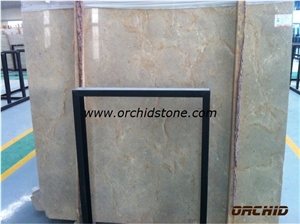
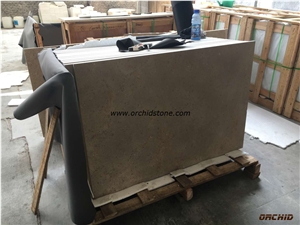
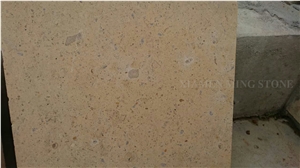
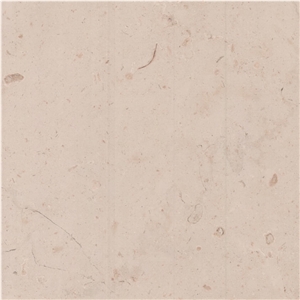
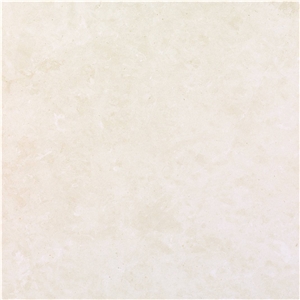
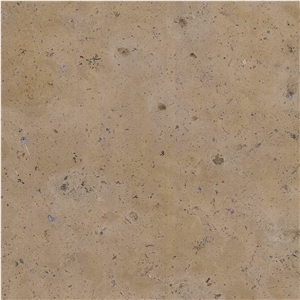
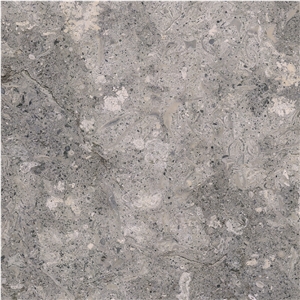
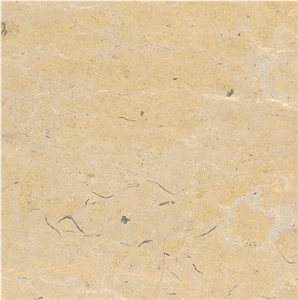
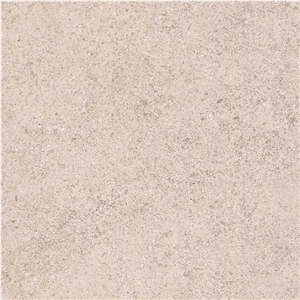
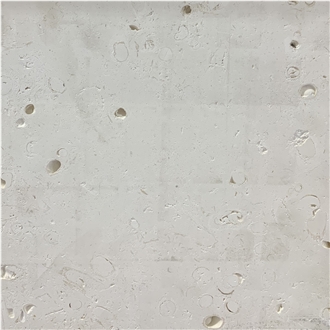
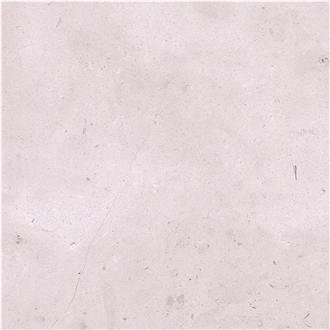
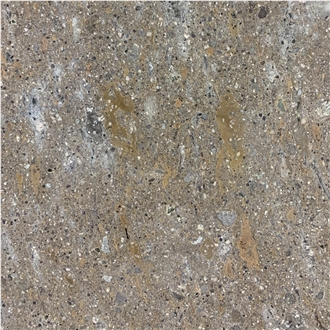
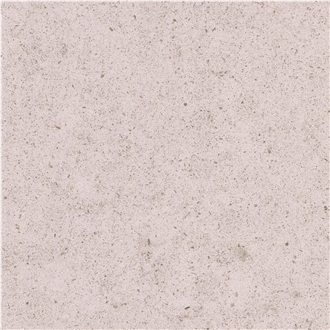
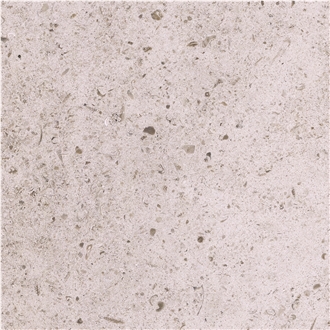
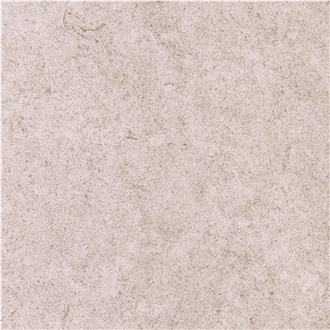
Syrias Shell Stone Limestone can be used for exterior applications in very sunny climates, but it is important to consider a few factors before making a final decision.
1. Heat Resistance: Limestone is generally heat resistant, but it can absorb and retain heat, potentially making it uncomfortable to walk on barefoot in extremely sunny climates. It is advisable to evaluate the specific type of limestone and its heat resistance capabilities before using it in such areas.
2. Color Fading: Intense and prolonged exposure to sunlight can cause some types of limestone to fade or discolor over time. This can be a concern for aesthetic purposes, especially if the desired look is to be maintained in the long term. UV-resistant sealants or coatings can help prevent color fading.
3. Porosity and Water Absorption: Limestone is a porous material, and in very sunny climates, it can absorb water due to thermal expansion and contraction. This can potentially lead to cracking, spalling, or deteriorating over time. Proper sealing and maintenance can minimize these risks.
It is recommended to consult with local stone suppliers, architects, or professionals experienced in dealing with limestone in similar climatic conditions to determine the suitability and appropriate measures to ensure the long-term performance of Syrias Shell Stone Limestone in very sunny climates.


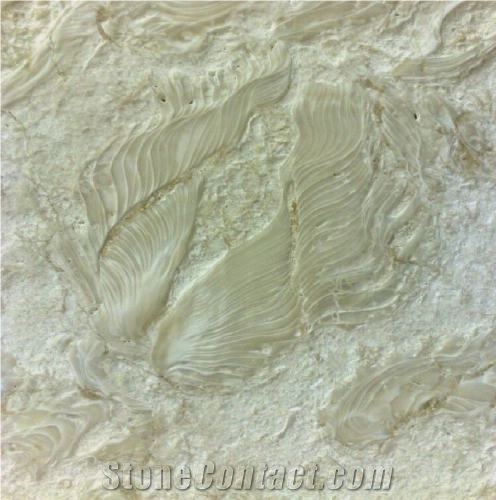
 Syria
Syria