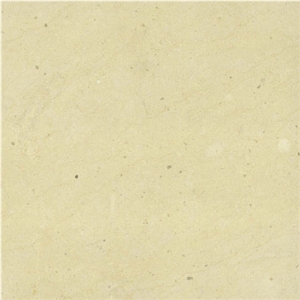
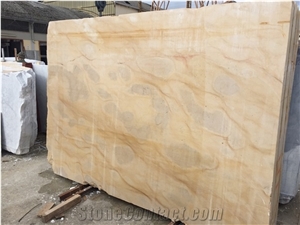
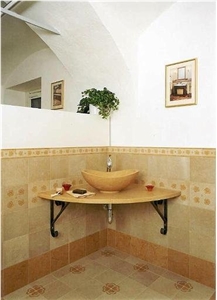
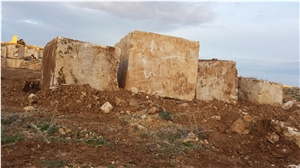
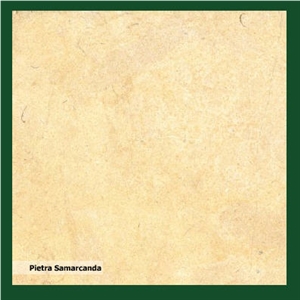
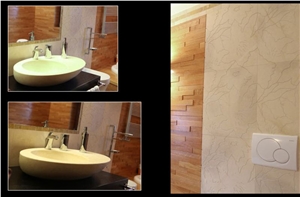
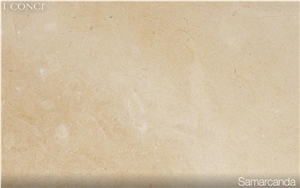
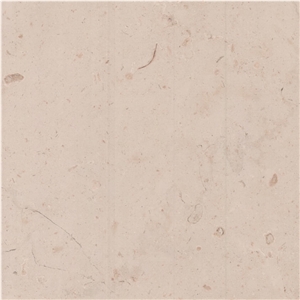
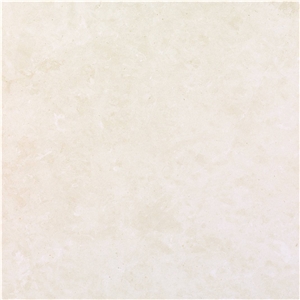
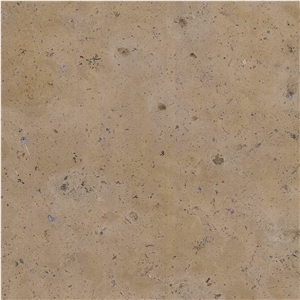
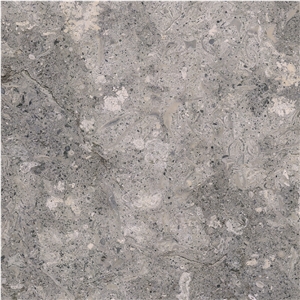
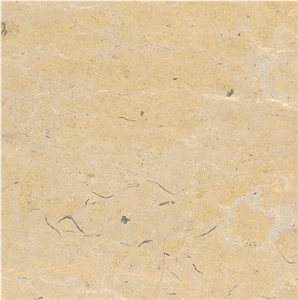
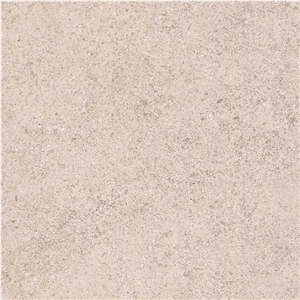
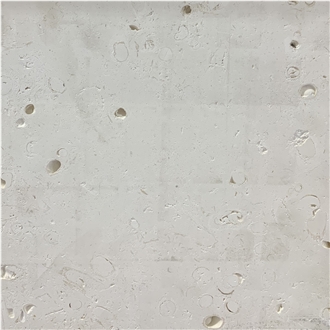
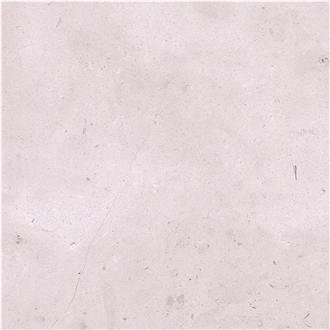
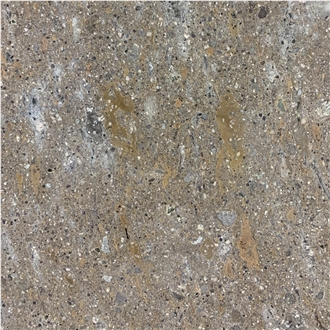
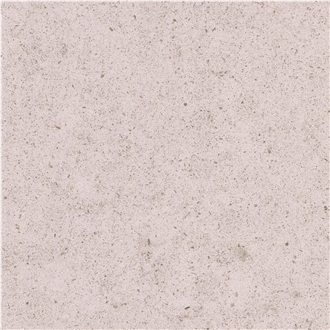
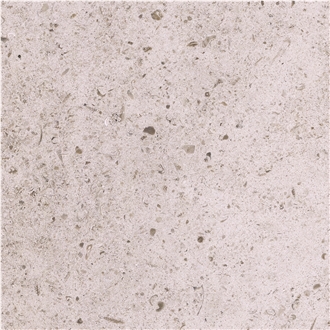
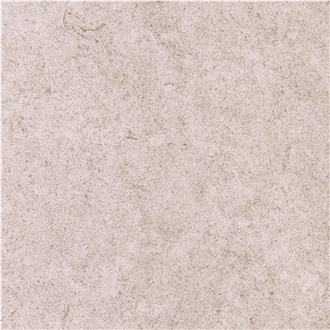
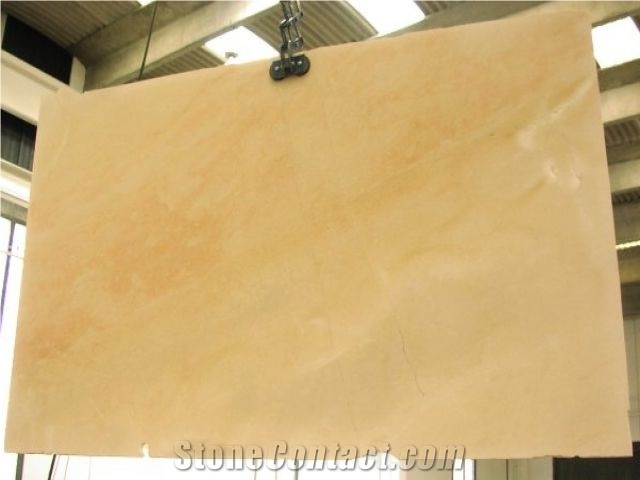
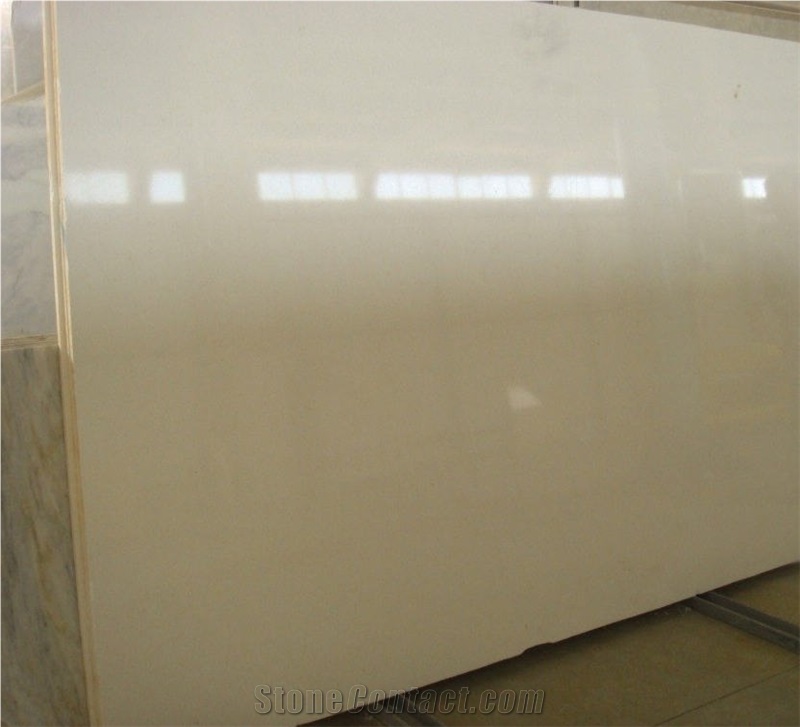
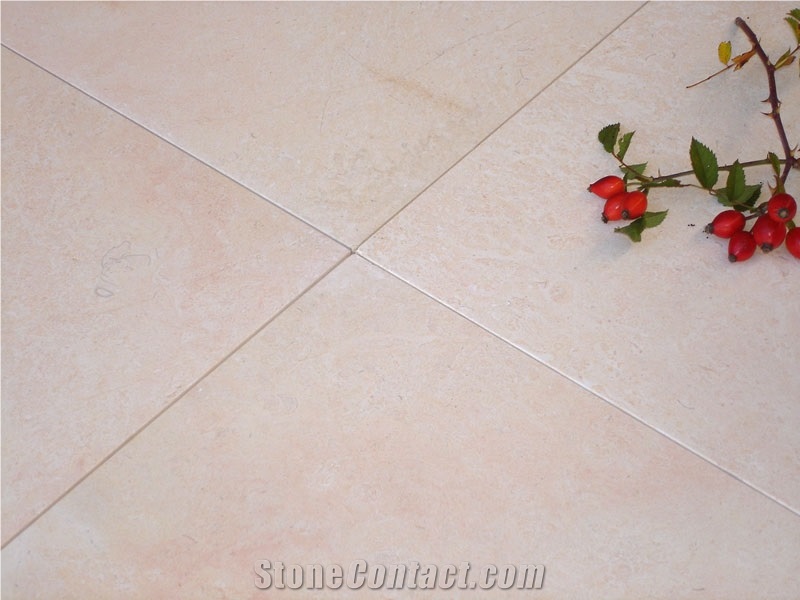
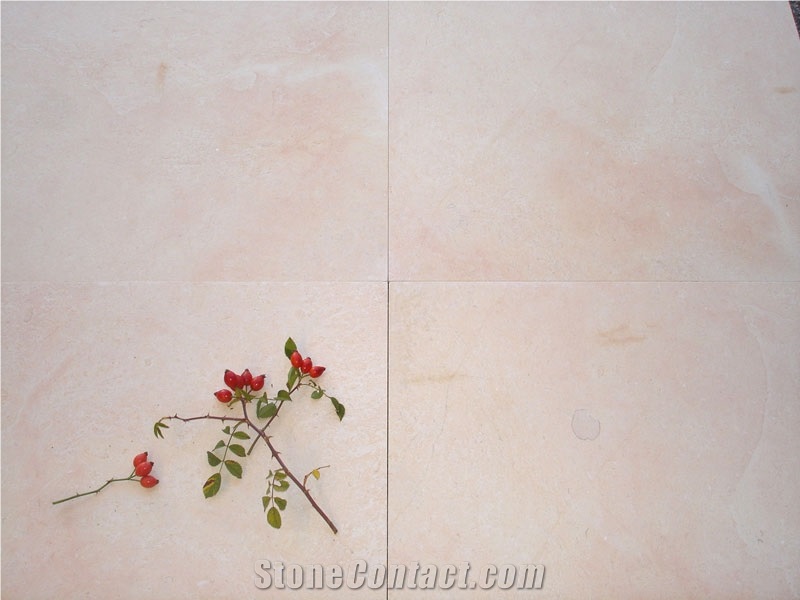
Samarcanda Limestone from Tunisia can be used in exterior applications in sunny climates, but there are several factors to consider to ensure its durability and longevity:
1. **Heat Resistance:** Limestone can handle heat to some extent, but in very sunny and hot climates, it can absorb heat and become quite hot to the touch. This might not be ideal for areas where people frequently walk barefoot, such as pool surrounds.
2. **Color Fading:** Prolonged exposure to intense sunlight may cause the color of the limestone to fade over time. Lighter colors tend to reflect more sunlight and may be less susceptible to noticeable fading compared to darker colors.
3. **Weathering and Erosion:** While limestone is generally durable, it is also porous and can be susceptible to weathering, especially if not properly sealed. In sunny climates, UV rays can exacerbate this effect, so a high-quality sealant is recommended to protect the stone.
4. **Maintenance:** Regular maintenance, including cleaning and resealing, will help preserve the stone��s appearance and structural integrity. This is particularly important in sunny climates where UV exposure and thermal expansion can accelerate wear.
5. **Finish:** The finish of the stone can also affect its suitability for exterior use. A honed or textured finish can provide some slip resistance and help reduce glare from the sun.
Overall, while Samarcanda Limestone can be used in exterior applications in sunny climates, proper installation, sealing, and maintenance are crucial to ensure its long-term performance and aesthetic appeal. Consulting with a local stone professional or supplier familiar with the stone and regional climate conditions can provide additional guidance.


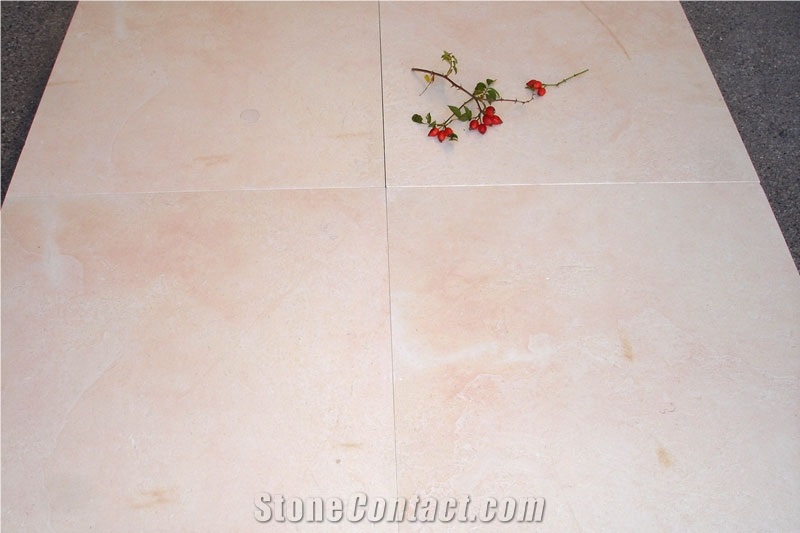
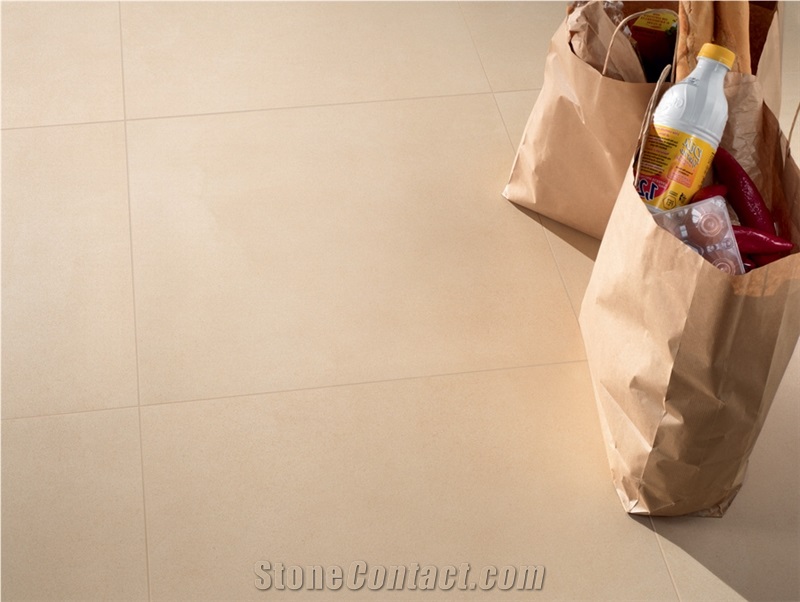
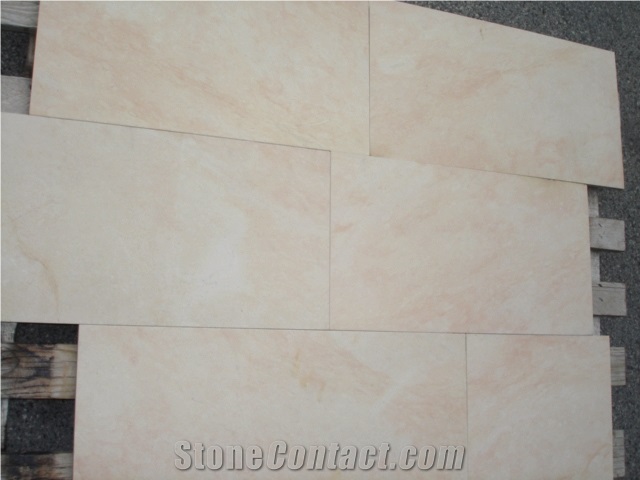
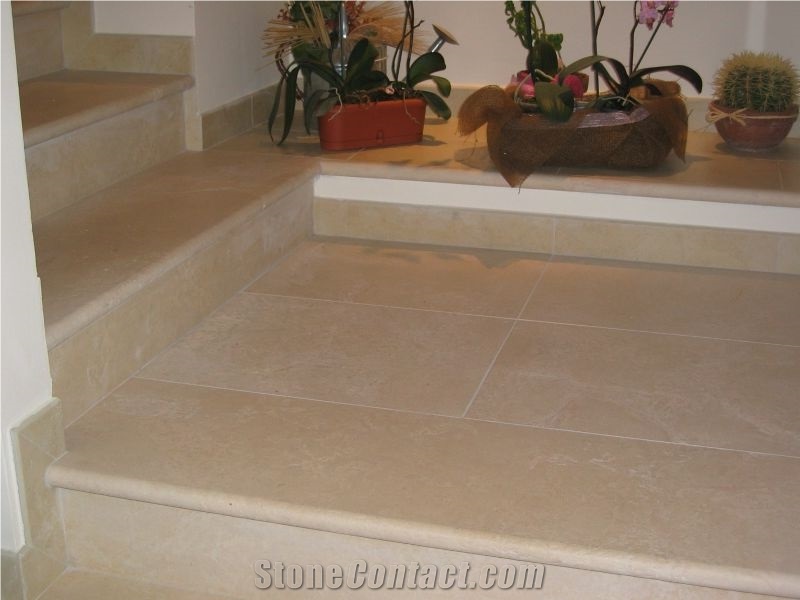
 Tunisia