Post Your Needs

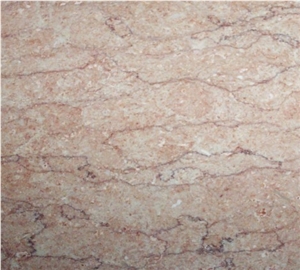
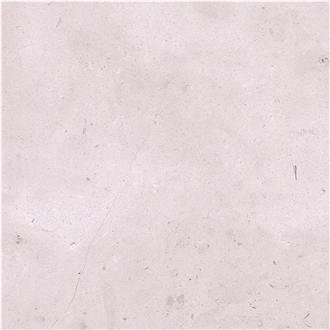
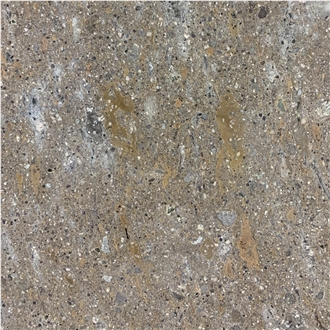
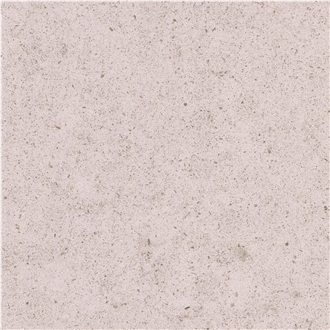
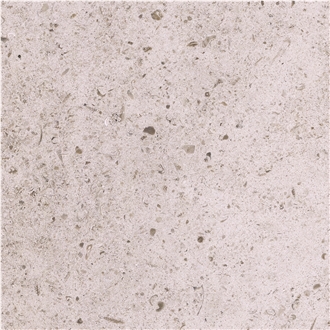
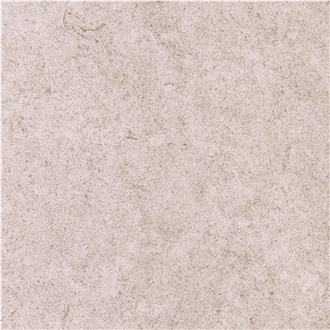
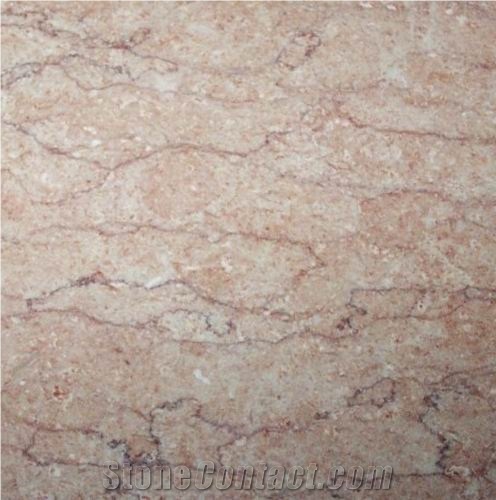
Rosa Boreal

About

Material Type:
Limestone
Origin:
Spain (Pyrenees)
Primary Color(s):
Pink
Recommended Usage:
Exterior - Interior wall and floor applications, coluntertops, mosaic, fountains, pool and wall capp
Additional Names:
Boreal Pink, Boreal Limestone, Rojo Boreal, Rose Boreal, Rosa Boreal Limestone, Rosa Boreal
Finished Surface:
Polished, Sawn Cut, Sanded, Rockfaced, Sandblasted, Tumbled

Description

Rosa Boreal is a kind of pink limestone quarried in Spain. This stone is especially good for Exterior - Interior wall and floor applications, coluntertops, mosaic, fountains, pool and wall capping, stairs, window sills, etc and other design projects. It also called Boreal Pink,Boreal Limestone,Rosa Boreal,Rojo Boreal,Rose Boreal, Rosa Boreal Limestone . Rosa Boreal can be processed into Polished, Sawn Cut, Sanded, Rockfaced, Sandblasted, Tumbled and so on.

FAQ

Can Spain's Rosa Boreal Limestone be used outdoors?

Yes, Spains Rosa Boreal Limestone can be used outdoors. It is a durable and weather-resistant stone that can withstand outdoor conditions. However, it is always recommended to consult with a professional or supplier to ensure that the specific type of Rosa Boreal Limestone you have is suitable for your intended outdoor use, as different varieties may have varying levels of resistance to environmental factors.
Read question details

Can Spain's Rosa Boreal Limestone be used in a kitchen?

Yes, Spains Rosa Boreal Limestone can be used in a kitchen. Limestone is a versatile and durable natural stone that is often used for kitchen countertops, flooring, and backsplashes. It is heat resistant and can withstand normal kitchen activities, making it suitable for use in this area. However, it is important to note that limestone is a porous material and can be prone to stains and etching from acidic substances. Regular sealing and proper maintenance are recommended to ensure its longevity and aesthetics in a kitchen setting.
Read question details

How thick is Spain's Rosa Boreal Limestone slabs?

The thickness of Spains Rosa Boreal Limestone slabs typically ranges from 2 centimeters (about 0.79 inches) to 3 centimeters (about 1.18 inches). However, it is worth noting that the thickness can vary depending on the specific quarrying and manufacturing processes.
Read question details

Are there color variations of Spain's Rosa Boreal Limestone?

Yes, there can be variations in color for Spains Rosa Boreal Limestone. The base color of Rosa Boreal Limestone is typically a soft pink or rose color, but it can range from light pink to darker shades of pink or even red. Additionally, there may be veins or streaks of different colors, such as white or gray, running through the stone, adding to its variations. It is always recommended to see actual samples or photographs of the specific batch of Rosa Boreal Limestone you are considering, as natural stone can have inherent variations.
Read question details

What grade is Spain's Rosa Boreal Limestone?

Spains Rosa Boreal Limestone is typically classified as a commercial-grade limestone.
Read question details

What is the coefficient of friction of Pickled Spain's Rosa Boreal Limestone tiles?

The coefficient of friction of Pickled Spains Rosa Boreal Limestone tiles is not provided in the given information. It is recommended to contact the manufacturer or supplier directly for the specific coefficient of friction for this particular tile.
Read question details

Is Spain's Rosa Boreal Limestone an expensive stone?

I do not have access to real-time market prices for stones, so it is hard for me to determine whether Spains Rosa Boreal Limestone is expensive or not. However, factors that can affect the cost of natural stones include scarcity of the material, extraction and transport costs, processing costs, and demand. Thus, pricing can vary depending on a variety of factors such as location, supplier, quantity, and quality.
Read question details

Can Spain's Rosa Boreal Limestone be used exterior applications in very sunny climates?

Spains Rosa Boreal Limestone can be used for exterior applications in very sunny climates, but there are several factors to consider. Limestone is generally durable and can withstand a range of weather conditions, but very sunny climates can pose challenges due to intense UV exposure and high temperatures. Here are some key points to consider: 1. **Color and Heat Absorption**: Rosa Boreal is likely a lighter-colored limestone, which is advantageous in sunny climates as lighter colors absorb less heat. This can help prevent the stone from becoming too hot and reduce the risk of thermal expansion and cracking. 2. **UV Resistance**: Prolonged exposure to UV rays may cause fading or discoloration over time, especially in darker stones. Regular sealing and maintenance can help mitigate UV damage. 3. **Porosity and Moisture**: Limestone is a porous material, so sealing it can protect against moisture infiltration, which could be combined with high heat to cause damage. 4. **Maintenance**: Regular maintenance, including sealing and cleaning, is important to prolong the stones life and maintain its appearance. 5. **Installation**: Proper installation techniques and choosing the correct thickness and type of finish can enhance limestones durability in sunny climates. 6. **Microclimates**: Consider microclimates or specific conditions on your property, such as reflected light from windows or nearby surfaces, which might intensify the effects of sunlight. In summary, while Rosa Boreal Limestone can be used in sunny climates, careful consideration of these factors and regular maintenance will help ensure its longevity and appearance. Consulting with a local expert or supplier familiar with the specific conditions and performance of Rosa Boreal Limestone in your region would also be beneficial.
Read question details

Products & Prices

Hot Limestone

New Limestone

Post Your Request

The request includes:
  1. surface finished, size
  2. quantity required