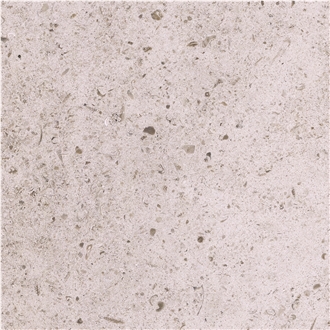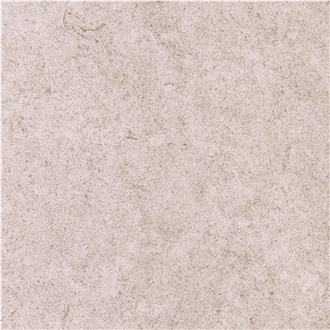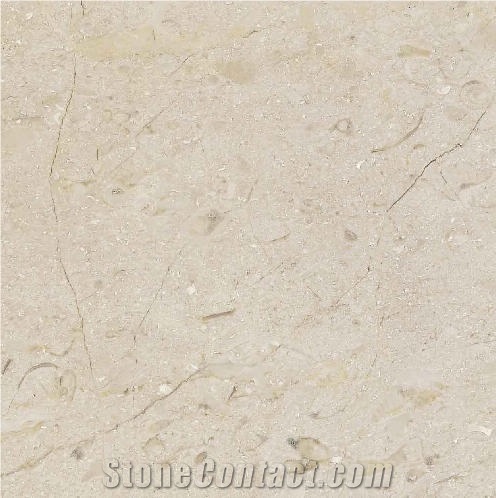
 Tunisia
 Can Tunisia's Perlato Limestone be used exterior applications in cold climates?
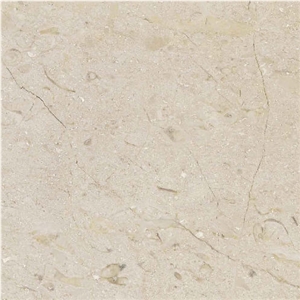
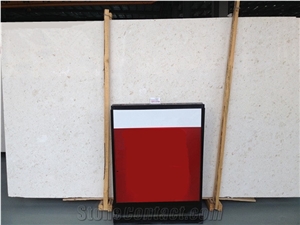
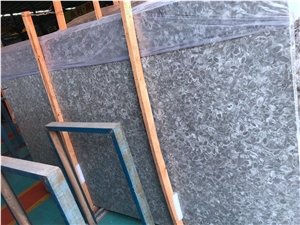
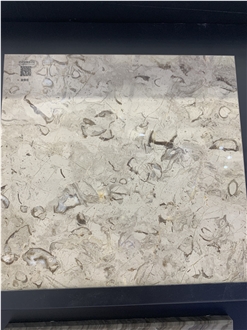
Perlat�� Limestone, like many other types of limestone, is generally suitable for exterior applications in cold climates. However, there are a few factors to consider before using it in such conditions.
1. Freeze-Thaw Resistance: Cold climates often experience freeze-thaw cycles, where water seeps into the stone pores, freezes, and expands. This can cause the stone to crack or spall over time. Before using Perlato Limestone in a cold climate, it is important to check its freeze-thaw resistance rating. This rating indicates how well the stone can withstand these cycles. Look for limestone with a high freeze-thaw resistance rating for better performance.
2. Moisture Absorption: Limestone is a naturally porous material and can absorb water. In cold climates, moisture can penetrate the stone and freeze, leading to potential damage. It is crucial to select a Perlato Limestone variety with low moisture absorption or ensure that the stone is treated with a suitable sealant to resist moisture penetration.
3. Maintenance: Keep in mind that exterior limestone surfaces in cold climates may require regular maintenance due to potential weathering, staining, or salt damage. Regular cleaning, sealing, and protection from de-icing salts can help prolong the stones lifespan and maintain its appearance.
It is always advisable to consult with a local stone supplier or expert who understands the specific climatic conditions of the region and can recommend the most suitable variety of Perlato Limestone for exterior applications in cold climates.