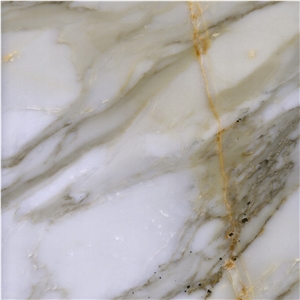
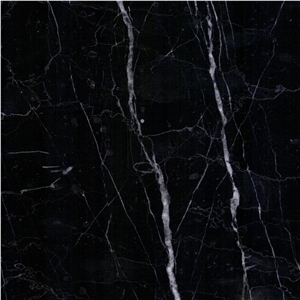
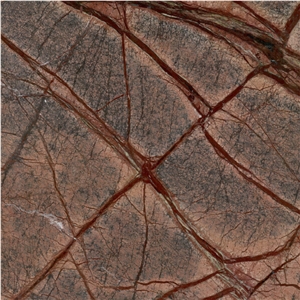
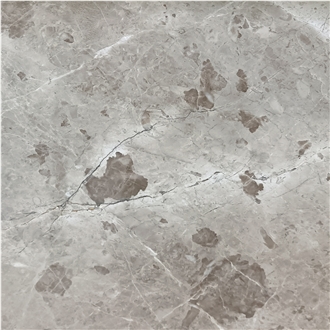
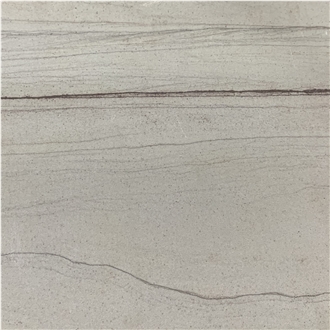
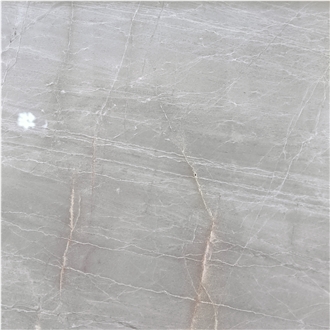
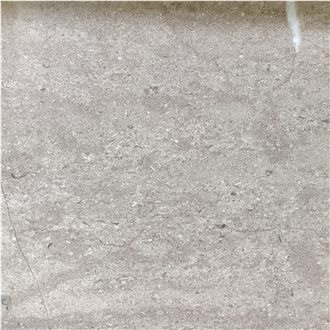
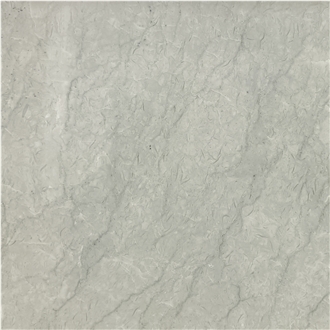
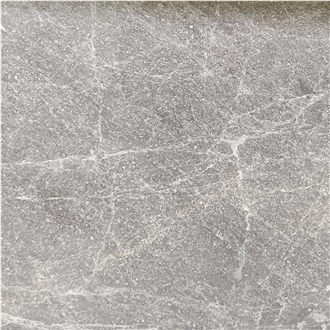
Turkeys Ocean marble is known for its beautiful and unique ocean-like patterns, making it a popular choice for interior applications such as countertops, floors, and walls. However, when it comes to exterior applications in cold climates, there are some factors to consider.
Turkeys Ocean marble is a natural stone, and like all natural stones, it has its own characteristics and properties. One of the primary concerns for using marble in exterior applications in cold climates is its susceptibility to freeze-thaw cycles. This occurs when water penetrates the stones pores, freezes, expands, and eventually causes the stone to crack or break.
In cold climates, where temperatures drop below freezing, this freeze-thaw cycle can pose a problem for any natural stone, including Turkeys Ocean marble. Additionally, the presence of ice-melting agents or chemicals used to combat ice and snow on exterior surfaces can also damage the marble.
To minimize potential damage, it is crucial to take proper precautions. This can include using a high-quality marble with low water absorption rates, sealing the marble surface regularly with a reputable sealant, and ensuring proper installation techniques that account for expansion and contraction due to temperature changes.
Ultimately, while Turkeys Ocean marble can be used in exterior applications in cold climates, it requires careful consideration and maintenance to prevent potential damage from freeze-thaw cycles and harsh weather conditions. Consulting with a professional installer or stone expert is advisable to ensure the appropriate measures are taken for a successful and long-lasting installation.


 Turkey