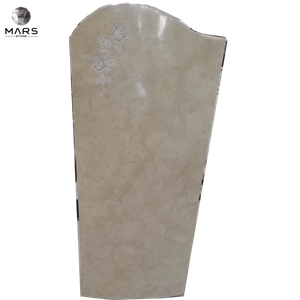
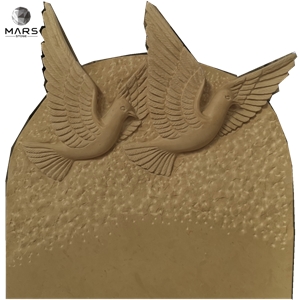
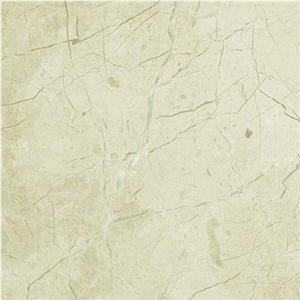
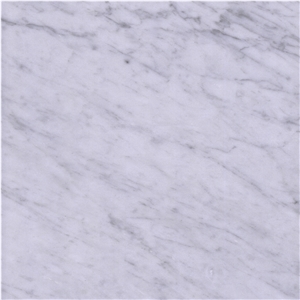
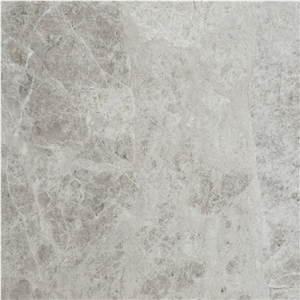
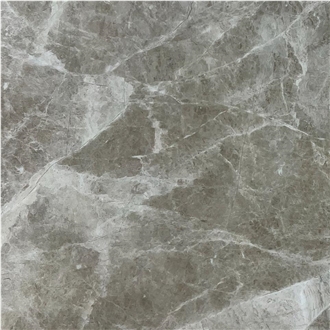
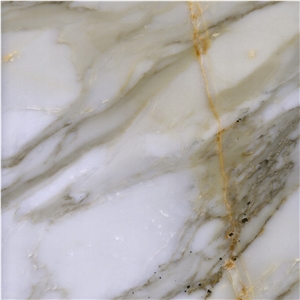
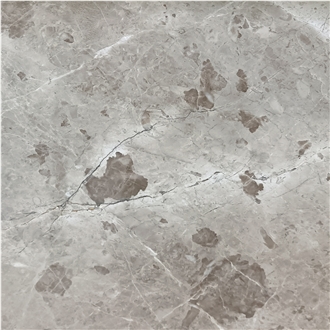
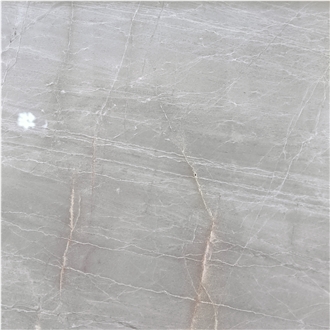
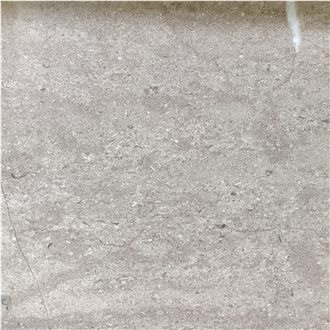
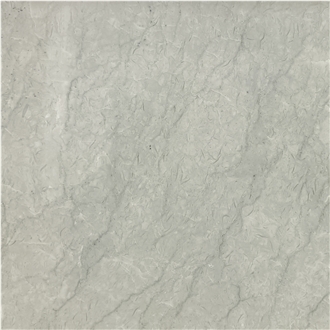
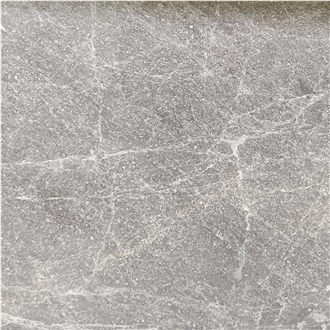
Turkeys Ocean Beige Marble can be used for exterior applications in rainy climates, but it may require certain precautions and maintenance to keep it in good condition.
Marble is a natural stone and is generally suitable for outdoor use, but it is important to note that it is more porous and can be more prone to damage compared to other types of stone like granite or quartzite. In very rainy climates, the continuous exposure to moisture and rainwater can lead to the marble absorbing water, which can cause discoloration, staining, or even structural damage over time if not properly maintained.
To ensure that Turkeys Ocean Beige Marble withstands the rainy climate, the following steps should be taken:
1. Sealing: Apply a high-quality penetrating sealer specifically designed for porous stones like marble. This will help create a protective barrier on the marbles surface, reducing its porosity and making it more resistant to water absorption and staining. This sealing process may need to be repeated periodically, depending on the specific sealer used and the level of exposure to rain.
2. Proper installation: Ensure that the marble is installed correctly by a professional. Properly sealing the joints, using appropriate adhesives, and providing proper drainage will help prevent water infiltration and potential damage to the marble.
3. Regular cleaning and maintenance: Regularly clean the marble surface to remove any dirt, grime, or organic matter that may accumulate. Avoid using acidic or abrasive cleaners that can damage the marbles surface. Regularly reapply the sealer to maintain its effectiveness and protect the marble against moisture penetration.
4. Adequate drainage: Ensure that the installation allows for proper water drainage to avoid pooling or standing water on the marble surface. This can be achieved by sloping the surface or by installing appropriate drainage systems.
By following these precautions and maintaining the marble properly, Turkeys Ocean Beige Marble can be used for exterior applications in very rainy climates. However, it is advisable to consult with a professional stone supplier or installer who can provide specific guidance and recommendations based on the local climate conditions.


 Turkey