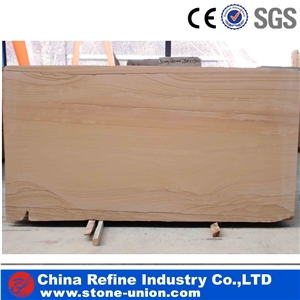
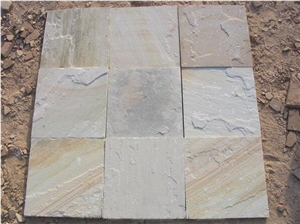
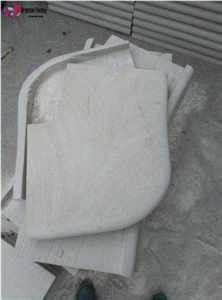
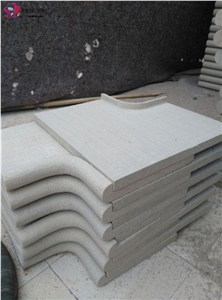
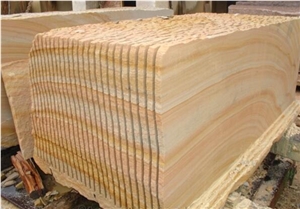
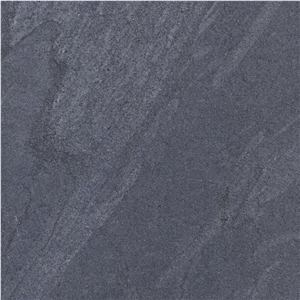
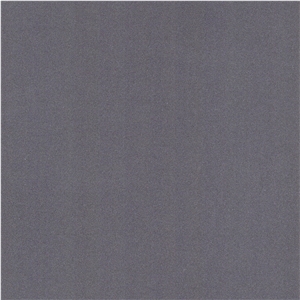
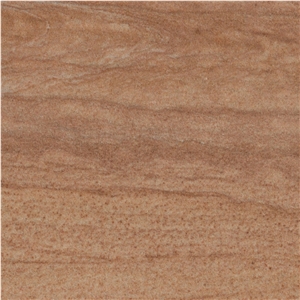
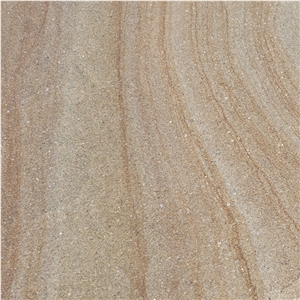
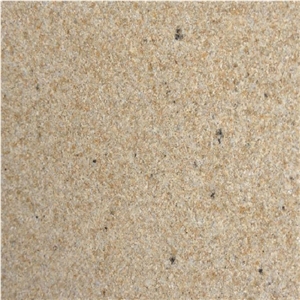
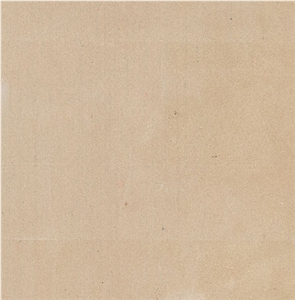
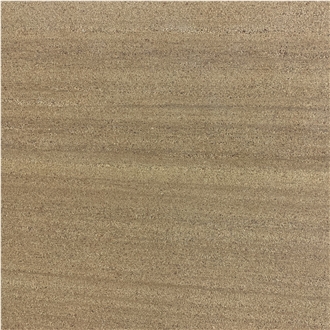
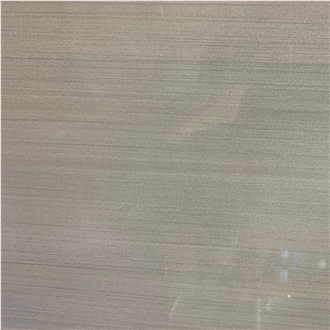
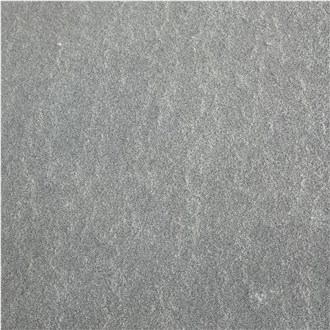
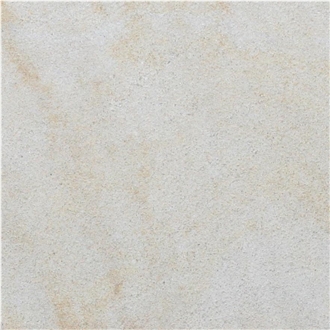
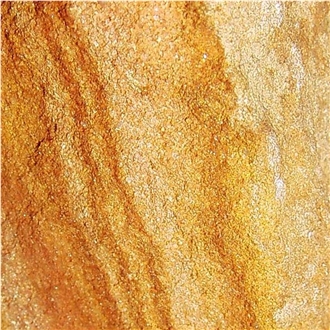
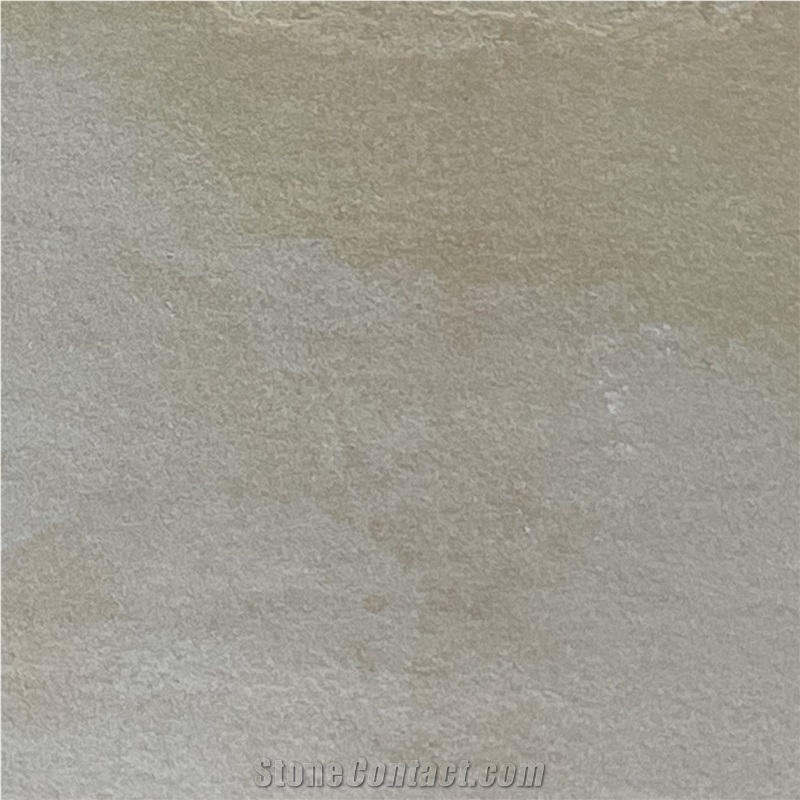
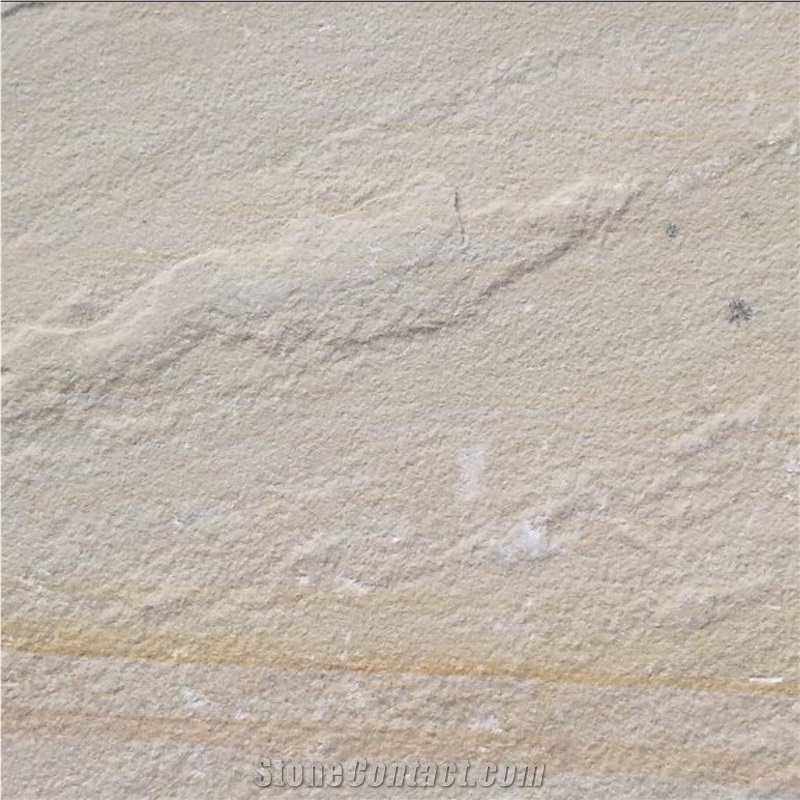
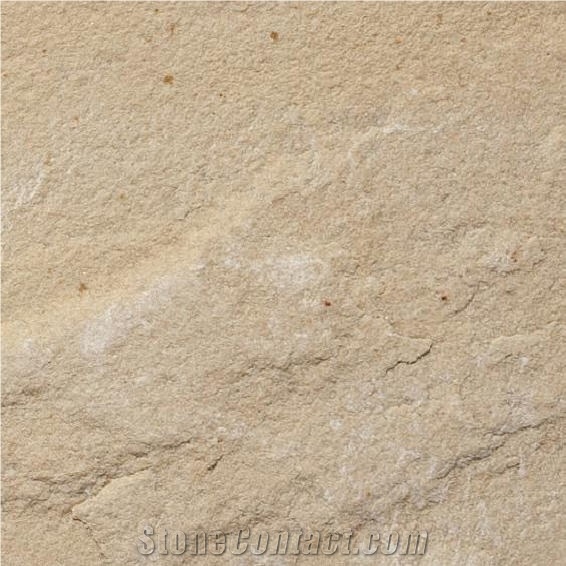
Mint Sandstone is an ivory to light beige quartz-rich sandstone with subtle golden undertones, quarried in Gwalior, Madhya Pradesh, India. This durable natural stone is prized for its hard, fine-grained texture, making it suitable for a wide range of architectural and landscaping applications. Although in the stone trade it is sometimes referred to as marble due to its ability to take a smooth finish, geologically it is classified as a sandstone (quartz arenite), not limestone or marble.
Texture & Pattern
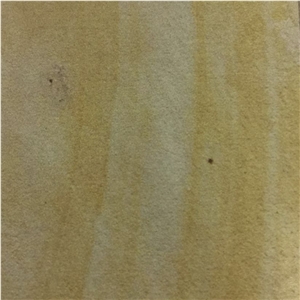
Grain: Fine to medium-grained quartz crystals, tightly bonded.
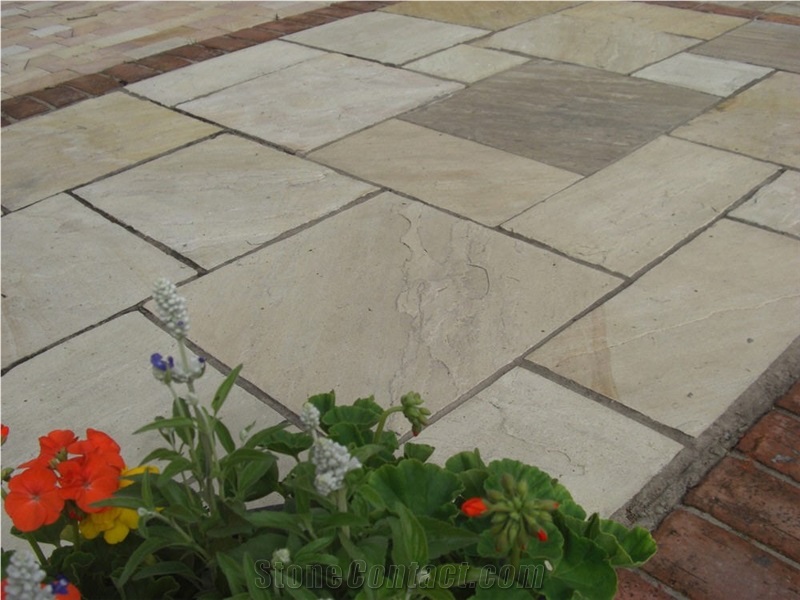
Coloration: Ivory-light beige base, often with subtle golden, yellowish, or light brown shades.
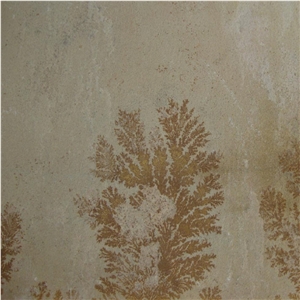
Pattern: Consistent, uniform appearance with minimal veining, sometimes showing fossil imprints or ripple marks typical of sedimentary stones.
Physical & Mechanical Properties (average test results)
- Water absorption (by weight): ~1.0 – 1.5%
- Density (bulk specific gravity): ~2,350 – 2,500 kg/m³
- Porosity: ~3 – 5%
- Compressive strength (dry): ~70 – 90 MPa
- Flexural strength: ~8 – 10 MPa
- Modulus of rupture: ~9 MPa
- Abrasion resistance: Good (suitable for high-traffic flooring)
- Hardness (Mohs scale): 6 – 7
Chemical Composition (% by weight, approximate)
- SiO₂ (Silica / Quartz): 92 – 96%
- Al₂O₃ (Alumina): 1 – 2%
- Fe₂O₃ (Iron Oxide): 1 – 1.5% (responsible for golden hues)
- CaO (Calcium Oxide): < 1%
- MgO (Magnesium Oxide): < 0.5%
- Others (Na₂O, K₂O, TiO₂): < 1%
Mineralogical Composition
- Quartz: 90 – 95%
- Feldspar: 2 – 5%
- Clay & Mica traces: ~1 – 2%
- Iron oxides & accessories: < 1%
Applications & Usage
- Exterior & interior wall cladding
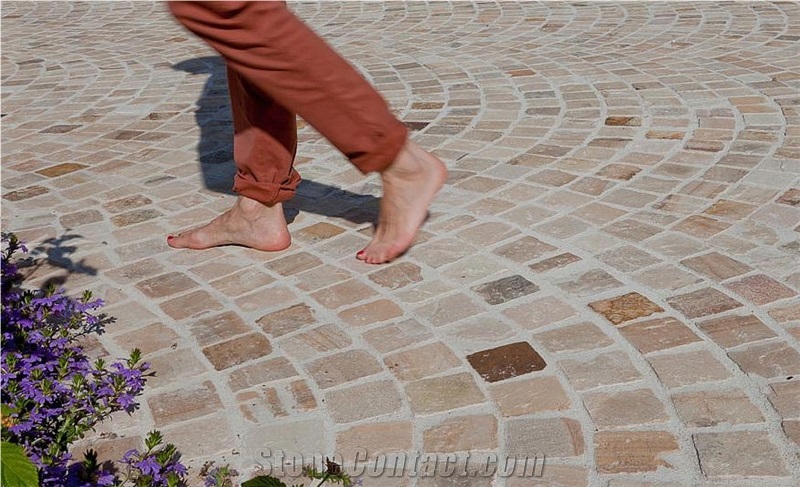
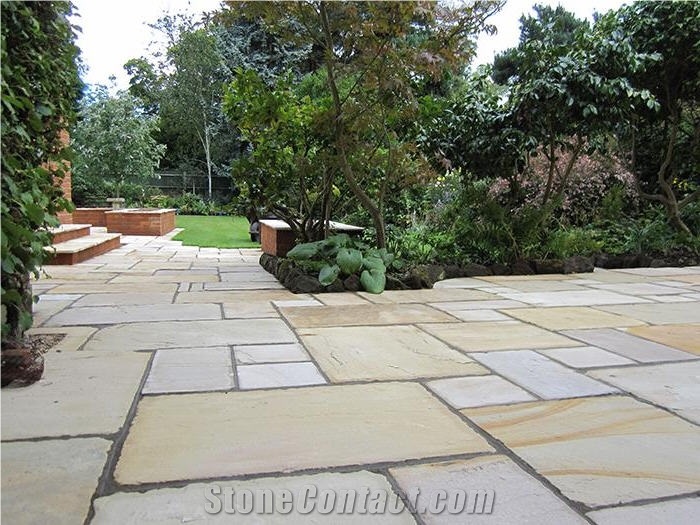
- Paving, pathways, and landscaping
- Flooring (residential and commercial)
- Pool surrounds & garden features
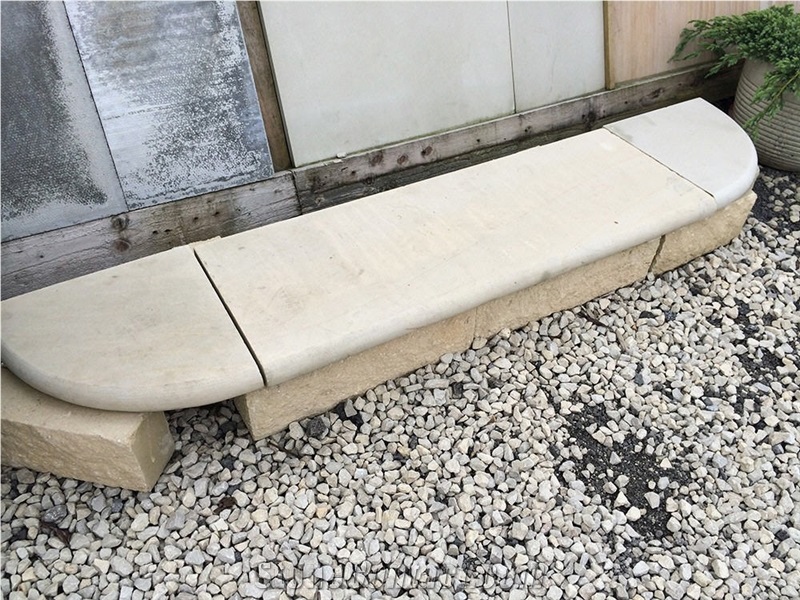
- Stairs, risers, coping stones
- Countertops and tabletops (with proper sealing)
- Monuments and decorative artifacts
Maintenance
Requires sealing for stain resistance, especially in wet or high-traffic areas. Clean with mild soap and water; avoid acidic cleaners. Periodic re-sealing (every 1–2 years) recommended to maintain surface finish and durability.
Available Cutting Sizes (cm)
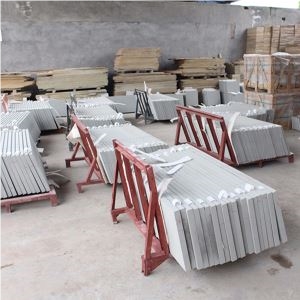
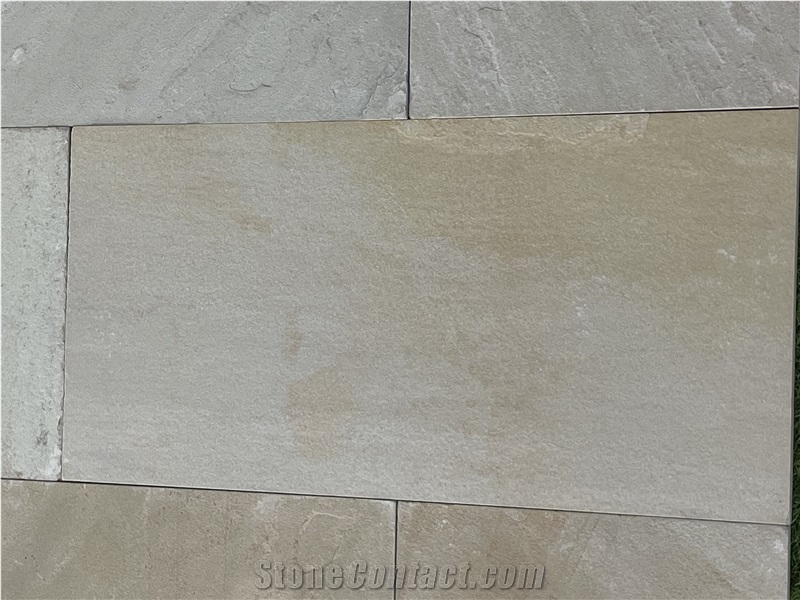
- Tiles: 30×30, 30×60, 60×60, 60×90, custom cut-to-size.
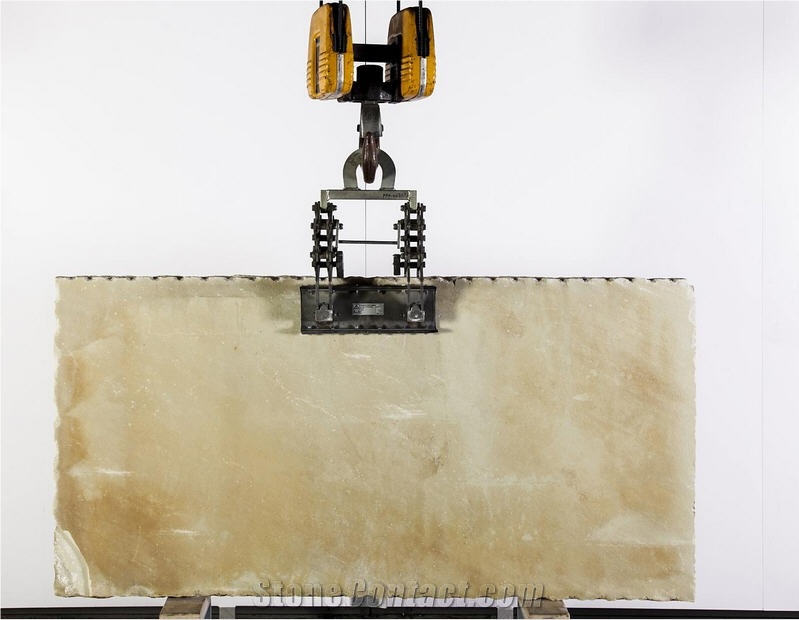
- Slabs: 200–300 × 100–180 cm.
- Thicknesses: 1.5 cm, 2 cm, 3 cm, custom thickness available.
Surface Finish Options
- Natural / Riven (Split) – rustic, non-slip, ideal for outdoor paving.
- Honed – smooth, matte surface.
- Polished – glossy, though less common for sandstone.
- Sandblasted – textured, slip-resistant.
- Bush-hammered – rugged finish for exterior use.
- Tumbled – aged, antique look.
- Sawn – machine-cut, uniform surface.


 India
India