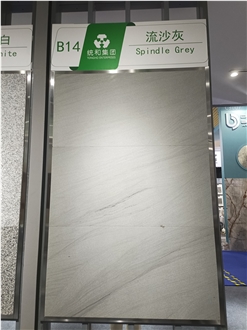
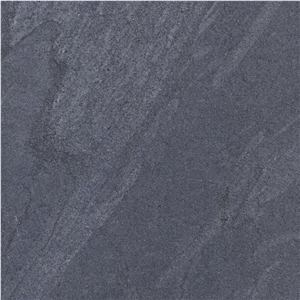
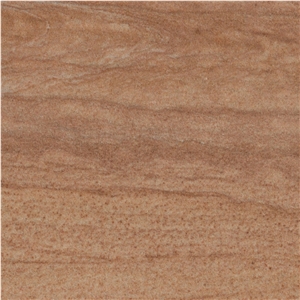
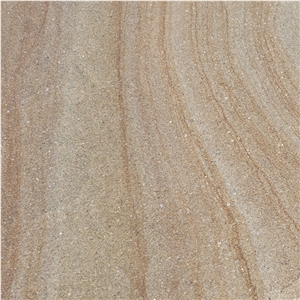
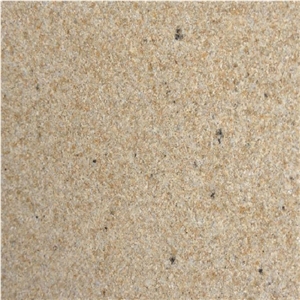
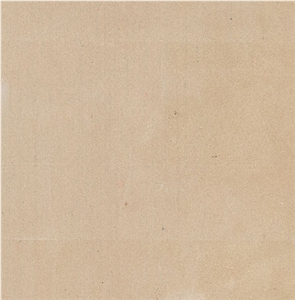
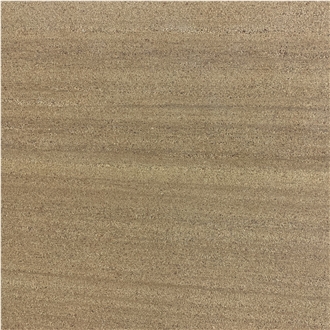
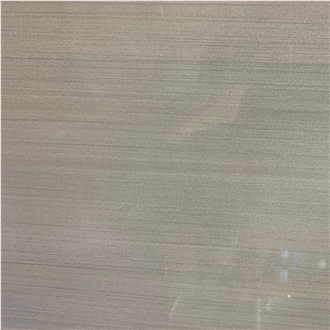
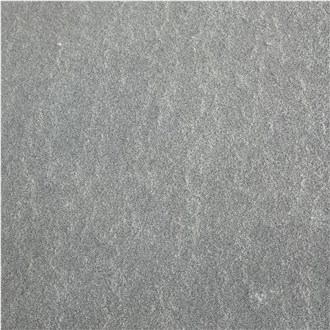
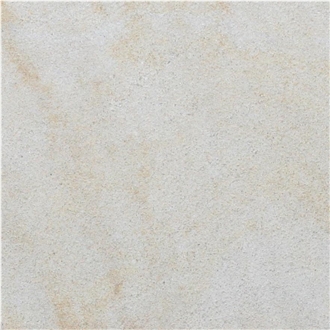
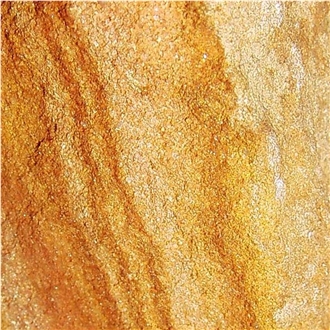
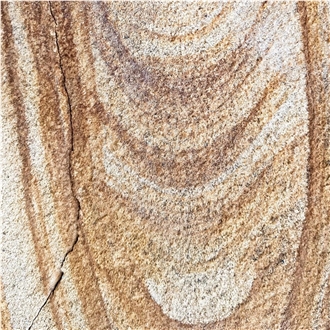
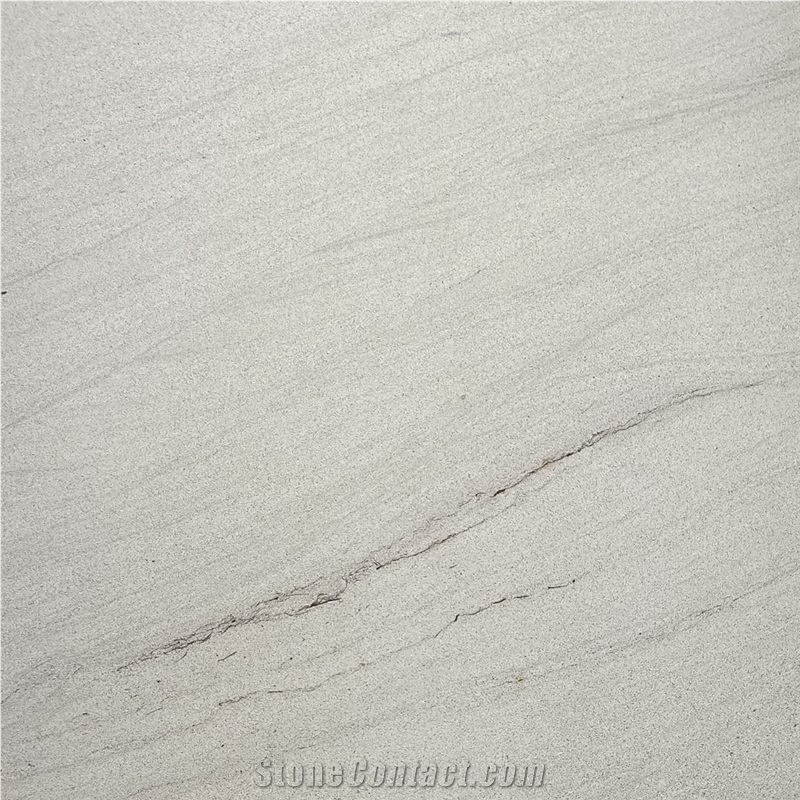
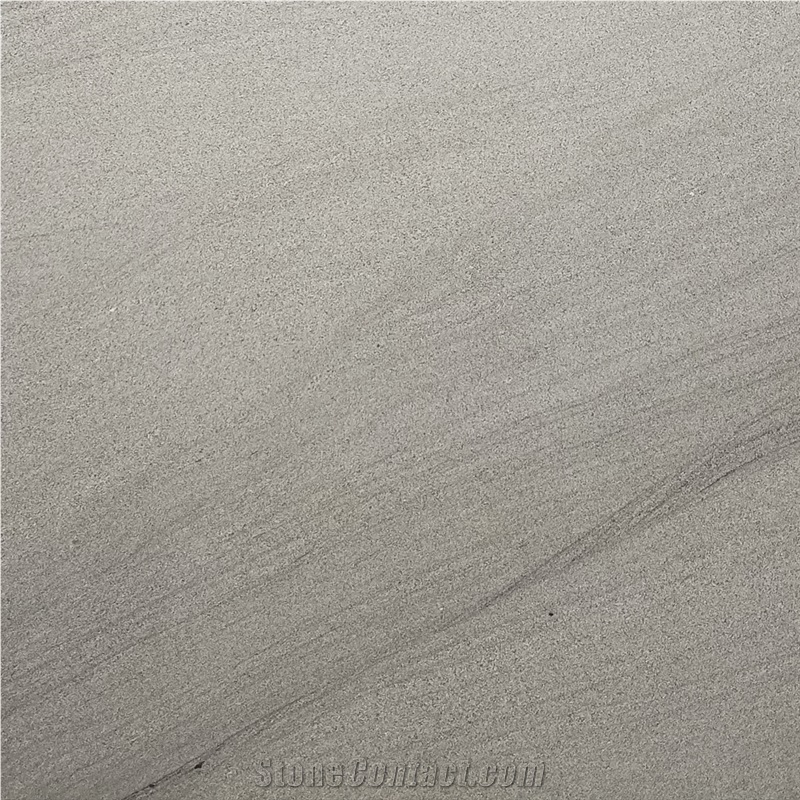
Spindle Grey Sandstone is a distinctive quartzitic sedimentary sandstone quarried in China, appreciated for its elegant silver-gray background and natural wooden-textured darker veins, which mimic the flow and appearance of aged timber. This visual resemblance to wood, along with its durable quartzitic composition, makes it a preferred choice for contemporary architectural and landscaping applications.
General Description
- Type: Quartzitic Sedimentary Sandstone
- Color: Silver-gray with medium grain
- Pattern: Darker gray to charcoal wooden-textured veins
- Appearance: Subtle flowing grain, reminiscent of aged wood
- Origin: China
Texture & Pattern
- Grain: Medium-grain structure with a lightly rough natural texture
- Veining: Natural linear or curvilinear dark veins, giving it a wood-grain-like appearance
- Surface Feel: Gritty to fine-grained, depending on finish
- Visual Impact: Soft movement from veins offers depth and elegance
Technical Properties (Test Results)
- Water Absorption .... 0.50% – 0.80% by weight
- Density .... 2500 – 2650 kg/m³
- Flexural Strength .... 10.4 – 13.1 MPa
- Compressive Strength .... 95.6 – 108.4 MPa
- Porosity .... Approx. 8 – 11%
- Mohs Hardness .... 6 – 7 (due to high quartz content)
- Slip Resistance (R Rating) .... R11 – R13 depending on finish
Chemical Composition (% by weight)
(Values may vary slightly depending on quarry bed)
- SiO2 (Silicon Dioxide / Quartz) .... 87 – 92%
- Al2O3 (Aluminum Oxide) .... 3 – 5%
- Fe2O3 (Iron Oxide) .... 1.0 – 2.5%
- CaO (Calcium Oxide) .... < 1%
- MgO (Magnesium Oxide) .... < 0.5%
- K2O & Na2O (Alkali oxides) .... < 1%
- TiO2 .... Trace amounts
Mineralogical Composition
- Quartz .... 85 – 92%
- Feldspar .... 3 – 5%
- Mica (muscovite, biotite) .... 1 – 2%
- Clay minerals .... < 2%
- Iron Oxides .... 1 – 2.5%
Surface Finishes Available
- Natural Split (Cleft)
- Honed
- Sandblasted
- Brushed
- Tumbled
- Sawn
- Bush-Hammered
- Flamed
Each finish can impact slip resistance, color depth, and texture.
Available Cutting Sizes (cm)
Tiles:
- 30 × 30
- 40 × 40
- 60 × 30
- 60 × 40
- 60 × 60
- Custom sizes upon request
Slabs & Cut-to-Size:
- Thickness: 1.5 cm, 2 cm, 3 cm standard
- Larger panels up to 120 × 240 cm available for wall cladding or paving
Custom formats for landscaping, coping, stairs, and sills
Typical Applications
- Interior flooring and wall cladding
- Exterior paving and facades
- Landscaping and garden pathways
- Swimming pool decks
- Feature walls and columns
- Stair treads and risers
- Fireplace surrounds
Its natural slip resistance and high durability make it ideal for both residential and commercial high-traffic zones.
Maintenance & Care
Cleaning: Use pH-neutral cleaners; avoid acidic substances
Sealing: Recommended for wet or outdoor areas to reduce staining and water ingress
Resealing Frequency: Every 2–3 years (outdoor) or as needed
Routine Maintenance: Sweep or vacuum regularly to avoid abrasive wear
Advantages
Wood-like aesthetic with stone durability
High compressive strength and weather resistance
Good slip resistance for wet areas
Excellent resistance to wear and erosion


 China
China