Post Your Needs

Michaelangelo Marble

Black - Marble

Pakistan

About

Item Details

Material Type:
Marble
Origin:
Pakistan (Balochistan)
Primary Color(s):
Black
Recommended Usage:
Kitchen and bathroom countertops, sinks, wash basins, monuments, building stone, ornamental stone, stairs, interior, exterior wall and floor applications, mosaic, waterjet pattern, wall panels, table tops, balustrades, columns
Additional Names:
Michelangelo Black Marble, Michelangelo Marble, Black Gold Marble, Black n Gold Marble, Black and Gold Marble, Black & Gold Marble, Ouro Negro TP Marble, Micheal Angelo Marble, Michael Angelo Marble, Leopardo Marble, Black Gold Flower Marble, Black Golden Flower Marble, Afghan Portoro Marble, Pakistan Portoro Marble, in China stone market:黑金花(Hēijīn huā), Michaelangelo Marble
Finished Surface:
Polished,Bush Hammered,Tumbled,Brushed,Honed,Split,Machine Cut,Natural Surface,Sandblasted,Combed,Water Jet,Filled,Chiseled,Pickling

Testing

Water Absorption:
0.74 %
Density:
2712 kg/m3
Compressive Strength:
186.2 MPa

Description

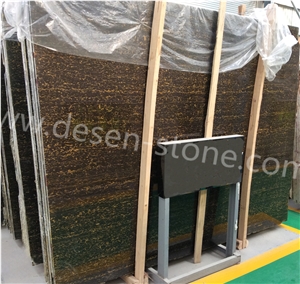
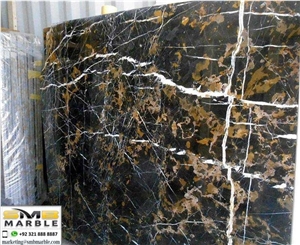
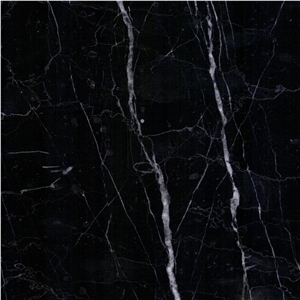
Michaelangelo Marble, also known as Black Gold Marble, is an exquisite natural stone renowned for its captivating beauty. This marble features a striking contrast between its dark, blackish-brown base and the intricate, wavy patterns of white and brown veining that run through it. The white and brown textures blend seamlessly, creating a stunning visual effect that resembles the strokes of an artist's brush.

Quarried primarily in Pakistan, specifically in the Balochistan region, Michaelangelo Marble is highly regarded for its unique appearance and luxurious appeal. It is often used in various architectural and interior design applications, including countertops, flooring, wall cladding, and decorative accents.

The name "Black Gold Marble" is fitting, as it alludes to the rich and opulent appearance of this marble. Its dramatic color palette and distinctive veining make it a sought-after choice for projects where elegance and sophistication are desired. The interplay between the dark background and the flowing patterns of white and brown adds a sense of movement and depth to any space, making Michaelangelo Marble a captivating choice for those seeking to make a statement with their design choices.

FAQ

What makes Michaelangelo Marble sparkle?

The sparkle in Carrara or Michelangelo marble is caused by the presence of minerals such as quartz and mica. Quartz is a hard mineral that often forms in crystalized or interlocking patterns, and its reflective quality can create a shimmering effect when light hits the surface. Mica, on the other hand, is a silicate mineral that can have a layered or flaky structure. These layers can reflect light in a way that adds a silky or pearlescent shimmer to the marble. The combination of these minerals, along with the natural translucency of the marble itself, can give Michelangelo marble its distinct sparkle and luminosity.
Read question details

Can Michaelangelo Marble terrace be waterproofed?

Yes, Michaelangelo Marble terrace can be waterproofed. Marble is a natural stone that is porous, meaning it can absorb water. To prevent water damage and staining, the marble terrace should be sealed with an appropriate stone sealer that is designed to waterproof and protect the stone. The sealer will penetrate the pores of the marble, creating a protective barrier that repels water and other liquids. It is recommended to reseal the marble terrace periodically, as the sealer can wear off over time.
Read question details

Does olive oil stain Michaelangelo Marble?

Olive oil can potentially stain Michelangelo marble if it is not promptly cleaned up. Marble is a porous natural stone, and oils can penetrate the surface and leave a stain. To prevent staining, it is best to keep the marble surface sealed and protected. If a spill occurs, it is essential to immediately wipe off the oil and clean the area thoroughly with a mild detergent and warm water.
Read question details

How do I waterproof Michaelangelo Marble floor?

To waterproof a Michaelangelo Marble floor, you can follow these steps: 1. Clean the surface: Start by thoroughly cleaning the marble floor using a soft cloth or mop and a pH-neutral cleaner. Avoid using acidic or abrasive cleaners as they can damage the marble. 2. Remove stains: If there are any stains on the marble, use a specialized marble stain remover or a poultice made of baking soda and water. Apply the poultice onto the stains, cover it with plastic wrap, and leave it overnight. Rinse and clean the area the next day. 3. Rinse and dry: After cleaning the floor, rinse it with clean water and make sure to remove any residue left behind. Use a dry cloth or mop to completely dry the marble surface. 4. Choose a marble sealer: Look for a high-quality marble sealer specifically designed for Michaelangelo Marble. There are various types of sealers available, such as penetrating sealers, topical sealers, or enhancer sealers. Read the instructions and choose the one that best suits your needs. 5. Apply the sealer: Wear gloves and work in well-ventilated areas when applying the sealer. Pour a small amount of the sealer onto the floor and spread it evenly using a clean, soft cloth or a natural bristle brush. Make sure to cover the entire surface and work in small sections if needed. 6. Let it dry: Allow the sealer to dry for the recommended time mentioned on the products instructions. Avoid walking on the floor or placing any items on it until it is completely dry. 7. Apply a second coat (optional): If the sealer manufacturer recommends a second coat, apply it following the same steps mentioned above. This helps to ensure a more durable protective layer. 8. Regular maintenance: To keep the marble floor in good condition, regularly clean it with a pH-neutral cleaner and avoid using abrasive or acidic substances. Wipe up spills immediately to prevent staining and reapply the sealer as needed, following the manufacturers instructions. Note: Its always a good idea to test the sealer on a small, inconspicuous area of the marble floor before applying it to the entire surface to ensure compatibility and desired results.
Read question details

Does sealing Michaelangelo Marble make it shiny?

Sealing Michelangelo marble does not necessarily make it shiny. Sealing the marble helps to protect it from stains and damage caused by spills and moisture. However, if you want to achieve a shiny finish on the marble, you would need to additionally polish or hone it using various techniques, such as mechanical polishing or chemical treatments.
Read question details

How do I know if my Michaelangelo Marble is sealed?

There are a few ways to determine if your Michaelangelo Marble is sealed: 1. Observe water absorption: Place a few drops of water on the surface of the marble. If the water is absorbed quickly (usually within a minute or two), it indicates that your marble is not properly sealed. However, if the water beads up on the surface and does not get absorbed, it is a sign of a sealed marble. 2. Perform the oil test: Apply a small amount of oil (such as olive oil or mineral oil) on an inconspicuous area of the marble and leave it for around 10-15 minutes. If there is a visible oil stain or the oil is absorbed into the marble, it means the marble is not sealed. Conversely, if the oil remains on the surface without being absorbed, it suggests the presence of a sealant. 3. Check for a polished and smooth surface: Sealed marble often has a polished and smooth surface, which can be visually examined. If the marble appears glossy and feels smooth to the touch, it is likely sealed. However, this method may not be as reliable as the previous tests, as the presence of a polished finish does not guarantee sealing. If you are unsure about the sealing status of your Michaelangelo Marble, it is recommended to consult a professional stone specialist who can provide an accurate assessment and suggest appropriate sealing or resealing measures if needed.
Read question details

Does baking soda whiten Michaelangelo Marble?

Yes, baking soda can be used to whiten Michelangelo marble surfaces. Baking soda is a mild abrasive that can help remove stains, dirt, and discoloration from marble. Heres how you can use baking soda to whiten Michelangelo marble: 1. Create a paste: Mix baking soda with a small amount of water to form a thick paste. 2. Apply the paste: Use a soft cloth or sponge to apply the baking soda paste onto the stained or discolored areas of the marble. 3. Gently scrub: Use a circular motion to gently scrub the baking soda paste into the marble surface. Avoid using excessive pressure to prevent scratching the marble. 4. Let it sit: Allow the baking soda paste to sit on the marble for about 10-15 minutes. This will give it time to work on the stains and discoloration. 5. Rinse: After the waiting period, rinse the marble surface thoroughly with clean water to remove the baking soda residue. 6. Dry and assess: Use a dry cloth to pat the marble surface dry. Check if the desired level of whitening has been achieved. If needed, you can repeat the process for stubborn stains. Note: Its important to test the baking soda paste on a small, inconspicuous area of the marble first to ensure it doesnt cause any damage or discoloration. Additionally, always follow the care instructions provided by the manufacturer or seek professional advice if you are uncertain about the suitability of baking soda for your specific marble surface.
Read question details

Can I drill Michaelangelo Marble countertop myself?

While it is technically possible to drill a Michelangelo marble countertop yourself, it is important to note that marble is a very hard and brittle natural stone. Therefore, drilling it without experience and proper tools could lead to the stone cracking or chipping. If you do decide to proceed, here are a few tips to keep in mind: 1. Use a diamond-tipped drill bit: Marble requires a special type of drill bit to prevent chipping and ensure clean holes. Diamond-tipped drill bits are the most suitable option for marble drilling. 2. Go slow and steady: Use a low drilling speed and apply gentle and consistent pressure. Let the drill do the work and avoid pushing too hard, as it can increase the risk of damage. 3. Mark the drilling point: Use a marker or tape to clearly mark the drilling point on the countertop. This will help ensure accuracy and prevent any mistakes. 4. Use water as a lubricant: Drilling marble generates heat, which can damage the stone. To prevent this, continuously spray water or use a constant water flow while drilling to cool down the stone. 5. Wear safety gear: Always wear safety goggles and gloves to protect your eyes and hands from potential flying debris. It is generally recommended to hire professionals who specialize in working with natural stone to avoid any potential damage or problems. They will have the necessary experience, tools, and techniques to drill marble countertops accurately and safely.
Read question details

Can I seal Michaelangelo Marble countertop myself?

Yes, you can seal a Michelangelo Marble countertop yourself. Marble is a porous stone, so sealing it helps to protect it from stains and damage caused by liquids seeping into the stone. Heres a simple guide on how to seal your countertop: 1. Clean the surface: Start by thoroughly cleaning the countertop using a mild detergent or stone cleaner and a soft cloth or sponge. Make sure to remove any dirt, grease, or stains from the surface. Rinse with clean water and allow it to dry completely. 2. Choose a sealant: Select a high-quality marble sealer suitable for use on Michelangelo Marble. You can find various options at your local home improvement store or online. Make sure to read the label and product instructions carefully before applying. 3. Apply the sealant: Wear gloves and follow the instructions on the sealant product for application. In most cases, youll need to pour a small amount of sealant onto the countertop and spread it evenly using a soft cloth or sponge. Make sure to cover the entire surface, including edges and corners. 4. Allow the sealant to penetrate: Let the sealant penetrate the marble for the recommended time indicated on the product instructions. This typically ranges from a few minutes to half an hour, depending on the product. Avoid touching or using the countertop during this time to allow for proper absorption. 5. Remove excess sealant: After the recommended time has passed, use a clean cloth to wipe away any excess sealant from the surface. Make sure to remove all residue to prevent any hazy or sticky patches. 6. Allow proper curing time: Give the sealant sufficient time to fully cure and dry. This can take anywhere from a few hours to a couple of days, so check the product instructions for the exact duration. Avoid placing any objects or using the countertop until the sealant has fully cured. Its important to note that sealing marble countertops is not a permanent solution and needs to be repeated periodically, as recommended by the sealant manufacturer. Regularly cleaning and wiping up spills from the countertop surface will also help maintain the seal and preserve the marbles appearance.
Read question details

Does lemon juice stain Michaelangelo Marble countertop?

Yes, lemon juice can stain Michelangelo Marble countertop if left on the surface for an extended period of time. Lemon juice is acidic and can etch and discolor marble if not cleaned up immediately. It is recommended to quickly wipe up any acidic spills on marble countertops to prevent staining.
Read question details

Products & Prices

Hot Marble

New Marble

Post Your Request

The request includes:
  1. surface finished, size
  2. quantity required