Post Your Needs

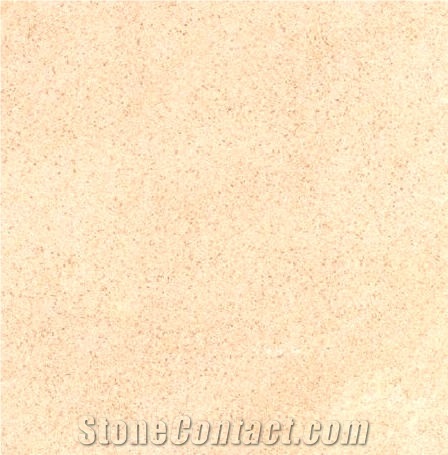
Kybides Sandstone

Beige - Sandstone

Cyprus

About

Item Details

Material Type:
Sandstone
Origin:
Cyprus
Primary Color(s):
Beige
Recommended Usage:
Building stone, flagstone,pool coping, sills, ornamental stone, interior, exterrior, wall, floor, pa
Additional Names:
Kybides Stone, Kybides Sandstone
Finished Surface:
Sawn Cut, Sanded, Rockfaced, Sandblasted, Bushhammered, Tumbled, Thermalled, Natural Cleft, Weatheredge

Testing

Water Absorption:
0.7 %
Density:
1900 kg/m3
Flexural Strength:
8.64 MPa
Compressive Strength:
22.9 MPa

Description

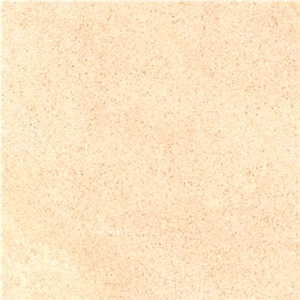
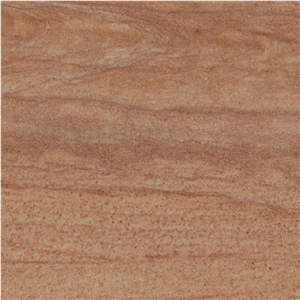
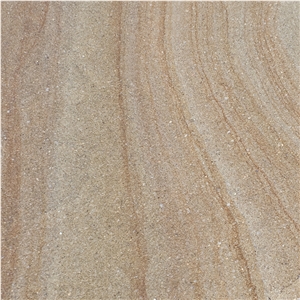
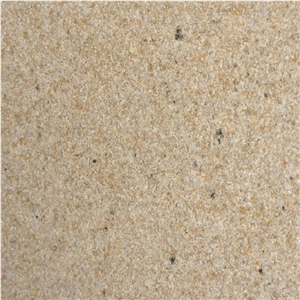
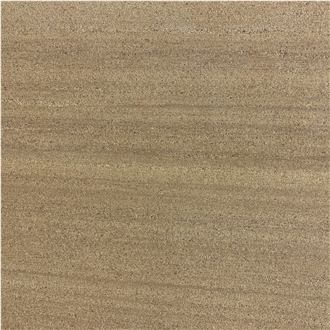
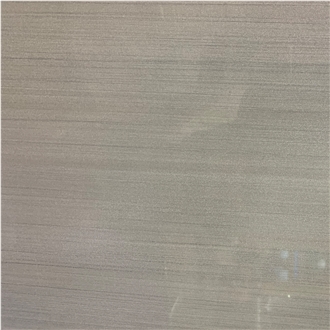
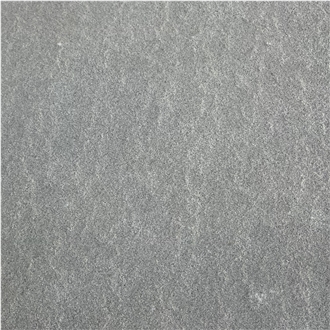
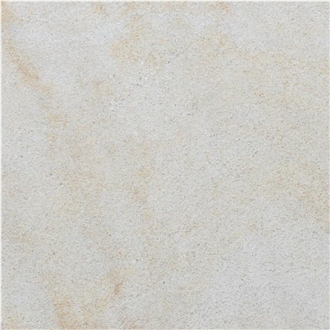
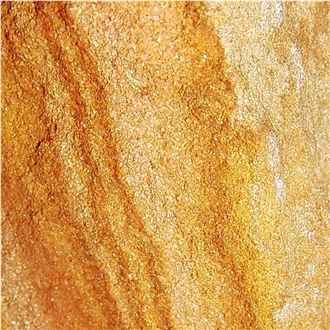
Kybides Sandstone is a kind of beige sandstone quarried in Cyprus. This stone is especially good for Building stone, flagstone,pool coping, sills, ornamental stone, interior, exterrior, wall, floor, paving and other design projects. It also called Kybides Stone . Kybides Sandstone can be processed into Sawn Cut, Sanded, Rockfaced, Sandblasted, Bushhammered, Tumbled, Thermalled, Natural Cleft, Weatheredge and so on.

FAQ

Can Cyprus's Kybides Sandstone be used in landscaping?

Yes, Cypruss Kyrenia Sandstone, also known as Kybides Sandstone, can be used in landscaping. This type of sandstone is known for its attractive, warm brown colors and fine-grained texture, which make it suitable for various landscaping applications. It can be used for pathways, patios, garden walls, retaining walls, and decorative features such as steps or garden ornaments. The natural beauty and durability of Kybides Sandstone make it a popular choice for landscaping projects.
Read question details

Can Cyprus's Kybides Sandstone be used exterior applications in very rainy climates?

The Kybides Sandstone from Cyprus is generally suitable for both interior and exterior applications. However, when it comes to using it in very rainy climates, there are a few factors to consider. Kybides Sandstone is known for its durability and resistance to weathering. It can withstand various climatic conditions, including rain, without significant deterioration. However, extremely rainy climates might pose some challenges. Excessive rainfall can lead to water absorption by the sandstone, which may cause it to become waterlogged. This can result in the stone deteriorating more quickly, especially if it goes through cycles of wetting and drying. Additionally, continuous exposure to moisture can promote the growth of moss or algae on the surface of the stone, affecting its appearance. To mitigate these issues, it is advisable to apply a water repellent sealer on the Kybides Sandstone before installation. This sealer helps to reduce water absorption, keeps the stone surface drier, and minimizes the growth of moss or algae. Furthermore, proper installation techniques such as ensuring proper drainage and allowing for adequate ventilation behind the stone can also help in preventing water-related problems in rainy climates. In summary, while Kybides Sandstone can be used for exterior applications in very rainy climates, precautions such as applying a water repellent sealer and ensuring proper installation are recommended to maintain its longevity and appearance.
Read question details

Can Cyprus's Kybides Sandstone be used in a bathroom?

Cypruss Kybides Sandstone can be used in a bathroom as a construction material, usually for flooring or wall cladding purposes. However, it is important to note that sandstone is a naturally porous material, and it may require sealing to make it water-resistant and suitable for use in wet environments like bathrooms. Additionally, proper maintenance, such as regular cleaning and resealing, may be necessary to preserve its integrity and prevent water damage.
Read question details

How thick is Cyprus's Kybides Sandstone slabs?

The thickness of Cypruss Kybides Sandstone slabs can vary depending on the specific supplier or quarry. Typically, these slabs are available in thicknesses ranging from 2 centimeters (0.79 inches) to 7 centimeters (2.76 inches). However, it is important to note that these measurements can be customized, and thicker slabs may also be available upon request.
Read question details

What grade is Cyprus's Kybides Sandstone?

Cypruss Kyrenia Sandstone is typically graded as a class A sandstone.
Read question details

Are there color variations of Cyprus's Kybides Sandstone?

Yes, there can be variations in color of Cypruss Kybides Sandstone. The natural sandstone can range in color from light beige to yellow, with occasional hints of red, brown, or gray. The exact color variation will depend on factors such as the mineral composition, oxidation levels, and regional differences in the deposit.
Read question details

What is the coefficient of friction of Pickled Cyprus's Kybides Sandstone tiles?

The coefficient of friction of Pickled Cypruss Kybides Sandstone tiles is not readily available through typical online sources. It is recommended to reach out to the manufacturer or supplier directly for accurate information regarding the specific coefficient of friction for their sandstone tiles.
Read question details

Is Cyprus's Kybides Sandstone an expensive stone?

I dont have access to the current market values and prices of natural stones. However, it is known that Kybides Sandstone is not considered among the most expensive natural stones worldwide. The price of the stone depends on various factors such as the quality, color, demand and the supplier.
Read question details

Products & Prices

Hot Sandstone

New Sandstone

Post Your Request

The request includes:
  1. surface finished, size
  2. quantity required