Egypt
Can Egypt's Hashma Sandstone be used exterior applications in cold climates?
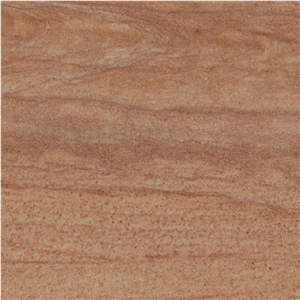
The Hashma Sandstone in Egypt is a sedimentary rock that is commonly used for both interior and exterior applications. However, whether it can be used in cold climates depends on several factors.
Hashma Sandstone is known for its durability and resistance to weathering, making it suitable for various weather conditions. However, extreme cold temperatures can potentially cause damage to the stone, especially if it is exposed to freeze-thaw cycles.
In cold climates, water can seep into the sandstone, and when it freezes, it expands. This expansion can lead to cracks and damage over time. If the Hashma Sandstone is properly treated and installed with techniques that mitigate the effects of freezing and thawing, it can withstand cold climates.
To ensure its suitability for exterior use in cold climates, it is essential to consider factors such as the stones porosity, density, and frost resistance. Additionally, proper installation methods and regular maintenance are crucial.
Consulting with a professional architect, engineer, or stone supplier who has experience with the specific type of Hashma Sandstone you intend to use is highly recommended. They can provide guidance on whether it is suitable for your specific climate and how to best protect and maintain it in cold temperatures.