Post Your Needs

Graphite Grey Marble

Grey - Marble

Iran

About

Item Details

Material Type:
Marble
Origin:
Iran (Lashotor Zone-20th Km of Shiraz road, Esfahan)
Primary Color(s):
Grey
Recommended Usage:
Kitchen and bathroom countertops, monuments, building stone, ornamental stone, stairs, interior, exterior wall and floor applications, mosaic, waterjet pattern, wall panels, table tops, window sills, balustrades, columns, wall and pool copings, pool pavers, sculptures, fireplaces
Additional Names:
Bulgarian Grey Marble, Bosi Grey Marble, Grafite Grey Marble, Graphite Gray Marble, Grey Graphite Marble, Persian Grey Marble, Grey Pietra, Pietra Grey Marble, Grey Crystal Marble, Pietra Gray Marble, Pietra Gray Graphite, Pietra Gray Grafite, Grafitti Marble, Shakespeare Gray Marble, Lashotor Black Marble, Persian Nero Marquina Marble, Persian Marquina Black Marble, Graphite Grey Marble
Finished Surface:
Polished,Bush Hammered,Tumbled,Brushed,Honed,Split,Machine Cut,Natural Surface,Sandblasted,Combed,Leathered,Water Jet,Filled,Chiseled,Pickling

Testing

Water Absorption:
0.3 %
Density:
2610 kg/m3
Compressive Strength:
84.2 MPa

Description

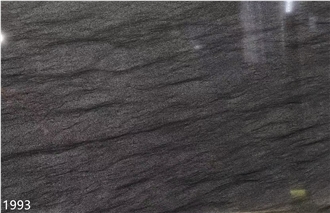
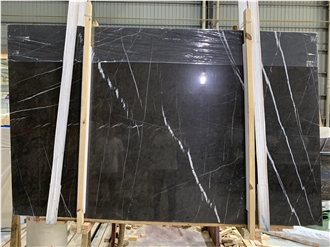
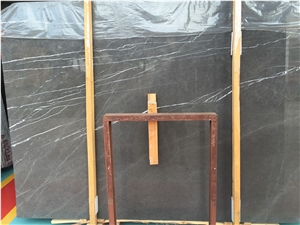
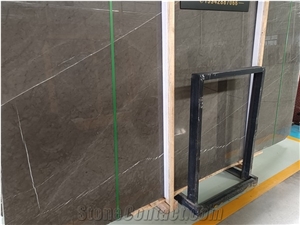
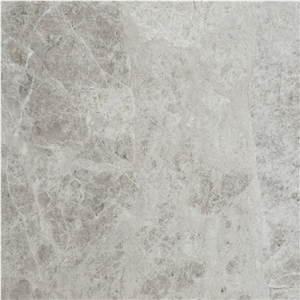
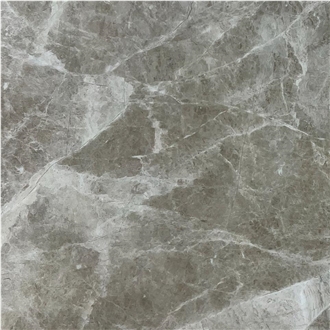
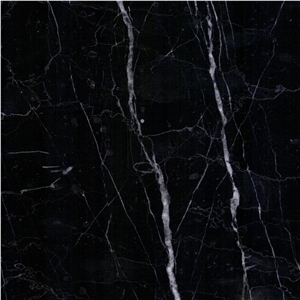
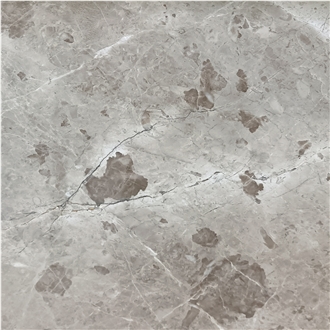
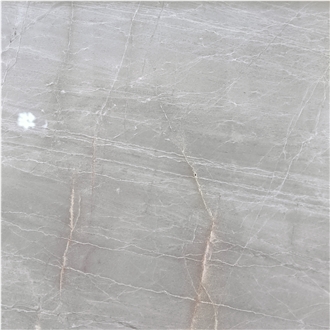
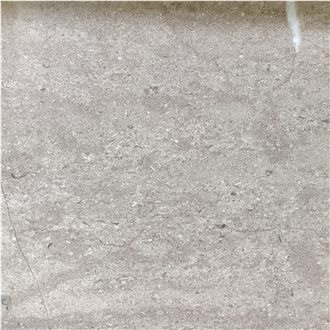
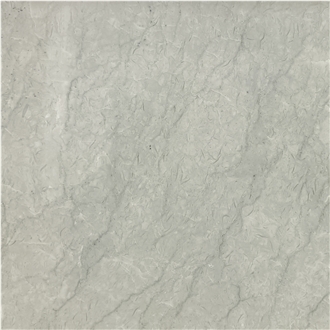
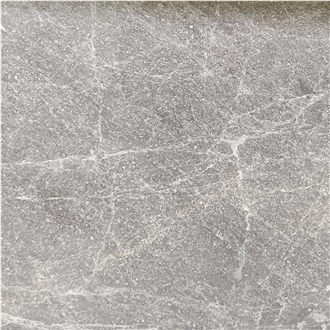
Graphite Grey Marble, an elegant Persian stone quarried in Lashotor Zone, 20th Km of Shiraz road, Esfahan, Iran, boasts a sophisticated and versatile aesthetic. The marble showcases a captivating range of gray tones, from a light gray background to darker shades, creating a stylish and refined appearance.

One of the defining features of Graphite Grey Marble is the intricate network of veins that meander across its surface. These veins range from narrow to wide and exhibit a contrasting white hue against the gray backdrop. The interplay of light and dark tones, combined with the distinctive veining, imparts a sense of depth and character to the marble, making each slab a unique work of natural art.

The high strength of Graphite Grey Marble enhances its durability and suitability for various applications, including countertops, flooring, and wall cladding. Its elegant color palette and distinctive veining make it a sought-after choice for interior design projects that demand both sophistication and resilience.

Quarried in the picturesque region of Esfahan, Iran, Graphite Grey Marble not only reflects the geological richness of its origin but also adds a touch of timeless beauty to any space. Whether used in contemporary or classic settings, this marble's refined appearance and durability make it a versatile and enduring choice for those seeking a Persian stone with both aesthetic appeal and strength.

FAQ

Is Graphite Grey Marble countertop heat resistant?

Yes, graphite grey marble is heat resistant, but it is still recommended to use trivets or hot pads to protect the surface from direct contact with hot cookware or dishes. This will help prevent any potential damage or discoloration to the marble countertop.
Read question details

Is tumbled Graphite Grey Marble slip resistant?

Tumbled Graphite Grey Marble is not specifically designated as slip-resistant. However, the tumbled finish can provide some texture and grip compared to a polished finish. It is still recommended to use caution and ensure proper maintenance to prevent slipping on any marble surface.
Read question details

Are polished Graphite Grey Marble floors slippery when wet?

Polished Graphite Grey Marble floors can be slippery when wet, as the smooth surface may not provide sufficient traction. It is important to take precautions when walking on wet marble floors to avoid slipping and injuring oneself. Using rugs or mats in high traffic areas, wearing non-slip footwear, and promptly cleaning up spills can help reduce the risk of slipping on wet marble floors.
Read question details

What happens to Graphite Grey Marble countertop if not sealed?

If a Graphite Grey Marble countertop is not sealed, it is susceptible to staining, etching, and damage from water and other liquids. Without a sealant, the marble will easily absorb spills, which can cause discoloration and damage to the surface. Additionally, without a sealant, the marble can be more difficult to clean and maintain, as it will absorb more dirt and grime. Over time, an unsealed marble countertop may become dull and lose its luster, and the surface may develop scratches and other imperfections. Sealing a Graphite Grey Marble countertop is an important step to protect and preserve its beauty and longevity.
Read question details

How thick should a Graphite Grey Marble stair step be?

The thickness of a Graphite Grey Marble stair step will depend on the size and design of the staircase it is being used for. In general, a standard thickness for a marble stair step is around 1 1/4 inches to 1 1/2 inches. However, if the staircase is larger or will experience heavier foot traffic, a thicker step may be needed. It is recommended to consult with a professional contractor or designer to determine the appropriate thickness for your specific project.
Read question details

What thickness of Graphite Grey Marble kitchen countertop would be better?

The thickness of the Graphite Grey Marble kitchen countertop would depend on personal preference and the overall design aesthetic you are trying to achieve. Typically, marble countertops are available in two standard thicknesses: 2cm (3/4 inch) and 3cm (1 1/4 inch). A 2cm thickness is more lightweight and generally less expensive, but may require additional support to prevent sagging or cracking over time. It can also be more fragile and prone to chipping. On the other hand, a 3cm thickness provides a more substantial and durable countertop. It is less likely to require additional support, and its weight adds stability to the kitchen design. However, it is usually more expensive and may be more challenging to install due to its weight. Ultimately, the decision on the thickness of the Graphite Grey Marble countertop should be based on your personal preference, budget, and the level of durability and support you desire for your kitchen countertop.
Read question details

What thickness of Graphite Grey Marble backsplash tiles would be better?

The thickness of Graphite Grey Marble backsplash tiles typically varies between 8mm and 10mm. Both thicknesses can work well for a backsplash, but the choice depends on personal preference and practicality. Choosing an 8mm thickness can create a sleek and modern look, as it appears thinner and more delicate. This thickness is easier to handle, cut, and install. However, it may be less durable and may require additional support during installation. On the other hand, a 10mm thickness offers more sturdiness and durability. It can withstand frequent use and is less prone to chipping or breaking. However, it may appear bulkier and may require more effort to install. Ultimately, the decision between the two thicknesses depends on the desired aesthetic, the level of durability needed, and personal preference.
Read question details

Is Graphite Grey Marble bathroom top easily stained?

Graphite Grey Marble is a natural stone, and like any natural stone, it can be prone to staining if not properly sealed and maintained. Marble is a porous material, which means that it can absorb liquids and stains more easily than non-porous materials. To prevent staining, it is recommended to seal the marble regularly, typically every 6-12 months, depending on usage. Sealing creates a protective barrier on the surface, making it more resistant to stains. Additionally, it is important to clean up any spills or messes as soon as possible to reduce the chances of permanent staining. While sealing and proper maintenance can help prevent staining, it is still possible for the Graphite Grey Marble bathroom top to become stained if not properly cared for. It is always a good idea to be cautious and avoid using harsh chemicals or abrasive cleaners on the marble surface, as these can also cause damage and make it more susceptible to staining.
Read question details

How should I clean Graphite Grey Marble countertop?

To clean a Graphite Grey Marble countertop, follow these steps: 1. Start by wiping the surface with a soft cloth or sponge dipped in warm soapy water. Use mild dish soap or a pH-neutral stone cleaner. 2. Gently scrub the surface in a circular motion to remove any dirt or grime. Avoid using abrasive cleaners, as they can scratch the marble. 3. Rinse the countertop thoroughly with clean water to remove any soap residue. 4. Dry the countertop with a soft, clean cloth to prevent water spots or streaks. 5. For stubborn stains or spills, create a poultice by mixing baking soda with water to form a thick paste. Apply the paste to the stain, cover it with plastic wrap, and let it sit overnight. The next day, remove the poultice and rinse the area with water. 6. Avoid using acidic cleaners or materials like lemon juice, vinegar, or ammonia, as they can etch or dull the marble surface. Also, avoid abrasive scrub brushes or scouring pads that can scratch the marble. 7. For long-term maintenance, consider sealing the countertop every 6-12 months with a marble sealer. This will help protect the surface and make it easier to clean. Remember to always check the manufacturers recommendations for cleaning and maintenance, as different marble countertops may have specific requirements.
Read question details

Can Graphite Grey Marble be used in a steam shower as a wall and floor covering?

Graphite Grey Marble is generally not recommended for use in steam showers as a wall and floor covering. Marble is a porous natural stone that can be easily damaged by constant exposure to water and steam. In a steam shower environment, the combination of high humidity and temperature can cause the marble to become discolored, stained, or even cracked over time. It is advisable to choose a more suitable material such as porcelain or ceramic tiles specifically designed for steam showers. These materials are more resistant to the effects of moisture and provide better durability in such conditions.
Read question details

Products & Prices

Hot Marble

New Marble

Post Your Request

The request includes:
  1. surface finished, size
  2. quantity required