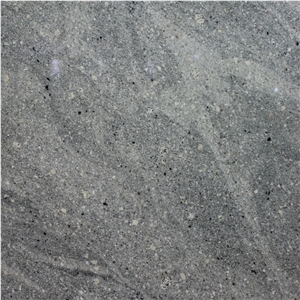
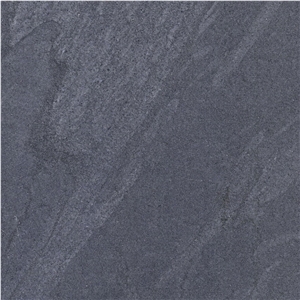
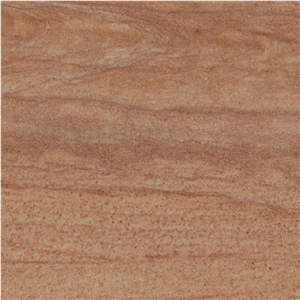
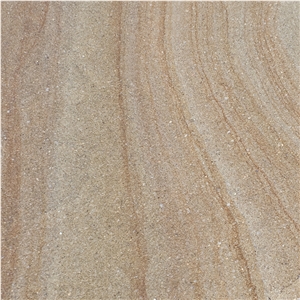
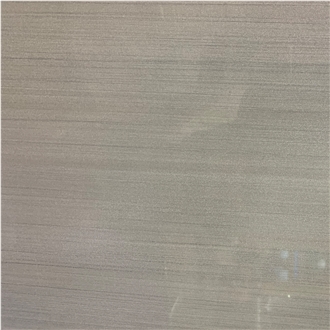
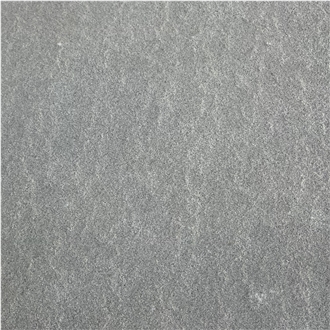
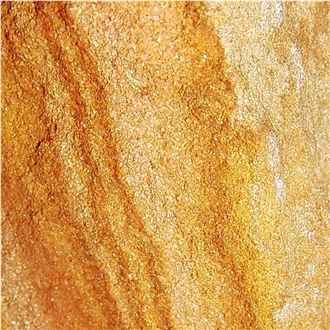
Chinas Fantasy Grey Sandstone can be used for exterior applications in windy climates, but some factors need to be considered.
Firstly, sandstone is a relatively soft and porous rock, which means it may be susceptible to erosion and weathering over time, especially in strong and constant winds. It is important to select a high-quality and durable sandstone that is resistant to wind-driven particles and can withstand wind abrasion.
Secondly, the installation method and design should be adjusted to accommodate windy climates. The sandstone should be properly sealed to enhance its weather resistance and protect it from moisture penetration, which can accelerate weathering and deterioration. Additionally, strong winds can put a lot of stress on the stone and its anchoring system, so it is essential to ensure proper installation, including the use of appropriate adhesives and fasteners.
Finally, the design and placement of the sandstone in windy areas should consider factors such as the shape and size of the stones, as well as the surrounding environment. Using larger and thicker stones, especially with a more uniform shape, can help increase their resistance to wind forces. Additionally, utilizing windbreaks or creating protected areas around the sandstone installation can help reduce the direct impact of winds.
It is recommended to consult with a professional stone supplier or contractor who has experience with sandstone installations in windy climates to ensure the best practices are followed for durability and longevity.


 China