Post Your Needs

Eichenbuhler Mainsandstein

Red - Sandstone

Germany

About

Item Details

Material Type:
Sandstone
Origin:
Germany (Eichenbuehl(Eichenbühl), Bavaria)
Primary Color(s):
Red
Recommended Usage:
Monuments, building stone, ornamental stone, stairs, interior, exterior wall and floor applications, mosaic, wall panels, reliefs, window sills, balustrades, columns, wall and pool copings, pool pavers, sculptures, fireplaces, cobbles, pavers, curbstone
Additional Names:
Eichenbuehler Sandstein, Eichenbuehler Mainsandstein, Roter Mainsandstein Eichenbuehl, Eichenbühler Mainsandstein, Eichenbuehl Sandstone, Eichenbuhleur Red Sandstone, Eichenbuhler Red Sandstone, Eichenbuhler Rot Sandstein, Eichenbuhler Mainsandstein
Finished Surface:
Polished,Bush Hammered,Tumbled,Brushed,Honed,Split,Machine Cut,Natural Surface,Sandblasted,Combed,Leathered,Water Jet,Filled,Chiseled,Pickling

Testing

Water Absorption:
5.9 %
Density:
2270 kg/m3
Flexural Strength:
9.3 MPa
Compressive Strength:
97 MPa

Description

Quarried in Eichenbühl, Bavaria, Germany, Eichenbühler Mainsandstein is a traditional fine-grained, hard sandstone that has been used in German architecture for centuries, especially in heritage buildings and monuments.

Appearance & Texture

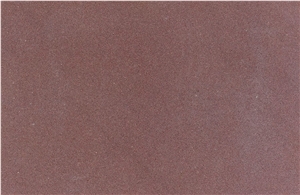
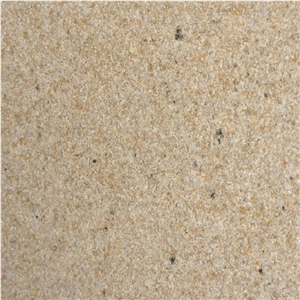
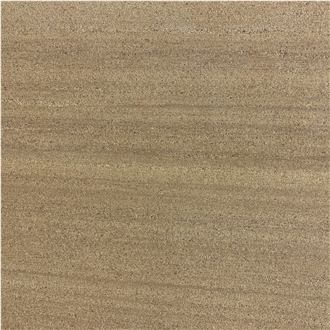
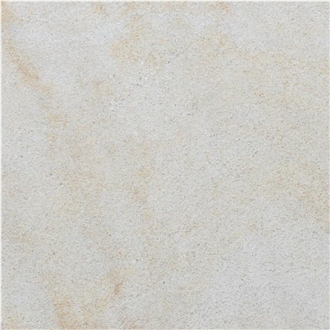
  • Color: Dark brick red to reddish-brown
  • Grain: Very fine-grained, compact texture
  • Pattern: Mostly uniform with minimal veining; occasional mineral banding or color shading due to iron oxide concentration
  • Surface Feel: Slightly gritty in natural cleft; smooth in honed finishes

Physical Properties

(tested and documented)

  • Bulk Density .... 2270 kg/m³ (2.27 g/cm³)
  • Water Absorption .... 5.9% by weight
  • Porosity .... Medium (~14–18%)
  • Compressive Strength .... 97 MPa
  • Flexural Strength .... 9.3 MPa
  • Abrasion Resistance .... Moderate (ASTM C241 ~30–35 mm)
  • Mohs Hardness .... ~6–7 (relatively hard for sandstone)

Slip Resistance (R Rating):

  • Natural/cleft: R12
  • Honed: R9
  • Brushed: R10
  • Sandblasted: R11

Chemical Composition (% by weight)

  • Silicon Dioxide (SiO2) .... 85–90% (Quartz-rich)
  • Aluminum Oxide (Al2O3) .... 4–6%
  • Iron Oxides (Fe2O3) .... 1.5–3% (responsible for red coloration)
  • Calcium Oxide (CaO) .... <0.5%
  • Magnesium Oxide (MgO) .... <0.3%
  • Potassium/Sodium Oxides (K2O, Na2O) .... Trace

Mineralogical Composition

  • Quartz: ~85–90%
  • Feldspar (K-Feldspar, Plagioclase): ~5–7%
  • Mica (Muscovite, Biotite): ~1–2%
  • Iron-bearing minerals (Hematite, Limonite): ~2–3%
  • Clay minerals: ~1–2% (e.g., kaolinite, illite)

Surface Finish Options

  • Natural Split (Cleft): Traditional, rustic, high slip resistance
  • Honed: Smooth, matte surface; ideal for interiors
  • Brushed: Slightly textured, soft underfoot feel
  • Sandblasted: Textured with good slip resistance
  • Bush-hammered: Rough, anti-slip exterior finish
  • Chiseled or Pointed: Historic restoration finish

Standard Cutting Sizes (cm)

Tiles: 30 × 30, 40 × 40, 30 × 60, 40 × 60, 60 × 60, 60 × 90, 60 × 120

Slabs:

  • Thickness: 3 cm, 5 cm, 8 cm, and 10 cm
  • Custom sizes for wall panels, paving, sills, and lintels
  • Cut-to-size: Architectural pieces (arches, columns, copings, facade blocks)

Recommended Applications

  • Exterior: Facades, paving, stairs, garden elements, fountains, landscaping
  • Interior: Flooring, wall cladding, fireplace surrounds
  • Restoration: Historic buildings, churches, castles
  • Sculpture & Monuments: Good carvability due to fine grain

Maintenance Guidelines

  • Routine Cleaning: Water and soft brushes; avoid high-pressure jets
  • No Acidic Cleaners: Can damage the iron content and cause staining
  • Sealant Use: Optional but can help reduce water absorption in exposed or wet areas
  • Repointing: Use breathable lime-based mortars for joints in heritage work

Durability Notes

This stone is frost-resistant and ages beautifully, withstanding German weather for centuries. Ideal for both new builds and renovation of historic architecture due to its strength and traditional aesthetic.

FAQ

Are there color variations of Germany's Eichenbuhler Mainsandstein Sandstone?

Yes, there are color variations of Germanys Eichenbuhler Mainsandstein sandstone. The predominant color of Eichenbuhler Mainsandstein is a light to medium beige, but it can also feature shades of yellow, cream, brown, and even reddish-brown. The specific color variations can be influenced by factors like the quarry location and the mineral composition of the sandstone. Additionally, the color may change slightly over time due to weathering and oxidation processes.
Read question details

Can Germany's Eichenbuhler Mainsandstein Sandstone be used in a bathroom?

Yes, Germanys Eichenbuhler Mainsandstein Sandstone can be used in a bathroom. Sandstone is a common choice for bathroom flooring, walls, and countertops due to its durability and natural beauty. It is resistant to water damage, easy to clean, and can withstand high levels of moisture typically found in bathrooms. However, it is important to properly seal the sandstone to protect it from staining and water absorption. Additionally, sandstone can be slippery when wet, so it is recommended to choose a textured finish or use non-slip mats in areas prone to wetness, such as showers and bath areas.
Read question details

Can Germany's Eichenbuhler Mainsandstein Sandstone be used outdoors?

Yes, Germanys Eichenbuhler Mainsandstein Sandstone can be used outdoors. It is commonly used in various outdoor applications such as paving, wall cladding, and landscaping. It is a durable and weather-resistant material that can withstand outdoor exposure. However, it is always recommended to consult with professionals or experts in the field to ensure the proper installation and maintenance of the sandstone in an outdoor setting.
Read question details

Can Germany's Eichenbuhler Mainsandstein Sandstone be used exterior applications in very humid climates?

Yes, Germanys Eichenbuhler Mainsandstein Sandstone can be used for exterior applications in very humid climates. Sandstone is a durable and weather-resistant natural stone that is commonly used for various construction purposes, including facades, exterior walls, and paving. Moreover, the Eichenbuhler Mainsandstein Sandstone specifically is known for its high density and low porosity, which make it more resistant to moisture absorption and less likely to develop problems such as cracking or spalling in humid conditions. However, it is always recommended to consult with a professional in your area to ensure that the specific type and grade of sandstone being used is suitable for the local climate and conditions.
Read question details

Can Germany's Eichenbuhler Mainsandstein Sandstone be used in heavy use areas?

Yes, Germanys Eichenbuhler Mainsandstein Sandstone can be used in heavy use areas. This type of sandstone is known for its strength, durability, and ability to withstand heavy foot traffic. It is commonly used in various construction projects, including flooring, paving, and outdoor spaces that experience high levels of use and stress. However, it is always recommended to consult with a professional or supplier to ensure that the specific sandstone meets the requirements of the intended heavy use area.
Read question details

How thick is Germany's Eichenbuhler Mainsandstein Sandstone slabs?

The thickness of Germanys Eichenbuhler Mainsandstein Sandstone slabs varies depending on the specific application and customer requirements. However, commonly available thicknesses range from 2 to 4 centimeters (0.8 to 1.6 inches) for interior applications and 3 to 5 centimeters (1.2 to 2 inches) for exterior applications.
Read question details

What grade is Germany's Eichenbuhler Mainsandstein Sandstone?

The grade of Germanys Eichenbuhler Mainsandstein sandstone is typically classified as a high-quality building stone.
Read question details

Is Germany's Eichenbuhler Mainsandstein Sandstone an expensive stone?

I do not have access to current market prices and trends. However, in general, the cost of Eichenbuhler Mainsandstein Sandstone may vary depending on factors such as availability, location, demand, and quality. It is recommended to consult with local stone suppliers or contractors for the most accurate pricing information.
Read question details

Products & Prices

Hot Sandstone

New Sandstone

Post Your Request

The request includes:
  1. surface finished, size
  2. quantity required