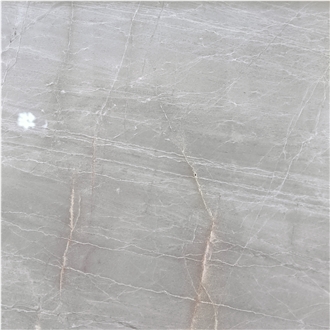
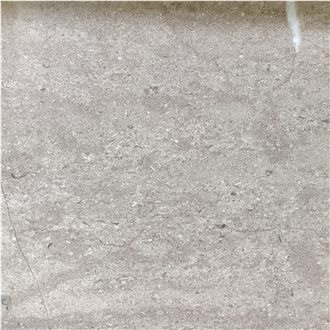
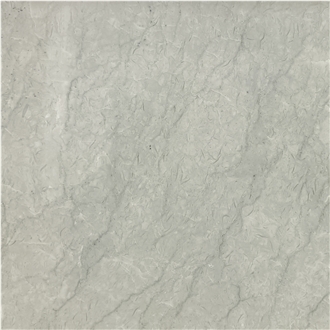
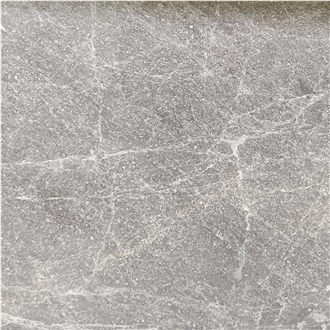
Tunisia
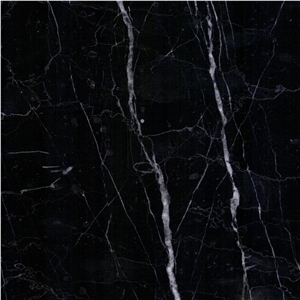
Can Tunisia's Ebano Marble be used exterior applications in very rainy climates?
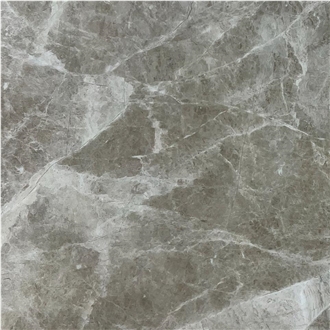
Tunisias Ebano Marble can generally be used for exterior applications in rainy climates. Marble is a natural stone and is known for its durability and resistance to weathering. However, it is important to consider a few factors before using it in such conditions:
1. Water absorption: Marble is porous to some extent, which means it can absorb water. In rainy climates, where there is constant exposure to rainfall, the marbles pores may absorb water, leading to potential problems like efflorescence, water staining, or freeze-thaw damage.
2. Slip resistance: Marble can be slippery, especially when wet. This can pose a safety hazard in external applications, such as walkways or pool decks, where people might slip and fall. To ensure adequate slip resistance, it is advisable to choose a finish with a textured surface or consider using anti-slip treatments.
3. Maintenance: Rainfall can also be accompanied by other elements like dirt, debris, or pollutants. Regular cleaning and maintenance may be required to keep the marble surface looking its best. This can include periodic sealing to enhance its resistance to moisture penetration and staining.
While Tunisian Ebano Marble can be used in exterior settings in rainy climates, it is essential to consider proper installation techniques, periodic maintenance, and surface treatments to mitigate potential issues caused by excess moisture or slippery conditions. Consulting with a professional stone supplier or contractor familiar with the specific marbles characteristics and your climate conditions is recommended to ensure a successful and long-lasting installation.