Iran
Can Iran's Dark Spring Marble be used exterior applications in cold climates?
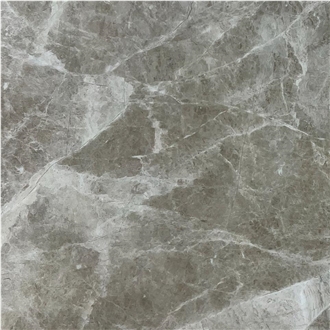
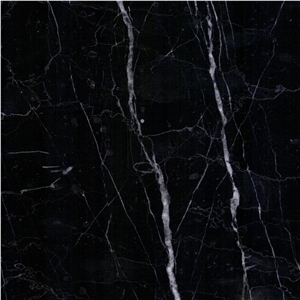
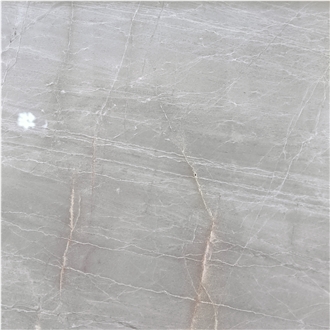
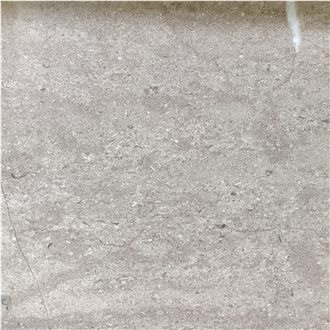
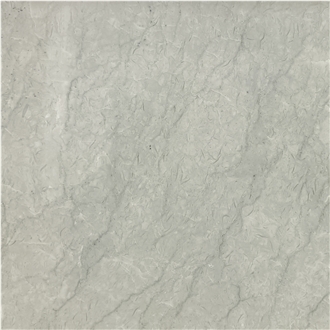
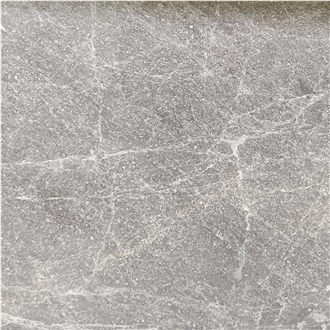
The Dark Spring marble from Iran is a material commonly used in various interior applications such as countertops, flooring, and wall cladding. While it is a beautiful and durable stone, it is not typically recommended for exterior use, especially in cold climates.
Marble is a natural stone that is relatively soft and porous compared to other materials like granite or quartzite. It is more prone to staining, scratching, and weathering when exposed to the elements. Cold climates, with freeze-thaw cycles, can be particularly challenging for marble.
Freeze-thaw cycles occur when water seeps into the pores of the stone and freezes. The expansion of the water as it freezes can cause the stone to crack or chip over time. This effect can be accelerated in cold climates with regular freezing and thawing.
Additionally, the porosity of marble makes it susceptible to water absorption, which can lead to discoloration, fading, and deterioration. In outdoor environments with frequent exposure to rain, snow, and moisture, the exterior marble may become weathered and lose its aesthetic appeal.
To ensure the longevity and durability of marble in exterior applications, it is generally recommended to select materials specifically designed for outdoor use, such as granite or quartzite. These stones are better equipped to withstand the harsh conditions of cold climates and are less likely to be damaged by freeze-thaw cycles or moisture absorption.
If you are looking for a natural stone suitable for exterior use in cold climates, it is advisable to consult with a stone supplier or a professional architect who can recommend materials with better resistance to weathering and temperature fluctuations.