
Post Your Needs

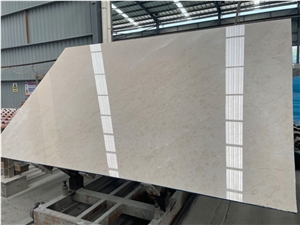
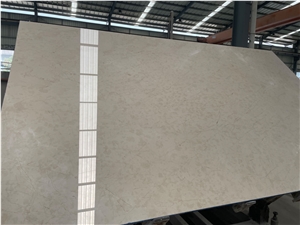
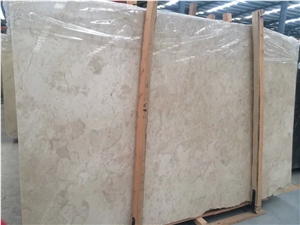
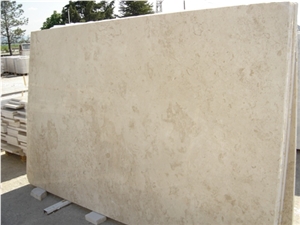
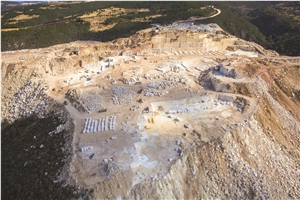
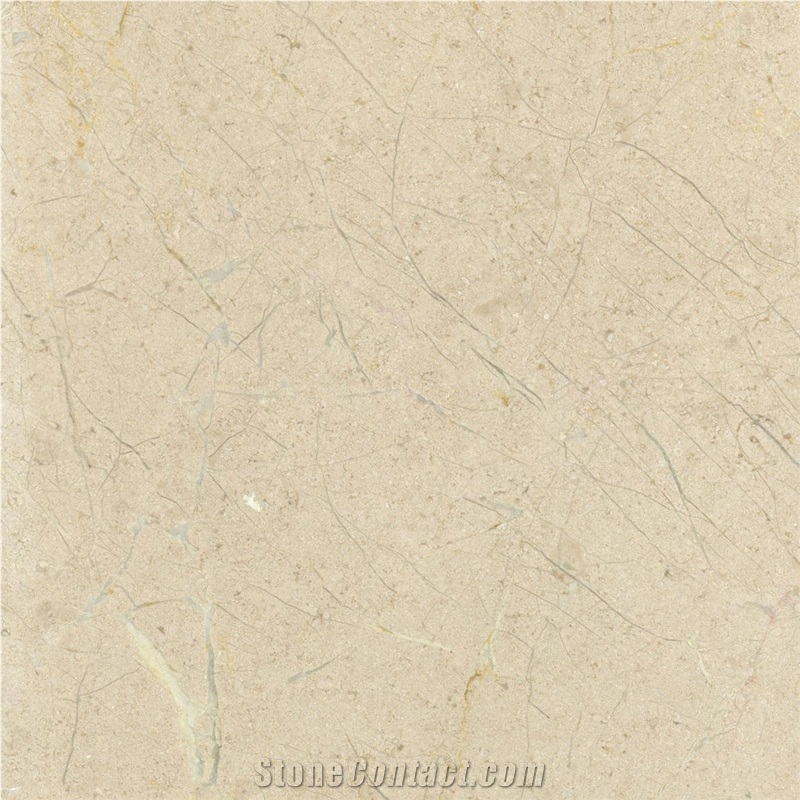
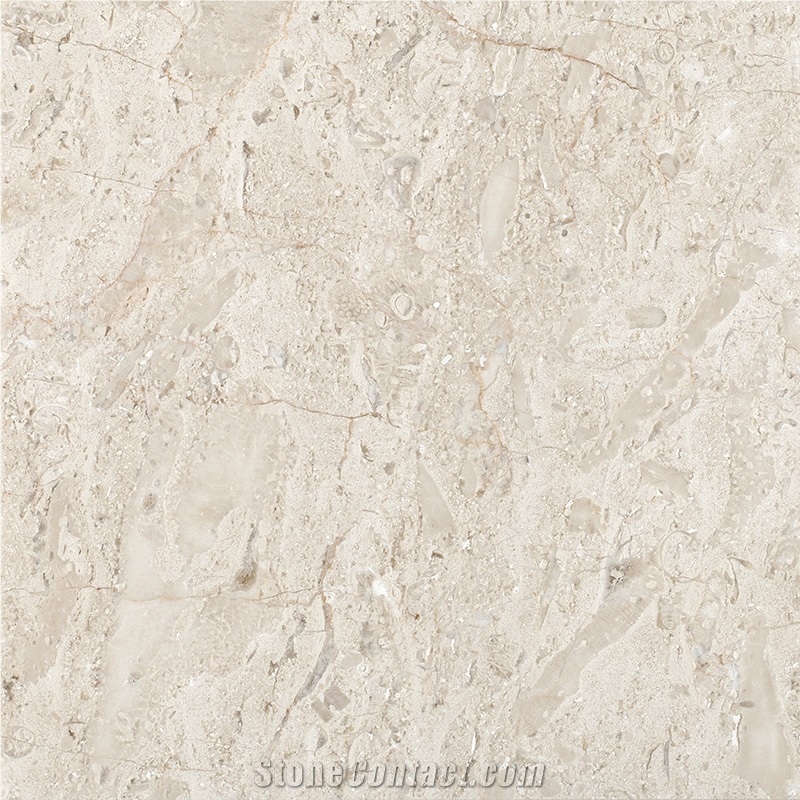
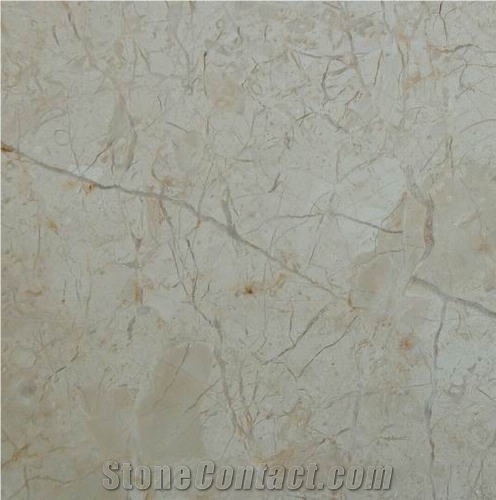
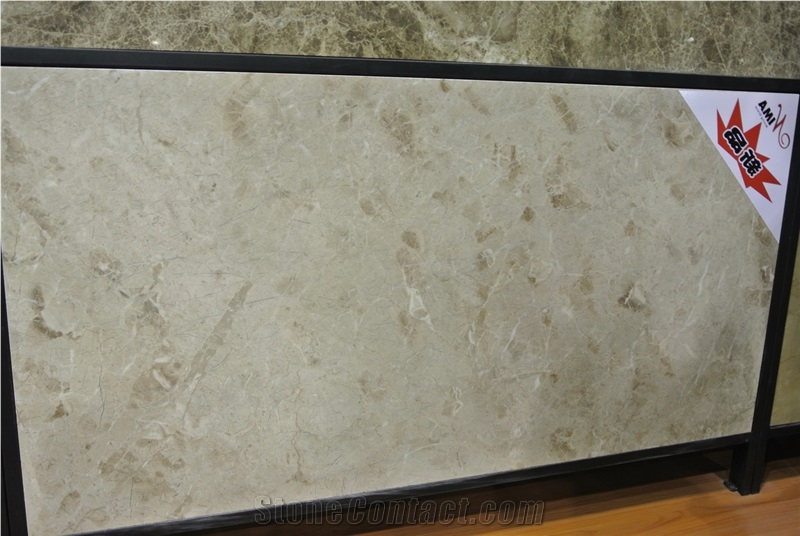
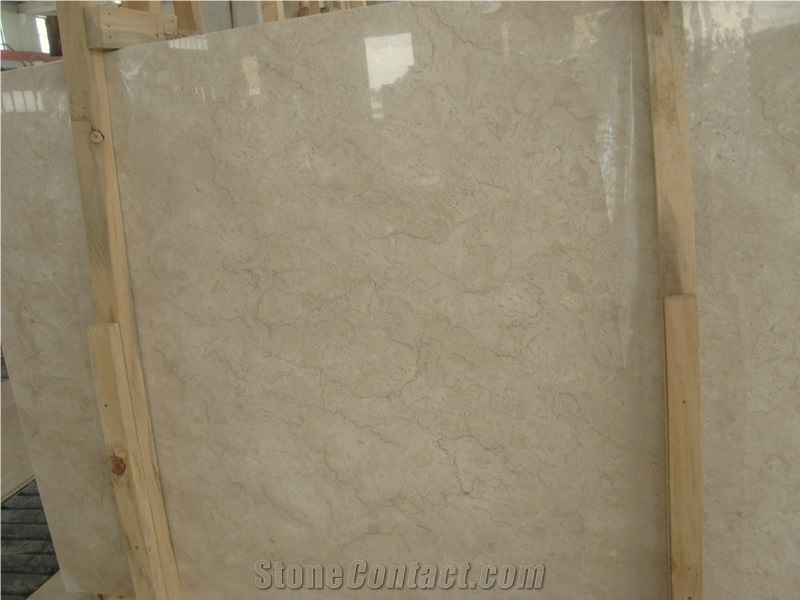
Crema Nova Marble

Beige - Marble

Turkey

About

Item Details

Material Type:
Marble
Origin:
Turkey (Bilecik)
Primary Color(s):
Beige
Recommended Usage:
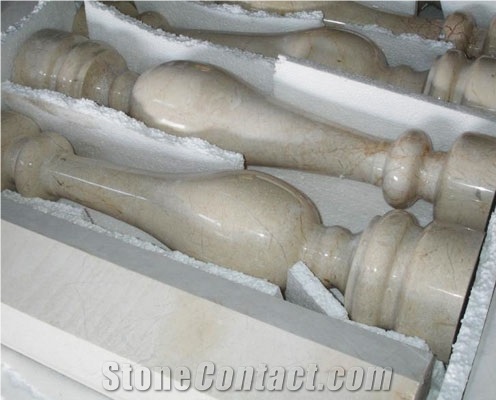
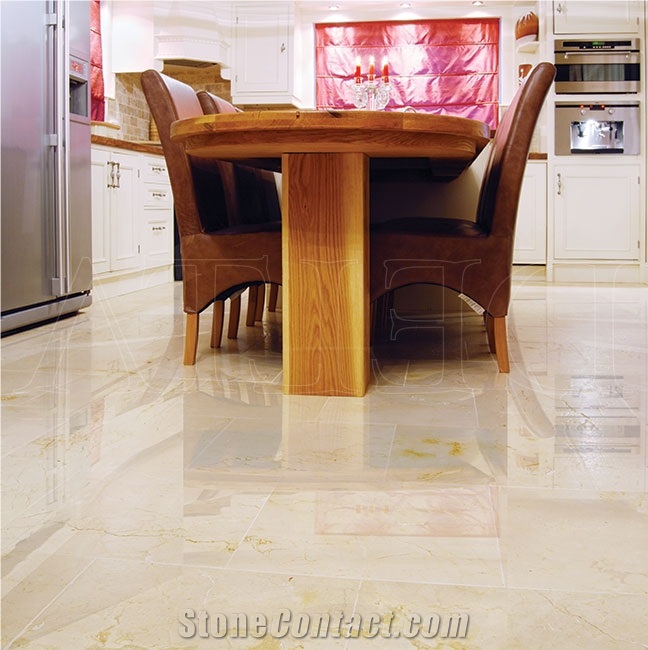
Kitchen and bathroom countertops, monuments, building stone, ornamental stone, stairs, interior, exterior wall and floor applications, mosaic, waterjet pattern, balustrades, fireplaces, columns, wall panels
Additional Names:
Bilecik Beige Marble, Crema Nuevo Marble, New Cream Marble, Royal Beige, Crema Nuova Marble, Bilecik Crema Nova Marble, in China stone market:新帝王(Xīn dìwáng), 诺娃(nuò wá), Crema Nova Marble
Finished Surface:
Polished,Bush Hammered,Tumbled,Brushed,Honed,Split,Machine Cut,Natural Surface,Sandblasted,Acid Washing,Combed,Leathered,Water Jet,Filled,Chiseled,Pickling

Testing

Water Absorption:
% Weight 0.14, % Vol. 0.79
Density:
2680 kg/m³
Flexural Strength:
30.8 - 31.4 MPa
Compressive Strength:
81.0 ~ 101.0 MPa

Description

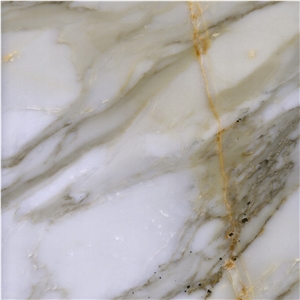
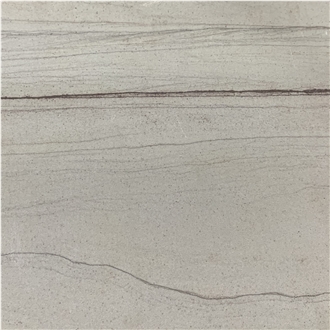
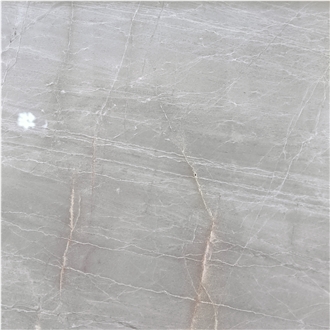
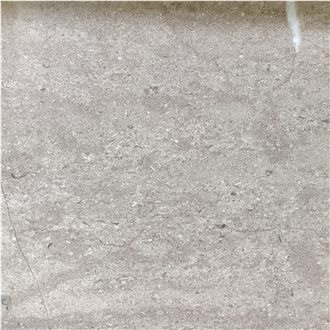
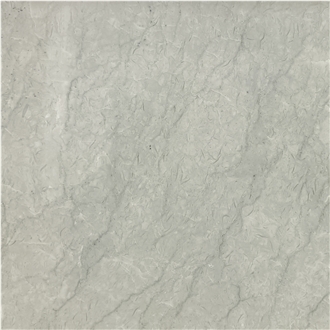
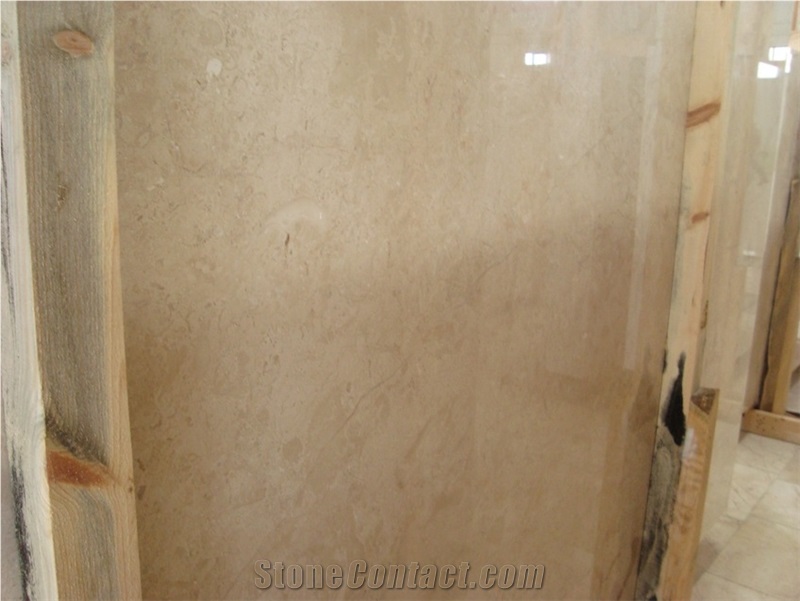
Crema Nova Marble, quarried in Turkey, is a beautiful natural stone known for its warm and creamy appearance. It is highly regarded for its elegant and versatile characteristics, making it a popular choice for various interior design applications.

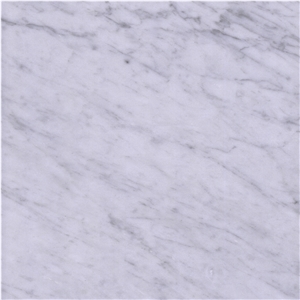
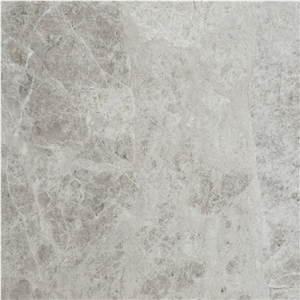
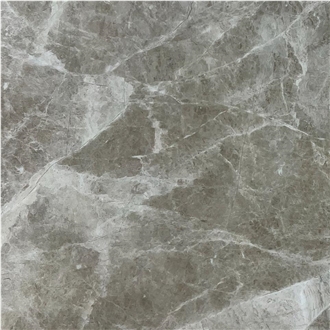
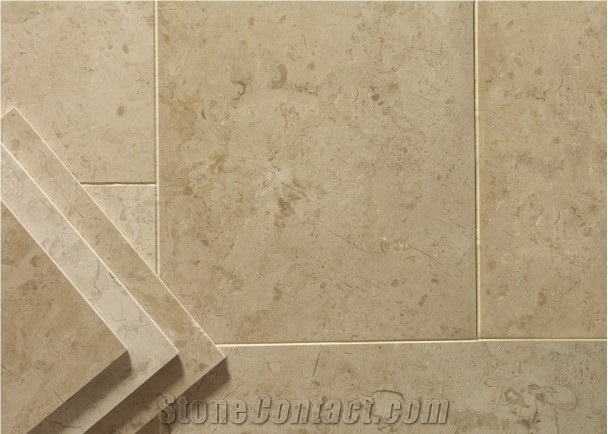
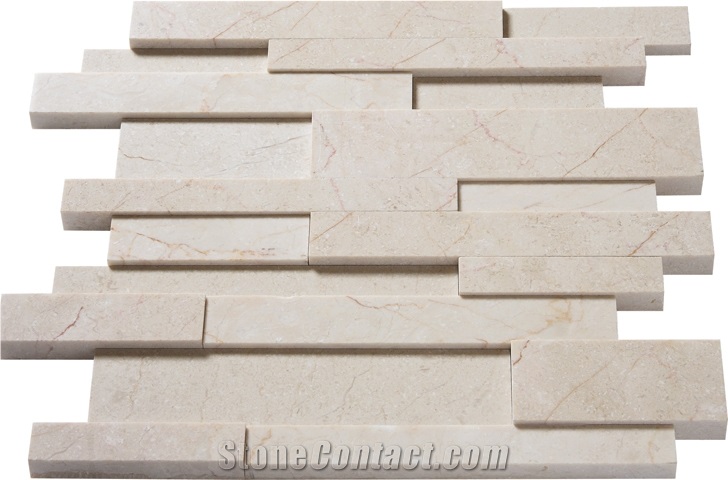
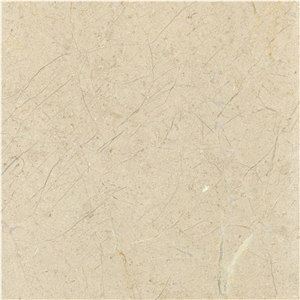
The primary color of Crema Nova Marble is a soft and inviting creamy beige, often with subtle variations and undertones. It exudes a sense of warmth and tranquility, creating a welcoming ambiance in any space. The marble may also feature occasional veins and specks in shades of light brown, grey, or even hints of pink, adding depth and visual interest to its overall look.

One of the distinctive qualities of Crema Nova Marble is its polished or honed finish. The polished surface enhances the marble's natural luster, creating a smooth and reflective appearance that exudes sophistication and elegance. The honed finish, on the other hand, provides a more matte and subdued look, showcasing the marble's natural beauty with a softer texture.

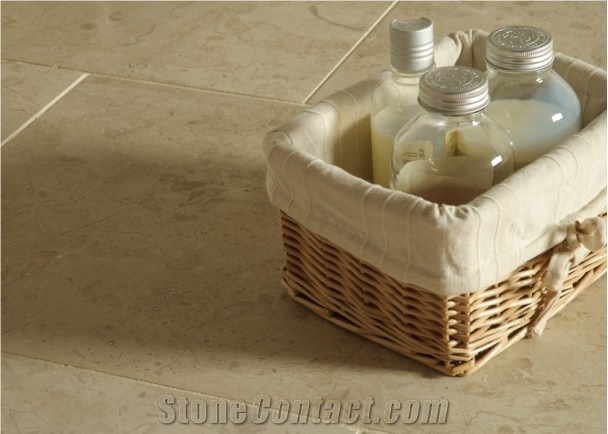
Crema Nova Marble is commonly used for countertops, flooring, wall cladding, and other decorative elements in residential and commercial spaces. Its neutral color palette and subtle veining allow it to seamlessly blend with a variety of design styles, from traditional to contemporary. Whether used in kitchens, bathrooms, or living areas, Crema Nova Marble brings a timeless and luxurious feel to any setting.

Proper care and maintenance are essential to preserve the beauty of Crema Nova Marble. It is recommended to clean the marble regularly with a mild, pH-neutral cleanser and avoid using abrasive or acidic cleaners that can damage the surface. Additionally, sealing the marble periodically can help protect it from stains and maintain its pristine appearance.

In summary, Crema Nova Marble from Turkey is a highly desirable natural stone renowned for its creamy beige color, delicate veining, and versatile nature. With its warmth and elegance, it adds a touch of sophistication and refinement to various interior design projects, making it a favored choice for discerning homeowners and designers alike.

FAQ

How do I waterproof Crema Nova Marble terrace floors?

To waterproof Crema Nova Marble terrace floors, you can follow these steps: 1. Clean the floor: Start by thoroughly cleaning the floor to remove any dirt, dust, or grime that may affect the effectiveness of the waterproofing treatment. Use a mild cleaning solution and a soft brush or mop to clean the surface. 2. Patch any cracks or holes: Repair any cracks or holes in the marble terrace floor using an appropriate filler or patching compound. Follow the manufacturers instructions for the specific product you are using. 3. Choose a suitable waterproofing sealer: Select a high-quality waterproofing sealer designed specifically for natural stone surfaces like marble. Ideally, look for a sealer that is breathable, which means it allows vapor transmission and prevents moisture buildup under the surface. 4. Apply the sealer: Follow the manufacturers instructions for the application of the sealer. Most sealer products require applying the sealer evenly with a brush or roller, allowing it to penetrate the marble surface, and then wiping off any excess sealer after a certain time. Pay extra attention to the seams and grout lines, as they are more susceptible to water damage. 5. Allow drying and curing: Once the sealer has been properly applied, let it dry and cure according to the manufacturers instructions. This will usually take a few hours or days, depending on the product. 6. Test for effectiveness: After the sealer has cured, perform a water test to ensure that the floor is effectively waterproofed. Sprinkle some water on different areas of the marble floor and observe if it beads up and remains on the surface without being absorbed. If water is absorbed or stains the marble, you may need to reapply the sealer in those areas or try a different product. 7. Regular maintenance: To maintain the waterproofing, regularly clean the marble floors with a pH-neutral stone cleaner and avoid using abrasive materials or harsh chemicals that can degrade the sealer over time. Reapply the sealer as recommended by the manufacturer or when you notice water is no longer beading up on the surface. Note: If you are unsure about the best sealer or process for your specific marble terrace, it is recommended to consult with a professional or contact the manufacturer of the marble for specific guidance.
Read question details

How can I drill a hole in place for the faucet outlet in the Crema Nova Marble countertop?

Drilling a hole in place for the faucet outlet in a Crema Nova Marble countertop requires careful planning and the right tools. Here is a step-by-step guide to help you: 1. Safety first: Put on safety glasses and gloves to protect yourself during the process. 2. Measure and mark: Measure and mark the exact location where you want to place the faucet outlet on the countertop. Use a pencil or masking tape to mark the spot clearly. 3. Choose the right drill bit: Select a diamond-tipped or carbide drill bit specifically designed for drilling through marble or stone surfaces. The size of the drill bit should match the diameter of your faucet outlet. 4. Prep the area: Make sure the countertop is clean and clear of any objects that might obstruct the drilling process. Lay a piece of scrap wood or plywood underneath the marked area to prevent chipping or cracking. 5. Start drilling: Attach the appropriate drill bit to your power drill. Begin drilling slowly and steadily at a low speed to avoid heat buildup. Apply gentle pressure while keeping the drill perpendicular to the countertop surface. Use a continuous spraying of water or a constant flow of water to cool down the drill bit and prevent damage to the marble. 6. Go slow and steady: Gradually increase the drill speed as you continue to drill deeper. Take short breaks to let the drill bit cool down if necessary. Slow and steady progress is crucial to prevent overheating and cracking the marble. 7. Monitor the progress: Periodically stop drilling to check the depth and ensure you are on track. Its better to go too slowly and double-check rather than rushing and making an irreversible mistake. 8. Complete the hole: Once you reach the desired depth and drill through the countertop, slow down the drilling speed to prevent any chipping around the hole edges. 9. Smooth the edges: Use sandpaper or a diamond file to smooth out any rough edges around the drilled hole. This will provide a clean finish for the faucet installation. Remember, marble is a delicate material, so its crucial to handle it with care. If youre not comfortable performing the task yourself, its recommended to hire a professional stone fabricator or installer to ensure the job is done correctly and without any potential damage to your countertop.
Read question details

What type of abrasive should I use to polish the Crema Nova Marble surface?

To polish a Crema Nova Marble surface, you should generally use a fine-grit abrasive. This can be in the form of diamond polishing pads or sandpaper with a grit range of 800 to 3000. The specific grit will depend on the condition of the marble and the level of shine you want to achieve. Its recommended to start with a lower grit and gradually work your way up to higher grits for a smooth and polished finish.
Read question details

What type of cutting blade should I use to cut 2cm thick Crema Nova Marble?

To cut a 2cm thick Crema Nova Marble, it is recommended to use a wet diamond cutting blade. Diamond blades are designed to offer clean and precise cuts through hard materials like marble. The wet cutting method helps to keep the blade cool and lubricated, reducing the risk of overheating and damage to the blade.
Read question details

How to clean smoke stains on a Crema Nova Marble fireplace?

To clean smoke stains on a Crema Nova Marble fireplace, follow these steps: 1. Start by preparing the cleaning solution. Mix a small amount of mild dish soap or marble cleaner with warm water in a bucket. Avoid using acidic or abrasive cleaners as they can damage the marble. 2. Dip a soft cloth or sponge into the cleaning solution and wring out any excess liquid. 3. Gently wipe the smoke stains on the marble surface using the damp cloth or sponge. Apply light pressure and make small circular motions to lift the stains. 4. If the smoke stains are stubborn or leave residue, create a paste by mixing baking soda and water. Apply the paste to the stained areas and let it sit for a few minutes to allow the baking soda to absorb the stains. 5. Use a soft toothbrush or nylon brush to gently scrub the stained areas with the baking soda paste. Be cautious not to scratch or damage the marble surface. 6. Rinse the marble fireplace with clean water using a separate cloth or sponge. Make sure to remove any traces of cleaning solutions or baking soda. 7. Dry the marble thoroughly with a clean towel to prevent water spots or streaks from forming. 8. If the smoke stains persist, you may need to consult a professional marble cleaner or stone restoration specialist for further assistance. Remember to always test any cleaning solution or method on a small, inconspicuous area of the marble before applying it to the entire surface to ensure it doesnt cause any damage or discoloration.
Read question details

What is a protective sealant for Crema Nova Marble floor tiles?

There are several types of protective sealants that can be used for Crema Nova Marble floor tiles. Some popular options include: 1. Natural Stone Sealers: These sealants are specifically designed for use on natural stone surfaces like marble. They help protect the stone from stains and damage while enhancing its natural color and appearance. 2. Impregnating Sealers: These sealants penetrate deep into the marble to provide long-lasting protection against stains and moisture. They are typically water-based and do not alter the appearance of the stone. 3. Topical Sealers: These sealants create a protective layer on the surface of the marble, acting as a barrier against stains, water damage, and scratches. They can provide a glossy or matte finish, depending on the desired look. When choosing a protective sealant for Crema Nova Marble floor tiles, it is important to consider the specific requirements of the stone and the level of protection desired. It is recommended to consult with a professional or the manufacturer of the marble tiles for the best sealant option and application method.
Read question details

Does sealing Crema Nova Marble make it slippery?

Sealing Crema Nova Marble should not make it slippery. In fact, the primary function of sealing marble is to protect it from stains and moisture, rather than altering its natural texture or making it slippery. However, it is important to note that the level of slipperiness on any surface is also determined by other factors such as the finish (polished, honed, etc.) and the level of maintenance.
Read question details

How can I make Crema Nova Marble stairs not slippery?

There are a few ways you can make Crema Nova Marble stairs less slippery: 1. Apply an anti-slip treatment: There are several products available on the market specifically designed for marble surfaces. These treatments contain chemicals that alter the surface texture of the marble, providing more traction and reducing slipperiness. Follow the instructions provided by the manufacturer for application and reapplication. 2. Use non-slip stair treads: Non-slip stair treads are adhesive strips or mats that can be applied directly to each step. These treads have a textured surface that creates friction and helps prevent slipping. They come in various sizes and are easy to install and remove if needed. 3. Install handrails: Adding handrails to your marble stairs provides an extra level of safety and stability. Hold onto the handrails while ascending or descending the stairs to maintain balance. 4. Keep the stairs dry: Make sure the stairs are dry at all times as moisture can increase the slipperiness. Use absorbent mats or rugs at the bottom and top of the stairs to prevent water or moisture from being tracked onto the steps. 5. Clean spills immediately: If any liquid spills onto the stairs, clean it up immediately to prevent slipping accidents. Wipe up the spill with a dry cloth or paper towel, then clean the area with a mild marble-friendly cleaner. 6. Take caution with footwear: Avoid wearing shoes with smooth soles on marble stairs, as they can increase the risk of slipping. Opt for shoes with rubber soles or ones specifically designed for slip resistance. Remember to regularly inspect and maintain the stairs to ensure they remain safe and slip-resistant.
Read question details

Which is better Crema Nova Marble or granite for stairs?

Choosing between Crema Nova Marble and granite for stairs depends on various factors such as personal preference, style, durability, and maintenance requirements. Crema Nova Marble is known for its elegant and luxurious appearance. It features a creamy white background with subtle veins of beige and gray, creating a timeless and sophisticated look. Marble tends to be a softer stone compared to granite, and it is more prone to scratching, staining, and etching. Therefore, for high-traffic areas like stairs, it may require more maintenance to keep its pristine appearance. On the other hand, granite is an extremely durable and hardwearing natural stone. It comes in a wide range of colors, patterns, and finishes, offering versatility in design options for stairs. Granite is known for its resistance to scratches, heat, and stains, making it a practical choice for stairs subjected to heavy foot traffic. Ultimately, the choice between Crema Nova Marble and granite for stairs comes down to personal preference and the desired balance between aesthetics and durability. It is advisable to consult with a professional or supplier who can provide more information on maintenance requirements and discuss your specific needs to make an informed decision.
Read question details

What is the thickness of Crema Nova Marble for stairs?

The thickness of Crema Nova Marble for stairs can vary depending on individual preferences and specifications. However, a common thickness for marble stair treads and risers is typically around 2 centimeters (3/4 inch) or 3 centimeters (1 1/4 inch). It is important to consult with a professional marble supplier or contractor for specific recommendations and requirements based on your project.
Read question details

stone touch Technical L.L.C

plz you can tell me about the 2cm Granite Calculation of LOD

Reply

Products & Prices

Hot Marble

New Marble

Post Your Request

The request includes:
  1. surface finished, size
  2. quantity required