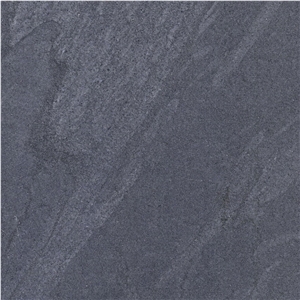
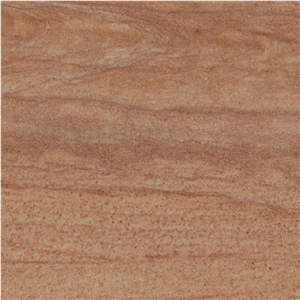
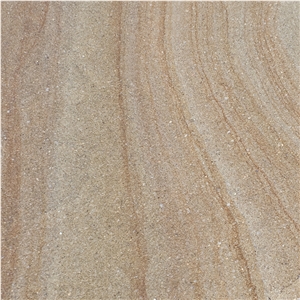
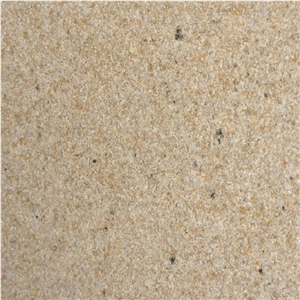
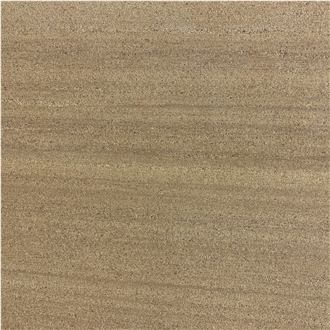
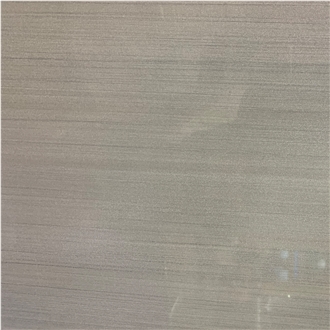
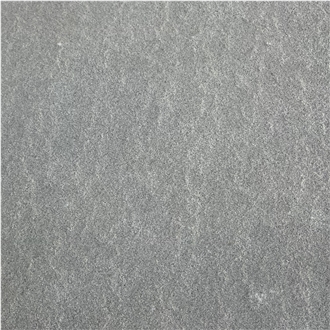
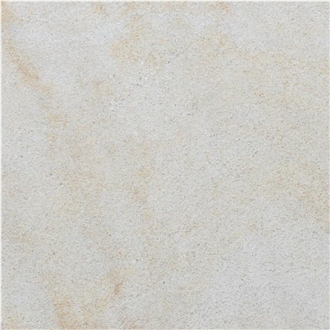
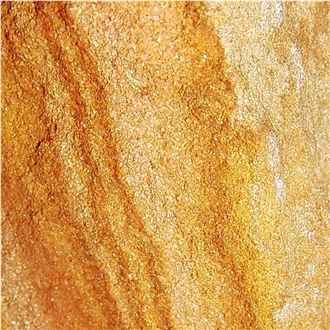
Chestnut Sandstone is commonly used in exterior applications due to its durability and natural beauty. However, its suitability for humid climates depends on various factors, including the porosity and weathering characteristics of the specific type of Chestnut Sandstone being considered.
In general, sandstone is known for its ability to withstand diverse climatic conditions, including humid environments. It is resistant to weathering and can handle moisture to some extent. However, its important to note that excessive moisture and humidity can impact the long-term performance of any stone.
To ensure the suitability of Chestnut Sandstone for exterior use in very humid climates, it is recommended to consider the following factors:
1. Select a dense and low-porosity Chestnut Sandstone variety: Less porous stone will have a lower absorption rate and be less prone to water and moisture damage.
2. Proper sealing and maintenance: Applying a high-quality impregnating sealer can help enhance the stones resistance to moisture. Regular maintenance, including resealing as needed, is important to maintain the stones integrity.
3. Good installation practices: Proper installation techniques and drainage systems are essential in humid climates to ensure water doesnt accumulate and cause damage to the stone.
4. Periodic cleaning: Regular cleaning of the stones surface can prevent the growth of algae or moss, which can be more common in humid environments.
Considering these factors and consulting with a stone professional or supplier can help determine the specific Chestnut Sandstone type that would be most suitable for exterior use in very humid climates.


 United States