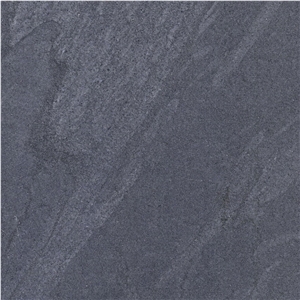
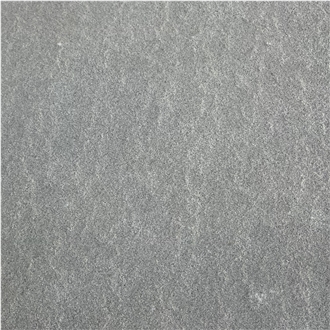
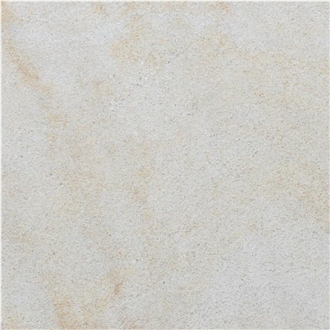
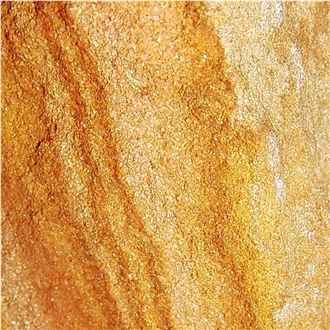
Caithness Stone, also known as Caithness Siltstone, is a remarkable and unique material exclusively found in the far north of Scotland. Created over 400 million years ago, this stone exhibits exceptional density and hardness, comparable to granite. Renowned for its strength and durability, Caithness Stone is a dark grey sedimentary rock, presenting as extremely fine-grained and thinly laminated. It may also exhibit siliceous characteristics.
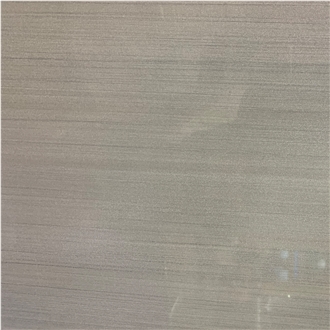
This distinctive stone, with an ash grey hue, showcases a fresh and timeless aesthetic. Its fine-grained composition places it in the silt range, making it finer than sandstone yet coarser than claystones. Caithness Stone's geological composition, including its laminated structure, contributes to its unique appearance.
Quarried in the Caithness region of north Scotland, this stone is prized for its durability and versatility. Often utilized in construction and architectural applications, Caithness Stone is employed for various purposes, including flooring, wall cladding, and other design elements. Its historical origin and enduring qualities make it a sought-after choice, connecting contemporary spaces with the ancient geological heritage of the far north of Scotland.


 United Kingdom