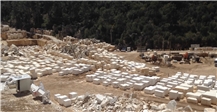
Quarried in Sierra de Ronda, Málaga, Andalusia, southern Spain — a region known for its high-quality natural stones with rich geological diversity.
Appearance & Texture
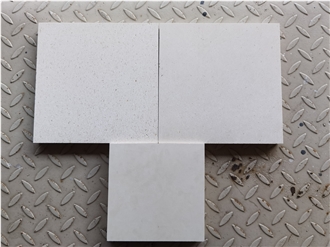
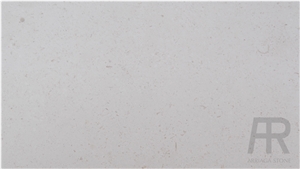
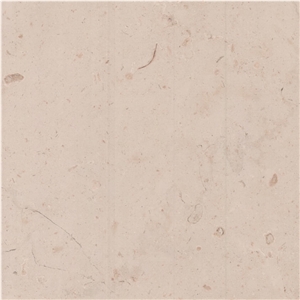
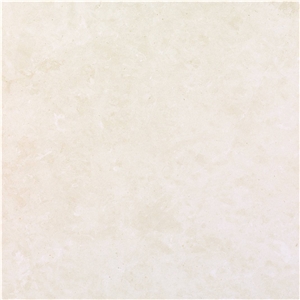
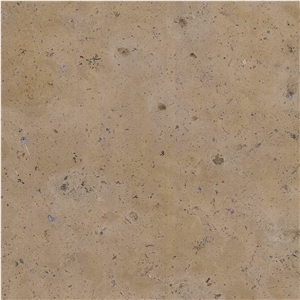
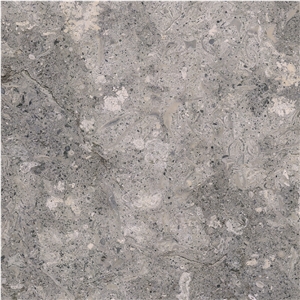
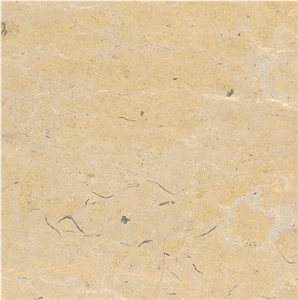
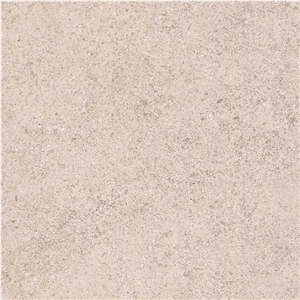
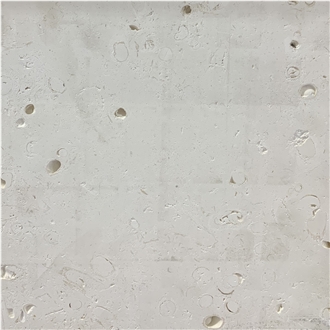
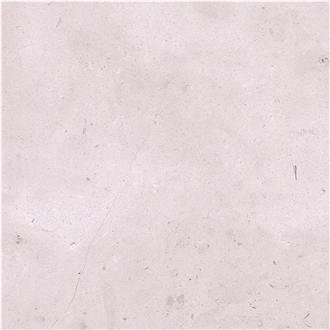
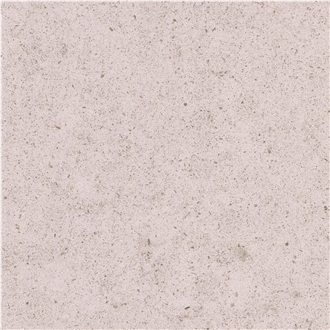
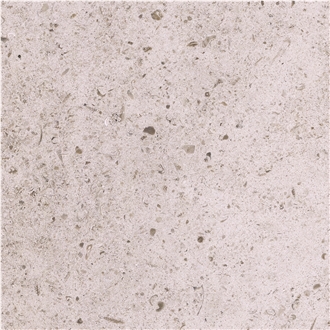
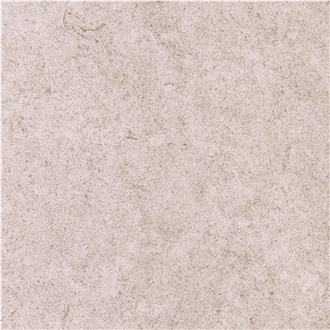
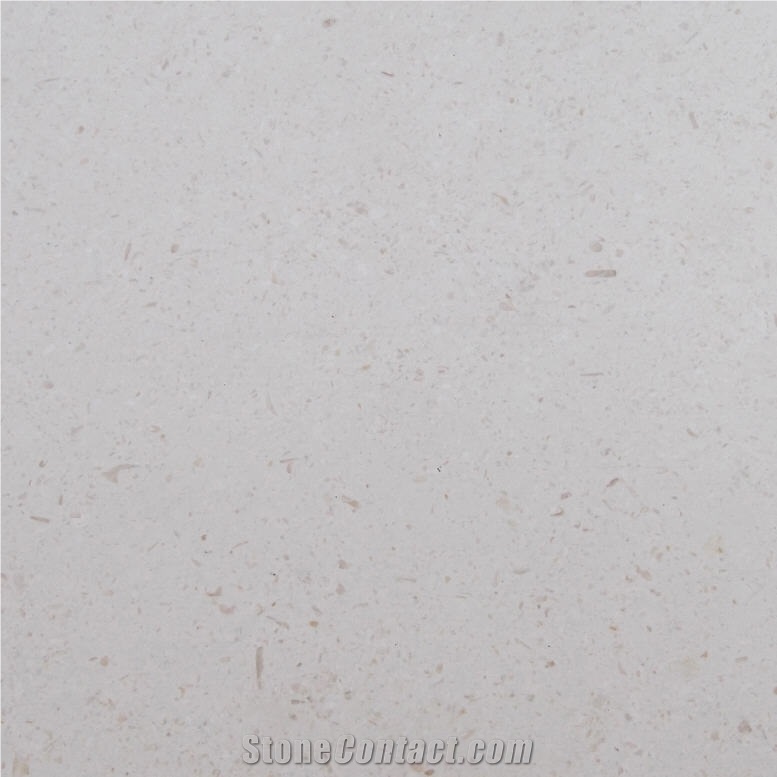
Color: Ivory-white base color with subtle creamy tones, giving a soft and elegant appearance.
Grain Size: Fine to medium grain, providing a smooth yet tactile surface.
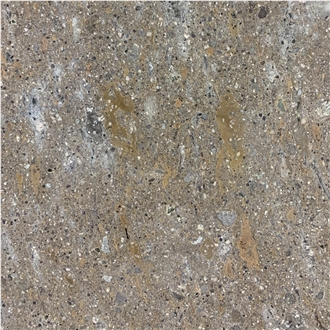
Pattern: Features small fossil segments—visible fossilized marine organisms embedded within the stone—which add natural texture and visual interest, making each slab unique.
Texture: Dense, compact, and slightly porous with a natural matte surface when unpolished; fine grains contribute to a smooth feel.
Visual Appeal: The fossil inclusions create delicate patterns, often scattered, contributing to a refined, natural decorative effect.
Physical & Mechanical Properties
- Compressive Strength: ~ 65 - 75 MPa
- Water Absorption: ~ 1.5 - 4 % by weight
- Density: ~ 2.65 - 2.7 g/cm³
- Mohs Hardness: 3 - 4 (relative scale)
- Flexural Strength: ~ 8 - 14 MPa
Note: These values can vary based on specific quarry conditions and sample testing.
Chemical & Mineral Composition (approximate % by weight)
- Calcium Carbonate (CaCO3): 85 - 95%
- Silica (SiO2): 1 - 4%
- Clay Minerals: 1 - 3%
- Iron Oxides (Fe2O3): 0.5 - 1.5%
- Organic Matter: Trace
- Other Minerals: Trace
Usage
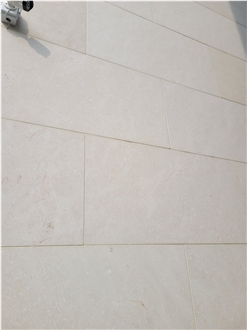
- Interior flooring and wall cladding
- Bathroom surfaces (walls, vanities, shower surrounds)
- Fireplace surrounds and decorative features
- Kitchen countertops (with proper sealing)
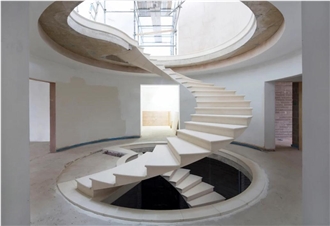
- Architectural details and decorative facades
- Furniture tops and tiles for both residential and commercial applications
Its elegant pale tone and subtle fossil patterns make it ideal for classical, Mediterranean, or contemporary designs.
Maintenance
Requires sealing to reduce porosity and protect against stains and moisture infiltration. Clean using pH-neutral stone cleaners; avoid acidic or abrasive products that can damage the surface. Resealing is recommended every 1-2 years depending on exposure and wear. Regular dusting or gentle cleaning to maintain appearance. Suitable for indoor use and protected outdoor applications.
Cutting Sizes (Typical)
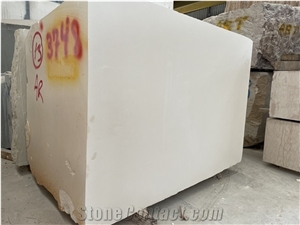
Slabs: Usually offered in 2 cm and 3 cm thickness. Standard slab dimensions typically range from 200-320 cm length x 100-180 cm height.
Tiles: Available in common sizes such as 30x30 cm, 40x40 cm, 60x60 cm, and customizable dimensions on request.
Surface Finish Options
Polished: High gloss finish enhancing color and fossil detail, ideal for interior feature walls and countertops.
Honed: Matte or satin finish providing a softer look with less reflection, often preferred for flooring.
Tumbled: Textured and aged appearance with rounded edges, suitable for rustic or antique aesthetics.
Brushed: Slightly textured surface with natural feel and slip resistance.
Natural/Raw: Minimal processing for a rough, natural stone look.


 Spain
Spain