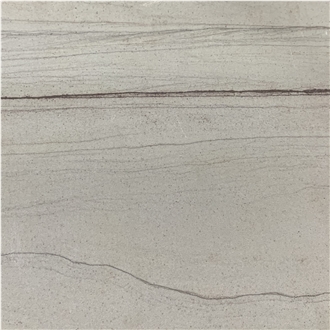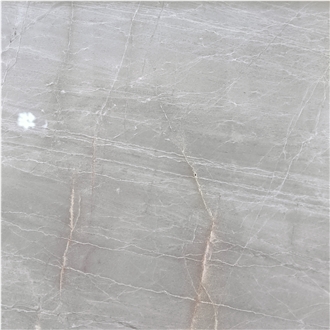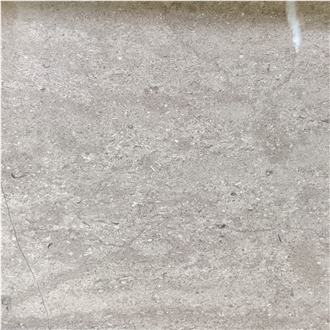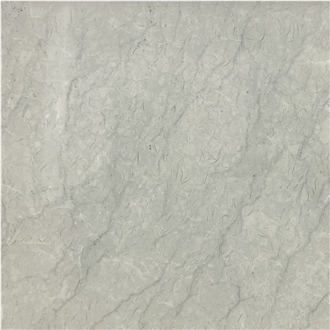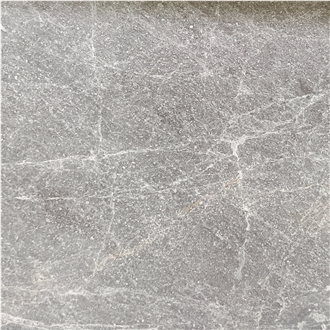
 Greece
 Why not to use marble for kitchen countertops?
There are a few reasons why some people might choose not to use marble for kitchen countertops:
1. Porous nature: Marble is a natural stone and is porous, meaning it can soak up liquids and stains more easily compared to other countertop materials like granite or quartz. This makes marble more prone to etching, staining, and damage from acidic substances like lemon juice, vinegar, or wine. Regular sealing and maintenance are required to protect the marble surface and maintain its appearance.
2. Scratching and chipping: Marble is relatively soft compared to other countertop materials, such as granite or quartz. It is more prone to scratching and chipping from sharp objects like knives or heavy pots and pans. This can lead to the surface becoming uneven, which may impact its functionality.
3. Cost: Marble can be quite expensive compared to other countertop materials. Due to its premium nature and aesthetics, the cost of marble countertops can be higher than alternatives like granite or quartz.
4. High maintenance: As mentioned earlier, marble requires regular sealing and maintenance to prevent staining, etching, and damage. If not properly cared for, the surface can lose its shine and develop a weathered look over time.
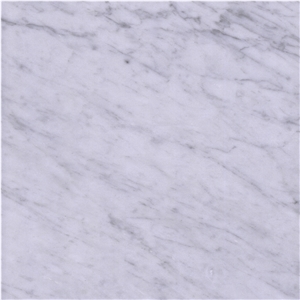
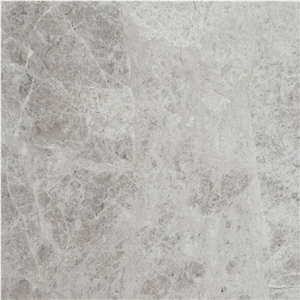
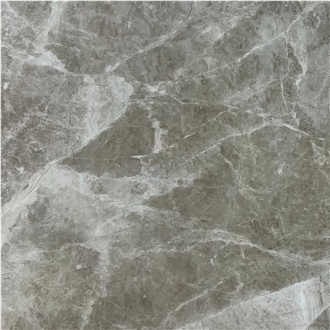
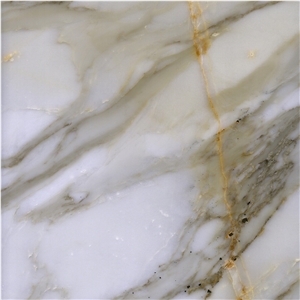
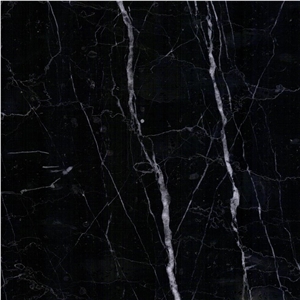
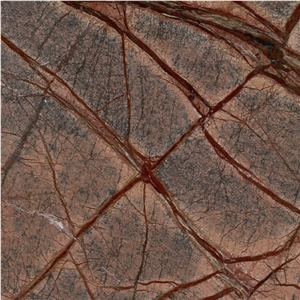
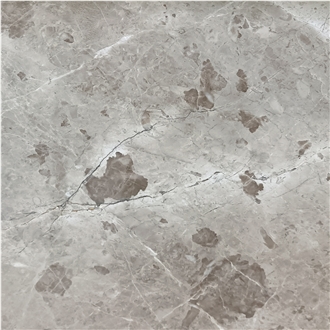
5. Limited color options: Marble typically comes in shades of white, gray, or beige. While some people appreciate the classic and elegant appearance of marble, those seeking a wider variety of colors and patterns may prefer other materials for their kitchen countertops.
Ultimately, the decision to use marble for kitchen countertops depends on personal preference, willingness to maintain the surface, and budget considerations.