Post Your Needs

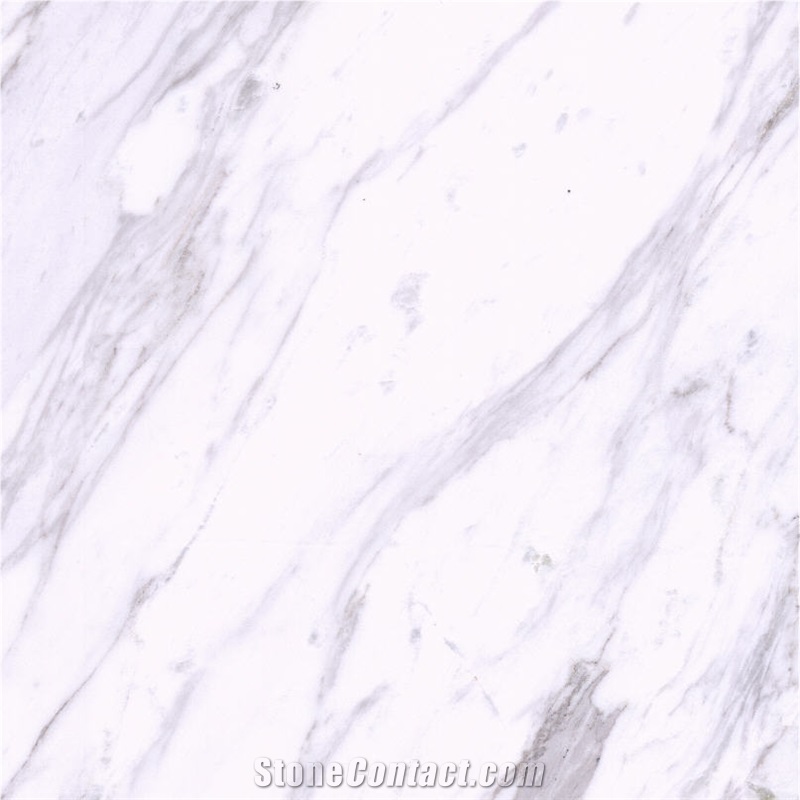
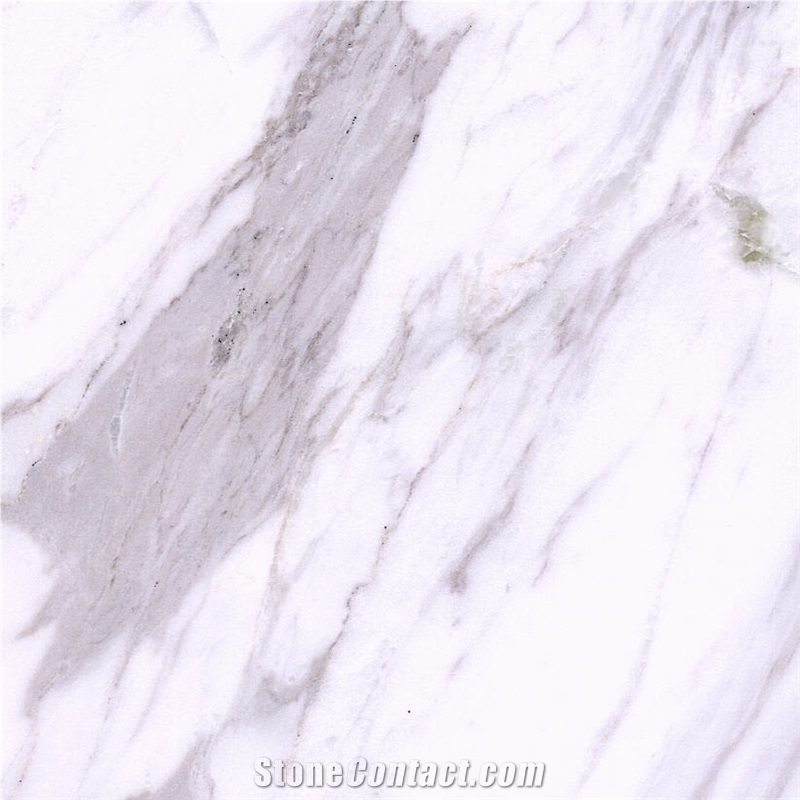
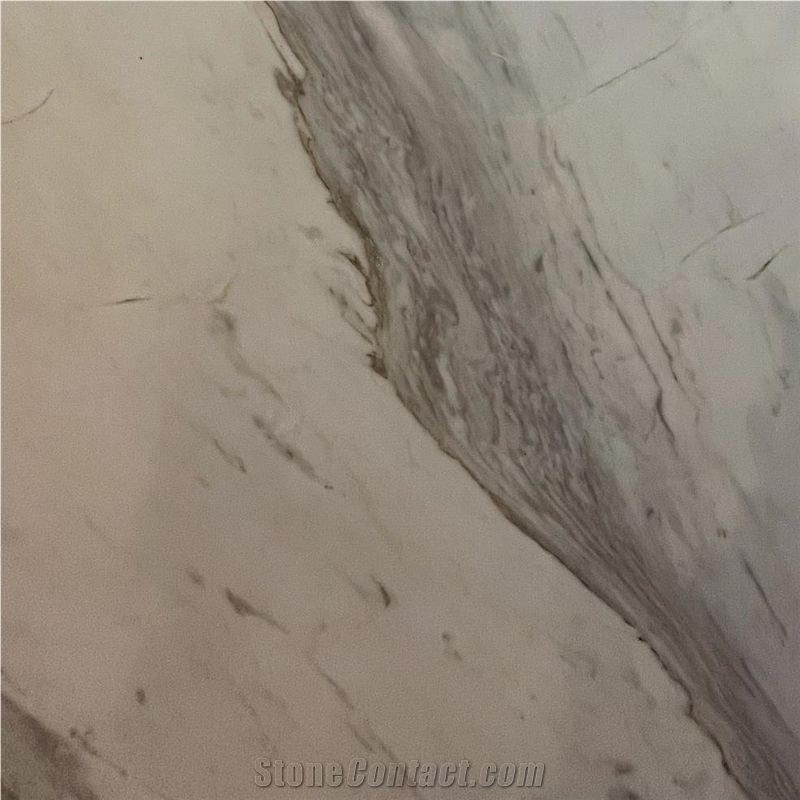
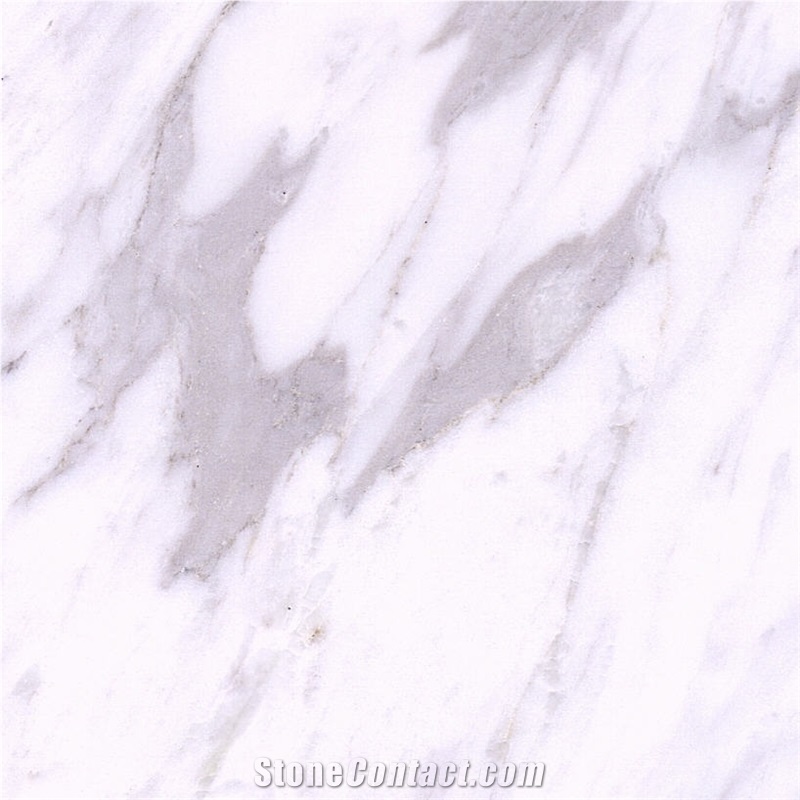
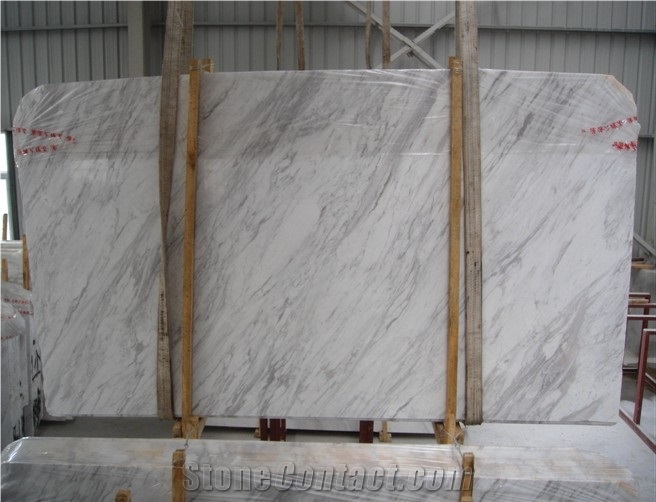
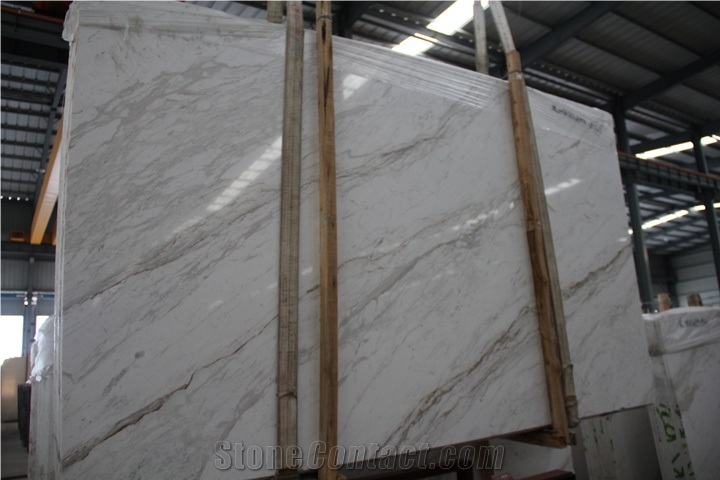
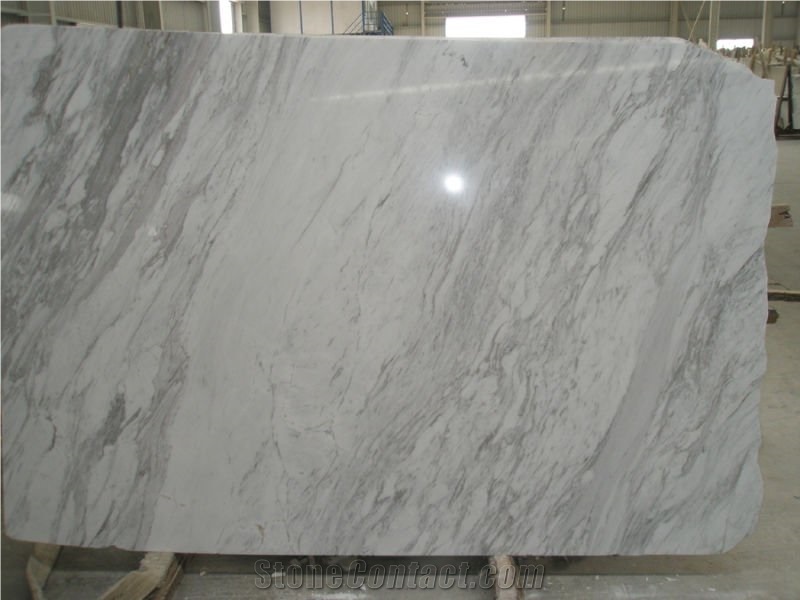
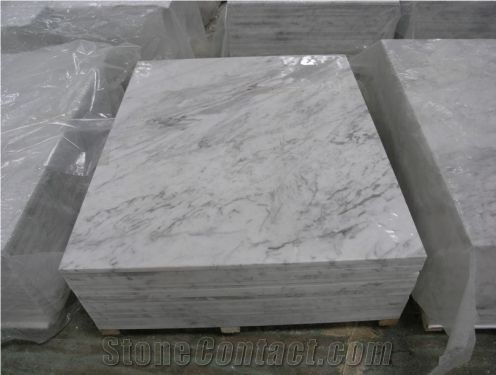
Volakas Marble

About

Material Type:
Marble
Origin:
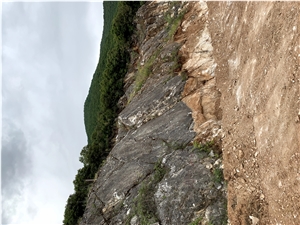
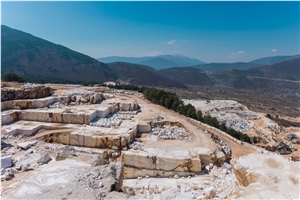
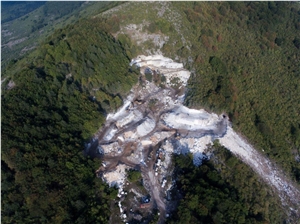
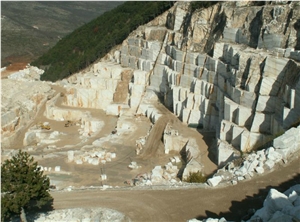
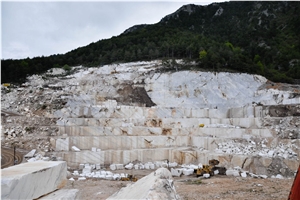
Greece (Livaderon, Xiropotamos, Drama, East Makedonia, North-East of Greece)
Primary Color(s):
White
Recommended Usage:
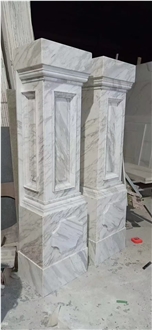
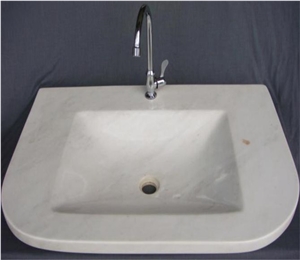
Building stone, countertops, sinks, monuments, pool coping, sills, ornamental stone, interior, exterior, wall, floor, paving, mosaic
Additional Names:
White Volakas Marble, Branco Volakas Marble, Dramas White Marble, Macedonian White Marble, Volakas Drama White Marble, Volakas Dramas White Marble, Volakas White Marble, Volaks Marble, Jazz White Marble, in China stone market: 爵士白(Juéshì bái), Volakas Marble
Finished Surface:
Polished,Bush Hammered,Tumbled,Brushed,Honed,Split,Machine Cut,Natural Surface,Sandblasted,Acid Washing,Combed,Leathered,Water Jet,Filled,Chiseled,Pickling

Testing

Water Absorption:
0.19 by weight %
Density:
2825 kg/m3
Flexural Strength:
6.0 - 8.87 MPa
Compressive Strength:
137.34- 140.0 MPa

Description

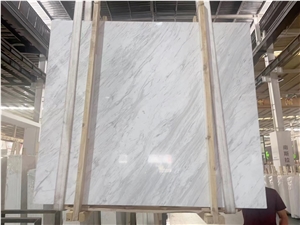
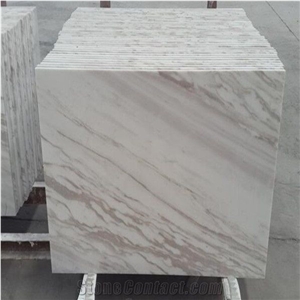
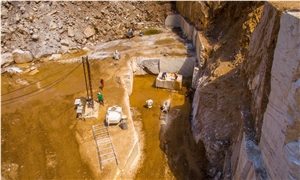
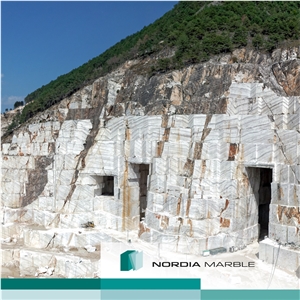
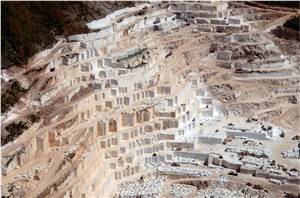
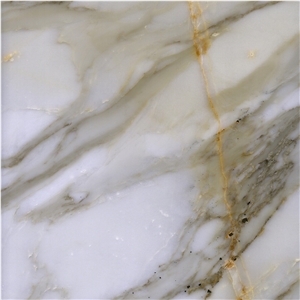
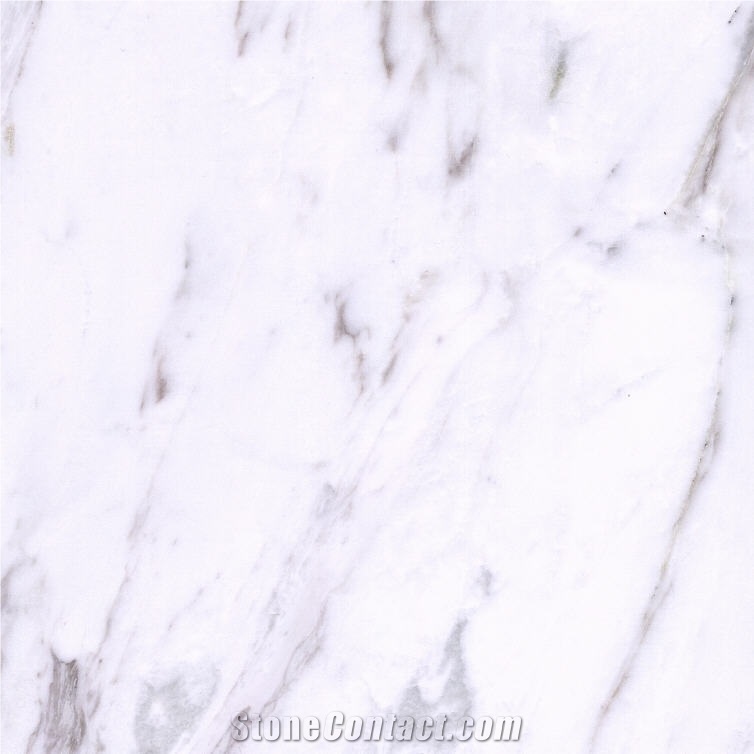
Volakas Marble is a high-quality natural stone that originates from Greece. It is widely recognized and appreciated for its striking white background and distinct gray veining, which create a beautiful and elegant aesthetic.

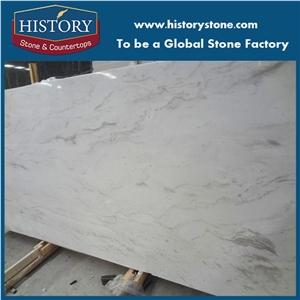
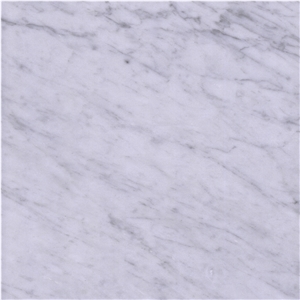
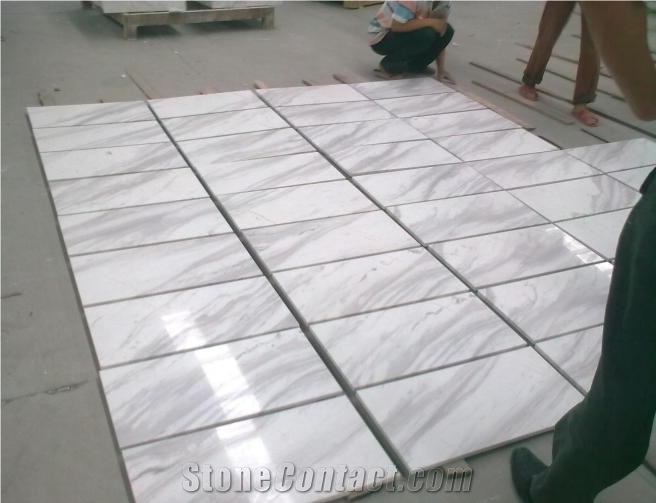
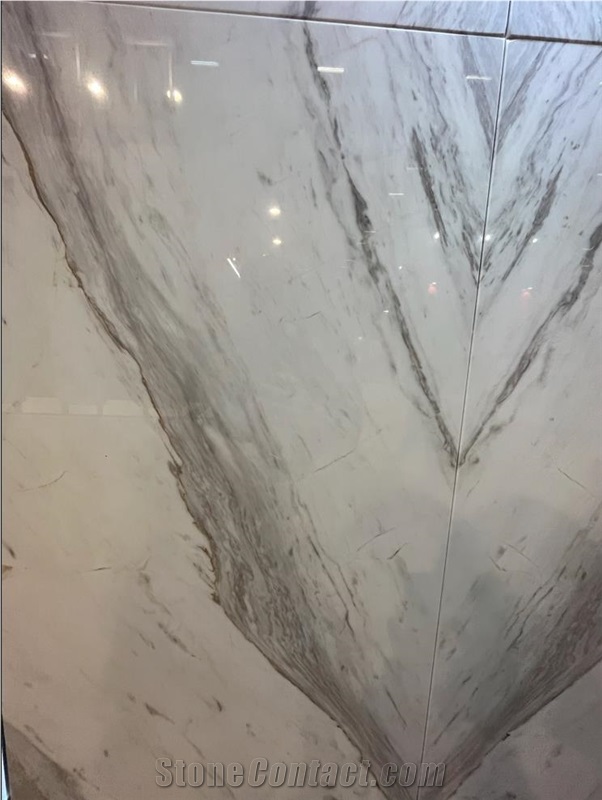
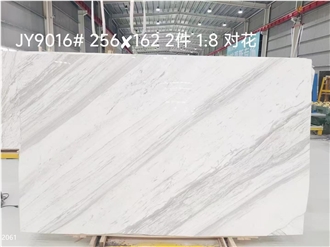
Volakas Marble features a predominantly white or off-white background color with intricate veining in shades of gray. The veins can vary in intensity, ranging from delicate and subtle to bold and pronounced. The combination of the white background and the gray veins gives Volakas Marble a timeless and sophisticated appearance, making it a popular choice for a variety of design styles.

The veining patterns in Volakas Marble can take different forms, including linear, wavy, or cloud-like formations. Each slab of Volakas Marble is unique, showcasing its own individual characteristics and variations in veining, adding to its overall charm and appeal.

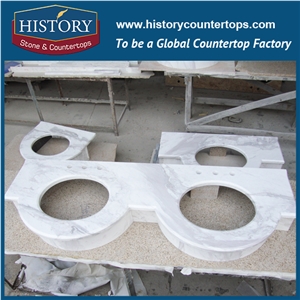
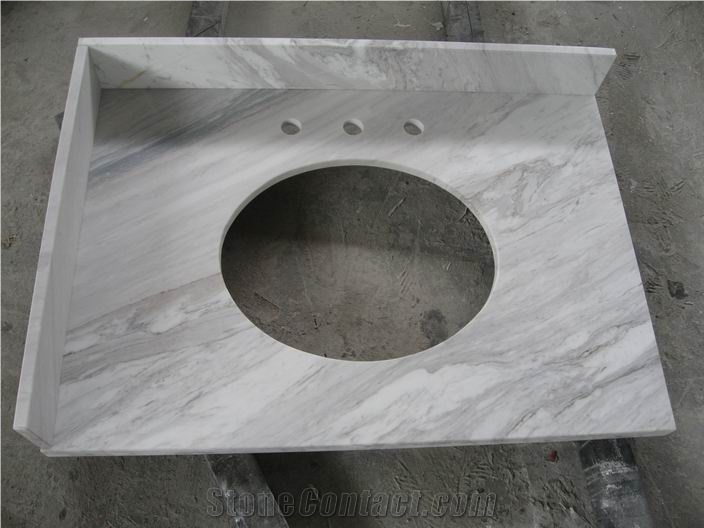
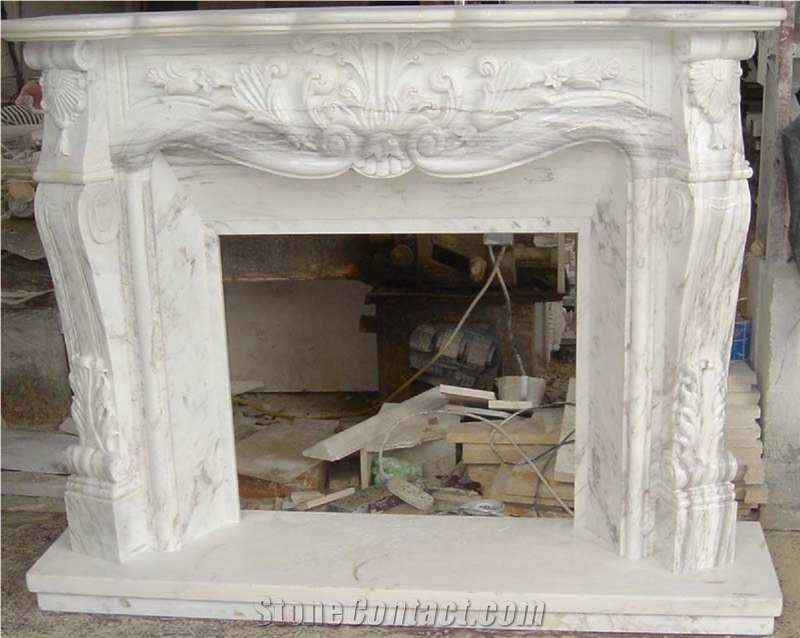
The versatility of Volakas Marble makes it suitable for various interior and exterior applications. It is commonly used for flooring, wall cladding, countertops, vanity tops, and other decorative elements. Whether used in residential or commercial spaces, Volakas Marble adds a touch of elegance and refinement.

In terms of texture, Volakas Marble can have a polished, honed, or brushed finish. The polished finish highlights the natural luster and reflective qualities of the stone, while the honed or brushed finishes provide a more subdued and matte appearance, offering a different texture and feel.

Volakas Marble is known for its durability, making it suitable for both high-traffic areas and areas exposed to moisture, such as bathrooms and kitchens. However, as with any natural stone, proper sealing and regular maintenance are recommended to preserve its beauty and protect it from stains.

Overall, Volakas Marble is a timeless and luxurious choice for those seeking a classic and sophisticated look. Its white background, gray veining, and natural beauty make it a versatile option for enhancing the aesthetic of various architectural and design projects.

APPARENT SPECIFIC DENSITY, kg/m3 (DIN 52102) 2825
OPEN POROSITY COEFFICIENT, % vol (DIN 52102) 0,54
WATER ABSORPTION COEFFICIENT, % wt (DIN 52103) 0,19
DYNAMIC MODULUS OF ELASTICITY, GPa (DIN 1048 Teil 5) 35
COMPRESSIVE STRENGTH, MPa (DIN 52105) 139
FLEXURAL STRENGTH, MPa (DIN 52112) 10
COMPRESSIVE STRENGTH AFTER FREEZE/THAW CYCLES, MPa (DIN 52104 & 52105) 103
ABRASION RESISTANCE, mm (DIN 52108) 2,20
IMPACT STRENGTH, cm (UNI-U 32.07.248.0) 59  
MINERALOGICAL COMPOSITION, % wt
CALCITE  8,00 
DOLOMITE  92,00 
CHEMICAL ANALYSIS, % wt
CaO  32  MgO  19,60  SiO2  0,20 
Fe2O3  <0,05  AI2O3  <0,05  K2O  <0,01 
Na2O  0,01  MnO  <0,01  LOI  46,90

FAQ

How can I make my Volakas Marble floor tiles shine again?

There are several methods you can try to make your Volakas Marble floor tiles shine again: 1. Clean the tiles: Start by thoroughly cleaning the tiles to remove any dirt, grime, and debris that may be dulling their shine. Use a mild detergent or stone cleaner and a soft brush or sponge to scrub the tiles clean. Rinse the tiles with water and dry them thoroughly before moving on to the next step. 2. Polish the tiles: Once the tiles are clean and dry, you can polish them to restore their shine. You can use a commercial marble polish or create your own using a mixture of water and baking soda. Apply the polish to the tiles with a soft cloth or polishing pad and buff them until they shine. 3. Seal the tiles: To help maintain the shine of your Volakas Marble floor tiles, consider sealing them with a marble sealer. This will help protect the tiles from stains and scratches, as well as enhance their natural luster. Be sure to follow the manufacturers instructions for how to apply the sealer properly. 4. Use a marble revitalizer: If your tiles are severely dull and lackluster, you may want to consider using a marble revitalizer to bring them back to life. These products are specifically designed to restore the shine and beauty of marble surfaces, and can be applied following the manufacturers instructions. By following these steps, you should be able to effectively restore the shine of your Volakas Marble floor tiles and keep them looking beautiful for years to come.
Read question details

What color backsplash tile looks good with Volakas Marble countertop?

A light gray or white subway tile would complement the white and gray tones of the Volakas Marble countertop nicely. Another option would be a soft blue or green tile to add a pop of color to the space without overpowering the marble. Ultimately, the best choice will depend on your personal style and the overall look you are trying to achieve in your kitchen or bathroom.
Read question details

Is Volakas Marble good for a slant gravestone?

Yes, Volakas Marble is a popular choice for gravestones due to its elegant appearance and durability. Its light gray and white coloring with subtle veining can create a timeless and classic look for a slant gravestone. Additionally, Volakas Marble is known for being low-maintenance and resistant to wear and tear, making it a practical option for a lasting tribute.
Read question details

What happens to Volakas Marble floors if not sealed?

If Volakas marble floors are not sealed, they are more prone to staining, scratching, and discoloration. Without a sealant, the porous nature of the marble allows liquids and debris to penetrate the surface, leading to permanent damage. Additionally, unsealed marble floors are more susceptible to damage from high foot traffic and general wear and tear. Sealing the marble helps to protect it from these types of damage and helps to maintain its appearance and longevity.
Read question details

How thick should a Volakas Marble stair step be?

The ideal thickness for a Volakas Marble stair step is typically between 1 1/4 inches (3 cm) to 2 inches (5 cm). This thickness provides a balance between durability and aesthetic appeal, while also ensuring the step can withstand the weight and wear of daily use. Ultimately, the exact thickness may vary depending on the specific design and installation requirements of the staircase.
Read question details

Does red wine permanently stain Volakas Marble countertop?

Volakas Marble is a natural stone that is susceptible to staining, especially from acidic substances like red wine. While the stain may appear permanent initially, there are ways to remove it or lighten it over time with the right cleaning techniques and products. It is important to clean up spills promptly and avoid letting them sit for too long to prevent permanent staining. Sealing the marble regularly can also help protect it from staining.
Read question details

Can Greece's Volakas Marble be used in landscaping?

Yes, Greeces Volakas Marble can be used in landscaping. Volakas Marble is known for its beautiful white and gray color with subtle veining, which makes it an attractive choice for various landscaping applications. It is commonly used in outdoor flooring, steps, patios, and walkways, adding a touch of elegance and sophistication to the landscape design. Additionally, Volakas Marble can be used for decorative elements such as garden benches, statues, or water features, creating a luxurious and timeless look.
Read question details

Which marble surface treatment provides a non-slippery surface?

There are several marble surface treatments that can help provide a non-slippery surface: 1. Honed Finish: This treatment involves grinding the marble to create a smooth, matte finish. While it may not be completely slip-resistant, it offers better traction than polished marble. 2. Acid Etching: This process involves applying a mild acid solution to the marble surface, which creates a slightly rough texture. This treatment enhances traction and minimizes the slipperiness of the marble. 3. Sandblasting: Sandblasting involves shooting fine particles at high pressure onto the marble surface, creating a textured and slip-resistant finish. This treatment offers excellent traction and is commonly used for outdoor marble surfaces. 4. Brushed Finish: This treatment involves brushing the marble surface with wire brushes to create a textured and slightly rough surface. It enhances traction and provides a non-slippery surface. Its important to note that while these treatments can improve the slip-resistant qualities of marble surfaces, they may require periodic maintenance to maintain their effectiveness. Additionally, its always recommended to regularly clean marble surfaces to avoid any buildup of dirt or other substances that may reduce traction.
Read question details

How can I make my white marble shine naturally?

To naturally make white marble shine, you can follow these steps: 1. Clear the surface: Remove any dust, dirt, or debris from the surface of the marble using a soft brush or cloth. Make sure the marble is free from any loose particles. 2. Prepare a mixture: In a spray bottle, combine equal parts water and white vinegar. Vinegar is a natural cleaning agent that helps to remove stains and grime from marble surfaces. 3. Apply the solution: Spray the vinegar and water mixture onto the marble surface, ensuring it is evenly spread across the area you want to shine. Let the solution sit on the marble for a few minutes, allowing the vinegar to break down any stains or residue. 4. Gently scrub: Use a soft cloth or non-abrasive sponge to gently scrub the marble in circular motions. Be cautious not to apply excessive pressure, as marble can be scratched easily. 5. Wipe clean: After scrubbing, use a clean, damp cloth to wipe away the vinegar solution and any loosened dirt or stains from the marble. Rinse the cloth frequently to avoid redistributing the dirt back onto the surface. 6. Dry thoroughly: Ensure the marble is completely dry to prevent water spots or streaks from forming. Use a clean, dry cloth to wipe down the surface and remove any remaining moisture. 7. Polish with olive oil: Once the marble is dry, you can enhance its shine by applying a small amount of olive oil on a soft cloth. Gently rub the olive oil onto the marble in circular motions, buffing it to a shine. This step helps to bring out the natural luster of the marble. Remember, it is important to test the vinegar solution and the olive oil on a small, inconspicuous area of the marble first to ensure it does not cause any damage or discoloration. Regular maintenance and proper care will help keep your white marble shiny and beautiful.
Read question details

How do you prevent water stains on Volakas Marble?

To prevent water stains on Volakas Marble, follow these steps: 1. Seal the marble: Apply a high-quality marble sealer specifically designed for Volakas Marble. This will create a protective barrier on the surface and help repel water and other liquids. 2. Clean spills immediately: If water or any other liquid spills on the marble, wipe it up immediately with a soft, clean cloth or paper towel. This will prevent the liquid from penetrating the marble and causing stains. 3. Use coasters and placemats: Use coasters or placemats under glasses, cups, and other items that could leave a liquid ring or moisture on the surface. This will provide an additional layer of protection against water stains. 4. Avoid harsh and acidic cleaners: Do not use harsh or acidic cleaners on Volakas Marble, as they can etch the surface and make it more susceptible to water stains. Opt for pH-neutral cleaners specially formulated for marble. 5. Dry the surface thoroughly: After cleaning the marble, make sure to dry the surface thoroughly with a clean, absorbent cloth or towel. This will help prevent any leftover moisture from causing stains. 6. Regularly reseal the marble: Over time, the protective seal on the marble can wear off. It is recommended to periodically reseal the Volakas Marble to maintain its resistance to water stains. Note: It is important to always check the manufacturers instructions and recommendations for marble care and maintenance, as specific products and techniques may vary.
Read question details

Renata Wojciechowska

I'm interested in Volakas Marble stone. Do you cut, finish and supply stone window sills? I would require 19 window sills measurements between 70cm (4x) up to 180cm lengths (15x), 24cm deep and 2.5 - 3cm thick. I can provide exact measurements. I'm a private individual renovating a house and would need them within next few weeks. Can you provide me with an estimate for this?

Reply

Ahmed Ashraf

I am asking about 1000 sqm meter of 60*60 Volaks marble thickness 2 cm can you quote us your best offer please

Reply

Products & Prices

Hot Marble

New Marble

Post Your Request

The request includes:
  1. surface finished, size
  2. quantity required