Post Your Needs

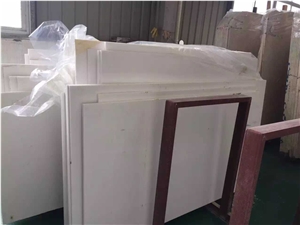
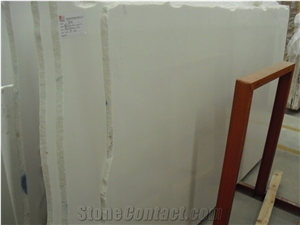
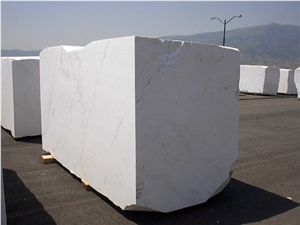
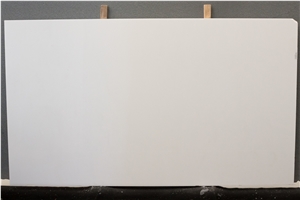
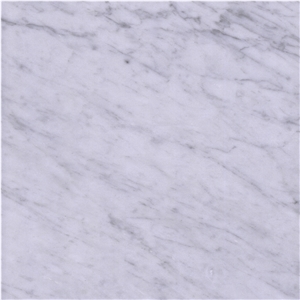
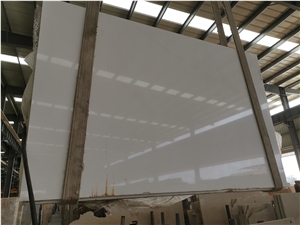
Thassos Extra Marble

About

Material Type:
Marble
Origin:
Greece (Thassos Island, Kavala, East Makedonia, North - East Greece)
Primary Color(s):
White
Recommended Usage:
Building stone, sinks, monuments, pool coping, sills, ornamental stone, interior, exterior, wall, floor , paving
Additional Names:
Thassos Marble, Thassos White Marble, Thassos Extra White Marble, Bianco Thassos Marble, Thassos Limenas White Marble, Thassos Waterfall Marble, Thassos Snow White Marble, Thassos Red Lines Marble, Thassos Pure White Marble, Athos White Marble, Blanco Thasos, Marmo Blanco Thassos, Bianco Taxos Marble, Marmo Branco Thassos, White Thassos Marble, in China stone market:白水晶(Bái shuǐjīng), Thassos Extra Marble
Finished Surface:
Polished,Bush Hammered,Tumbled,Machine Cut,Natural Surface,Sandblasted

Testing

Water Absorption:
by weight 0.15%
Density:
2850 Kg/m³
Flexural Strength:
16 MPa
Compressive Strength:
118 MPa

Description

Mineral make up (weight %)  
Dolomite 97%  
Calcite 3%  
Physical – mechanical properties  
Apparent Specific Weight (kg / m3) 2.850 as per DIN 52102
Water Absorption Coefficient, (weight %) 0.15% as per DIN 52103
Modulus of Elasticity (GPa) 30 as per DIN 1048
Compressive Strength (MPa) 118 as per DIN 52105
Flexural Strength (MPa) 16 as per DIN 52112
Abrasion Resistance (mm) 3.29 as per DIN 52108

FAQ

Is Thassos Extra Marble polished mosaic OK for shower floor?

Thassos Extra Marble is typically suitable for use in showers, including the shower floor. However, it is important to note that the polished surface of the mosaic may create a slightly slippery surface when wet. Therefore, it is recommended to use caution and consider adding a non-slip treatment to the surface or opting for a honed or tumbled finish for increased traction and safety.
Read question details

How thick is Thassos Extra Marble wall mosaic tile?

The thickness of Thassos Extra Marble wall mosaic tiles can vary depending on the manufacturer and specific product. However, typically, these tiles are available in thicknesses ranging from 3/8 inch (9.5 mm) to 1/2 inch (12.7 mm). It is always recommended to check with the supplier or manufacturer for the exact thickness of the specific product you are interested in.
Read question details

Can I use white Thassos Extra Marble mosaic on a kitchen floor?

Yes, you can use white Thassos Extra Marble mosaic on a kitchen floor. White Thassos Extra Marble is known for its beauty and durability, making it a suitable choice for kitchen floors. However, it is important to consider certain factors before making a decision. First, remember that marble is a natural stone and can be more susceptible to staining and scratching compared to other materials. Therefore, it is crucial to properly seal the marble and regularly maintain it to keep it in good condition. Additionally, the high polished finish of Thassos Extra Marble mosaic can be slippery when wet, which may pose a safety concern, especially in a kitchen where spills are common. To mitigate this, you could consider using a honed or tumbled finish that provides a slightly textured surface for better traction. Furthermore, marble is a softer stone and can be more prone to chipping or cracking under heavy impact, such as dropping heavy pots and pans. To minimize this risk, consider using rugs or mats in high-traffic areas or near the sink or stove. In summary, while white Thassos Extra Marble mosaic can be used on a kitchen floor, it is important to consider its maintenance requirements, potential slipperiness, and susceptibility to damage. With proper care and awareness, it can create a beautiful and elegant look in your kitchen.
Read question details

Can I use white Thassos Extra Marble mosaic on a bathroom floor?

Yes, you can use white Thassos Extra Marble mosaic on a bathroom floor. Thassos Extra Marble is known for its durability and elegance, making it a popular choice for bathroom flooring. The mosaic pattern adds a decorative element to the floor and can create a visually stunning effect. Just make sure to properly seal the marble to protect it from moisture and staining, as it is a natural stone material.
Read question details

Is Thassos Extra Marble good for outdoor stairs?

Thassos Extra Marble is a high-quality, pure white marble with a smooth and elegant finish. While it is typically used for indoor applications such as flooring, countertops, and wall cladding, it can also be suitable for outdoor stairs depending on certain factors. When considering using Thassos Extra Marble for outdoor stairs, its important to keep in mind that marble is a porous stone and can be susceptible to weathering and staining when exposed to the elements. Outdoor stairs are exposed to various environmental factors like sunlight, rain, snow, and ice, which can cause the marble to fade, crack, or become slippery when wet. To ensure the longevity and proper functionality of Thassos Extra Marble for outdoor stairs, proper maintenance and care must be prioritized. Regularly sealing the marble surface with a high-quality, penetrating sealer designed for marble can help protect it from water absorption and staining. Additionally, having a textured or anti-slip finish applied to the marble surface can enhance safety and reduce the likelihood of slips and falls. Considering all these factors, while Thassos Extra Marble can be used for outdoor stairs, it may require more attention and maintenance compared to other outdoor stair material options, such as natural stone with higher durability or porcelain tiles that are specifically designed for outdoor use. Its essential to consult with professionals or experts in the field to determine the best material choice for your specific outdoor stairs project.
Read question details

Is white Thassos Extra Marble hard to sculpt?

White Thassos Extra Marble is known for its high purity and quality, making it a desirable choice for sculptors. It has a fine-grained texture and excellent workability, which makes it relatively easy to sculpt compared to other types of marble. However, it is still a natural stone and requires skill and experience to shape and carve effectively. With proper tools and techniques, sculptors can achieve intricate details and smooth finishes with white Thassos Extra Marble.
Read question details

How often should Thassos Extra Marble floor be polished?

Thassos Extra Marble is a high-quality, durable, and resistant material that can maintain its natural shine for a long time. However, regular polishing is recommended to keep it looking its best. The frequency of polishing will depend on several factors, including foot traffic and wear and tear. In general, it is recommended to polish Thassos Extra Marble floors once every 1-2 years. This timeframe can vary depending on the specific conditions and usage of the floor. For areas with high foot traffic or in commercial settings, more frequent polishing may be necessary. Additionally, routine maintenance is essential to prolong the time between polishing sessions. This includes regular cleaning with pH-neutral stone cleaners, avoiding harsh chemicals or abrasive cleaners, immediately wiping up spills, and using coasters or mats to protect the surface from scratches and damage. By following these maintenance practices, the intervals between polishing sessions can be extended, ensuring the long-lasting beauty of Thassos Extra Marble floors.
Read question details

Does polished Thassos Extra Marble absorb water?

Polished Thassos Extra Marble is considered to be a low-to-non-absorbent material. However, it is important to note that no natural stone is completely non-absorbent. Even though the marble is polished and has low porosity, it may still absorb a small amount of water over time if exposed to prolonged contact. Therefore, it is always recommended to seal marble surfaces to further reduce its absorbency and protect against potential water damage.
Read question details

Why is my Thassos Extra Marble floor not shiny?

There could be several reasons why your Thassos Extra Marble floor is not shiny: 1. Lack of maintenance: Marble floors require regular maintenance to maintain their shine. If the floor has not been properly cleaned and polished, the natural shine of the marble may be dulled. 2. Damage or wear: Marble floors can become dull over time due to wear and tear, scratches, or damage. Heavy foot traffic, dragging furniture, or using abrasive cleaning products can all contribute to the loss of shine. 3. Buildup of dirt and grime: If the floor is not regularly cleaned or if dirt and grime are not properly removed, it can build up and dull the appearance of the marble. 4. Etching or corrosion: Marble is susceptible to etching, which occurs when acidic substances like vinegar or citrus juices come into contact with the surface. This can cause dullness or discoloration in the affected areas. 5. Incorrect cleaning products: Using harsh or acidic cleaning products can damage the marble and strip away its natural shine. It is important to use pH-neutral cleaners specifically designed for marble. To restore the shine to your Thassos Extra Marble floor, you may need to take the following steps: 1. Clean the floor thoroughly with a pH-neutral cleaner and a soft mop or sponge. Avoid using abrasive materials or harsh chemicals. 2. Polish the marble using a marble polishing compound or a specialized marble polishing powder. Follow the manufacturers instructions and use a soft cloth or pad to gently buff the surface. 3. If there are any scratches or etch marks, you may need to consult a professional marble restoration company to refinish the surface. 4. Consider applying a marble sealant or wax to protect the surface and enhance its shine. Follow the product instructions carefully and reapply as necessary. It is recommended to consult with a professional marble restoration company for proper care and maintenance techniques specific to your Thassos Extra Marble floor.
Read question details

Is polished Thassos Extra Marble stair steps better than honed?

The choice between polished and honed Thassos Extra Marble stair steps ultimately depends on personal preference and the desired aesthetic for the space. Here are a few factors to consider when making a decision: 1. Appearance: Polished Thassos Extra Marble stair steps have a glossy finish that reflects light, giving a sleek and luxurious appearance. On the other hand, honed Thassos Extra Marble stair steps have a matte finish that provides a more natural and understated look. Consider the overall style and design of the area where the stair steps will be installed to determine which finish would complement it better. 2. Slip resistance: Polished surfaces tend to be more slippery, especially when wet, compared to honed surfaces. If safety is a concern, especially for areas prone to moisture or foot traffic, honed Thassos Extra Marble stair steps may be a better option as they provide better traction and reduce the risk of slips and falls. 3. Maintenance: Polished surfaces are generally more resistant to staining and require less maintenance to keep them looking clean and shiny. However, they are more susceptible to scratches and etching. Honed surfaces tend to be less prone to showing scratches and etching but can be more susceptible to staining. Consider the level of maintenance youre willing to commit to when choosing between the two finishes. 4. Durability: Both polished and honed Thassos Extra Marble stair steps are made from the same material and have similar overall durability. However, the polished surface may show signs of wear and tear more visibly over time due to its reflective nature. Honed surfaces, being more matte and textured, may be better at concealing any signs of use. Overall, there is no definitive answer as to which finish is better. It ultimately boils down to personal preference, the desired look, and the specific needs of the space. It may be beneficial to see samples or examples of both finished products in person before making a decision.
Read question details

Products & Prices

Hot Marble

New Marble

Post Your Request

The request includes:
  1. surface finished, size
  2. quantity required