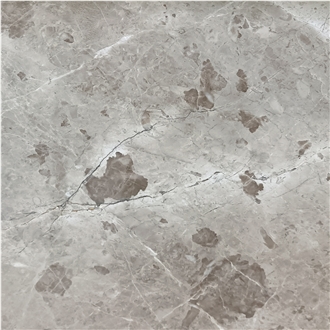
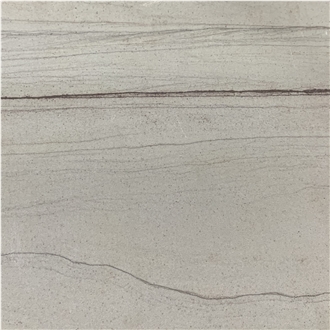
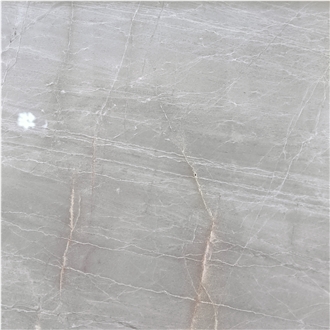
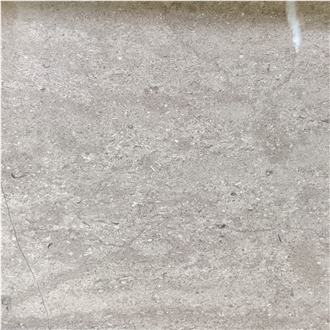
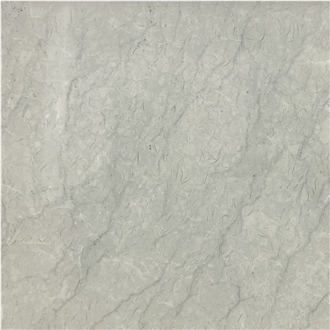
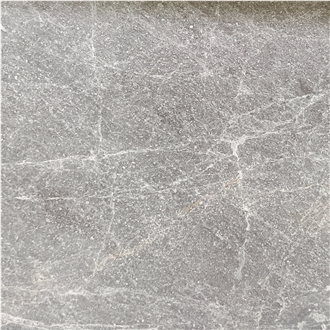
Termeh Marble is a distinctive and elegant natural stone quarried in Iran, known for its unique color palette and striking patterns. Below is a detailed description of its characteristics, properties, and applications:
Color and Appearance
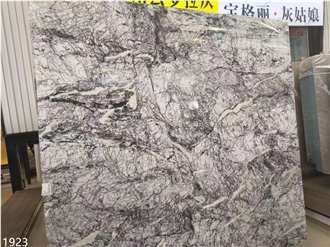
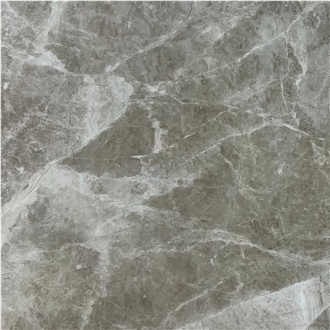
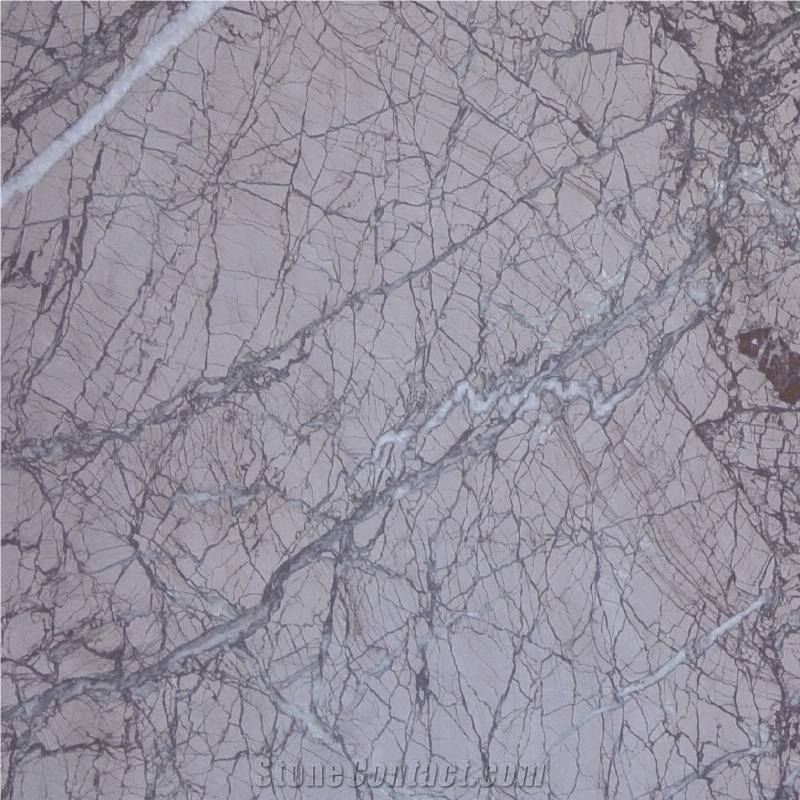
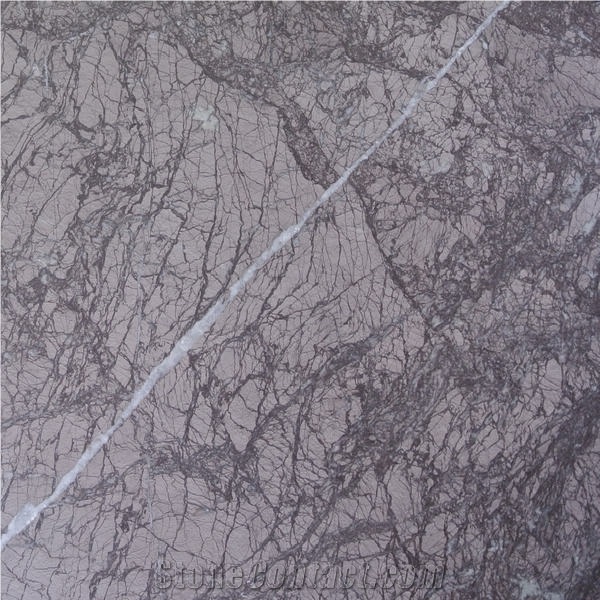
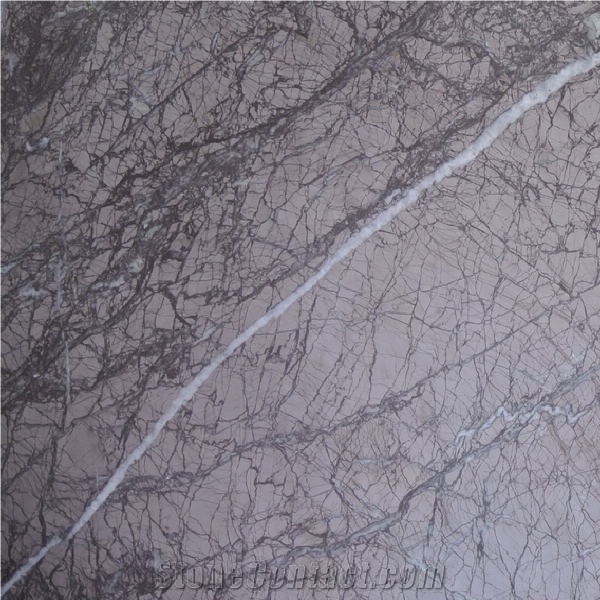
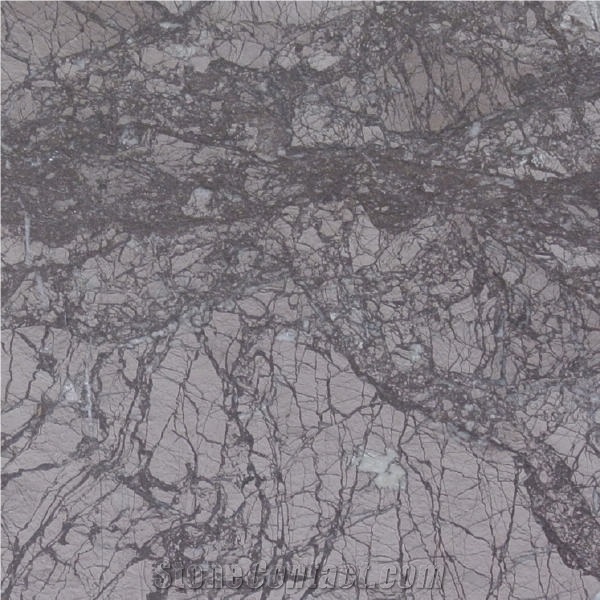
Base Color: Plum lilac to ash gray shades, giving it a soft yet sophisticated appearance.
Veins and Features: Darker veins (often in shades of deep gray, black, or purple) run through the stone, creating a dramatic contrast.
Speckles: Occasional white quartz speckles add a subtle sparkle and texture to the surface.
Pattern: The marble features a flowing, organic pattern with a mix of linear veins and scattered quartz inclusions.
Texture and Finish
Texture: Medium to fine-grained, offering a smooth and polished surface when finished.
Surface Finish Options:
- Polished (high-gloss, reflective finish)
- Honed (matte, smooth finish)
- Brushed (textured, slightly rough finish)
- Tumbled (antique, weathered look)
Physical and Mechanical Properties
Density: ~2.6–2.8 g/cm³ (varies slightly depending on quarry location).
Water Absorption: Low (typically <0.5% by weight), making it suitable for both indoor and outdoor use.
Compressive Strength: ~90–120 MPa, indicating good durability and resistance to crushing forces.
Flexural Strength: ~10–15 MPa, suitable for structural and decorative applications.
Hardness: ~3–4 on the Mohs scale, typical for marble.
Chemical and Mineral Composition (% by Weight)
- Calcium Carbonate (CaCO3): ~90–95% (primary component).
- Magnesium Carbonate (MgCO3): ~2–5%.
- Silica (SiO2): ~1–3% (from quartz inclusions).
- Iron Oxides (Fe2O3): ~0.5–1% (contributes to the darker veins and shades).
- Other Trace Minerals: <1% (e.g., aluminum, potassium).
Applications
Indoor Use:
Flooring and wall cladding.
Countertops and vanity tops.
Decorative panels and fireplace surrounds.
Staircases and accent pieces.
Outdoor Use:
Exterior wall cladding.Garden fountains and sculptures.
Paving (in mild climates).Decorative Items:Tabletops, coasters, and trays.
Sculptures and art pieces.
Maintenance
Cleaning: Use a pH-neutral cleaner and avoid acidic or abrasive substances to prevent etching or scratching.
Sealing: Recommended to apply a penetrating sealer annually to protect against stains and moisture.
Polishing: Periodic polishing may be required to maintain the glossy finish.
Avoid: Harsh chemicals, prolonged exposure to direct sunlight (to prevent fading), and heavy impacts.
Cutting Sizes (Standard Dimensions)
Slabs: 180–200 cm (length) x 60–70 cm (width) x 2–3 cm (thickness).
Tiles: 30x30 cm, 60x60 cm, or custom sizes.
Blocks: Quarry blocks are typically cut into smaller slabs or custom shapes for specific projects.
Advantages
- Unique color combination and patterns.
- Versatile for both modern and traditional designs.
- Durable and long-lasting with proper care.
- Adds a luxurious and artistic touch to any space.
Limitations
Softer than granite, making it more prone to scratching and etching.
Requires regular maintenance to preserve its appearance.
Not ideal for high-traffic outdoor areas in harsh climates.
Termeh Marble is a premium choice for those seeking a blend of elegance, durability, and artistic appeal in their architectural or decorative projects. Its unique plum lilac to ash gray tones, combined with darker veins and quartz speckles, make it a standout material for luxurious interiors and exteriors.


 Iran
Iran